Practice addition Worksheets for 5-Year-Olds
3 filtered results
-
From - To
Discover our engaging Practice Addition Worksheets specifically designed for 5-year-olds! These worksheets provide a fun and interactive way for young learners to grasp essential addition concepts. Tailored to their developmental stage, each worksheet features colorful visuals and playful themes that captivate children's interest while reinforcing basic math skills. From simple one-to-one correspondence to counting objects, our resources encourage children to practice addition confidently. Enhance their learning experience with these printable worksheets that promote cognitive growth and problem-solving abilities. Perfect for home or classroom use, these addition worksheets make math enjoyable and help your little ones build a solid foundation for future learning!
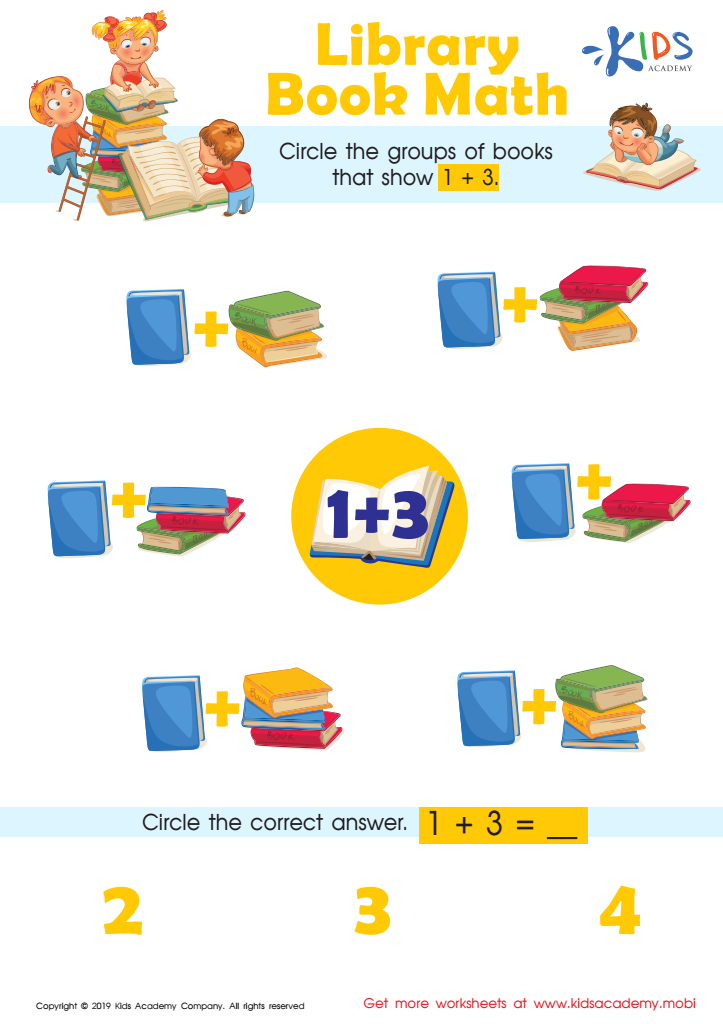
Library Book Math Worksheet
 Assign to My Students
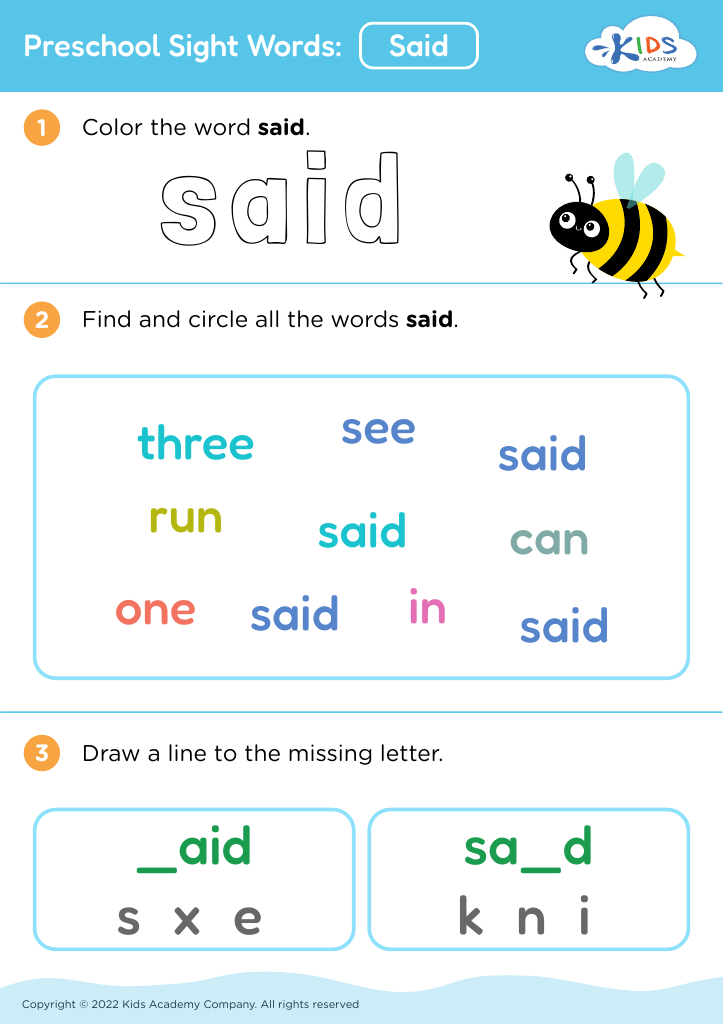
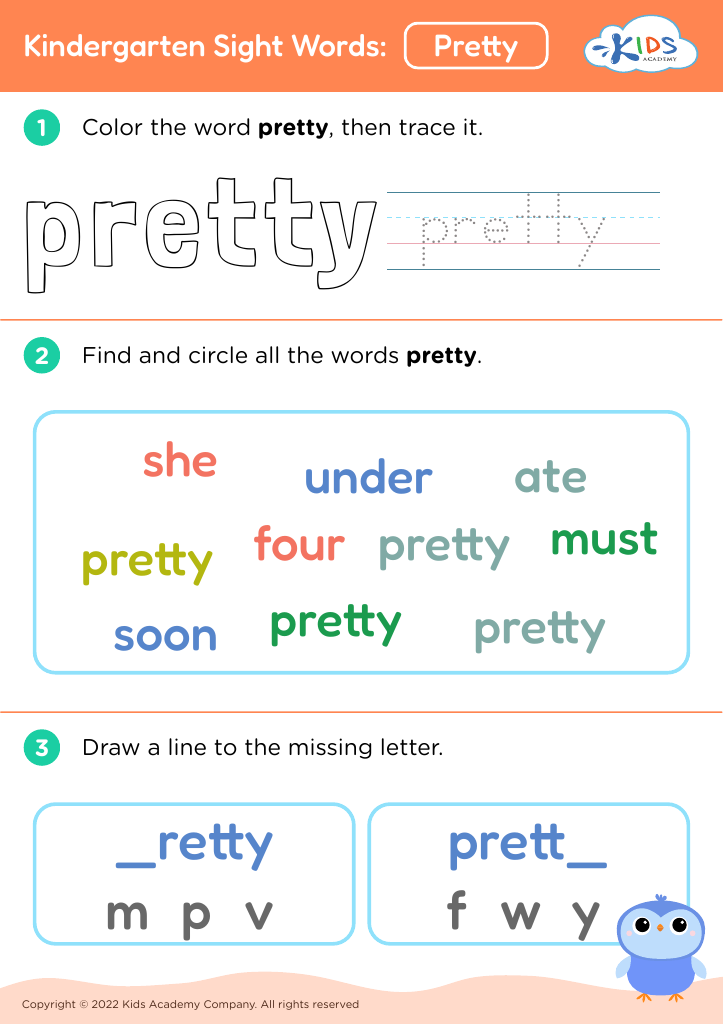








Practicing addition with 5-year-olds is crucial for their early mathematical development and overall cognitive growth. At this age, children are in a key stage of learning where they begin to form foundational skills that will support their future education. Understanding addition fosters critical thinking and problem-solving abilities. When parents or teachers engage in addition activities, they help children develop a sense of number sense, which is essential for more advanced math concepts later on.
Moreover, practicing addition enhances a child's confidence and self-esteem in academic settings. Mastering basic addition can empower children to tackle more complex mathematical challenges with ease as they progress in their education. Incorporating fun and interactive methods, such as using visual aids, games, or manipulatives, can make learning enjoyable and effective.
Additionally, early exposure to math skills can lead to a lifelong positive relationship with mathematics, reducing anxiety that often accompanies math later in life. By participating in and encouraging addition practice, parents and teachers contribute to a child’s holistic development, laying the groundwork for academic success and encouraging a love of learning that can last a lifetime. In essence, nurturing early math skills is an invaluable investment in a child's educational journey.








