Understanding comparisons Worksheets for 5-Year-Olds
3 filtered results
-
From - To
Discover our engaging "Understanding Comparisons Worksheets" designed specifically for 5-year-olds! These resources help young learners explore the concepts of more, less, bigger, and smaller through fun, interactive activities. Our worksheets promote critical thinking and enhance vocabulary as children identify differences and similarities in various objects, animals, and shapes. With captivating illustrations and age-appropriate challenges, kids will delight in learning while developing essential skills for early math and language comprehension. Ideal for home or classroom use, these worksheets encourage playful learning and foster a strong foundation in understanding comparisons— a key concept in their educational journey. Start exploring today!
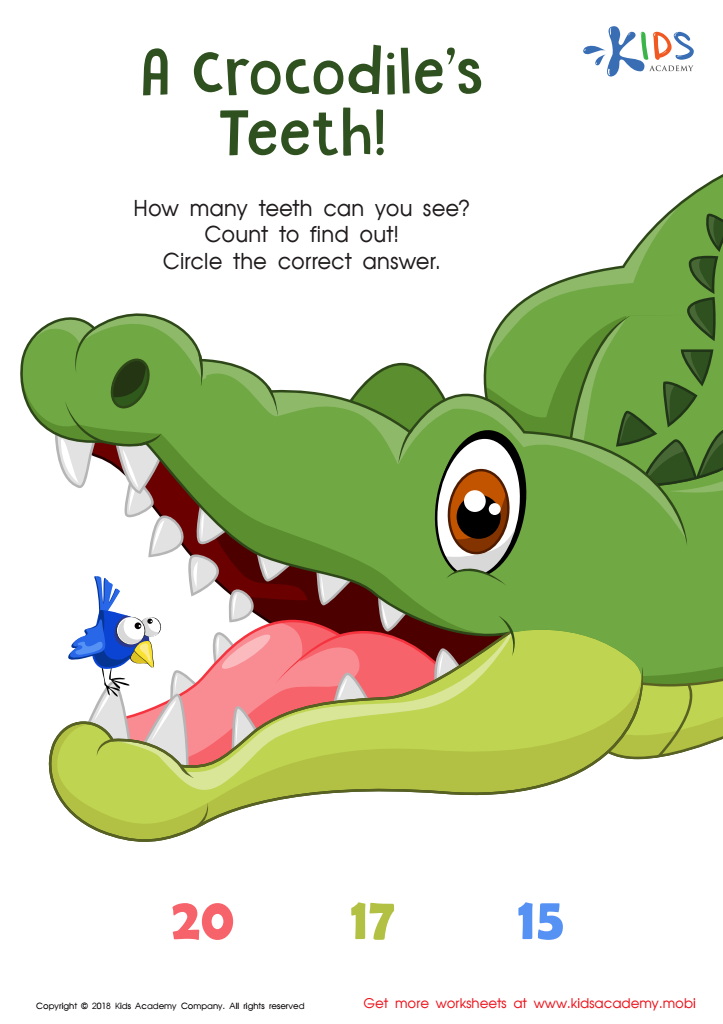
A Crocodile's Teeth Worksheet
 Assign to My Students
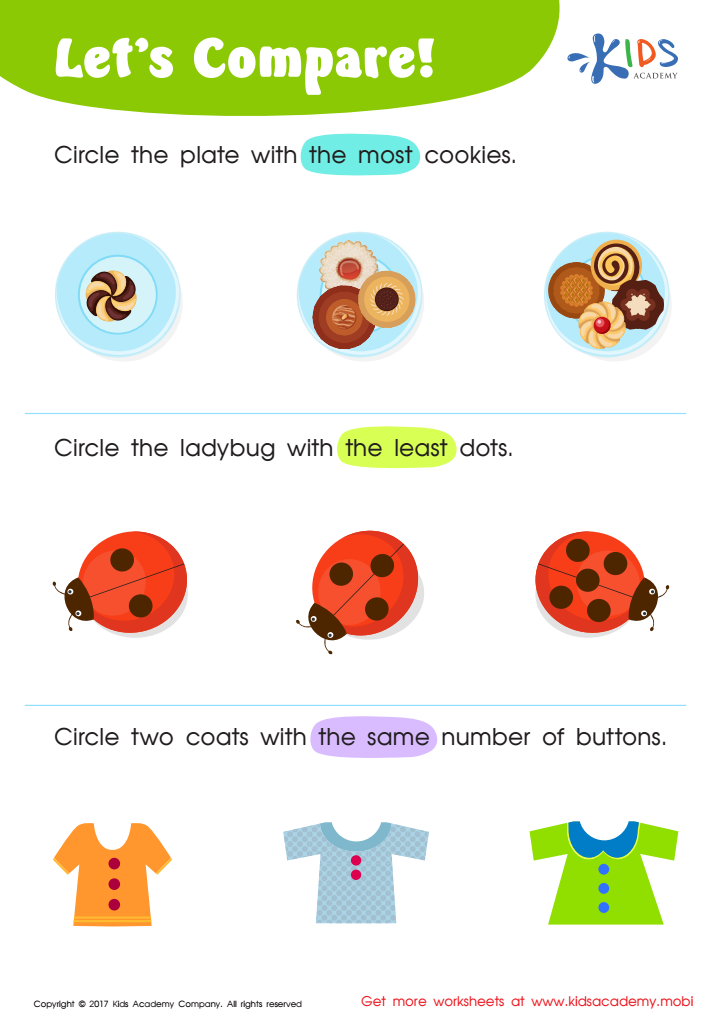
Matching: Classifying Toys by Size Worksheet
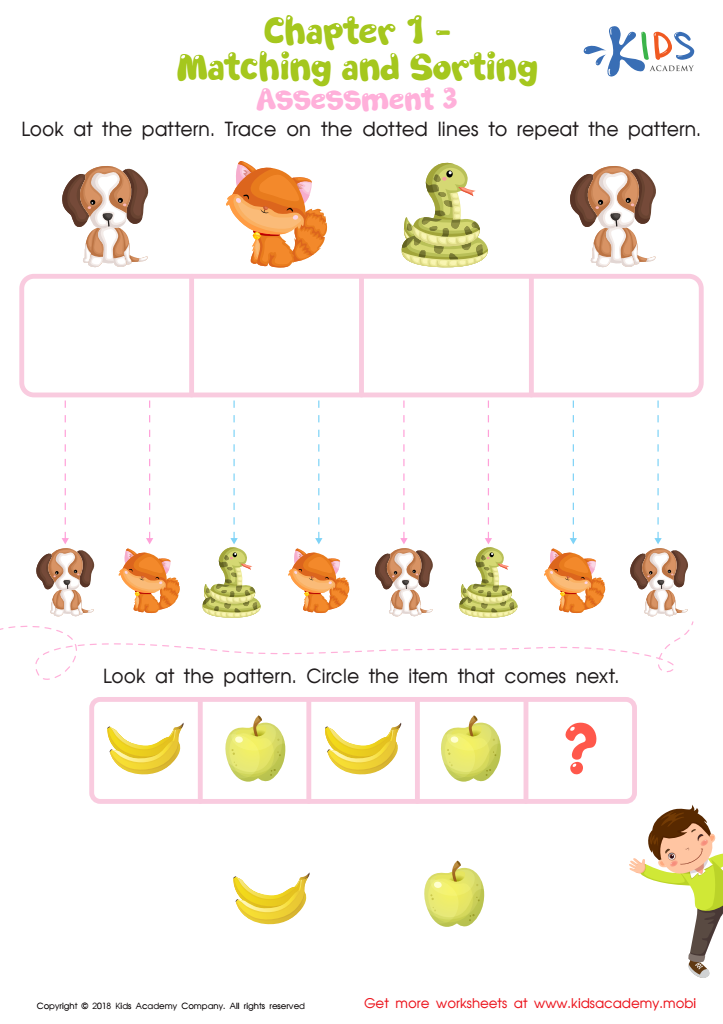
Matching and Sorting for Preschool: Assessment 3 Worksheet







Understanding comparisons is crucial for 5-year-olds as it lays the foundation for essential cognitive and social skills. At this age, children are rapidly developing their reasoning abilities, and learning to make comparisons enhances their critical thinking, helping them categorize and make sense of the world around them.
When children grasp comparisons—like bigger/smaller, same/different—they enhance their vocabulary and communication skills, allowing them to express their thoughts and feelings more effectively. This understanding also fosters mathematical skills, as they begin to identify quantities and sizes, setting the stage for more complex concepts like addition and subtraction.
Moreover, comparison skills promote emotional intelligence. For instance, when children compare their experiences with peers, they learn empathy, understanding different perspectives, and appreciating diversity.
For teachers and parents, facilitating activities that encourage comparisons—through stories, games, or simple everyday interactions—can enrich a child’s learning environment. Involving children in discussions about similarities and differences nurtures their analytical thinking and encourages them to become observant learners. Thus, supporting their ability to understand comparisons cultivates a richer, more engaging educational experience, paving the way for future academic success and positive social interactions.








