Understanding habitats Worksheets for 5-Year-Olds
6 filtered results
-
From - To
Explore the wonders of the natural world with our "Understanding Habitats Worksheets for 5-Year-Olds." Designed to capture young imaginations, these engaging worksheets help children discover various habitats and the plants and animals that call them home. From lush forests to arid deserts, kids will develop a deeper appreciation for the environment through fun activities that promote observational skills and critical thinking. Perfect for at-home learning or classroom use, our worksheets are an excellent resource for nurturing your child's curiosity about nature while building foundational learning skills. Download today and foster an early love for science and exploration!
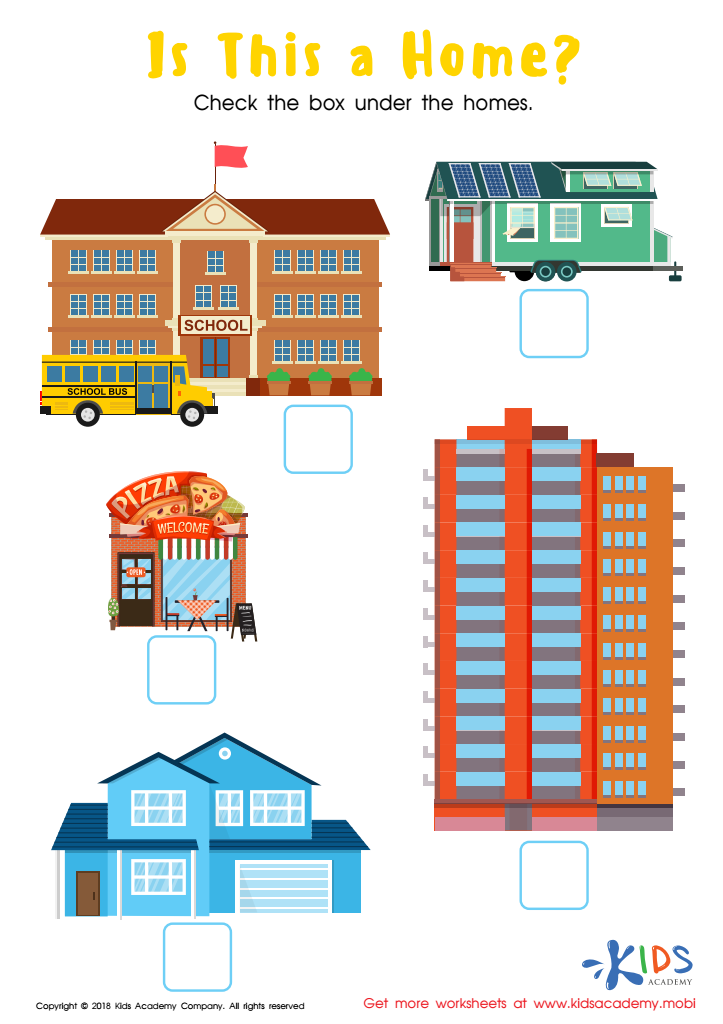
Is this a Home? Worksheet
 Assign to My Students
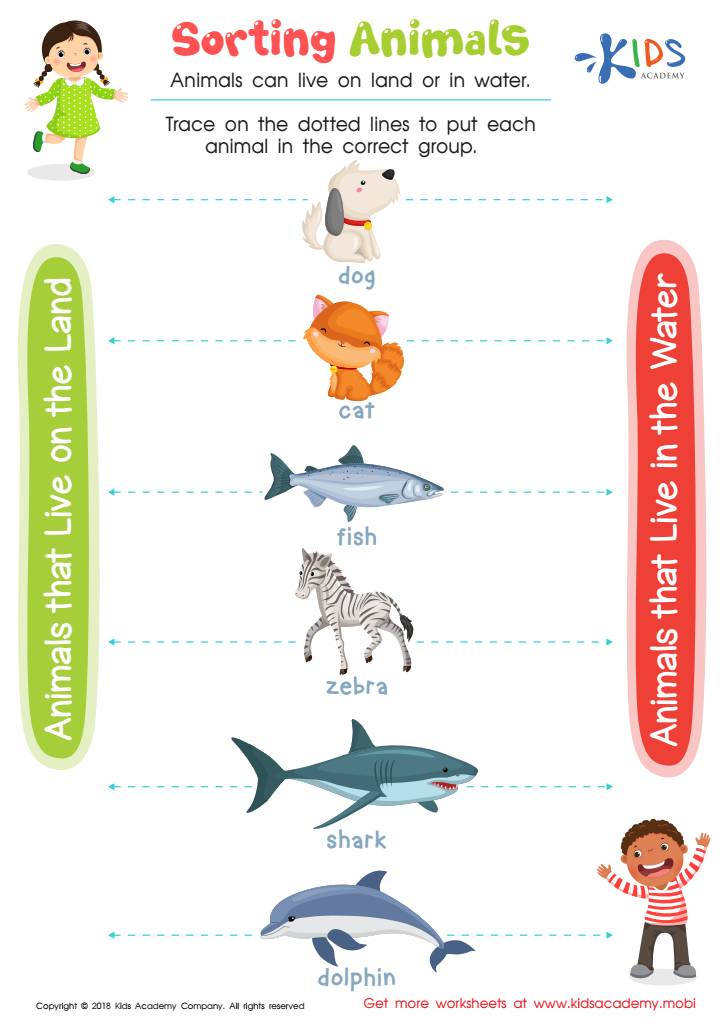
Sorting Animals Worksheet
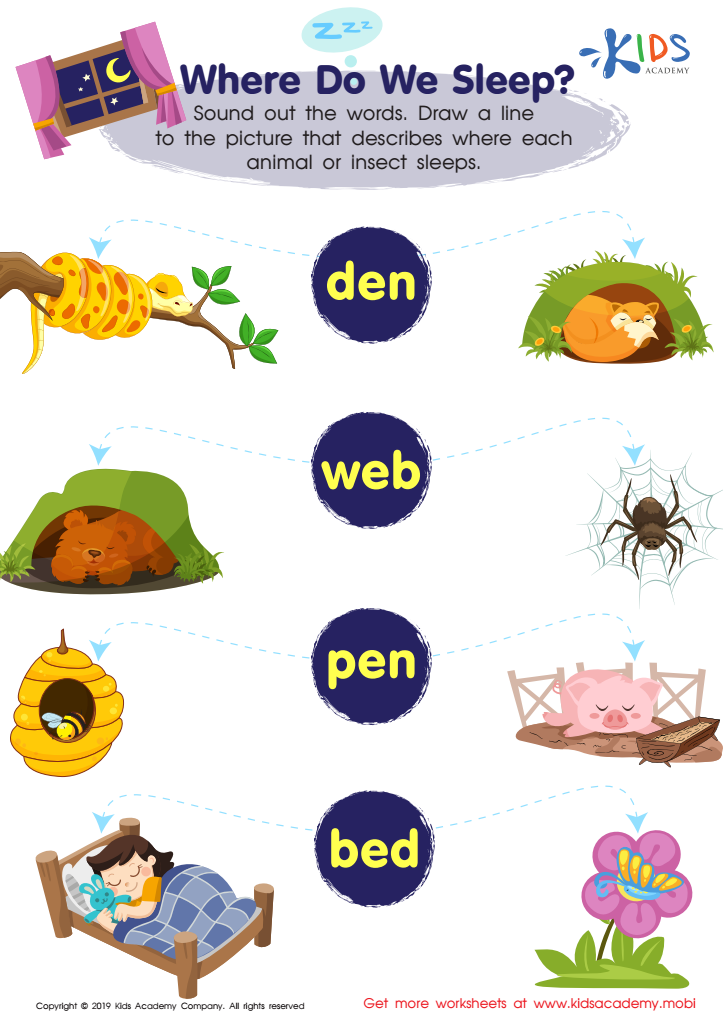
Where Do We Sleep Worksheet
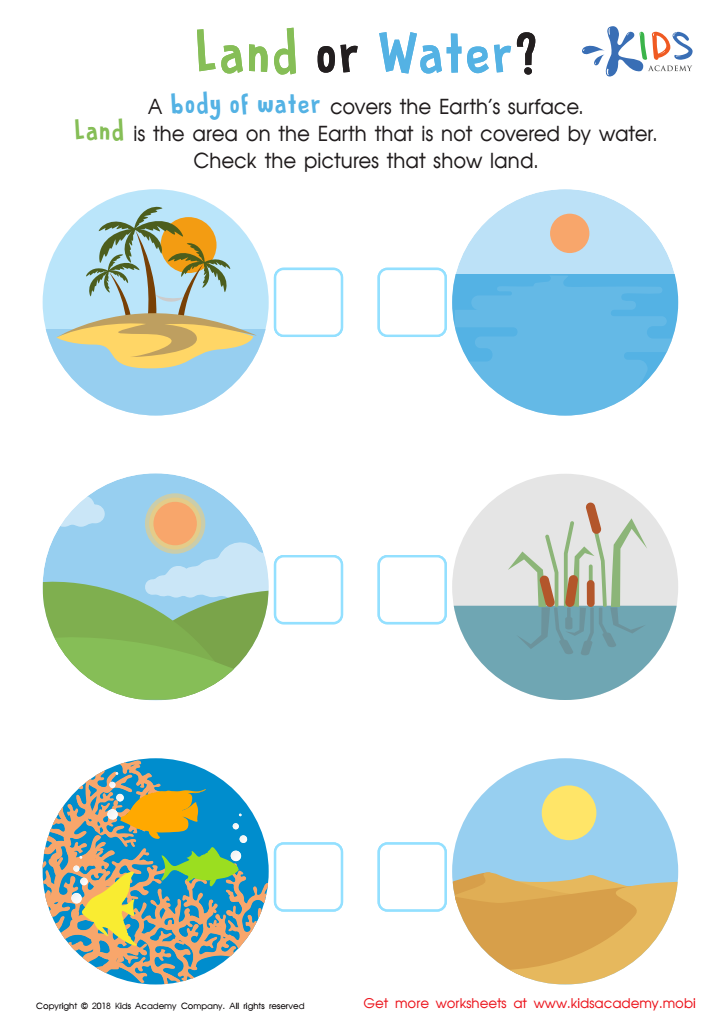
Land or Water Worksheet
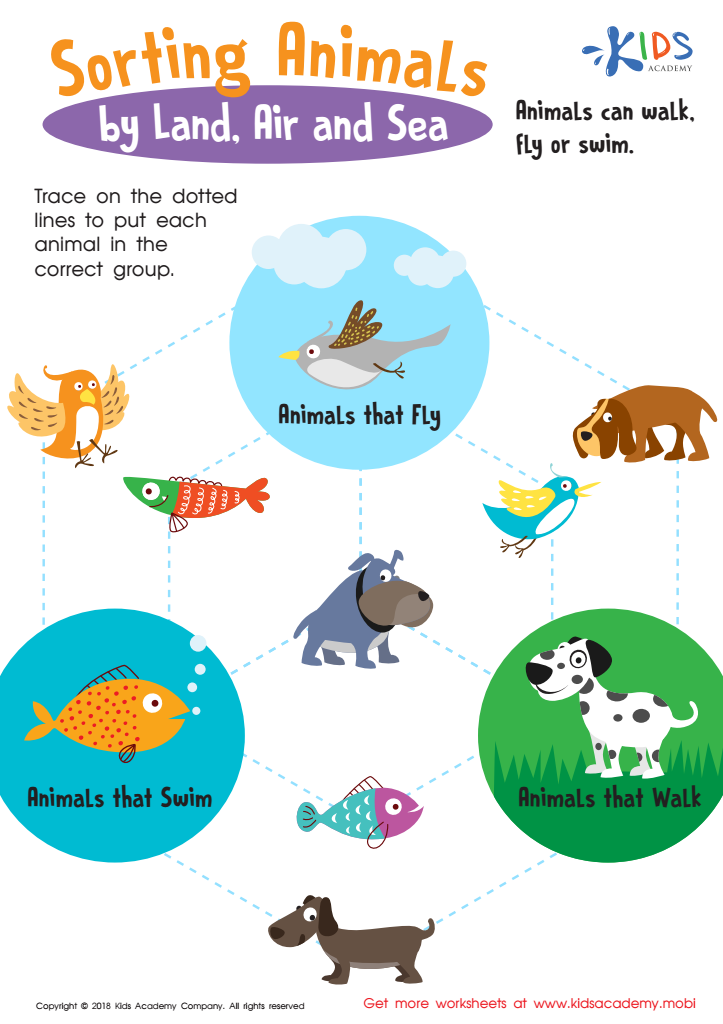
Sorting Animals by Land, Air and Sea Worksheet
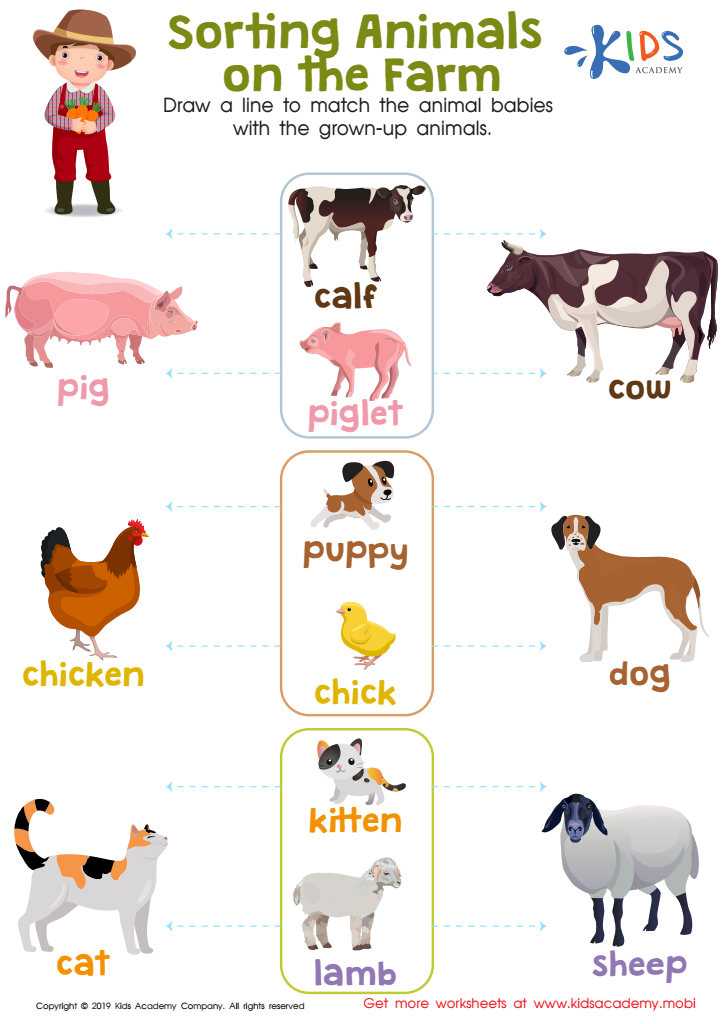
Sorting Animals on the Farm Worksheet








Understanding habitats is crucial for 5-year-olds because it lays the foundation for environmental awareness and scientific inquiry. At this developmental stage, children are naturally curious and eager to explore the world around them. Learning about habitats—the homes of plants and animals—helps them appreciate the diversity of life and the interdependence of ecosystems.
For parents and teachers, introducing the concept of habitats fosters empathy and respect for living things. When children understand that different animals and plants need specific conditions to thrive, they can better appreciate nature and develop a sense of responsibility towards protecting the environment.
Habitat education also enhances cognitive skills. It encourages observation, comparison, and critical thinking by prompting kids to explore questions like, "Why do frogs live near water?" or "What kind of habitat does a cactus need?" This exploratory learning helps build a child's vocabulary and science literacy.
Moreover, early exposure to these concepts ties into broader educational goals, preparing children for more complex topics in biology, geography, and environmental science. By fostering these early interests, parents and teachers can cultivate lifelong learners who are more likely to grow into informed, responsible citizens dedicated to preserving our natural world.








