Word identification Worksheets for 5-Year-Olds
5 filtered results
-
From - To
Introduce your 5-year-olds to the world of words with our engaging Word Identification Worksheets! These specially designed activities encourage early readers to recognize, identify, and read common words through captivating exercises. Packed with colorful illustrations and fun themes, these worksheets are perfect for kindergarten learners developing foundational reading skills. Boost your child’s confidence and prepare them for academic success with hands-on practice that strengthens their phonemic awareness and vocabulary. Available for immediate download, our worksheets make learning an exciting adventure. Discover the joy of word identification with our expertly crafted resources today!
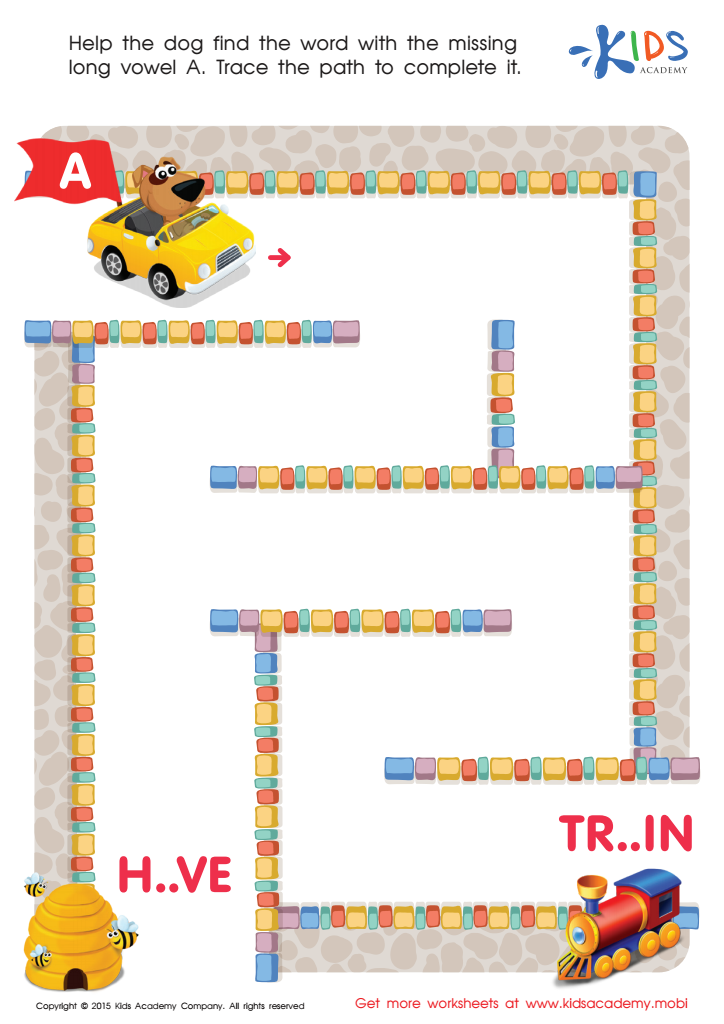
Long Vowel Sound A Worksheet
 Assign to My Students
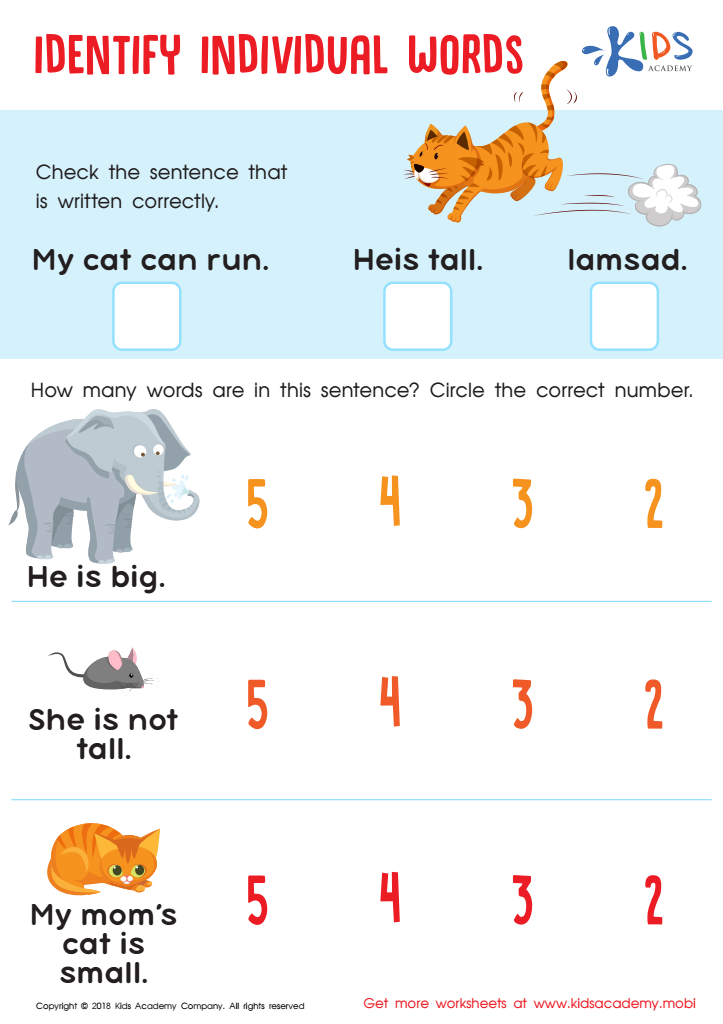
Identify Individual Words Worksheet
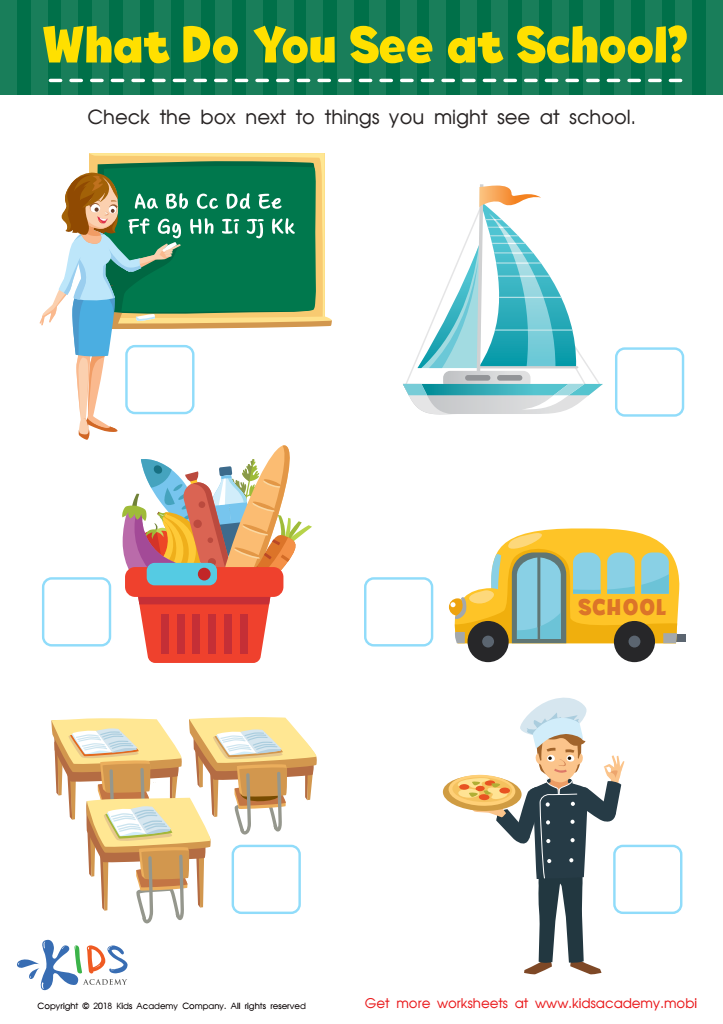
What Do you See at School? Worksheet
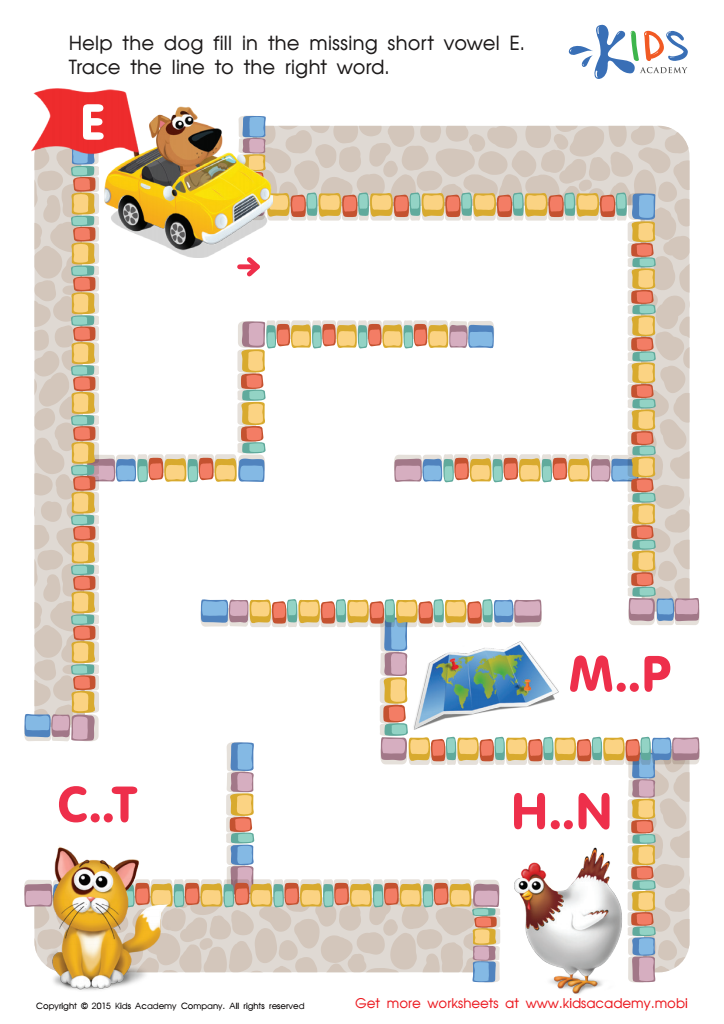
Short Vowel Sound E Worksheet
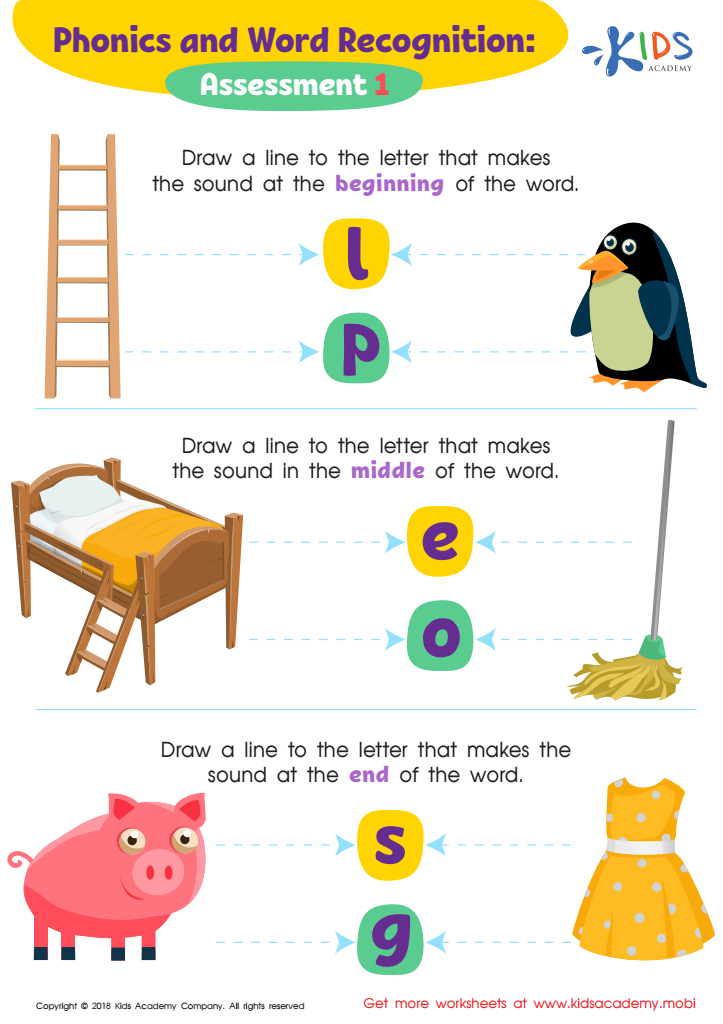
Phonics and Word Recognition: Assessment 1 ELA Worksheet


.jpg)




Word identification is a crucial skill for 5-year-olds as it lays the foundation for successful reading and writing—key components of lifelong learning. When children can identify words, they begin to build their vocabulary, understand sentence structure, and grasp the basic concepts of grammar. This early literacy skill enhances their ability to comprehend stories and information, boosting cognitive development and academic confidence.
Parents and teachers play a significant role in nurturing word identification by providing a rich language environment. This might include reading aloud, playing educational games, singing songs, and engaging in conversations that introduce new words. Such activities not only make learning enjoyable but also help children connect spoken language to written words, fostering a deeper love for reading.
Moreover, early word identification is closely linked to a child’s ability to decode new words independently. This self-reliance in reading becomes particularly important as they advance in grade levels, where reading becomes a primary method of learning new subjects. Kids who struggle early on with word identification often face challenges later, affecting their overall academic performance. Therefore, lessening the chance of future difficulties makes the early engagement in word identification invaluable. The joint effort of parents and teachers can ensure a strong start on a path towards literacy and academic success.








