Color recognition Logic and Early Math Worksheets for 5-Year-Olds
4 filtered results
Difficulty Level
Grade
Age
-
From - To
Subject
Activity
Standards
Enhance your 5-year-old's learning experience with our engaging Color Recognition Logic and Early Math Worksheets! Designed specifically for young learners, these worksheets foster critical thinking and foundational math skills through fun, colorful activities. Kids will identify and match colors while tackling simple logic puzzles, promoting cognitive and fine motor development. Perfect for homeschooling or supplementary learning, our interactive resources make education enjoyable and effective. Dive into the vibrant world of colors and numbers, encouraging creativity and analytical abilities in your little one. Download our printable worksheets today and watch your child's confidence and skills blossom!
Favorites
With answer key
Interactive
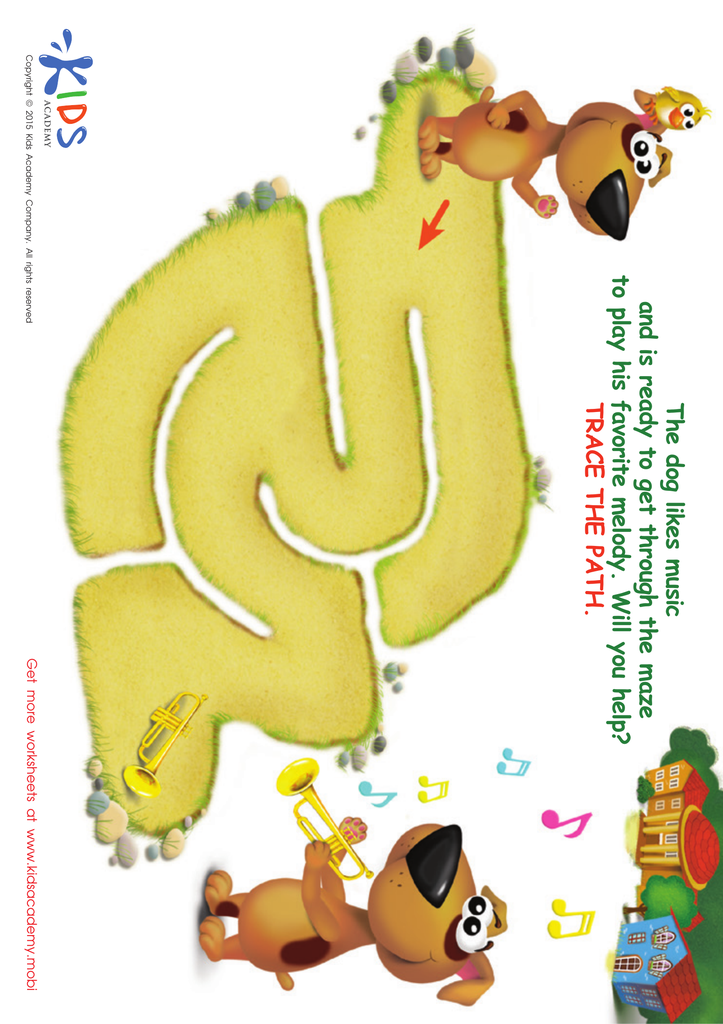
Trumpeter Maze Worksheet
Help your kid to find the way out of the maze to hear their favorite melody! Visit Kids Academy now and explore plenty of fun and educational resources.
Trumpeter Maze Worksheet
Worksheet
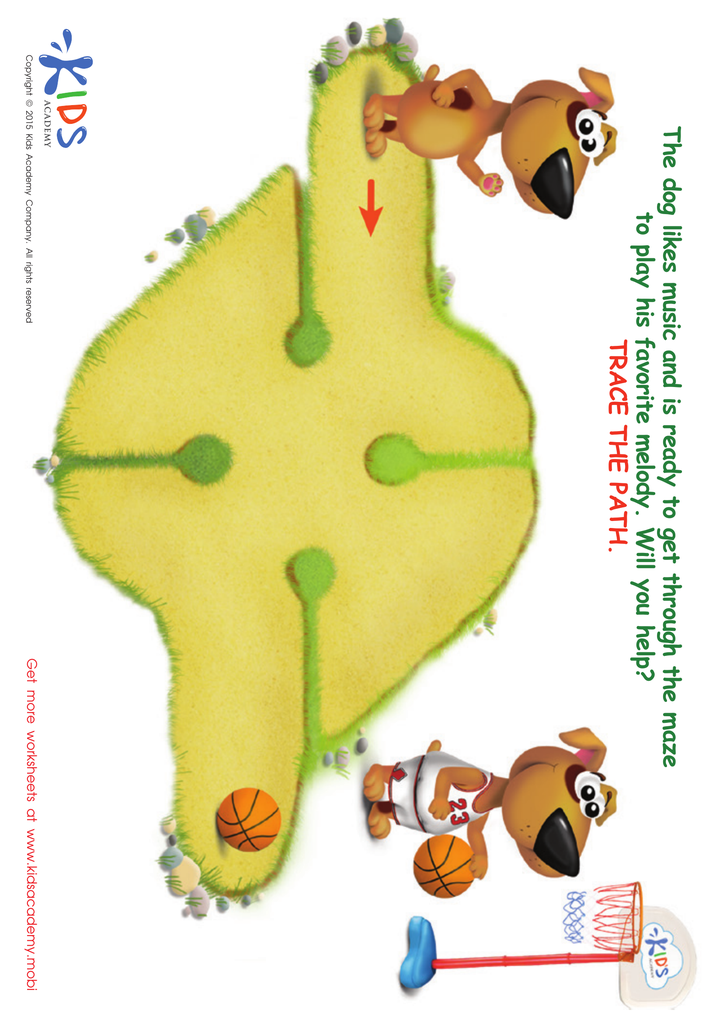
Basketball Player Maze Worksheet
Test your skills with our new printable maze worksheets, and help the little dog get his basketball! Trace the path carefully to get the ball and play together.
Basketball Player Maze Worksheet
Worksheet
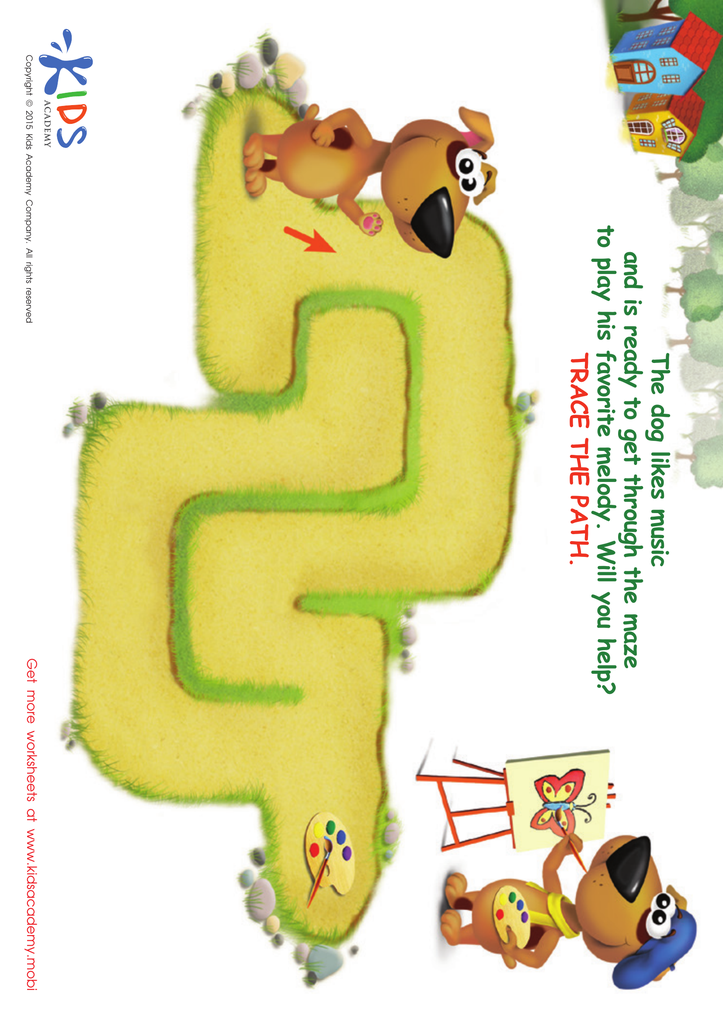
Artist Maze Worksheet
Try this new maze worksheet to help your child develop problem-solving skills. Let the pup traverse the path and create a masterpiece with the brush and paints on the other side! Give it a go now.
Artist Maze Worksheet
Worksheet
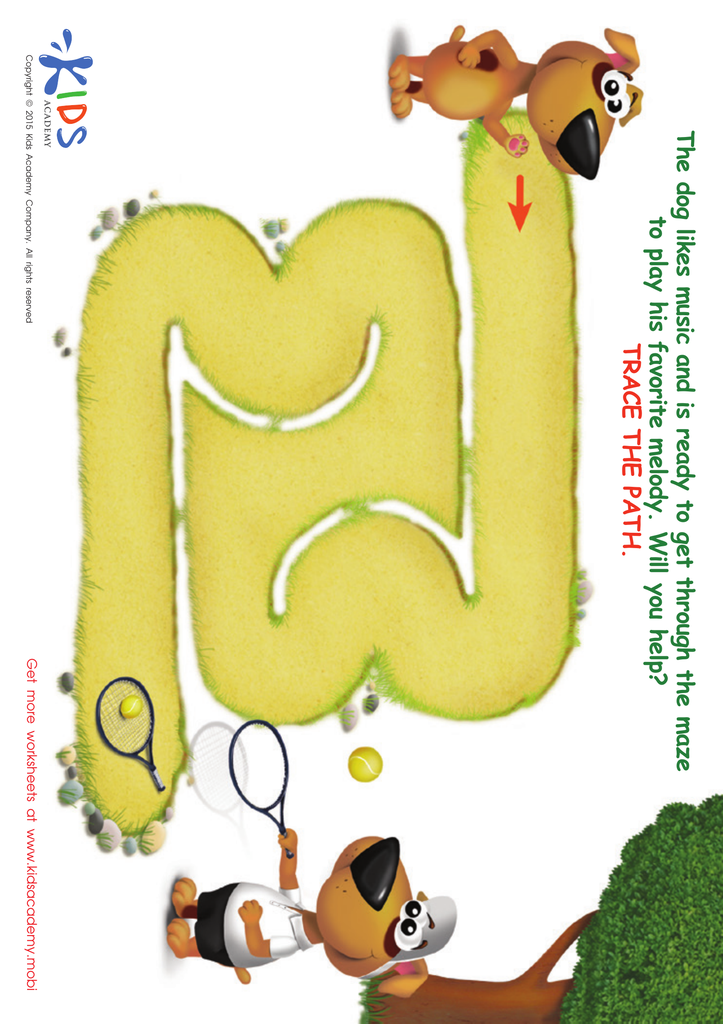
Tennis Player Maze Worksheet
Get them now and play together with your kids! Trace paths and help the dog find the racquets and balls. Fun and learning await.
Tennis Player Maze Worksheet
Worksheet
Join Kids Academy for Free
Who is primarily going to use this learning content?








Color recognition and early math skills are fundamental aspects of early childhood education that significantly influence a child's cognitive development and learning journey. At age five, children are naturally curious and eager to make sense of the world around them. Recognizing colors helps to enhance their observational skills and categorize information, fostering critical thinking.
Understanding colors can facilitate early math concepts such as sorting, grouping, and patterns. For example, when children sort objects by color, they engage in logical reasoning and develop foundational skills for addition and subtraction by grouping and counting items. This early math exploration builds a robust number sense that is crucial for later academic success.
Moreover, engaging in activities involving colors and math stimulates children's creativity and encourages problem-solving abilities. As parents and teachers provide varied experiences in color recognition and math, they equip children with tools to navigate challenges in learning.
Ultimately, investing in these early skills sets the stage for deeper learning in later grades, promoting greater self-esteem and success both in and out of the classroom. Fostering these skills in young children lays a solid groundwork for lifelong learning and intellectual curiosity.