Understanding Sequences Addition & Subtraction Worksheets for 5-Year-Olds
4 filtered results
-
From - To
Unlock your child's potential with our "Understanding Sequences Addition & Subtraction Worksheets" designed specifically for 5-year-olds. These engaging worksheets introduce young learners to the foundational skills of math through fun activities that focus on recognizing patterns and the concepts of addition and subtraction. By exploring sequences, children develop critical thinking and problem-solving abilities while fostering a love for numbers. Our carefully crafted exercises provide ample practice to boost confidence and reinforce learning. Join in the adventure of mastering early math skills with interactive and colorful worksheets that make learning an enjoyable experience for your little ones! Perfect for home or classroom use.
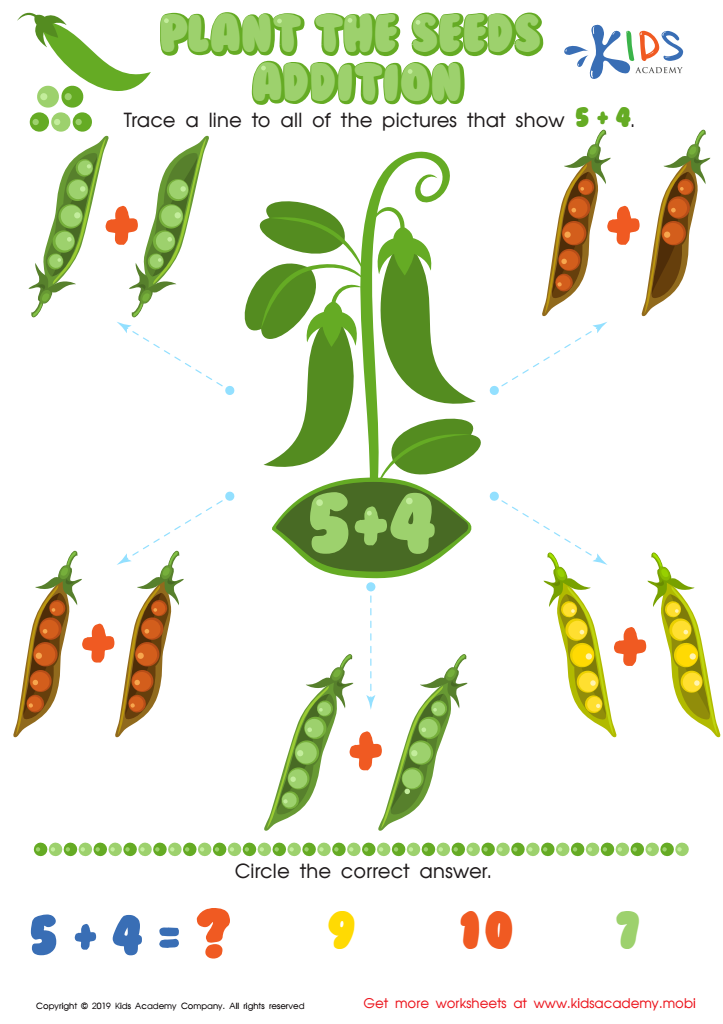
Plant the Seeds Addition Worksheet
 Assign to My Students
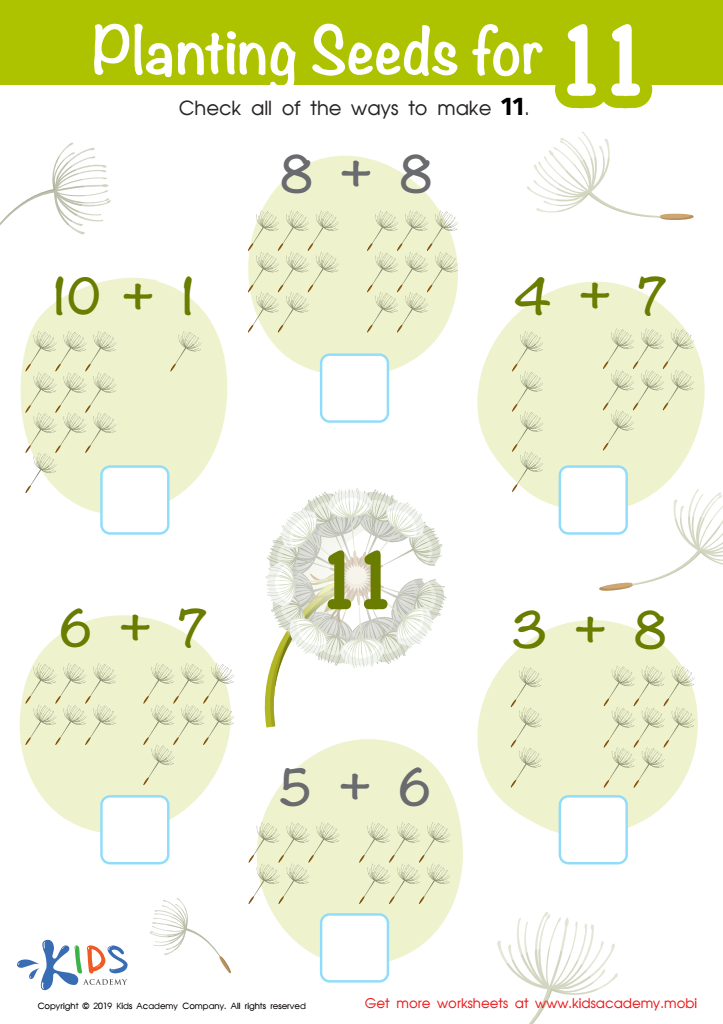
Planting Seeds for 11 Worksheet
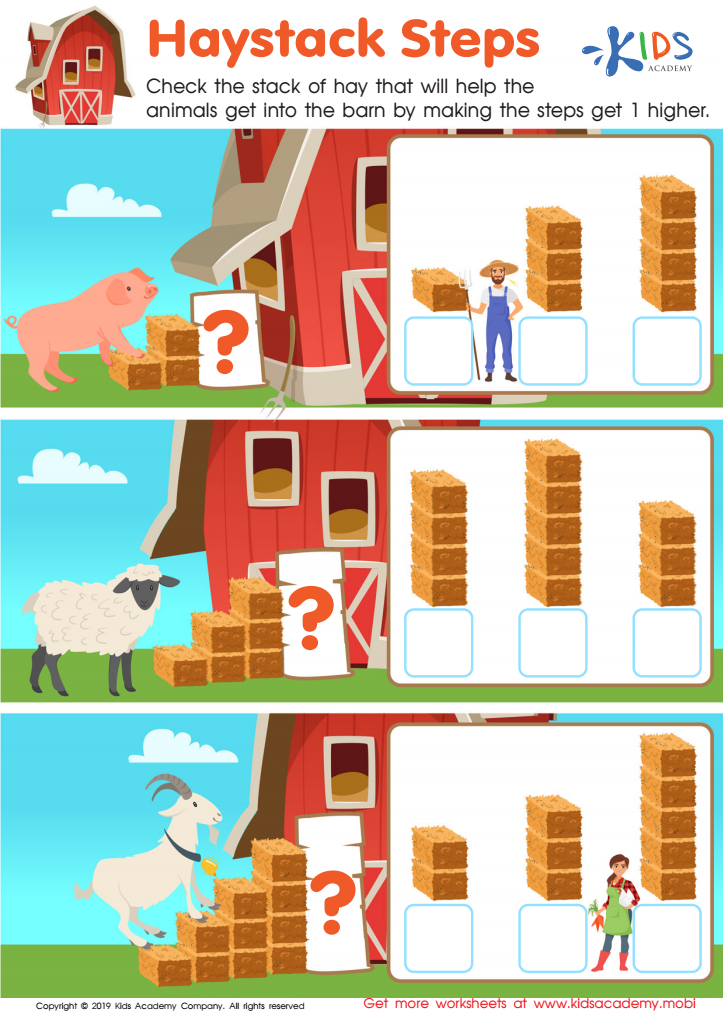
Haystack Steps Worksheet








Understanding sequences in addition and subtraction is essential for 5-year-olds, as it lays the groundwork for their mathematical development. At this age, children are beginning to grasp concept patterns, developing critical thinking skills which are crucial for future learning. Sequences help them understand how numbers work together—whether they’re adding to find a sum or subtracting to find a difference.
For parents and teachers, emphasizing sequences encourages deeper engagement with math. It allows them to create meaningful learning experiences that build confidence. Children who grasp these concepts are more prepared for complex mathematical ideas in later grades. This foundational skill also enhances their problem-solving abilities, enabling them to approach challenges systematically.
Furthermore, understanding addition and subtraction sequences fosters computational fluency. When children can see the relationship between numbers, they’re more likely to excel in math-related tasks across subjects. This skill is useful not only in academics but in everyday life situations such as budgeting, cooking, and planning.
Ultimately, nurturing these early mathematical skills aids children's cognitive development, promotes a lifelong love for learning, and prepares them to become confident learners capable of tackling more intricate mathematical concepts in the future.








