
Basic Math Skills Comparing Numbers Worksheets for 5-Year-Olds
4 filtered results
Difficulty Level
Grade
Age
-
From - To
Subject
Activity
Standards
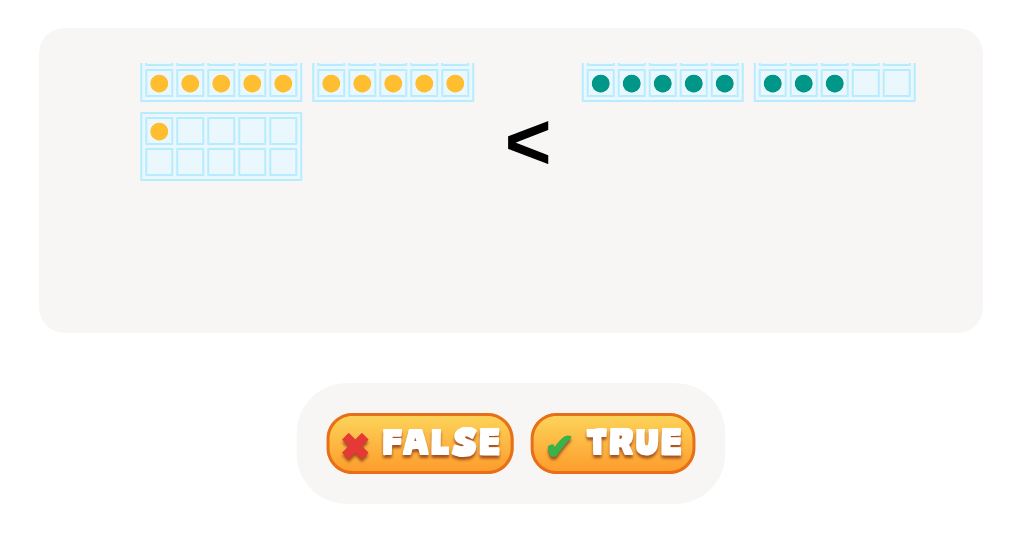
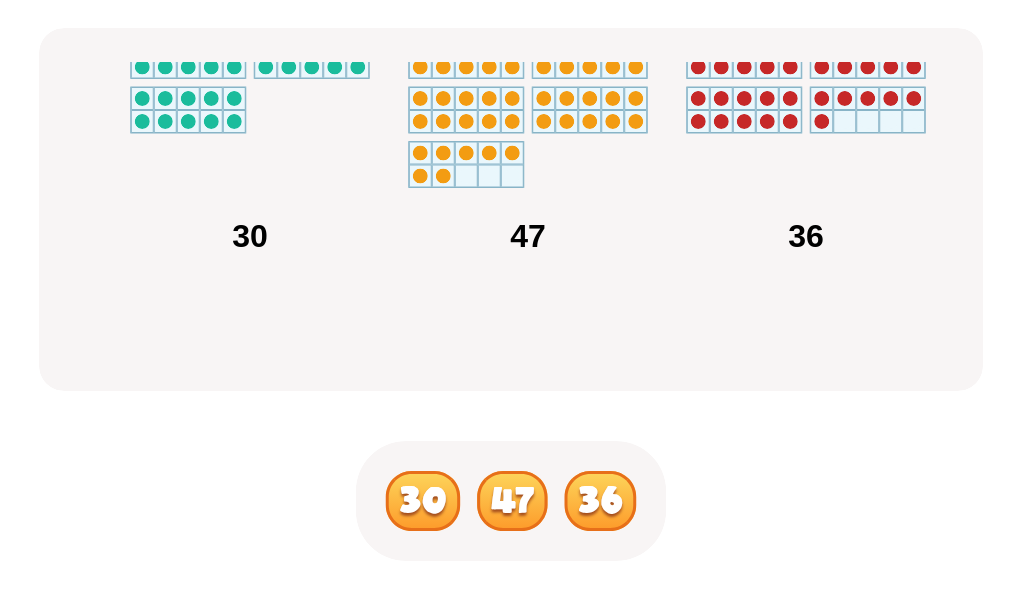
Introduce your 5-year-old to basic math skills with our Comparing Numbers Worksheets. Designed to make learning fun and engaging, these printable worksheets help young learners develop essential math skills. Children will explore concepts such as greater than, less than, and equal to, enhancing their number sense and critical thinking. Our colorful, age-appropriate sheets allow kids to compare numbers in a stress-free and enjoyable way, cultivating a love for math early on. Perfect for home or classroom use, these worksheets ensure foundational math skills are built, paving the way for future academic success. Download now to start the learning adventure!
Favorites
With answer key
Interactive
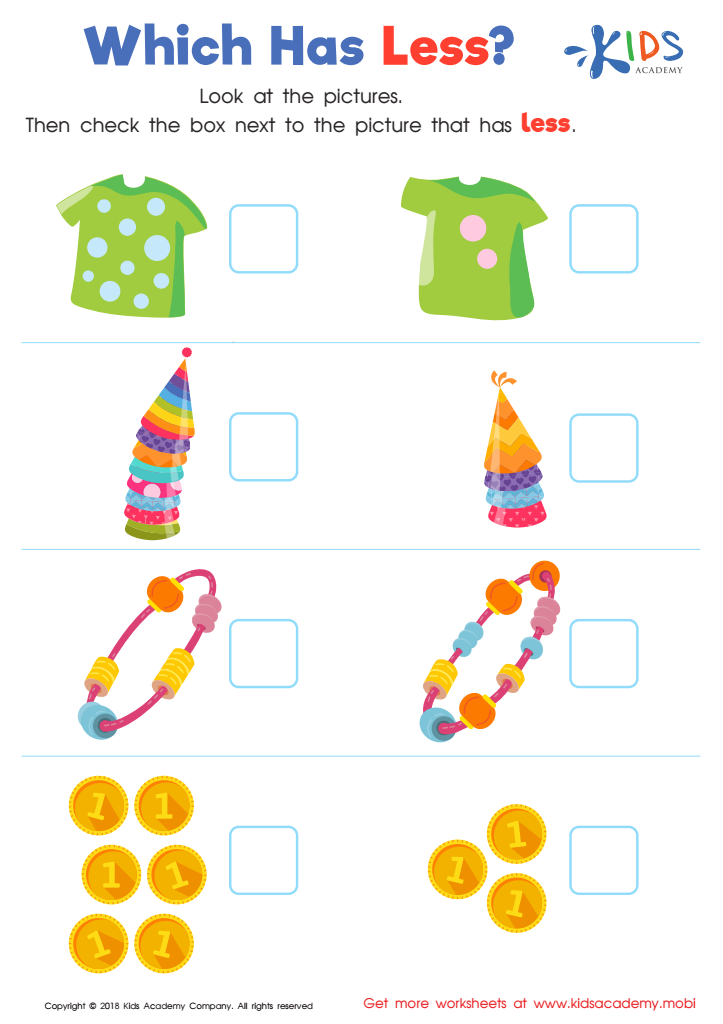
Which Has Less? Worksheet
Kids can develop their number sense by comparing and contrasting objects to identify which has less. This worksheet helps them practice: it's bright and colorful, featuring familiar objects and pictures to count, strengthening basic counting skills. It's the perfect warm-up for comparing and contrasting larger numbers.
 Assign to My Students
Which Has Less? Worksheet
Worksheet
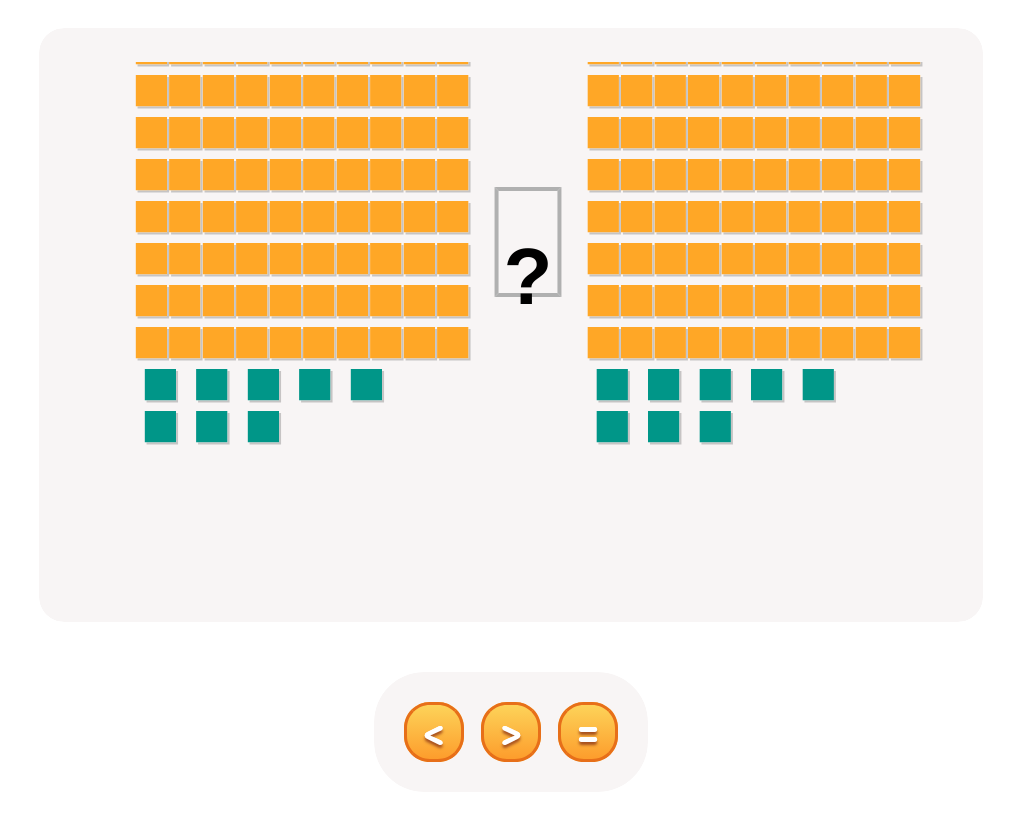

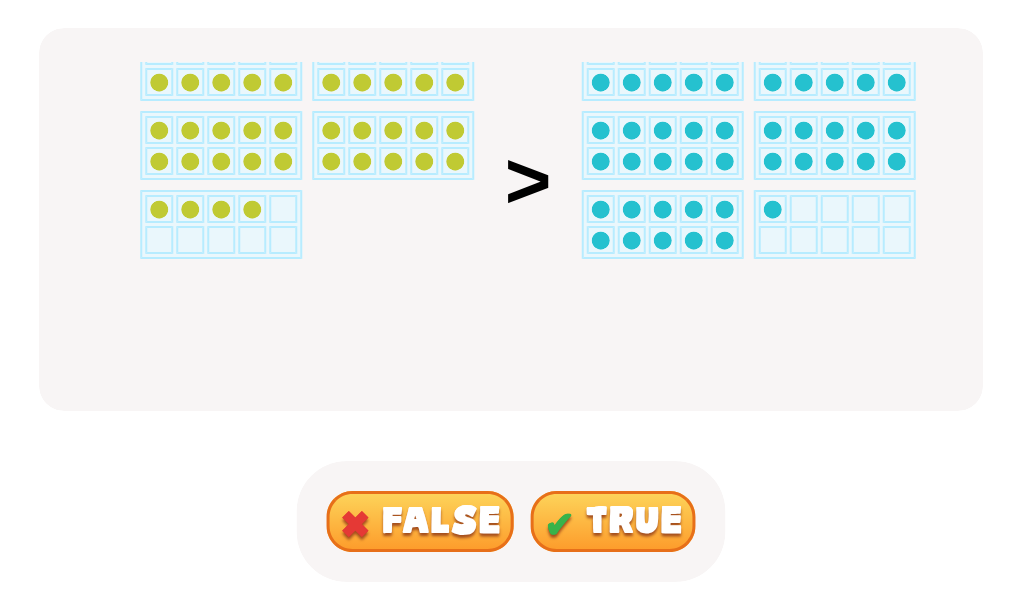
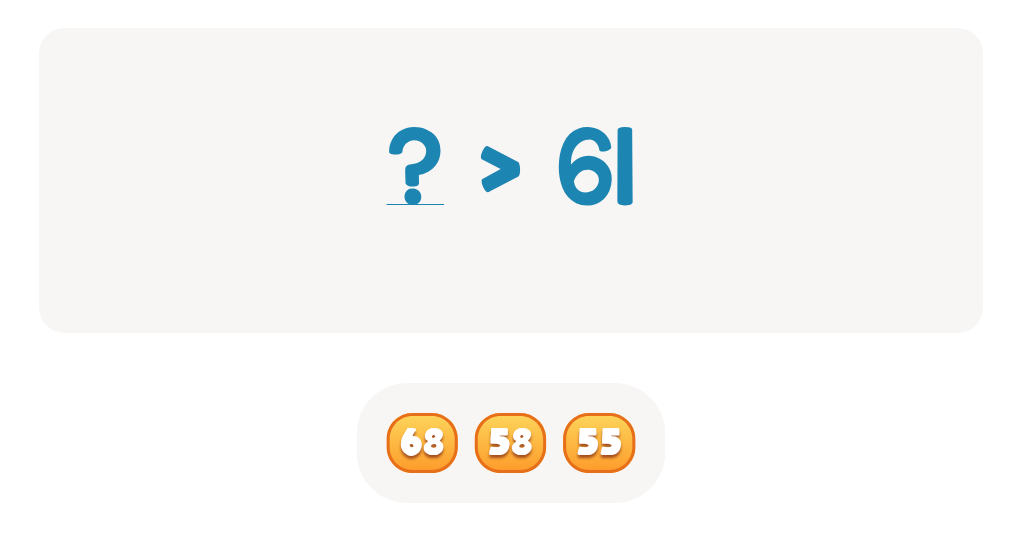
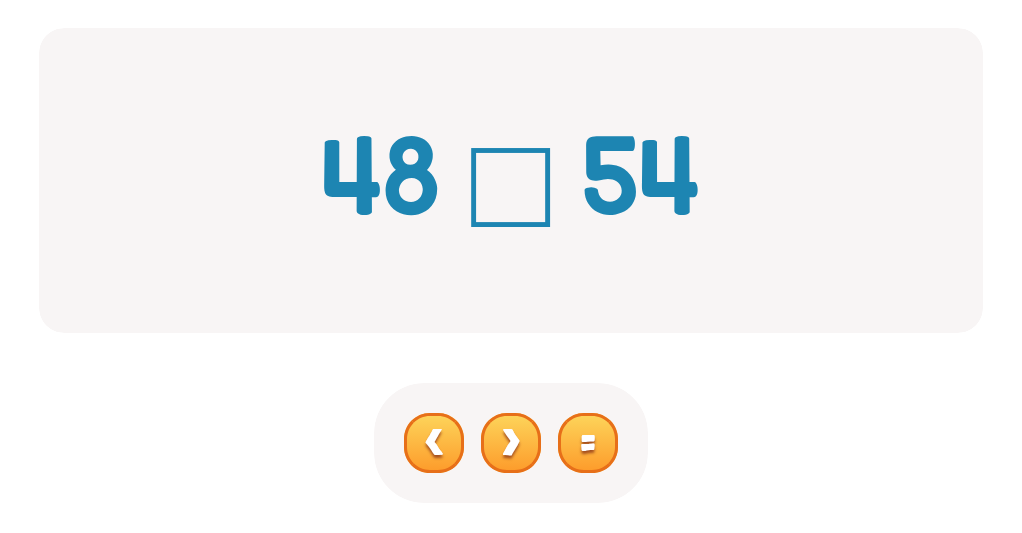
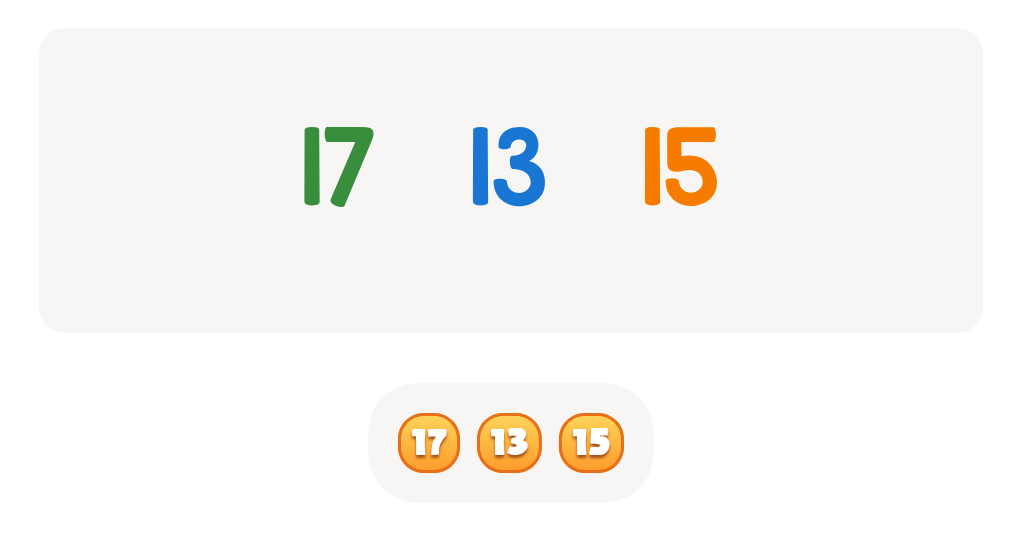
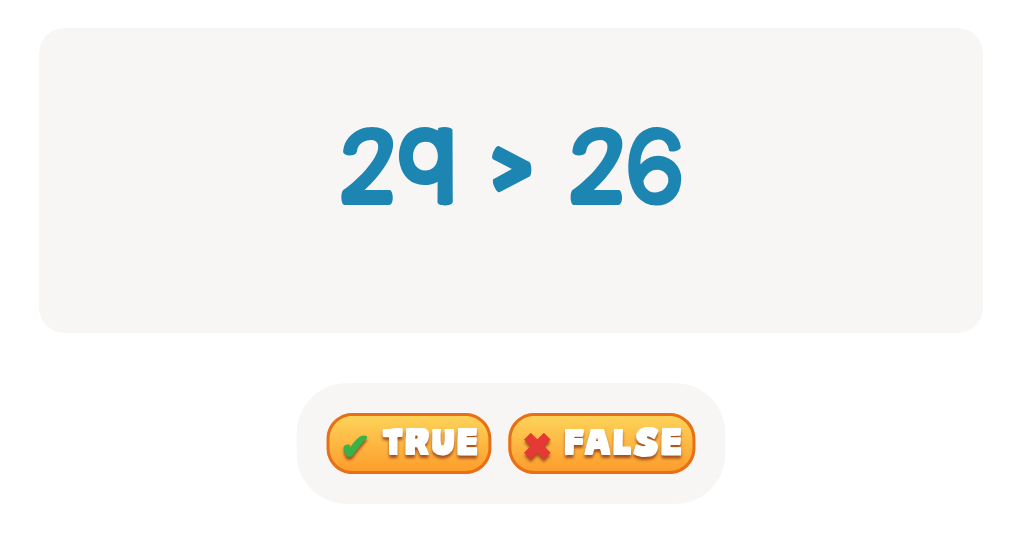
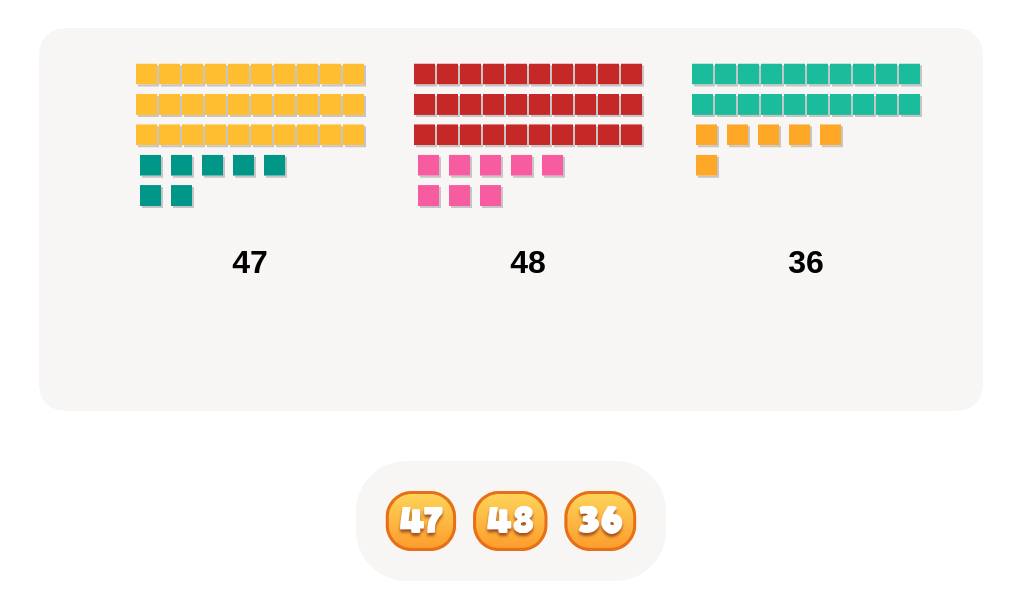
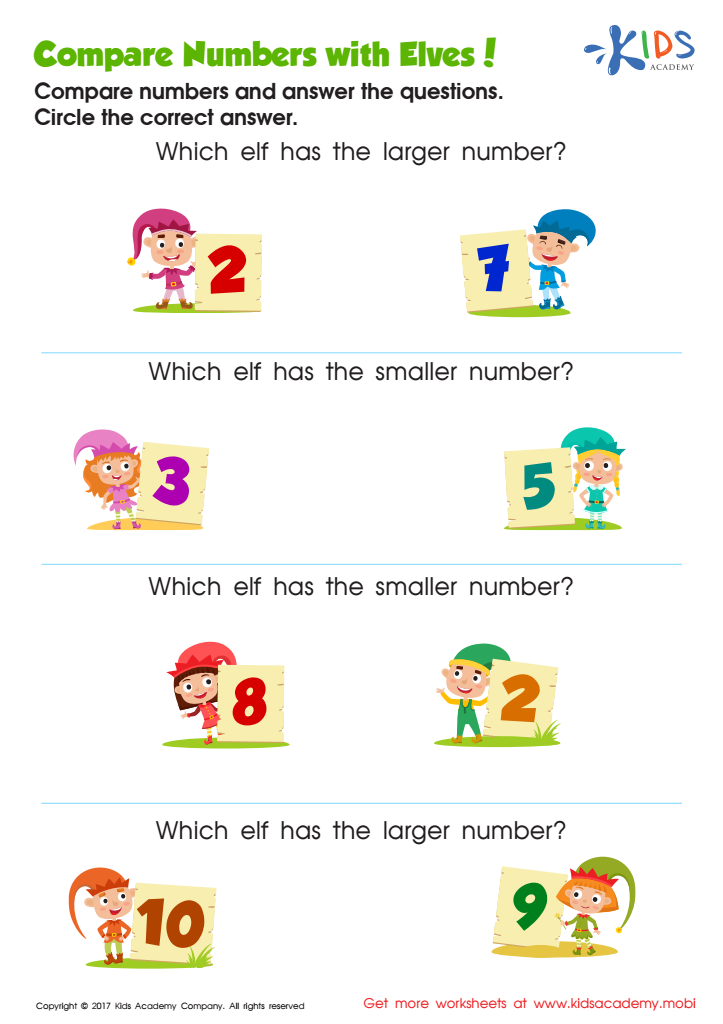
Comparing Numbers Worksheet for Kindergarten
Your child will love helping Santa's elves compare numbers with this fun worksheet for kindergarten! They must determine which number is bigger or smaller then circle the answer. It's a great activity for Christmas or any time!
Comparing Numbers Worksheet for Kindergarten
Worksheet
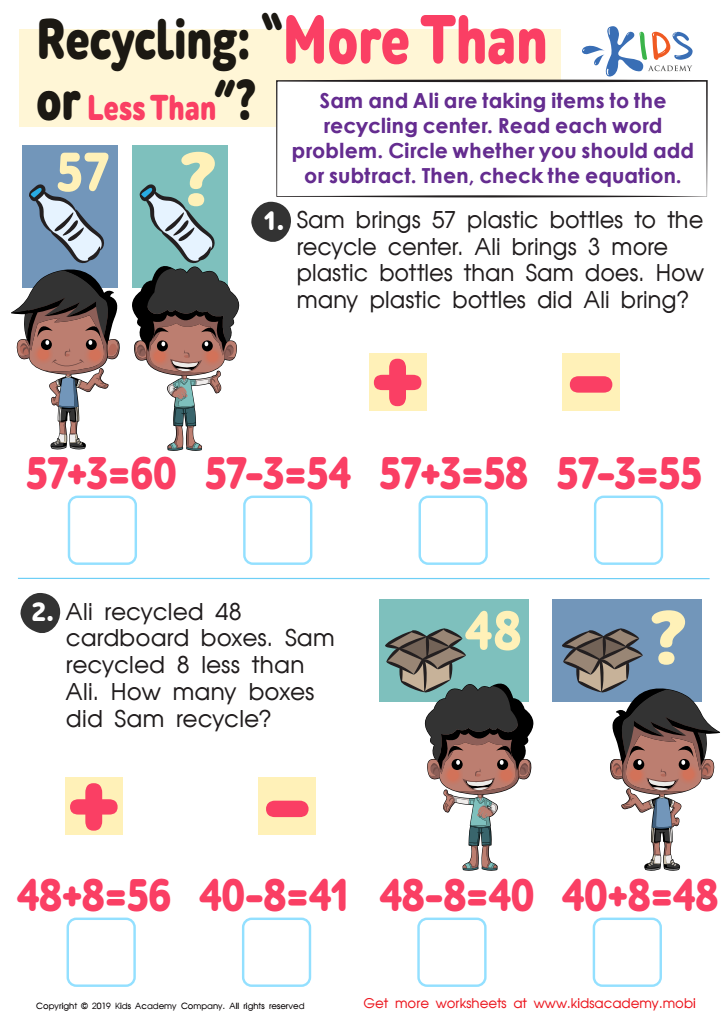
Recycling - More or Less Worksheet
Your child can compare numbers and solve word problems with this free worksheet. Help them understand what's being asked as Sam and Ali take items to the recycling center. They can choose the correct equation to match the word problem and apply their skills in reading and pulling out the appropriate information.
Recycling - More or Less Worksheet
Worksheet
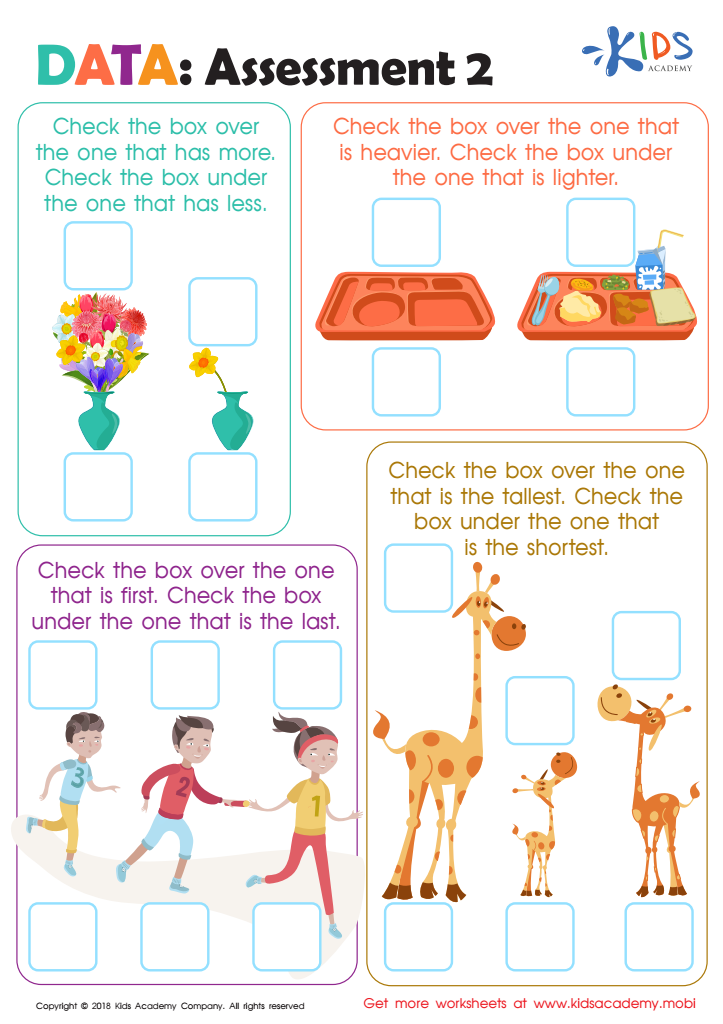
Data: Assessment 2 Worksheet
This printable worksheet tests students' understanding of words related to quantity and measurement, such as "more", "less", "heavy", "light", "first", "last", "tall", and "short". It helps children compare and contrast when solving measurement problems. Ideal for math classes, it encourages students to gain the essential skills needed in subjects like math, science, and reading.
Data: Assessment 2 Worksheet
Worksheet
Join Kids Academy for Free
Who is primarily going to use this learning content?








Basic math skills, including the ability to compare numbers, play a pivotal role in a child's cognitive development and academic success. For 5-year-olds, mastering these skills is critical as it lays the foundation for more complex mathematical concepts they will encounter in later years.
Firstly, comparing numbers helps young children develop a fundamental understanding of numerical value and order. By learning to differentiate between larger and smaller quantities, they acquire the ability to recognize patterns, which is essential for problem-solving and logical reasoning. This skill is not only useful for math but also for daily tasks such as following schedules, measuring ingredients, and even managing time.
Secondly, early proficiency in comparing numbers enhances a child's confidence in their math abilities. When children can successfully identify which numbers are larger or smaller, they build a positive association with math, which can reduce anxiety and foster a growth mindset. It encourages persistence and resilience, qualities that are beneficial across all areas of learning.
Lastly, parents and teachers who emphasize basic math skills help ensure that children are well-prepared for kindergarten and beyond. These foundational skills are predictors of future academic performance and are crucial for meeting the benchmarks set by educational curricula. By prioritizing number comparison, parents and teachers contribute to a child's long-term academic and personal success.








