Handwriting Skills Math Worksheets for 5-Year-Olds
5 filtered results
-
From - To
Enhance your 5-year-old's handwriting skills with our engaging Math Worksheets! Designed specifically for early learners, these worksheets cleverly combine foundational math concepts with handwriting practice. Children will develop fine motor skills as they trace numbers and practice writing basic math problems, ensuring they learn crucial numeracy skills while perfecting their penmanship. Each worksheet is colorful and interactive, keeping young learners interested and motivated. Plus, our user-friendly interface makes it easy for parents and teachers to print worksheets for home or classroom use. Start your child's journey to confident writing and math proficiency today with our fun and educational resources!
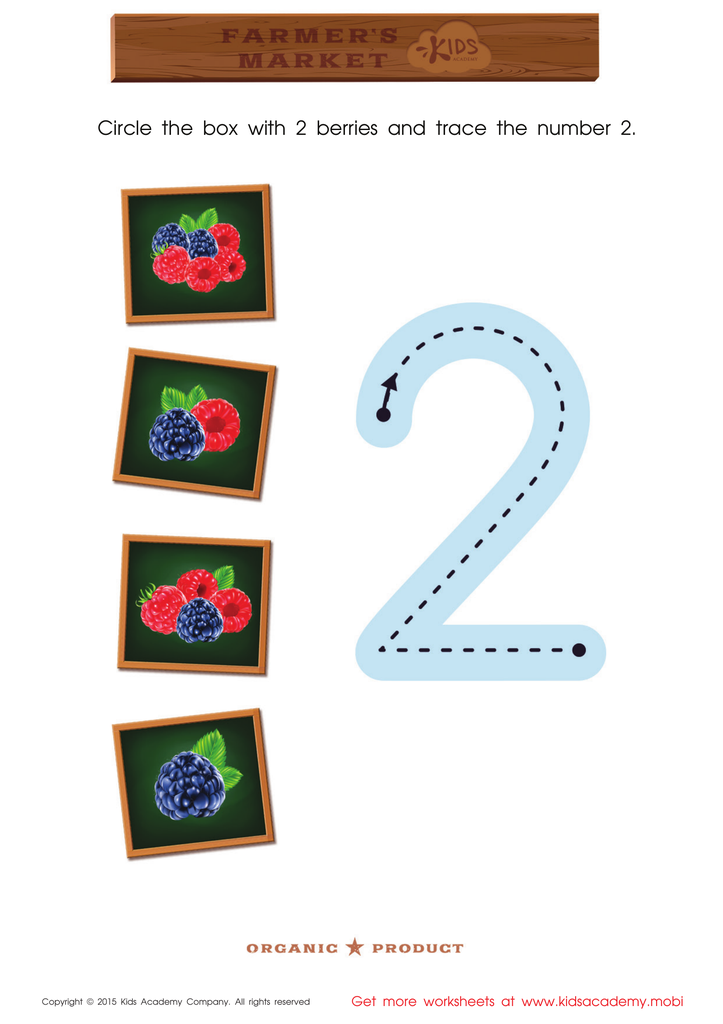
Count the Berries and Trace the Number 2 Printable
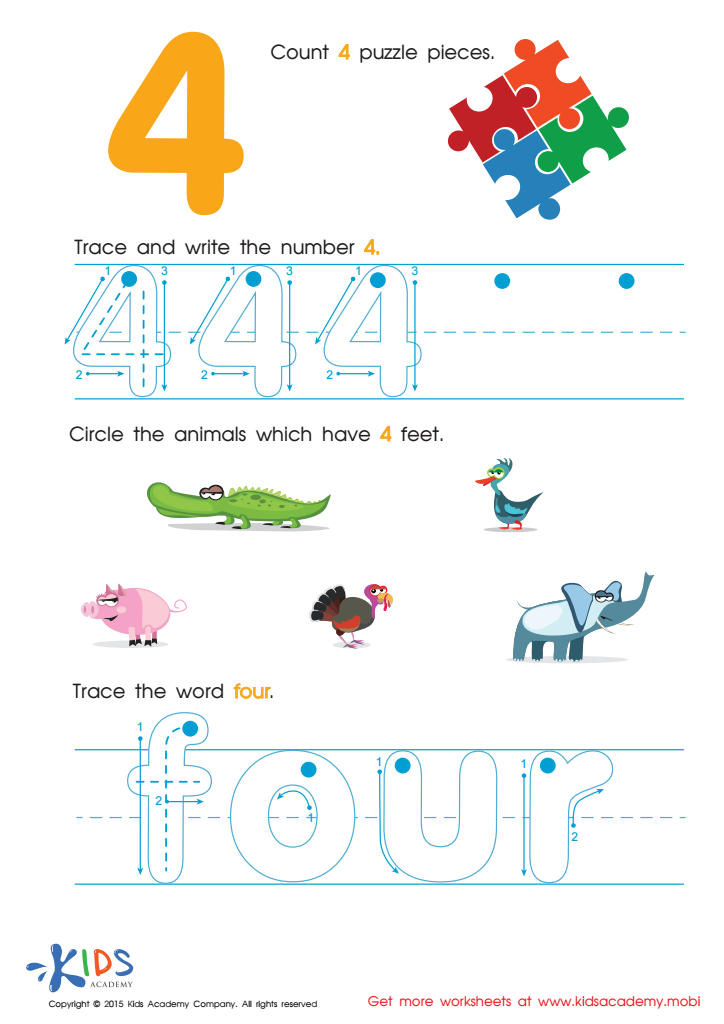
Teaching Children to Write Number 4 Worksheet
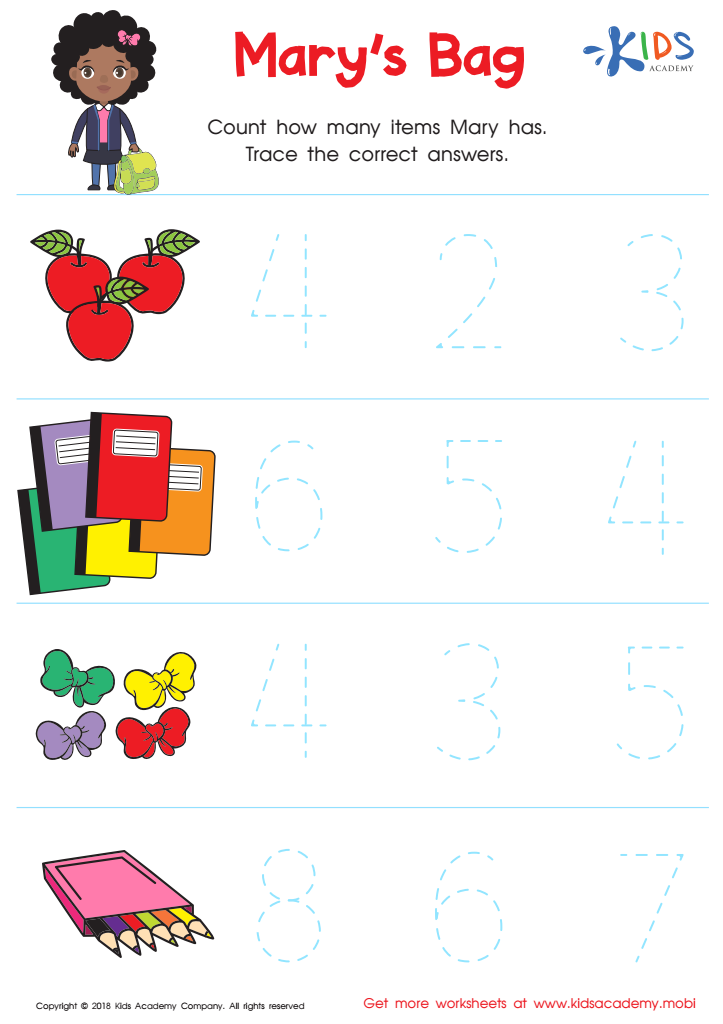
Kindergarten Number Tracing: Mary's Bag Worksheet
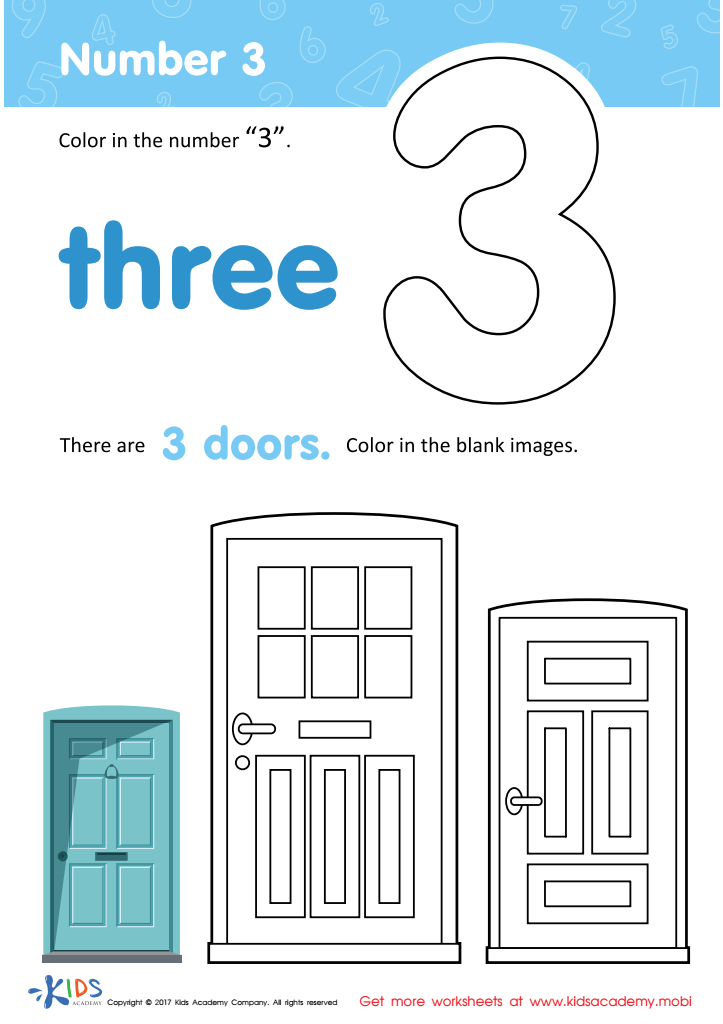
Number 3 Worksheet
 Assign to My Students
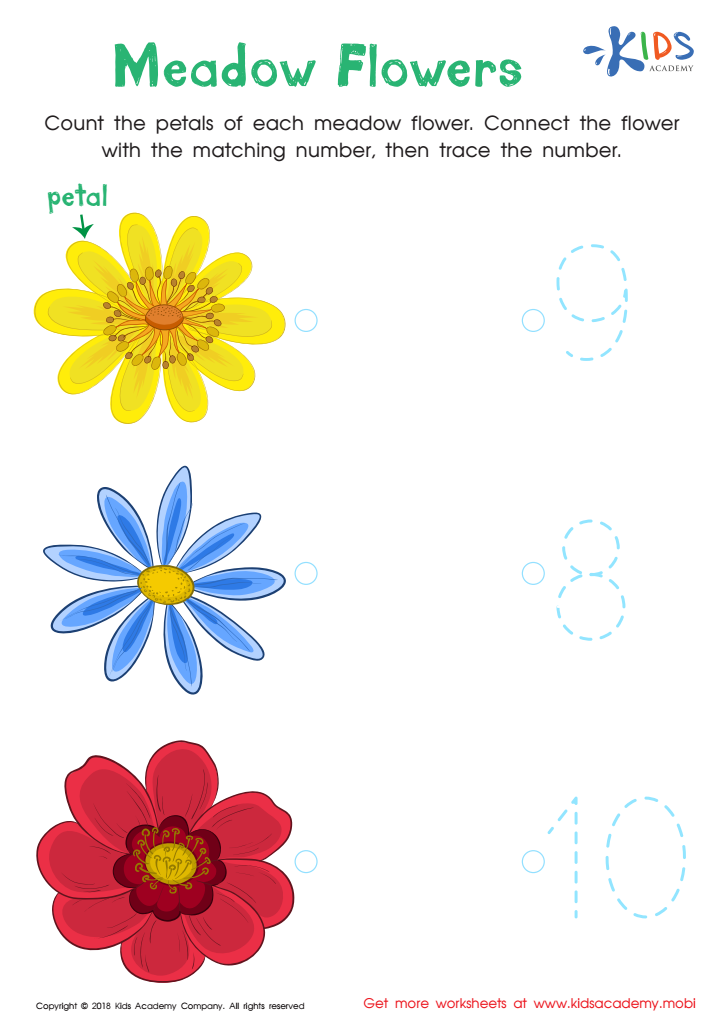
Kindergarten Number Tracing: Medow Flowers Worksheet







Handwriting skills in young children, particularly in connection with math, form a critical foundation for their overall development. For 5-year-olds, developing fine motor skills through handwriting enhances their ability to grasp and manipulate writing tools, positively impacting their literacy and numeracy. When children learn to write numbers clearly, it aids in their understanding of mathematical concepts such as counting, comparison, and simple addition or subtraction.
Moreover, organizing thoughts in a written format helps children process information more effectively, increasing their confidence as they approach math problems. Strong handwriting skills promote neatness and clarity, which are essential for understanding calculations and retaining information.
Teachers and parents should also recognize that the act of writing engages both cognitive and creative processes. It encourages children to visualize numbers and their relationships, enhancing their critical thinking capabilities. When students engage in writing for math—like creating number sentences or labeling their drawings—they gain cooperative skills by sharing their thought processes, leading to better communication.
Ultimately, fostering effective handwriting skills in math not only supports academic performance but also equips children with lifelong tools for learning, problem-solving, and expressing their ideas confidently. Prioritizing this skill sends a strong message about the importance of building strong foundations in learning.








