Logical thinking development Math Worksheets for 5-Year-Olds
5 filtered results
-
From - To
Explore our engaging Logical Thinking Development Math Worksheets designed specifically for 5-year-olds. These interactive worksheets enhance critical thinking skills through fun, age-appropriate activities that encourage problem-solving and pattern recognition. Each worksheet is crafted to boost cognitive abilities while keeping young learners entertained. From puzzles to matching games, our resources foster a strong mathematical foundation, preparing children for future academic success. Perfect for home or classroom use, these worksheets support early math learners in developing essential logical thinking skills. Help your child become a confident thinker while enjoying the learning process with our thoughtfully designed worksheets!
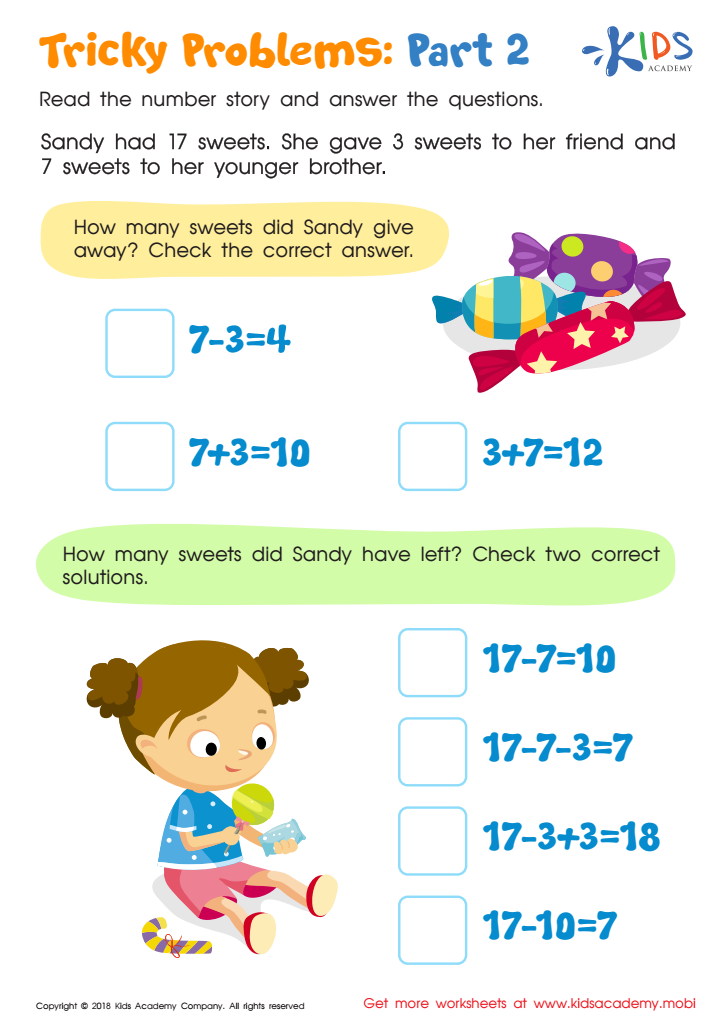
Tricky Problems Worksheet: Part 2
 Assign to My Students
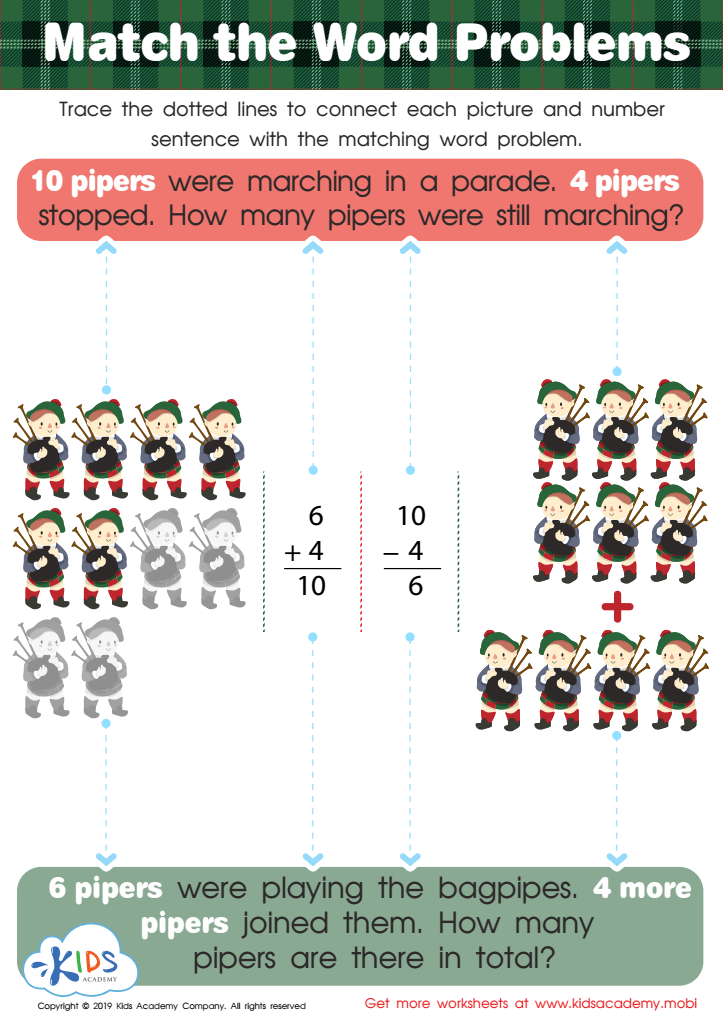
Match the Word Problems Worksheet
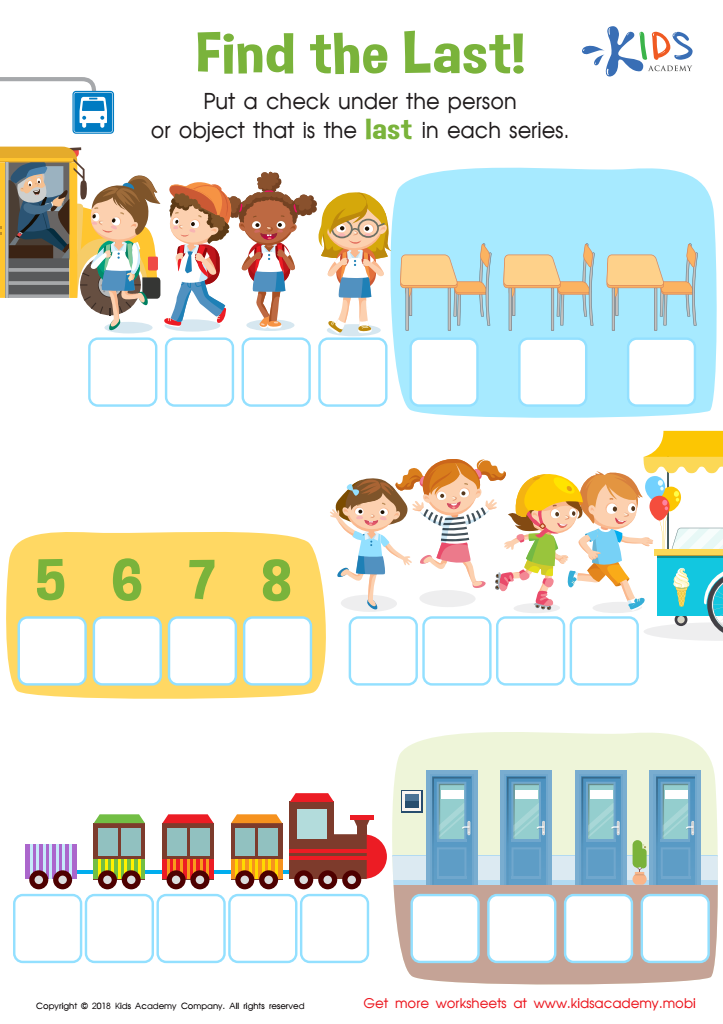
Find the Last! Worksheet
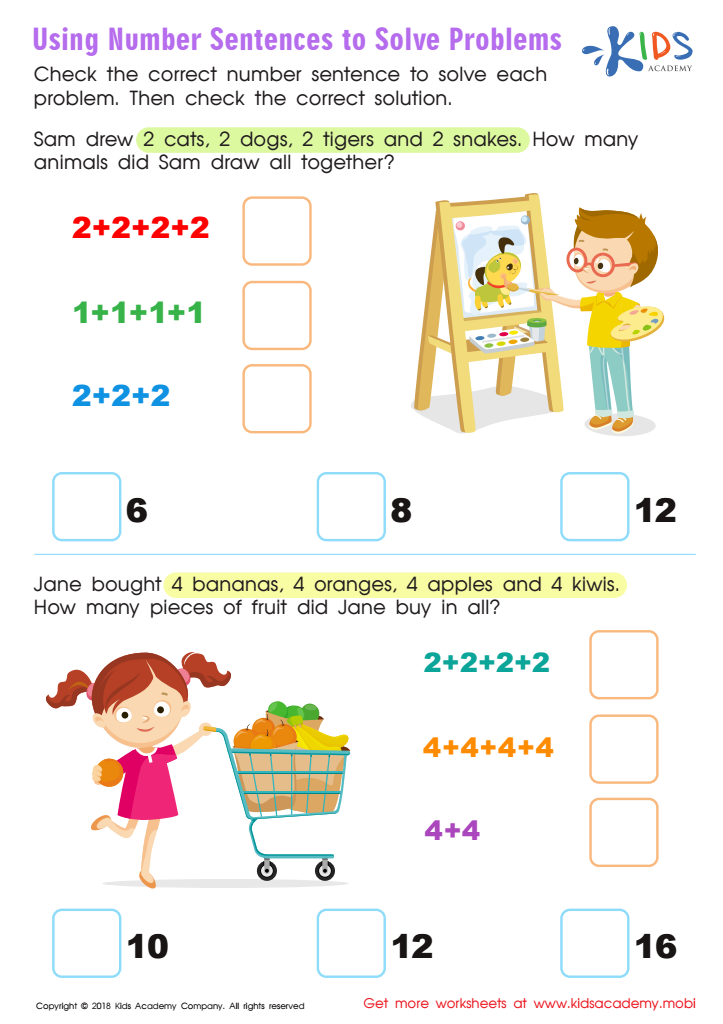
Using Number Sentences to Solve Problems Worksheet
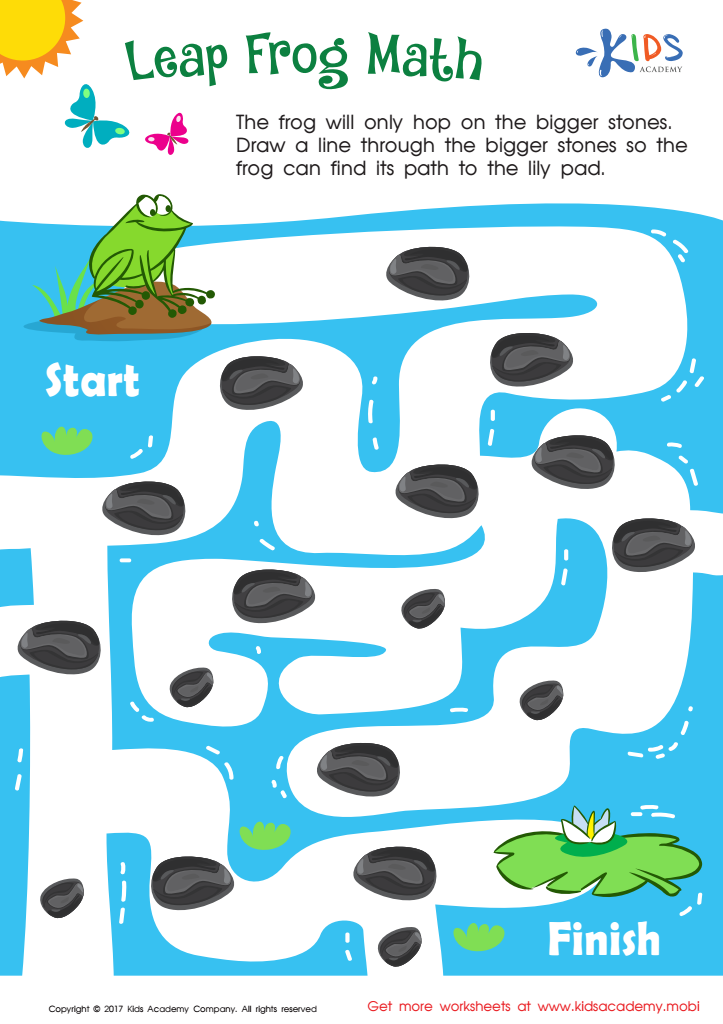
Math Puzzle Worksheet




.jpg)



Fostering logical thinking skills through math for 5-year-olds is crucial for their cognitive and social development. At this age, children are naturally curious and eager to explore patterns, relationships, and problem-solving, all fundamental elements of math. Engaging in logical thinking activities enhances their reasoning skills, enabling them to analyze situations and make informed decisions in various aspects of life.
Parents and teachers should care about this development as it lays the groundwork for future academic success. Strong logical thinking abilities not only boost math competence but also contribute to literacy, science, and critical thinking skills. Early exposure to math concepts through play, puzzles, and everyday problem-solving encourages creativity and resilience, as children learn to approach challenges with confidence.
Moreover, logical thinking helps children improve their emotional and social skills by understanding others’ perspectives and collaboratively working through problems. By creating an environment that emphasizes the importance of logical reasoning, adults can nurture lifelong learners who are equipped to tackle complex issues and adapt to changing circumstances.
Investing time in the development of logical thinking through math cultivates inquisitive, analytical children ready to thrive academically and socially. Thus, prioritizing this aspect of early education is a shared responsibility that benefits all stakeholders.








