Visual discrimination Matching Worksheets for 5-Year-Olds
3 filtered results
-
From - To
Discover our engaging Visual Discrimination Matching Worksheets designed specifically for 5-year-olds! These worksheets help young learners develop essential visual skills by encouraging them to identify and match similar images. Perfect for reinforcing observation, concentration, and distinction, our activities make learning fun while enhancing cognitive abilities. Each worksheet features vibrant graphics and age-appropriate challenges that keep children engaged and excited about learning. Whether at home or in the classroom, these resources are ideal for nurturing your child's ability to distinguish between visual details. Download our Visual Discrimination Matching Worksheets today and watch your child sharpen their skills in a creative way!
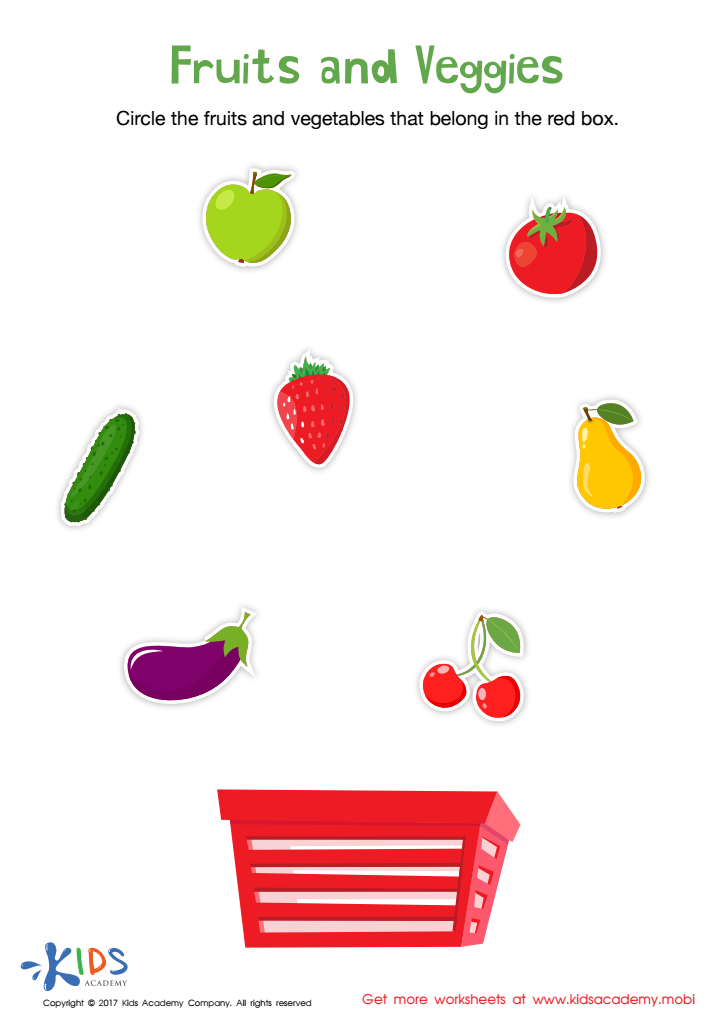
 Assign to My Students
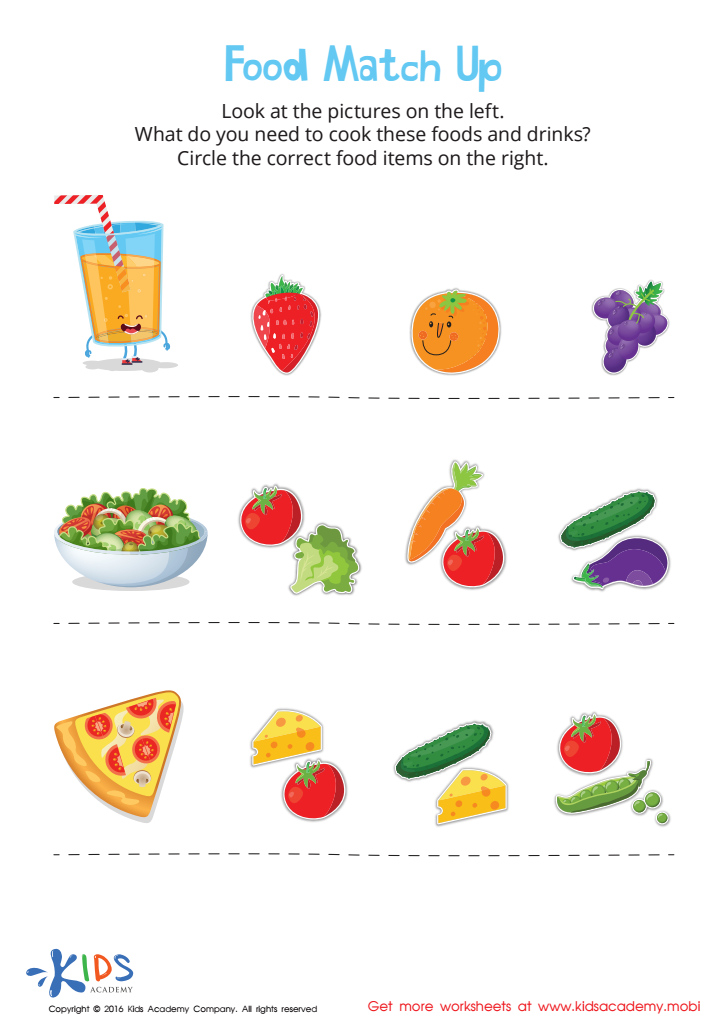
Food Match Up Worksheet
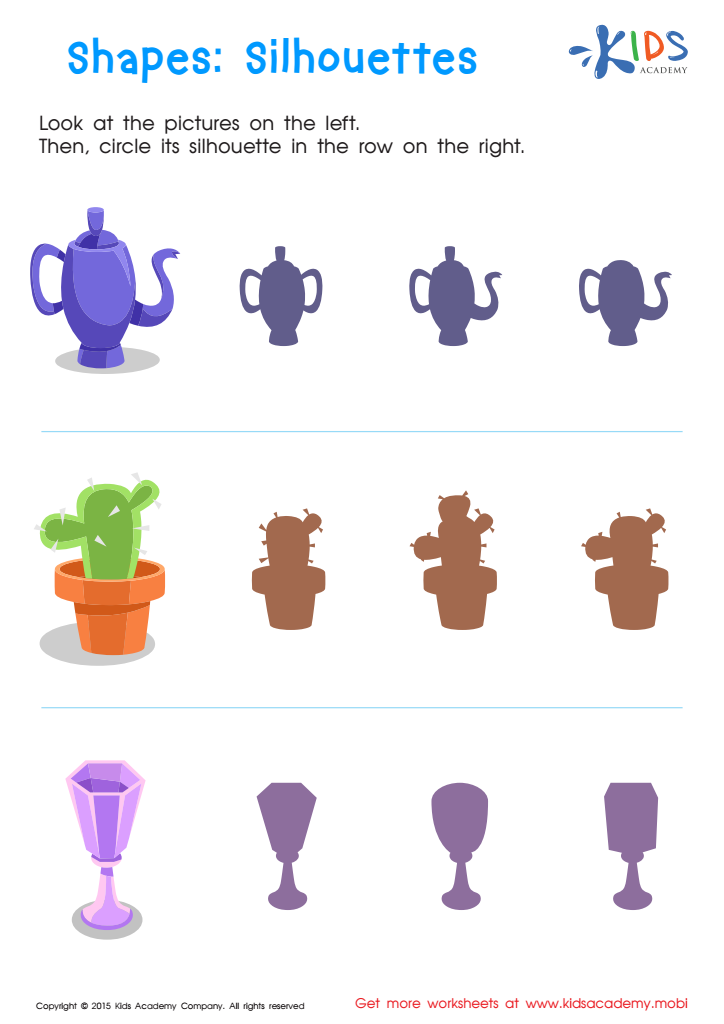
Silhouettes – Shapes Worksheet








Visual discrimination matching is a crucial skill for 5-year-olds as it lays the foundation for their cognitive and academic development. This ability refers to the capacity to recognize similarities and differences between shapes, colors, patterns, and objects. As children practice visual discrimination matching, they enhance their critical thinking, problem-solving, and categorization skills, essential components for success in reading and mathematics.
Parents and teachers should be particularly invested in nurturing this skill because it influences a child's ability to learn more complex tasks later. Early proficiency in visual discrimination can lead to improved reading skills, as children learn to identify letters and words that look alike. In mathematics, strong visual discrimination fosters number recognition and helps children compare quantities, which are fundamental for basic arithmetic.
Additionally, engaging in visually stimulating activities promotes age-appropriate social and emotional development through play. By prioritizing visual discrimination matching, caregivers and educators provide a valuable opportunity for students to build confidence, resilience, and a love for learning, setting them up for long-term academic success and positive classroom experiences. In summary, encouraging visual discrimination should be a strategic focus for parents and teachers supporting young learners.








