
Basic Math Skills Building Vocabulary Worksheets for 5-Year-Olds
7 filtered results
Difficulty Level
Grade
Age
-
From - To
Subject
Activity
Standards
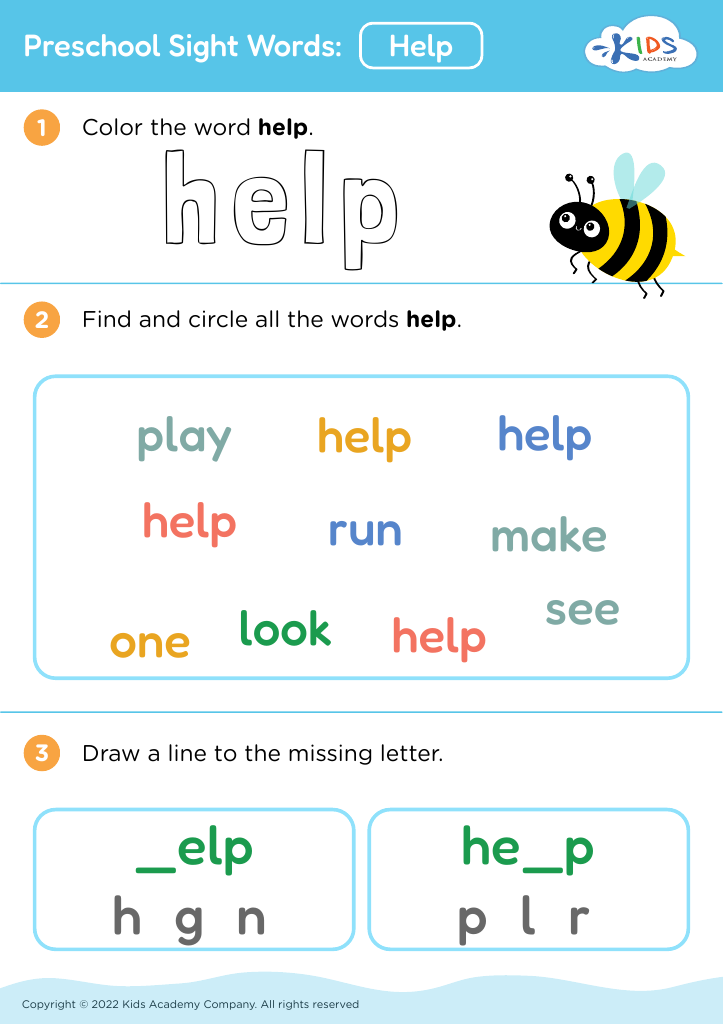
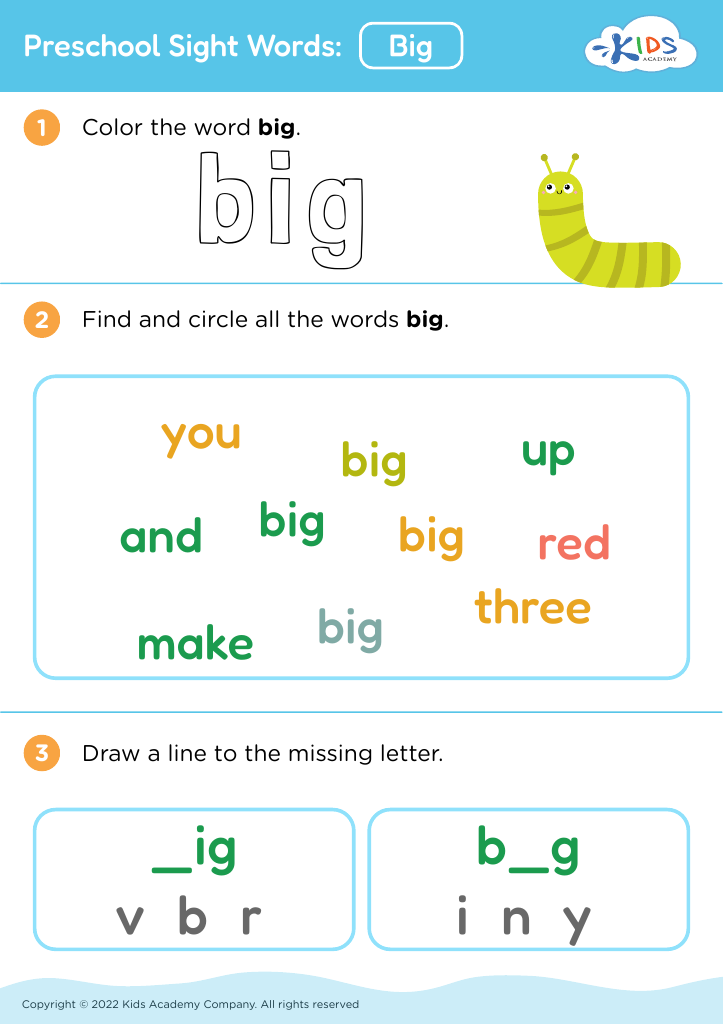
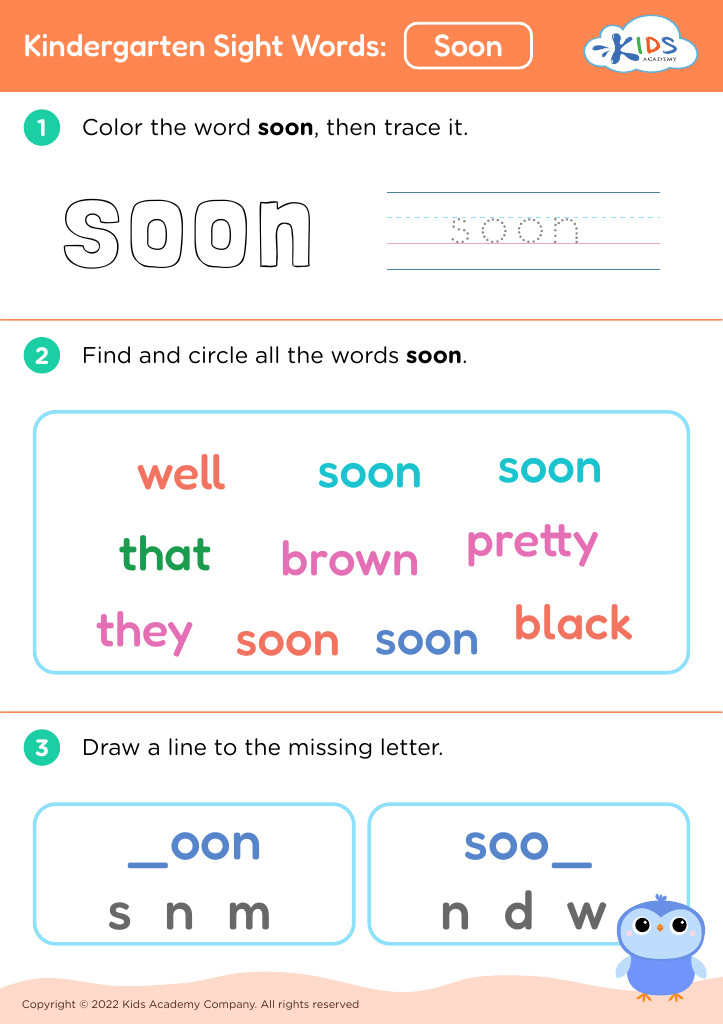
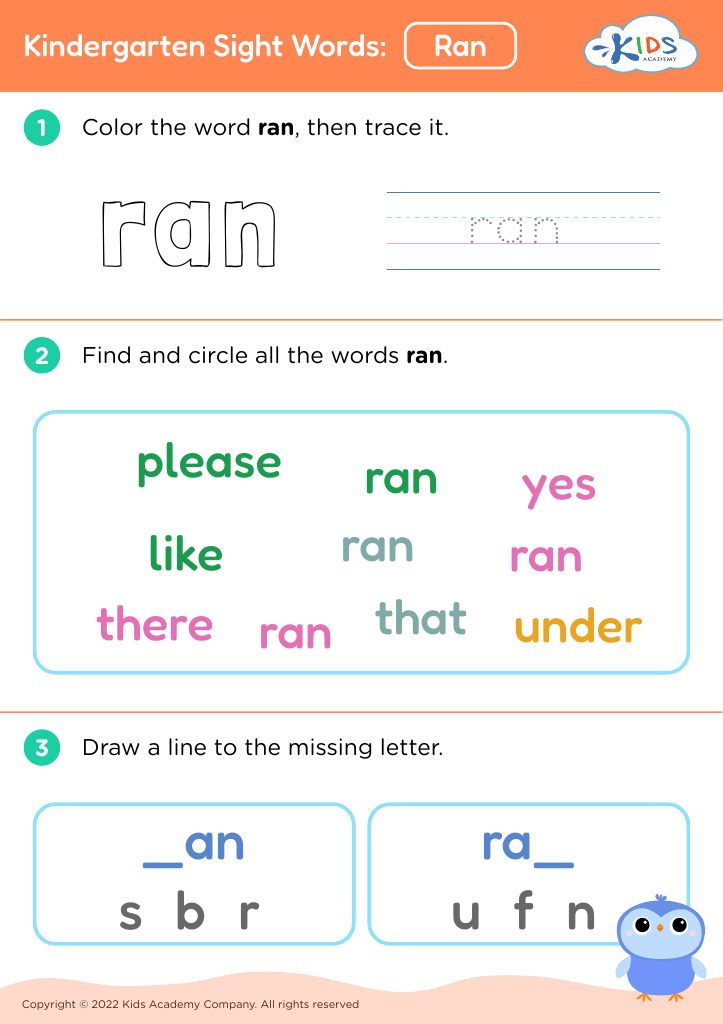
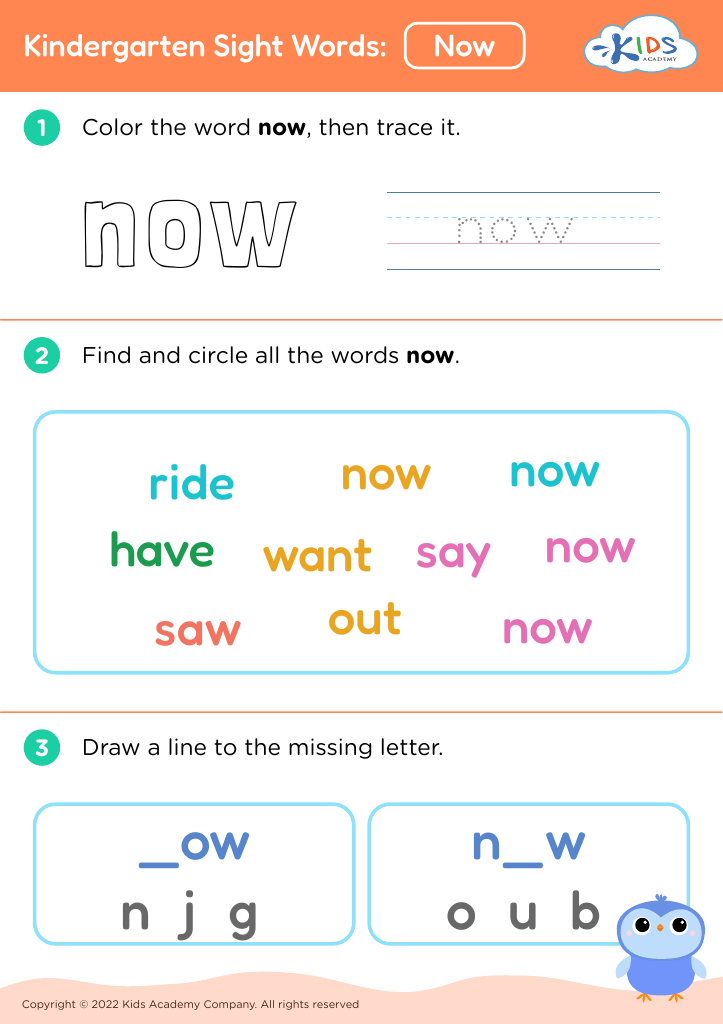
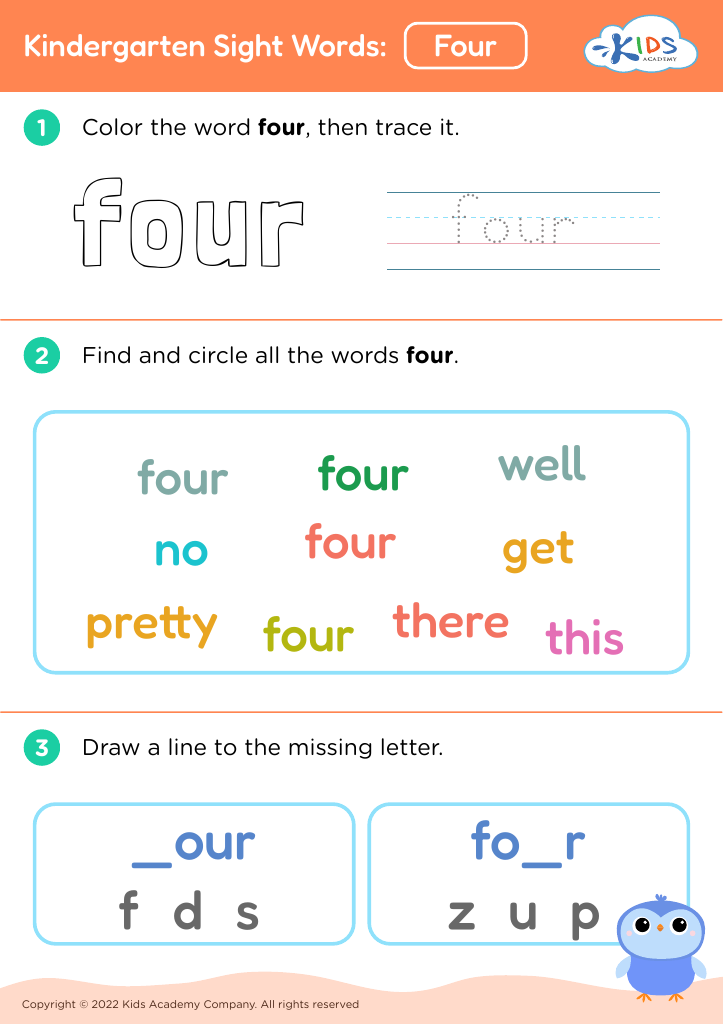
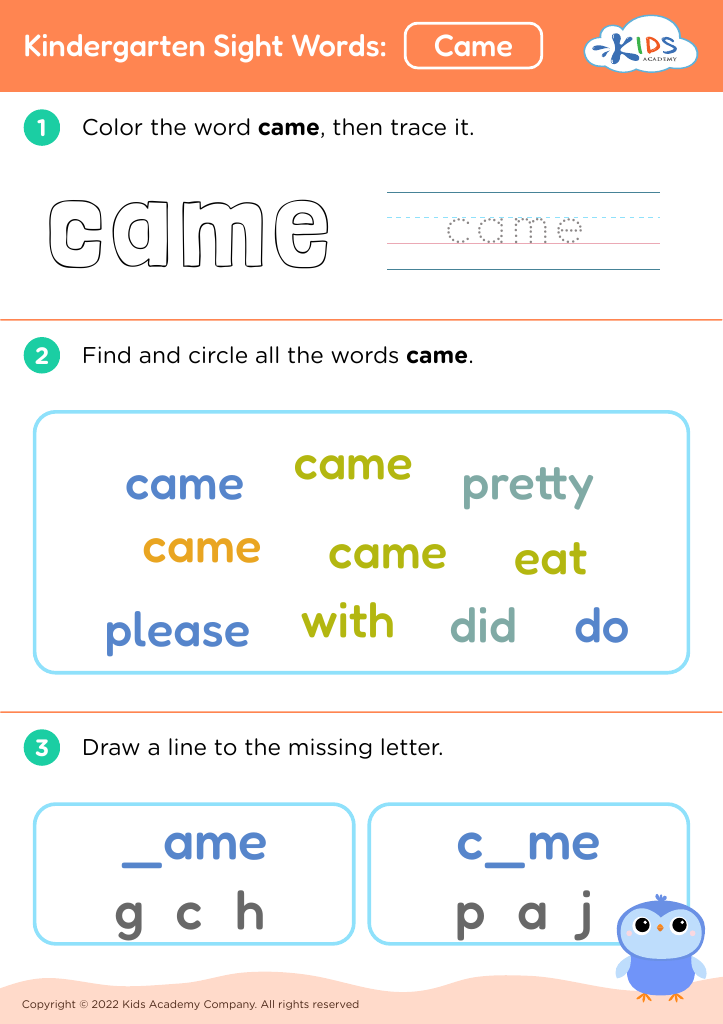
Welcome to our "Basic Math Skills Building Vocabulary Worksheets for 5-Year-Olds"! Designed specifically for early learners, these engaging worksheets help children grasp fundamental math concepts while building essential vocabulary. Each activity focuses on key skills such as counting, number recognition, shapes, and simple operations, all tailored to foster a love for math. With colorful illustrations and fun exercises, kids will enjoy learning at their own pace. Perfect for home or classroom use, these worksheets encourage exploration and critical thinking, setting a strong foundation for future math success. Start your child’s math journey today with our interactive resources!
Favorites
With answer key
Interactive











Join Kids Academy for Free
Who is primarily going to use this learning content?



.jpg)




Building a strong math vocabulary in 5-year-olds is crucial for their overall cognitive development and early education. At this age, children are not just learning numbers, but also the language that describes mathematical concepts and relationships. Understanding terms like "more," "less," "equal," "add," and "subtract" lays the foundation for future learning.
Parents and teachers play a pivotal role in this vocabulary building. When children can articulate their mathematical thinking, they enhance their problem-solving skills, develop a love for learning, and become more engaged in structured activities. Early exposure to math language helps children connect their everyday experiences with mathematical concepts—such as counting objects during play or measuring ingredients in the kitchen—which makes learning more meaningful.
Additionally, a solid math vocabulary boosts confidence. It allows children to express their thoughts clearly during group activities or discussions, fostering social interactions and participation. Moreover, these foundational skills set the stage for advanced mathematical concepts later in school. By caring about and actively promoting math vocabulary, parents and teachers are not only supporting academic achievement but also nurturing critical thinking skills in their children. Hence, prioritizing math vocabulary is an investment in a child's lifelong learning experience.








