Counting practice Building Vocabulary Worksheets for 5-Year-Olds
3 filtered results
-
From - To
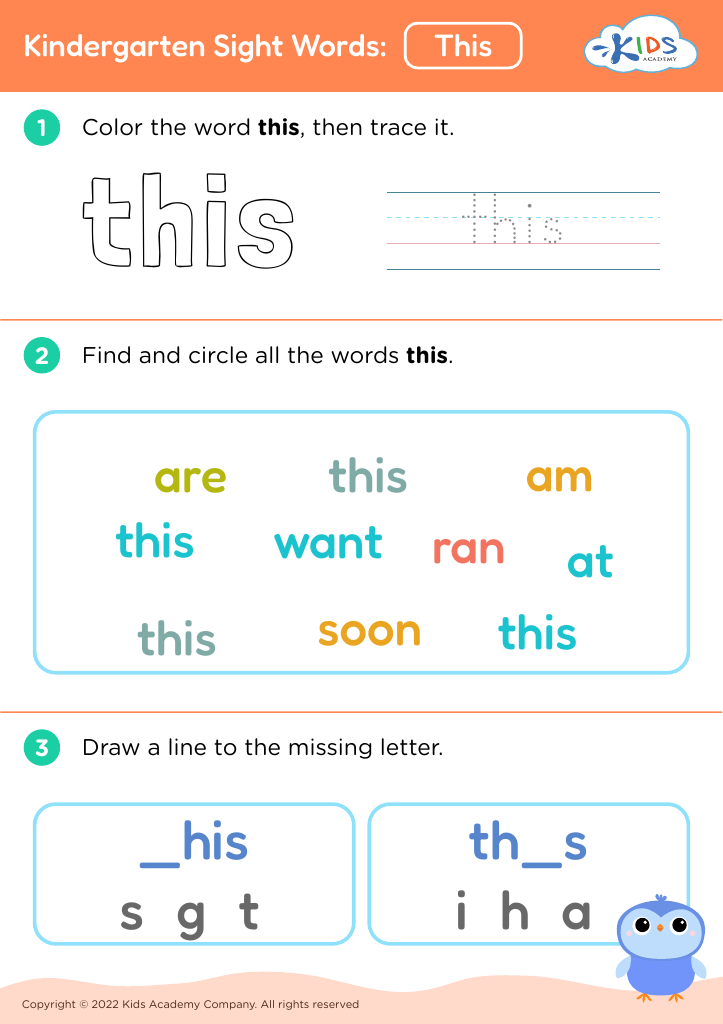
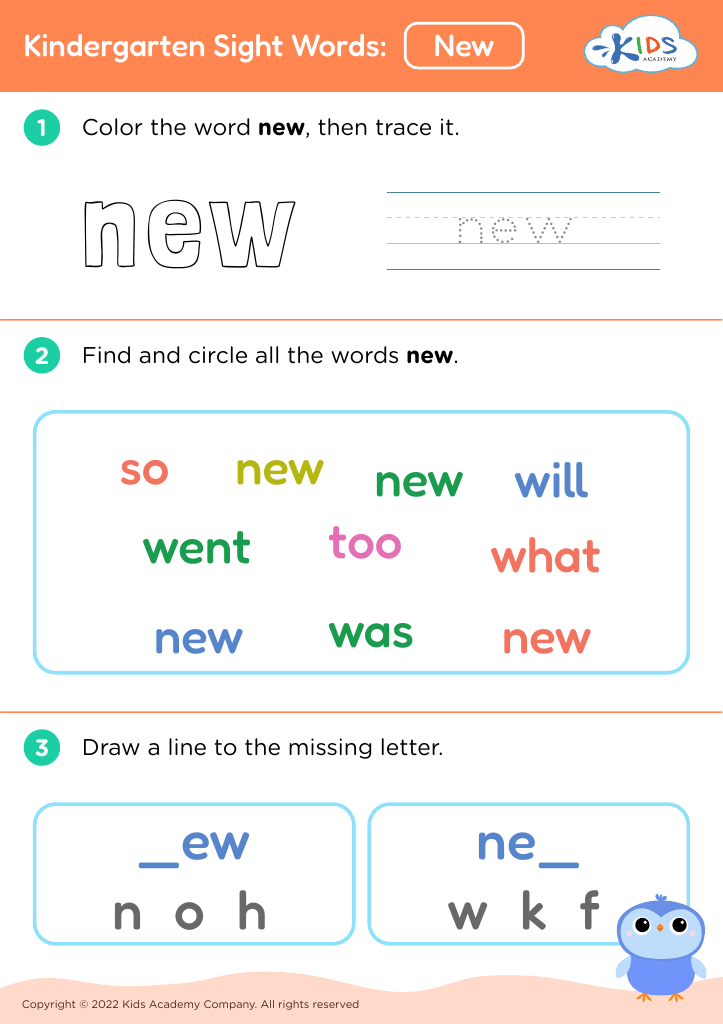
Our Counting Practice Building Vocabulary Worksheets for 5-Year-Olds effortlessly combine fun and learning. Specially designed for kindergarteners, these worksheets nurture foundational math skills by engaging young minds in counting exercises. Each page offers vibrant images and themed activities, transforming number practice into an enjoyable experience. This approach not only boosts counting fluency but also enhances vocabulary through carefully chosen concepts and words. Ideal for early learners, these worksheets support the development of essential reading and math skills, ensuring a smooth transition into more complex topics. Equip your child with the tools needed for academic success with our comprehensive and engaging resources!
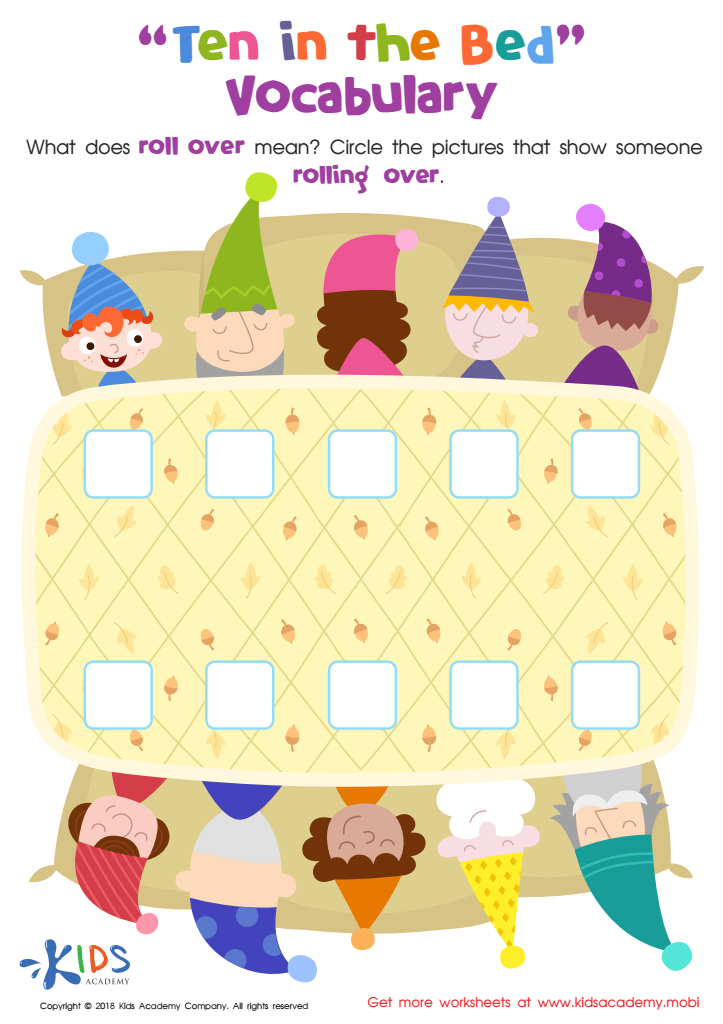
Ten in the Bed: Vocabulary Worksheet
 Assign to My Students













.jpg)




Parents and teachers should prioritize counting practice and vocabulary building for 5-year-olds because these foundational skills set the stage for academic and life success. At this age, children's brains are highly receptive to learning, and early exposure to these concepts can have lasting benefits.
Counting practice is crucial because it helps young children develop numerical understanding and problem-solving skills. By regularly engaging in counting activities, children learn to recognize numbers, understand quantity, and grasp the concept of order. These skills are not only essential for future math learning but also for everyday tasks like following instructions and organizing objects.
Simultaneously, building vocabulary at this age enhances children's language skills, enabling them to express themselves clearly and understand others. A rich vocabulary supports reading comprehension, critical thinking, and communication abilities. When children are exposed to a wide range of words, they become better equipped to describe their experiences, ask questions, and engage in conversations, fostering both social and academic development.
Combining counting practice with vocabulary building enriches children's early learning experience, making them more confident and capable learners. Parents and teachers who invest time in these activities provide children with essential tools that will support their educational journey and overall growth.








