Identifying shapes Building Vocabulary Worksheets for 5-Year-Olds
5 filtered results
-
From - To
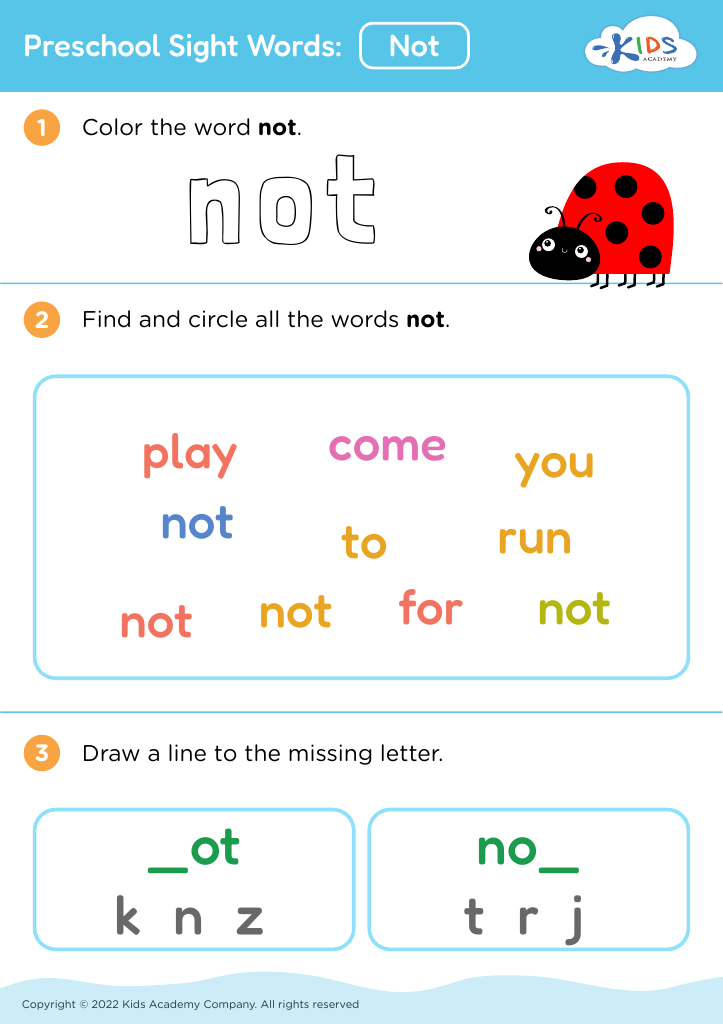
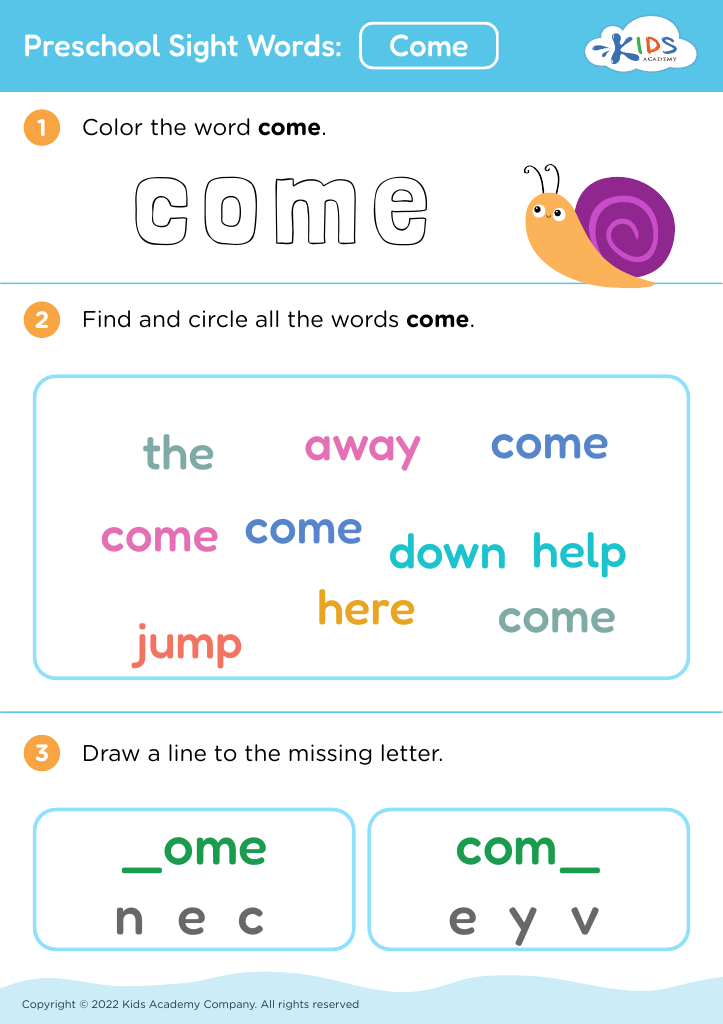
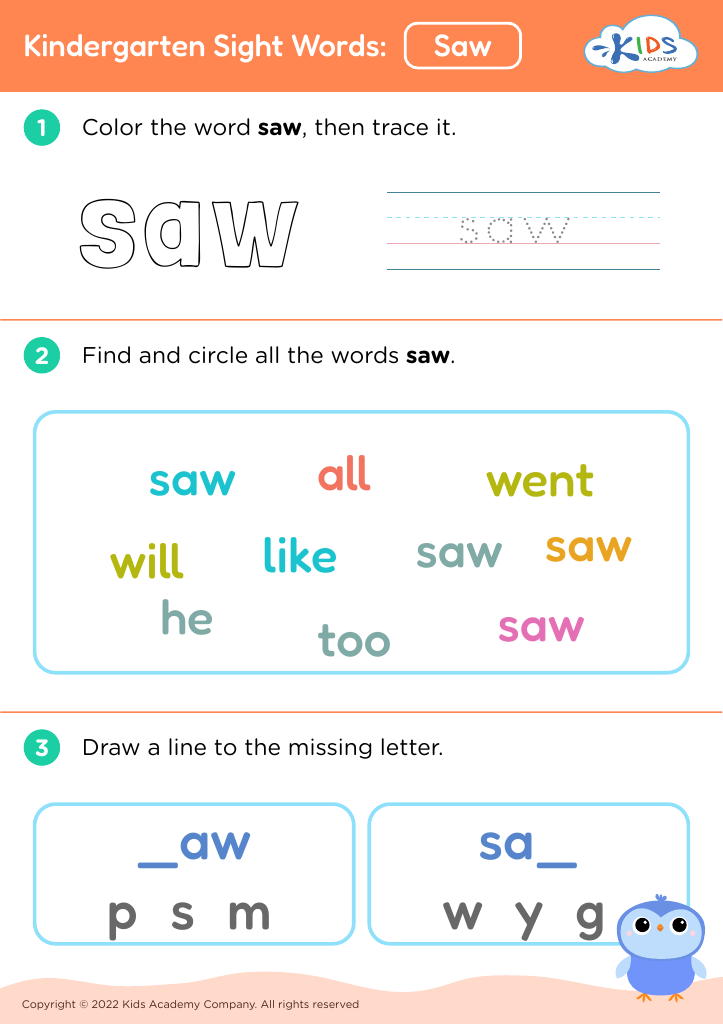
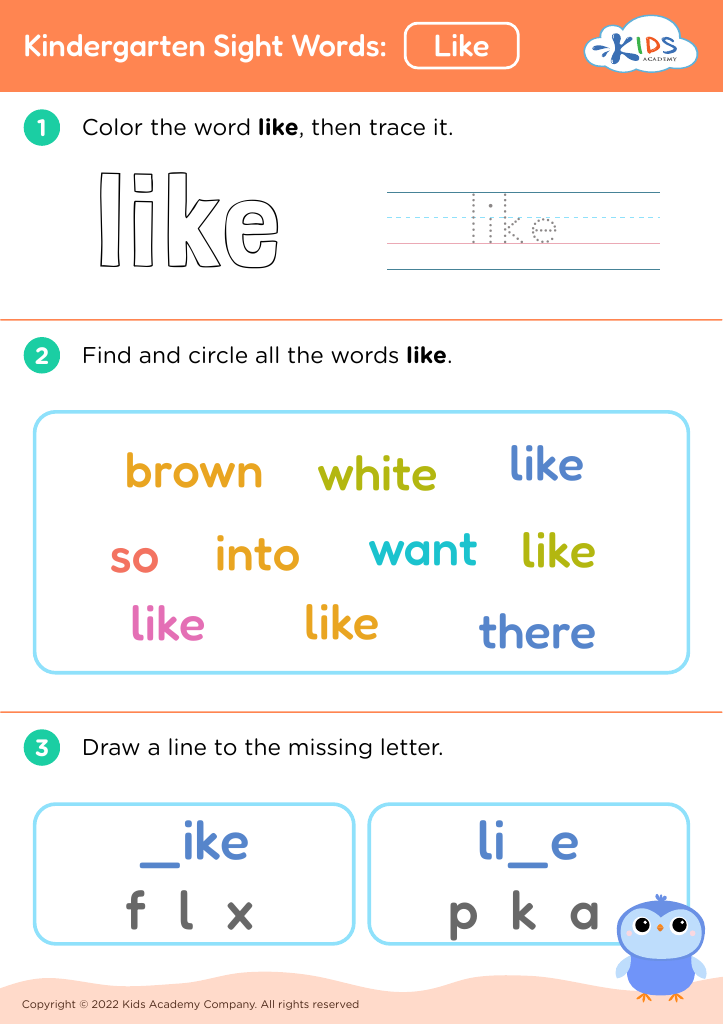
Discover our "Identifying Shapes Building Vocabulary Worksheets" designed specifically for 5-year-olds. These engaging resources help young learners explore various shapes while expanding their vocabulary. Each worksheet encourages children to recognize and name shapes through fun activities, such as matching, coloring, and drawing, making learning dynamic and interactive. Tailored for preschoolers, these activities not only boost shape recognition but also foster language skills, enabling kids to articulate what they see. Perfect for use in the classroom or at home, our worksheets provide an enjoyable way for children to learn and grow, laying a solid foundation for future learning adventures.











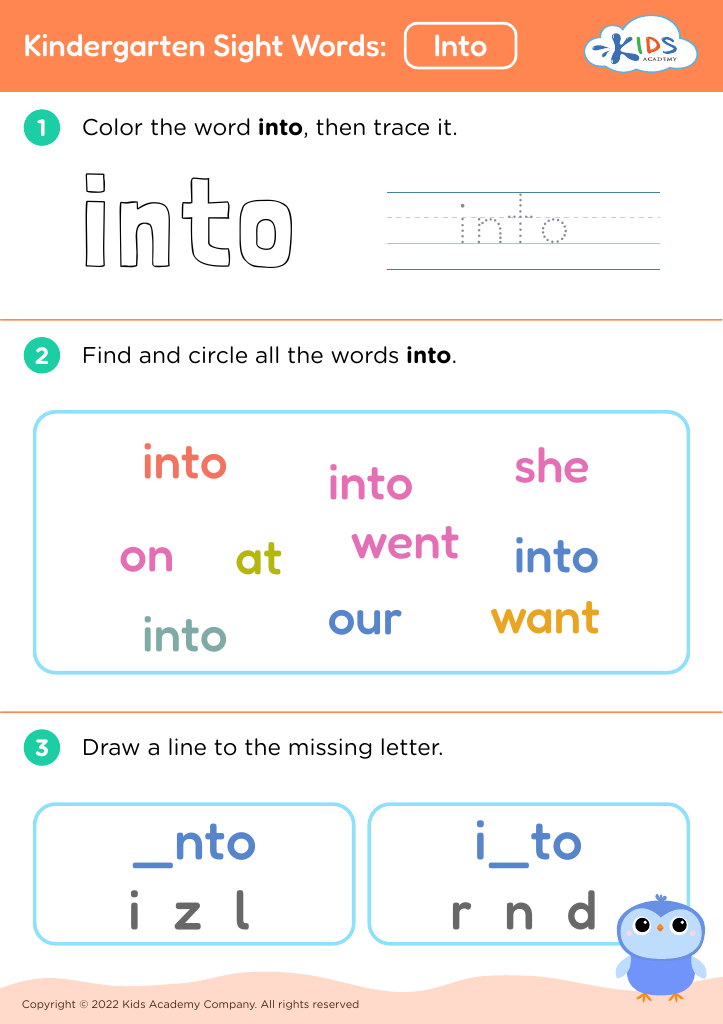








Identifying shapes and building vocabulary for 5-year-olds are crucial components of early childhood education that parents and teachers should prioritize. At this age, children are naturally curious and eager to learn about the world around them. Shape recognition enhances their cognitive development by helping them understand spatial relationships and characteristics of objects. This foundational knowledge not only supports math skills but also aids in scientific reasoning by teaching children how to categorize and analyze their environment.
Building vocabulary simultaneously enriches language skills, fostering effective communication and comprehension. Expanding their word bank empowers children to express their thoughts, ask questions, and engage in meaningful conversations. It encourages them to articulate their ideas related to shapes, such as “round,” “triangle,” and “rectangle,” fostering connections between language and visual concepts.
Furthermore, these skills are interrelated; for instance, when children describe the attributes of shapes, they simultaneously practice their vocabulary. Collaborative activities that involve shape recognition and descriptive language create opportunities for social interaction, boosting confidence and cooperation.
In summary, investing in identifying shapes and vocabulary not only nurtures key cognitive and linguistic skills but also shapes a child’s ability to communicate and connect with their surroundings effectively, paving the way for lifelong learning.








