Vocabulary development Building Vocabulary Worksheets for 5-Year-Olds
5 filtered results
-
From - To
Unlock the door to endless learning with our Vocabulary Development Building Vocabulary Worksheets for 5-Year-Olds! Designed to inspire young minds, these engaging printable sheets introduce essential words and concepts through interactive activities. From matching pictures to words to simple game-like exercises, these worksheets make learning new vocabulary fun and effective. Tailored specifically for early readers, each worksheet helps to enhance reading comprehension, language skills, and confidence. Ideal for parents and educators striving to build a strong vocabulary foundation in their little learners. With our worksheets, watch your child's language skills flourish and their love for learning grow!
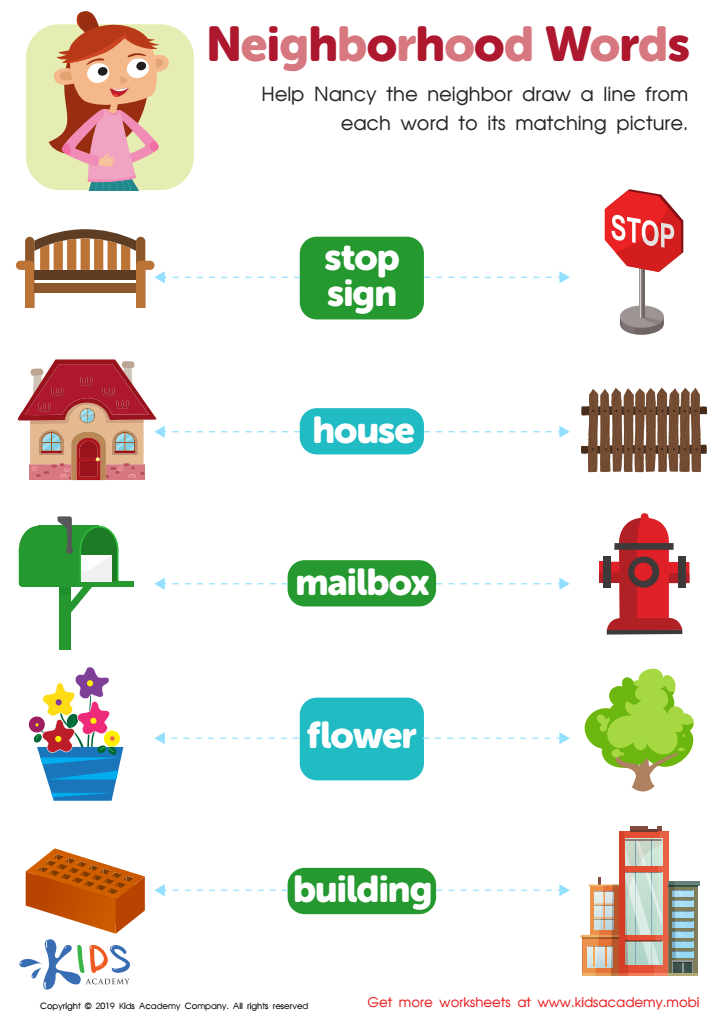
Neighborhood Words Worksheet
 Assign to My Students











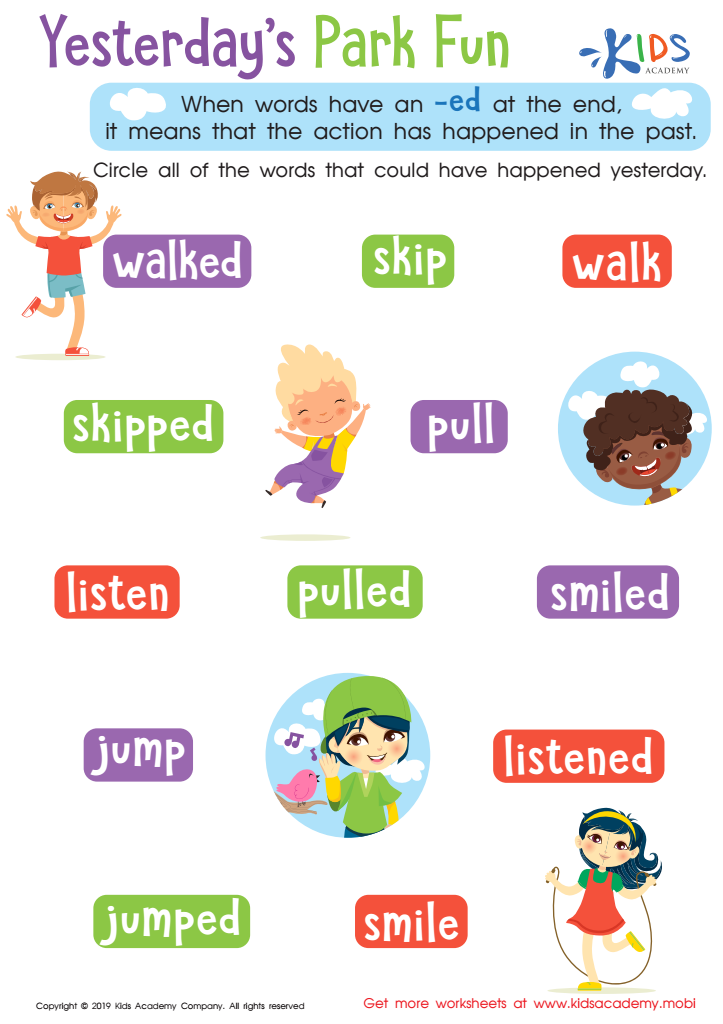
Yesterday's Park Fun Worksheet
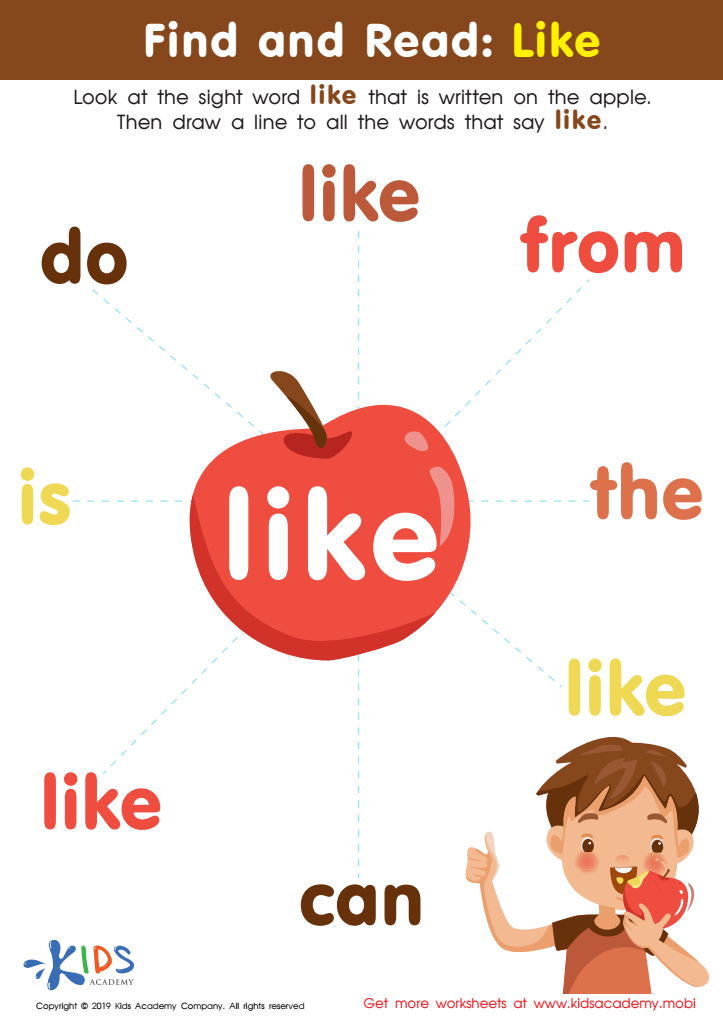
Find and Read: Like Worksheet
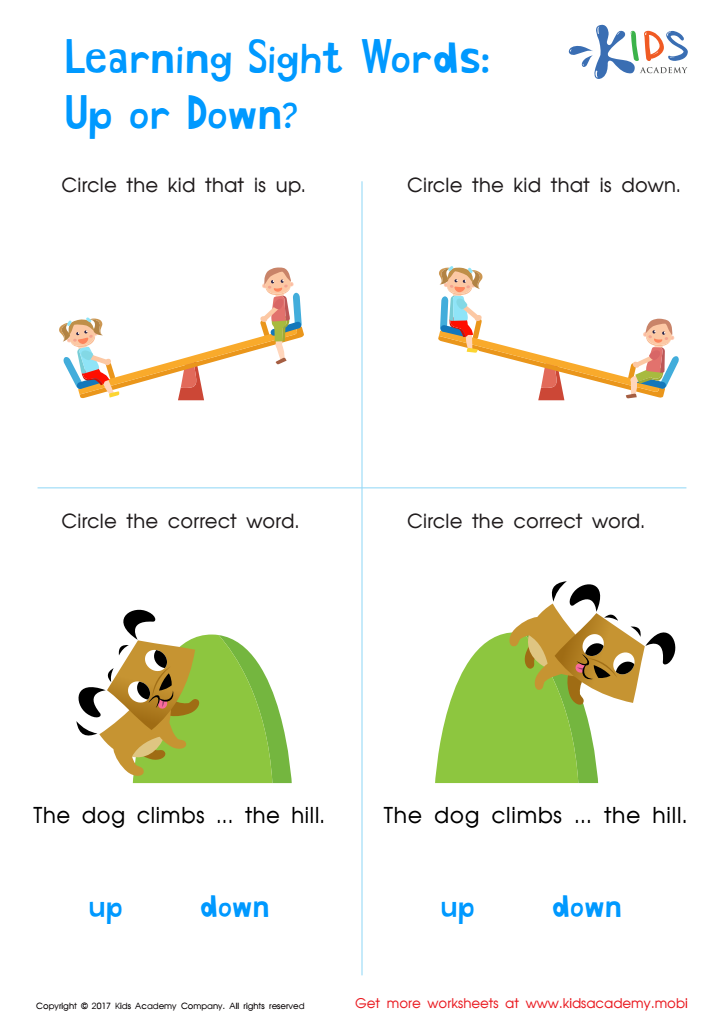
Up or Down Printable Sight Words Worksheet
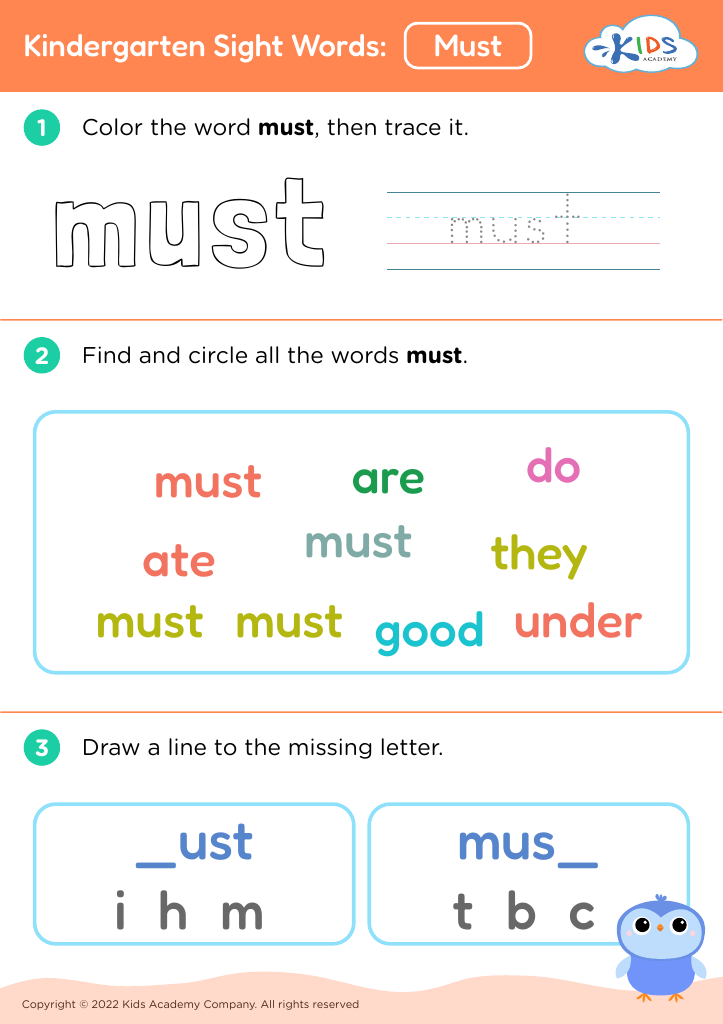








Vocabulary development is crucial for 5-year-olds as it lays the foundation for their future academic achievement and social interaction. At this age, children are rapidly expanding their language skills, and having a rich vocabulary helps them express their thoughts, feelings, and ideas more clearly. This enhances their ability to communicate effectively with both peers and adults, which is vital for social bonding and emotional development.
Moreover, a strong vocabulary aids in reading comprehension. When children can understand and recognize words, they are more likely to grasp the content of what they are reading, making learning more enjoyable and less frustrating. This sets the stage for a lifelong love of reading and learning. Studies have shown that children with a robust vocabulary perform better in school, not just in language arts but across all subjects, because they can better understand the instructions and content presented to them.
For teachers and parents, fostering vocabulary growth doesn't merely mean teaching new words; it involves creating a language-rich environment where children are encouraged to explore, ask questions, and engage in conversations. Activities like reading aloud, playing word games, and having meaningful discussions can greatly contribute to a child's vocabulary. Investing in vocabulary development now equips children with essential tools for successful communication and academic performance in the future.








