Reading comprehension Reading Non-Fiction Worksheets for 5-Year-Olds
5 filtered results
-
From - To
Jumpstart your child's reading journey with our engaging Non-Fiction Reading Comprehension Worksheets for 5-year-olds! Designed to ignite curiosity, these worksheets immerse young minds in the fascinating world of factual texts. Each worksheet is crafted to develop critical thinking and comprehension skills while providing fun, age-appropriate content. From exploring animal habitats to learning about community helpers, kids will build foundational knowledge and improve their reading confidence. Perfect for early learners, our printables make mastering non-fiction texts an enjoyable educational adventure. Start today and watch your child's understanding and love for reading grow!
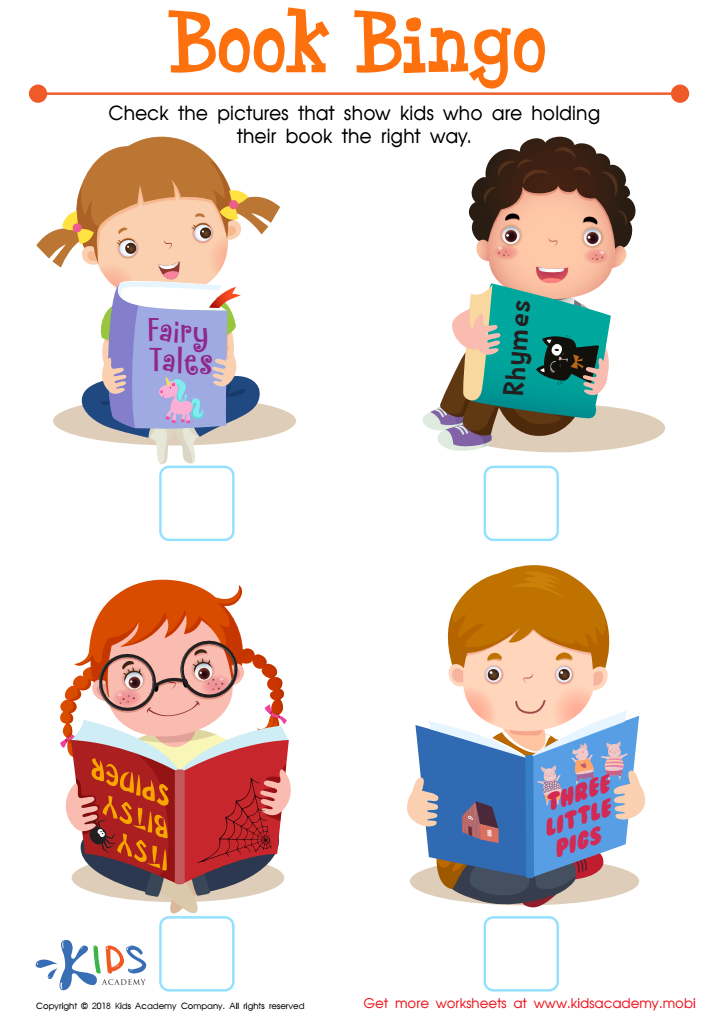
Book Bingo Worksheet
 Assign to My Students
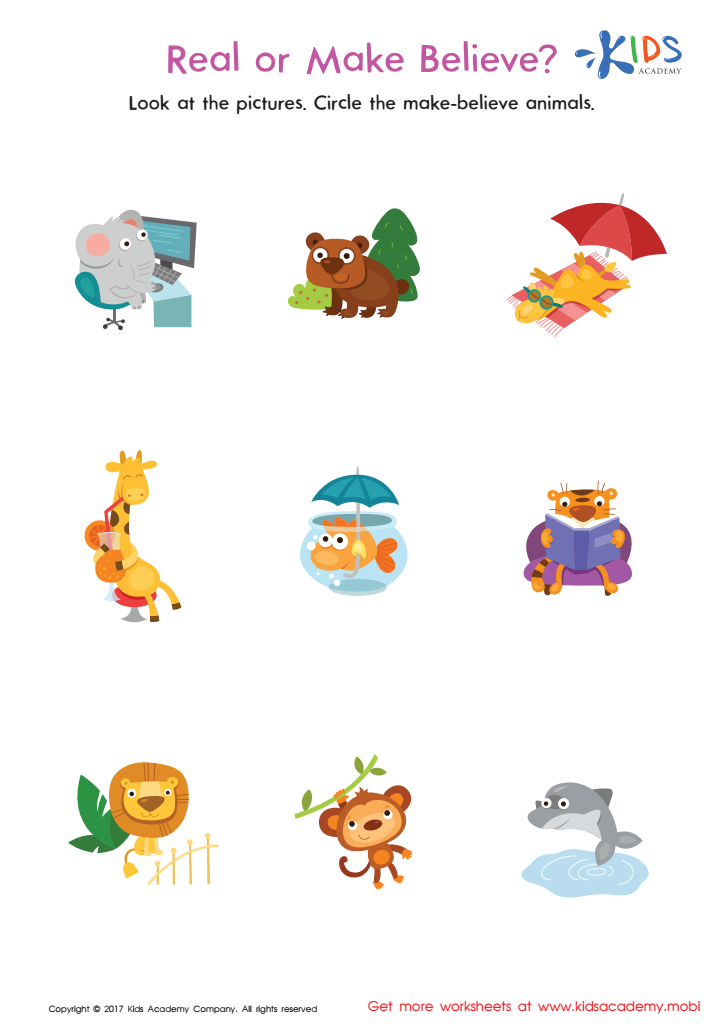
Fact or Make Believe Worksheet
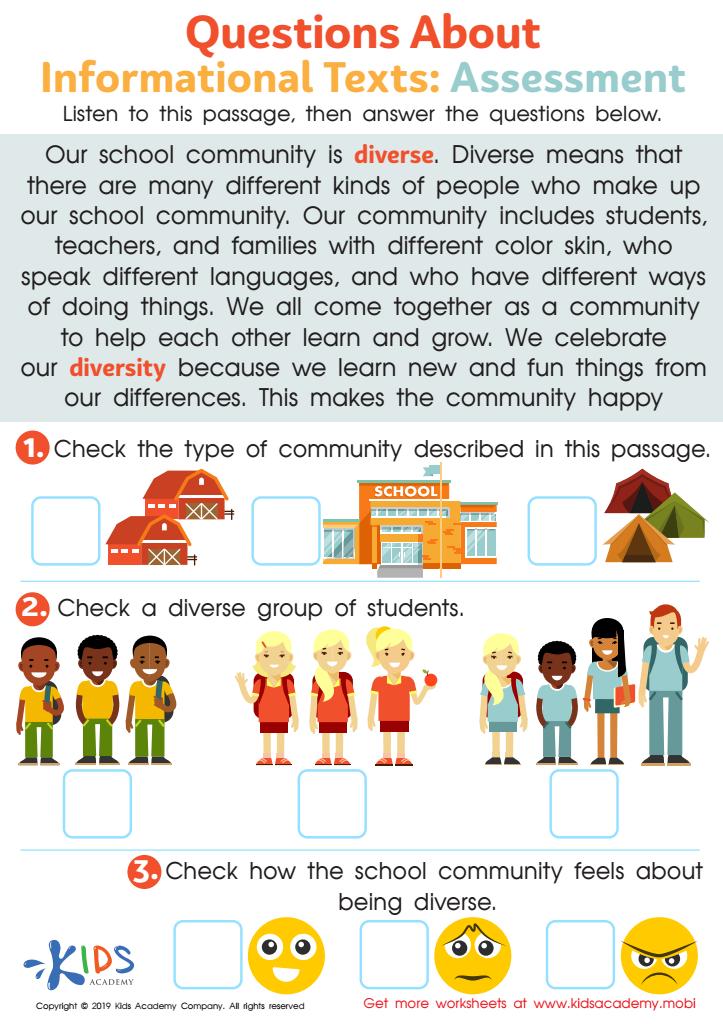
Questions About Informational Texts: Assessment 1 Worksheet
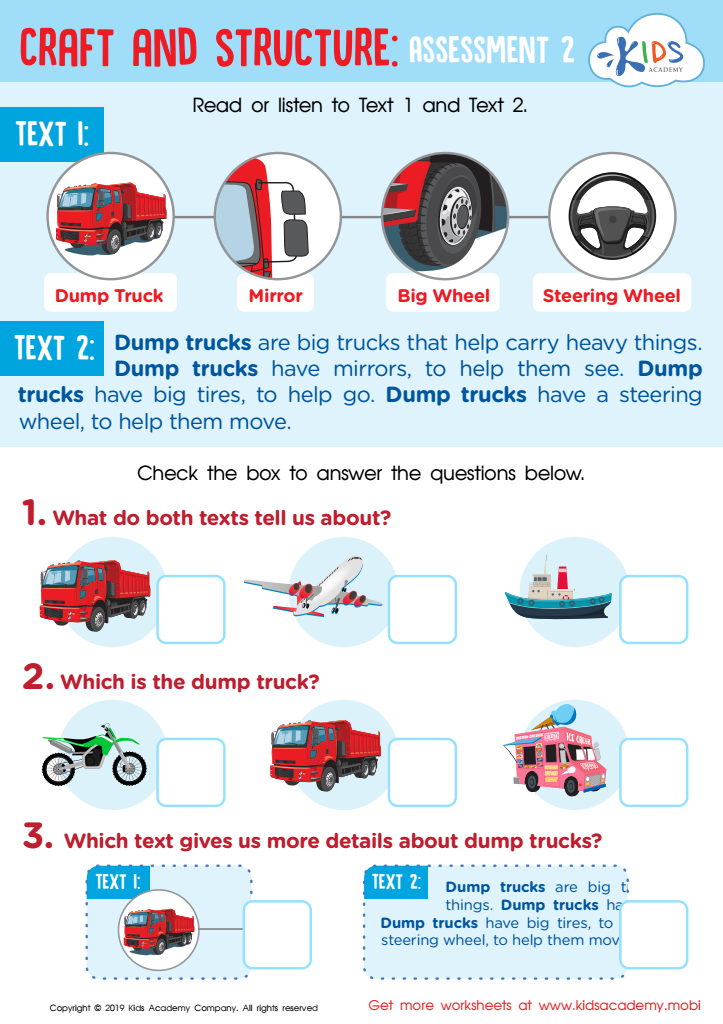
Craft and Structure: Assessment 2 Worksheet
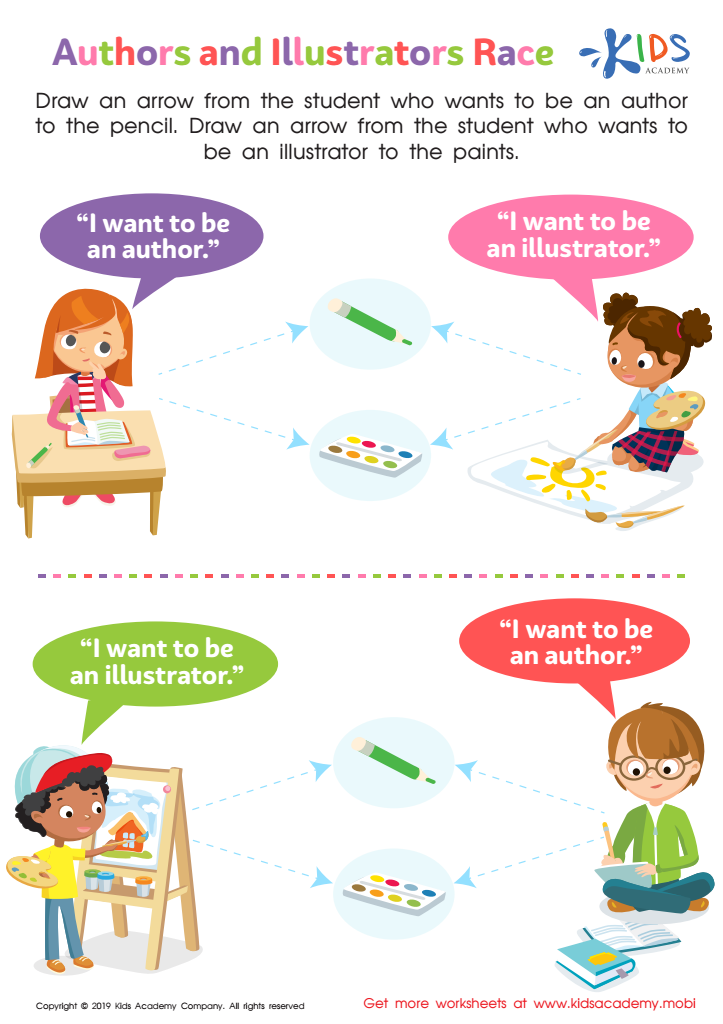
Authors and Illustrators Race Worksheet








Parents and teachers should prioritize reading non-fiction with 5-year-olds because it lays a strong foundation for future learning and cognitive development. Firstly, non-fiction texts introduce young children to a world of facts and real-world concepts, broadening their knowledge base and vocabulary. This exposure is critical since young children are highly curious and eager to learn about the world around them.
Reading comprehension of non-fiction at an early age also helps children develop critical thinking and analytical skills. They learn to ask questions, process information, and distinguish between facts and opinions. These skills are essential for academic success, not just in reading and writing, but across all subjects, including science and history.
Furthermore, non-fiction reading fosters an early interest in various topics like animals, space, plants, and different cultures, sparking their curiosity and encouraging lifelong learning. It also helps to build a child's attention span and ability to concentrate, as they need to understand and remember factual information process logically.
Lastly, it bridges the gap between home and school environments by complementing the curriculum and reinforcing what is taught in classrooms, leading to better academic outcomes. Overall, incorporating non-fiction reading into a young child's routine aids in holistic educational development and cultivates an informed, inquisitive mindset.








