Multiplication practice Sight Words Worksheets for 5-Year-Olds
3 filtered results
-
From - To
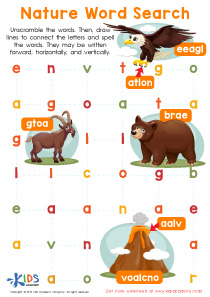
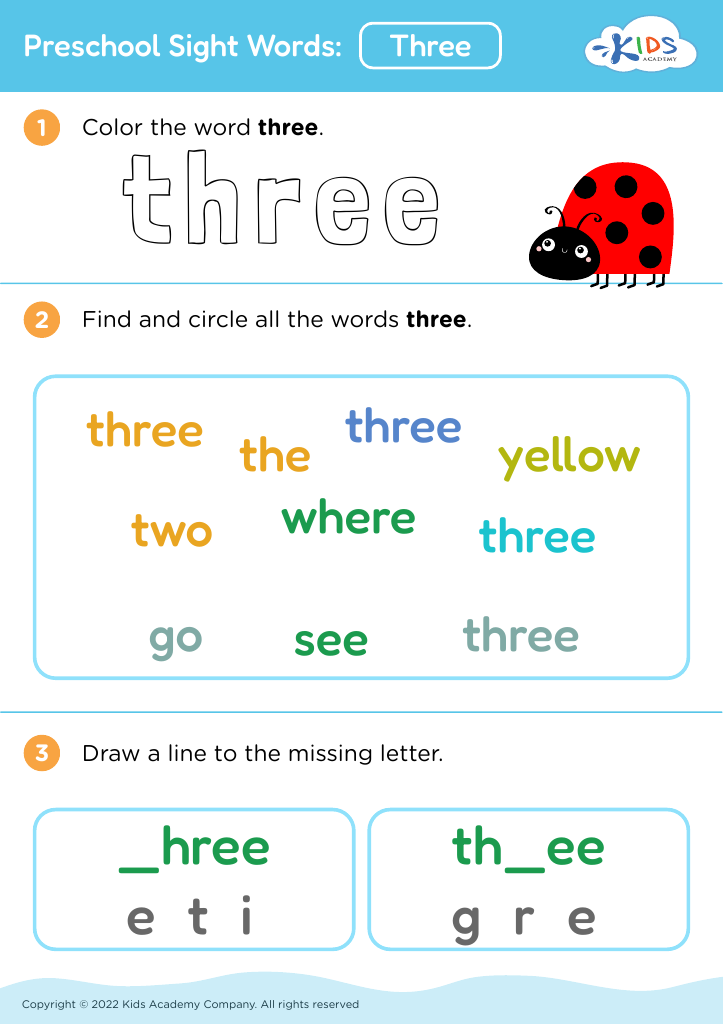
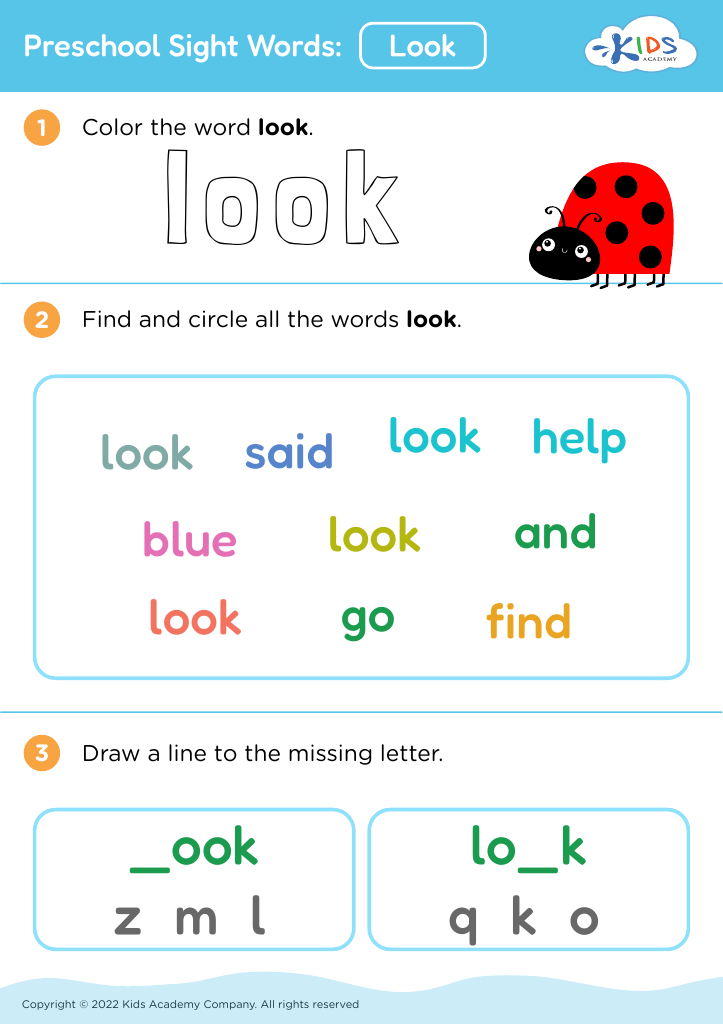
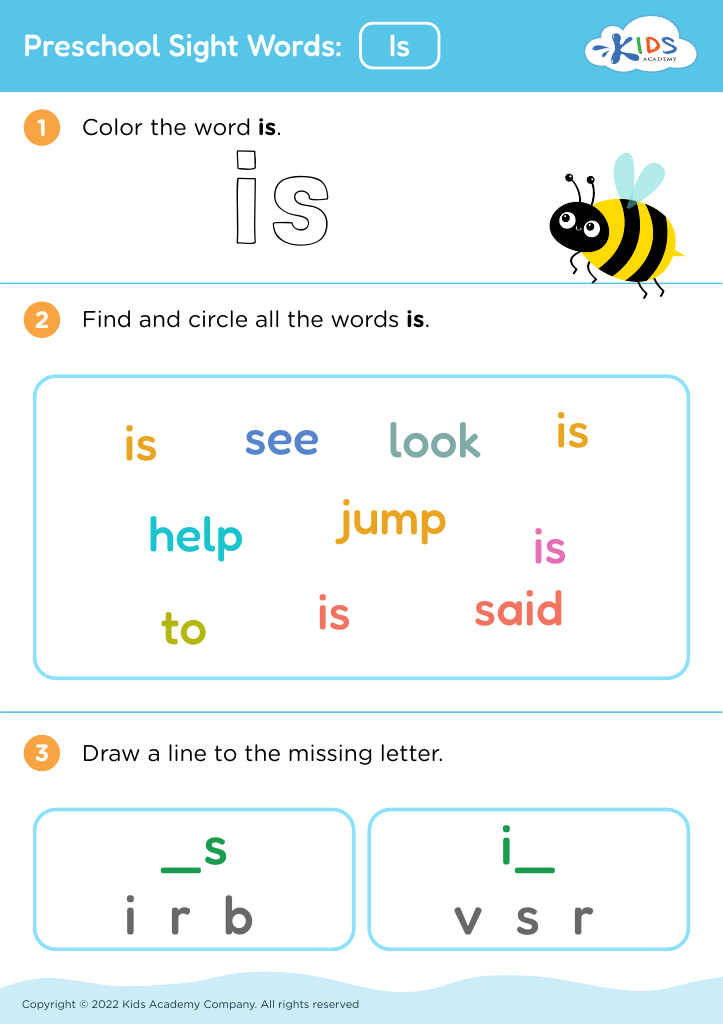
Introduce your 5-year-old to essential multiplication concepts with our engaging Multiplication Practice Sight Words Worksheets! Designed specifically for young learners, these worksheets combine math and literacy, making learning fun and interactive. Each sheet includes vibrant illustrations and simple exercises that reinforce both multiplication skills and sight word recognition. As children practice their multiplication facts, they'll also build confidence in reading essential sight words, benefiting their overall educational development. Ideal for use at home or in the classroom, these worksheets promote a solid foundation in both math and reading. Download now and watch your child thrive in their learning journey!










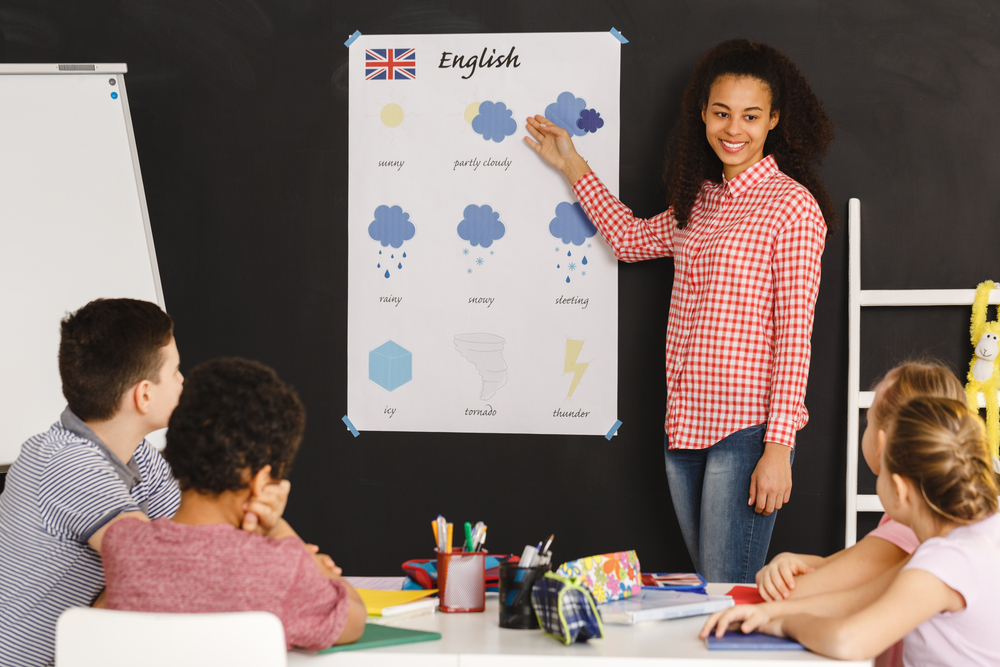





Parents and teachers play a crucial role in a child's early education, and understanding the importance of multiplication practice, along with sight words, is key for 5-year-olds. Multiplication practice, when approached with fun activities and visuals, can lay the groundwork for a child’s eventual mathematics skills, fostering numerical fluency and confidence. Early exposure helps kids grasp foundational concepts that are critical for later math success. Introducing multiplication in a playful manner engages young learners, making them more receptive to complex ideas in the future.
In addition, sight words are vital for early literacy development. These high-frequency words empower young readers to recognize and understand sentences more quickly, enhancing their fluency. When children become familiar with these words, they are less reliant on sounding out every single word, allowing them to focus on comprehension and enjoyment in reading.
By integrating multiplication practice with sight words activities, parents and teachers create a well-rounded educational experience that encompasses both math and literacy. This dual emphasis nurtures critical thinking and communication skills, essential components of a child's overall development. Ultimately, an early focus on these areas supports lifelong learning and sets the stage for academic success.