Vocabulary expansion Beginning Sounds Worksheets for Ages 6-9
5 filtered results
-
From - To
Enhance your child's vocabulary and early literacy skills with our engaging Beginning Sounds Worksheets for ages 6-9! These worksheets focus on phonemic awareness by introducing the concept of beginning sounds, helping young learners identify and associate sounds with words. Through fun activities and interactive exercises, children will expand their vocabulary while improving their reading skills. Ideal for classroom settings or at-home learning, our materials support foundational language development in a playful and effective manner. Make learning an enjoyable adventure for your child as they discover the joy of words and sounds through our thoughtfully designed worksheets!
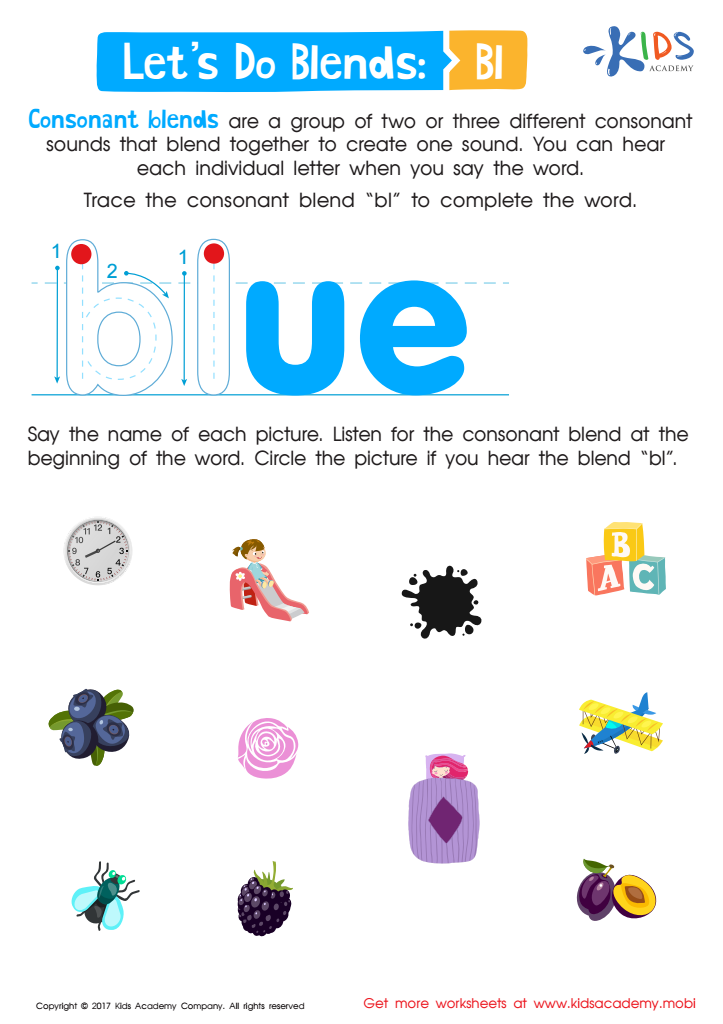
Beginning Blends: "Bl" Words Worksheet
 Assign to My Students
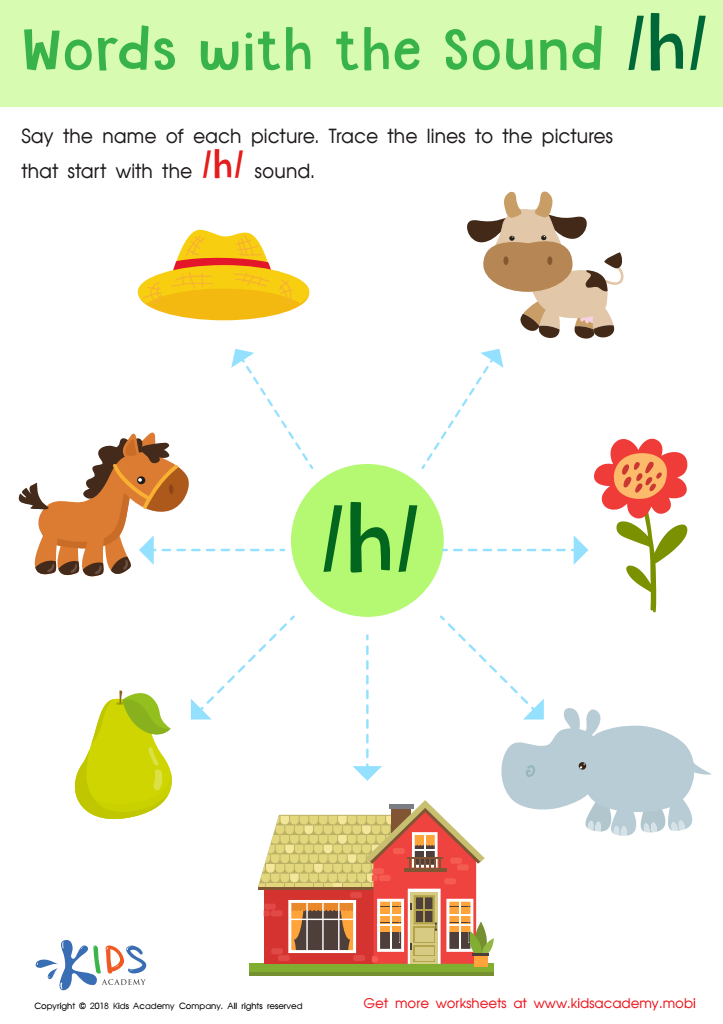
Words with sound h Reading Worksheet
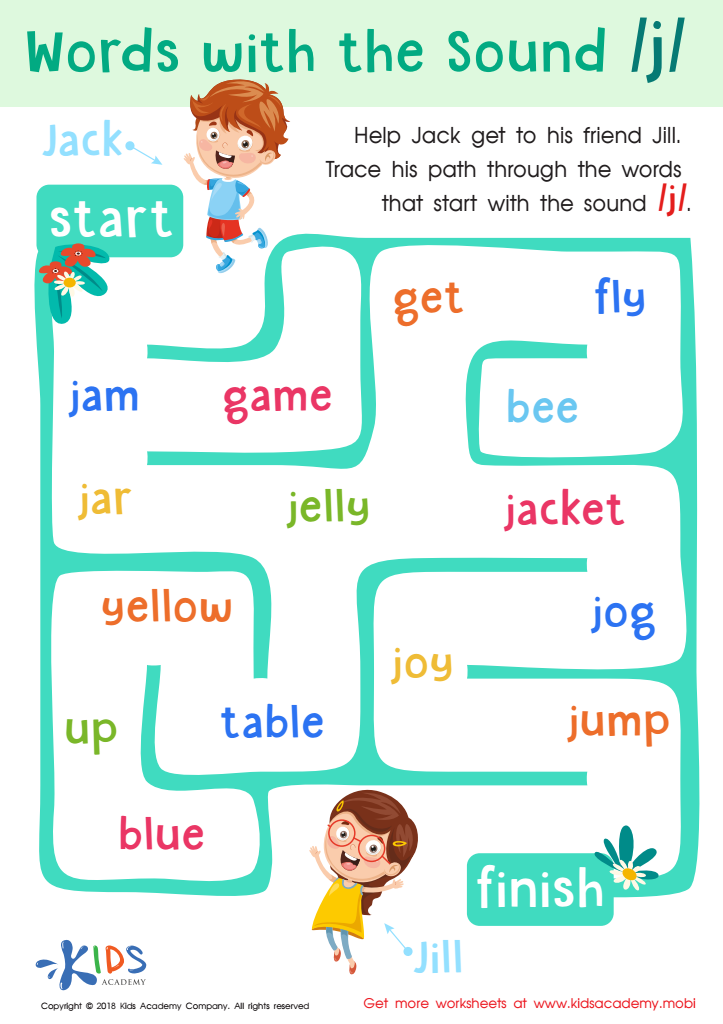
Words with sound j Reading Worksheet
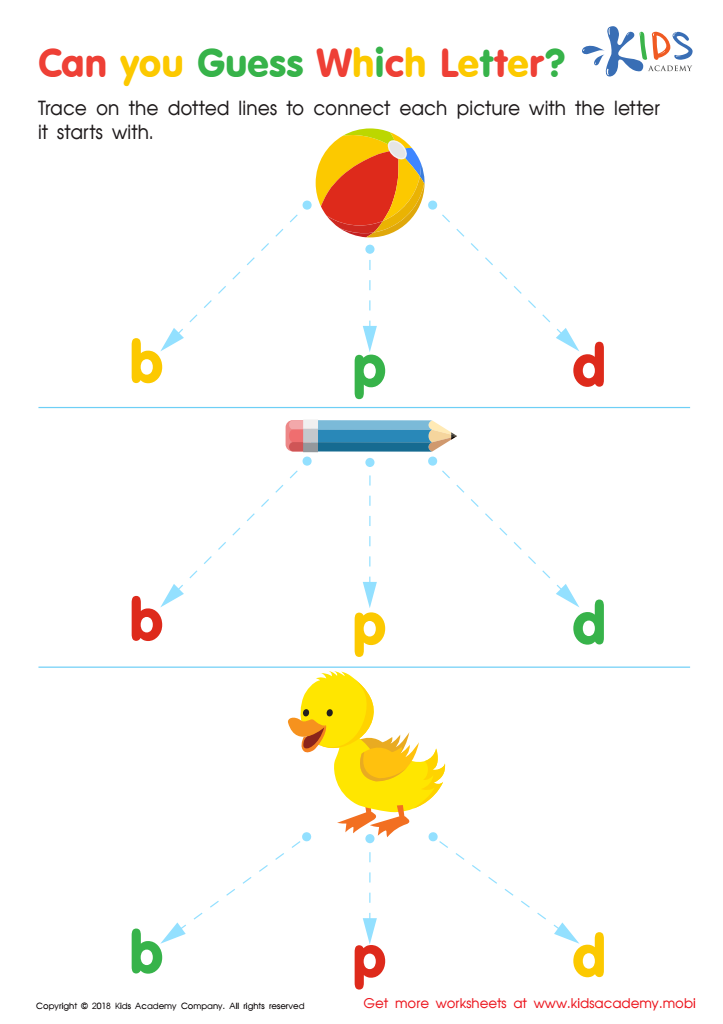
Can you Guess Which Letter? Worksheet
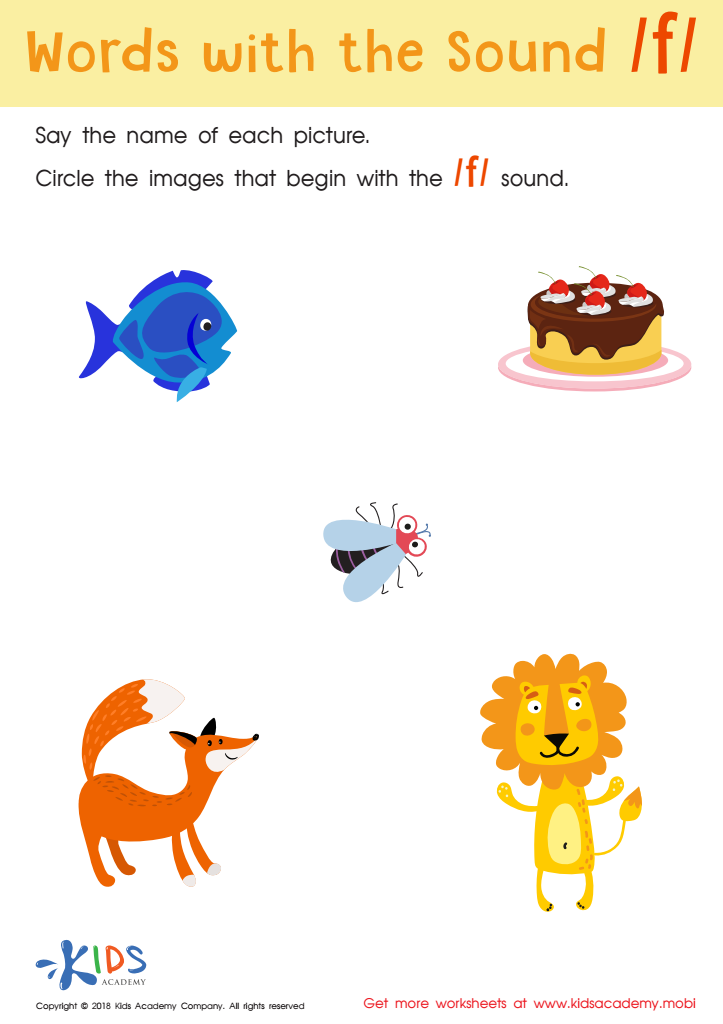
Words with sound f Reading Worksheet








Vocabulary expansion and understanding beginning sounds are essential components of literacy development for children aged 6-9. At this age, children are transitioning from learning to read to reading to learn. By focusing on vocabulary expansion and the recognition of beginning sounds, educators and parents can greatly enhance a child's reading skills, comprehension, and overall communication abilities.
Beginning sounds help children decode words more easily, facilitating the reading process. Understanding the initial phonetic sounds reinforces their phonemic awareness, which is foundational for spelling and pronunciation. When children learn to connect sounds with letters, they are better equipped to tackle new vocabulary and read with fluency.
Furthermore, a robust vocabulary contributes to improved writing skills and overall academic success. Children with a diverse vocabulary can express their thoughts more effectively, engage in deeper discussions, and understand complex concepts across subjects.
Parents and teachers play a critical role in this phase of development by incorporating fun, engaging activities that promote vocabulary growth and beginning sound recognition. Through reading together, playing phonics games, and encouraging discussions, they can create a rich language environment that nurtures young learners and lays the groundwork for lifelong literacy skills. In short, investing in these areas fosters essential skills that benefit children academically and socially.







