Fine Motor Skills Color Words Worksheets for Ages 6-9
4 filtered results
-
From - To
Discover our engaging Fine Motor Skills Color Words Worksheets, ideal for children ages 6-9! These worksheets are designed to enhance fine motor development while introducing essential color vocabulary. Through a variety of fun activities such as tracing, coloring, and cutting, kids will strengthen their hand-eye coordination and dexterity. Each worksheet encourages creativity while reinforcing color recognition and language skills. Perfect for both classroom and homeschool settings, our resources ensure a hands-on learning experience that keeps young learners motivated. Explore the joy of learning with our vibrant, interactive worksheets that lay the foundation for educational success. Get started today!
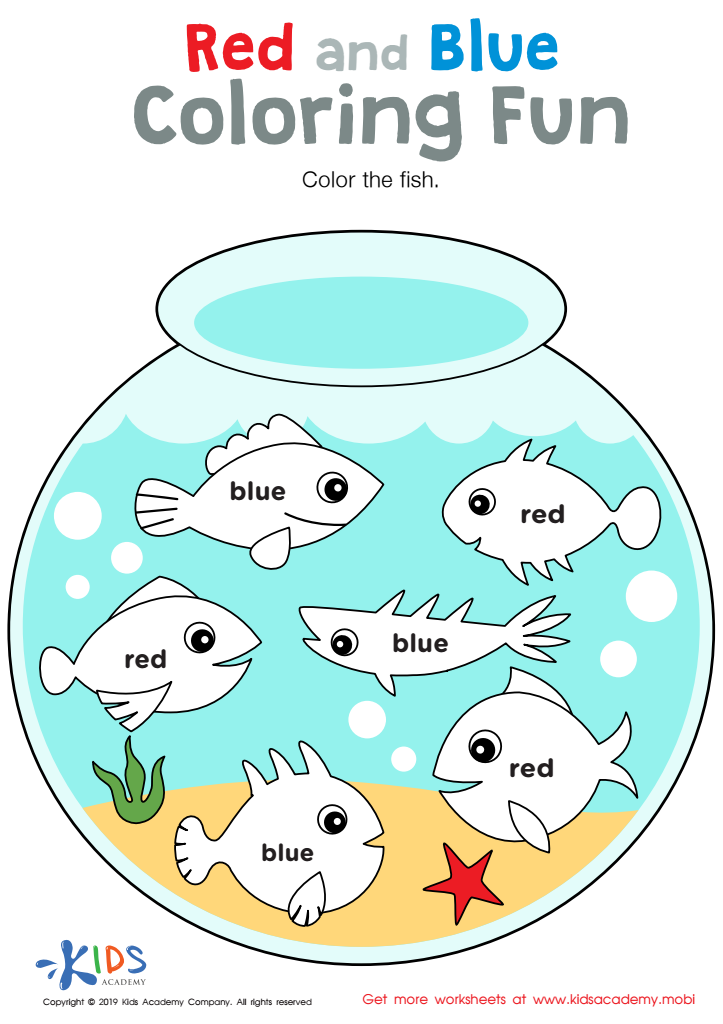
Red and Blue Coloring Fun Worksheet
 Assign to My Students

Yellow and Green Coloring Fun Worksheet
Assign to My Students

Black and Brown Coloring Fun Worksheet
Assign to My Students
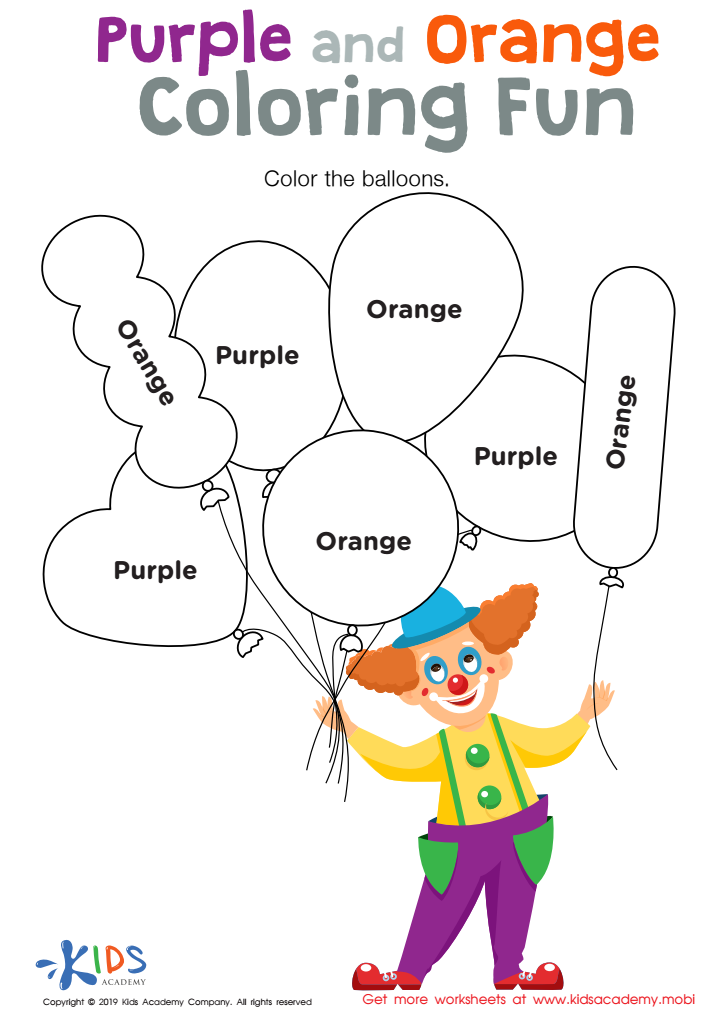
Purple and Orange Coloring Fun Worksheet
Assign to My Students



Fine motor skills and color word recognition are crucial developmental areas for children ages 6-9. At this age, children are rapidly honing their hand-eye coordination and dexterity, which are essential for tasks such as writing, drawing, and manipulating small objects. By focusing on fine motor skills, parents and teachers can help children develop the physical abilities necessary for these tasks, fostering a sense of independence and confidence in their capabilities.
Color word recognition plays a vital role in early literacy and cognitive development. Being able to identify and articulate colors not only enhances vocabulary but also aids in the understanding of more complex concepts. For instance, discussions about colors can relate to emotions, nature, and artistic expression, making learning more engaging and holistic.
Furthermore, incorporating color word activities that enhance fine motor skills—such as coloring, cutting, and pasting—makes learning multifaceted. It creates opportunities for children to practice fine motor activities while expanding their language skills.
Ultimately, by investing time in these areas, parents and teachers can lay a solid foundation for future academic success and overall developmental growth, ensuring that children are well-prepared for more complex tasks in the years to come.








