Following instructions Color Words Worksheets for Ages 6-9
4 filtered results
-
From - To
Welcome to our "Following Instructions Color Words Worksheets" page for children ages 6-9! These engaging worksheets are designed to help young learners enhance their vocabulary while learning to follow directions. Each activity focuses on color words, providing fun prompts that encourage students to identify, color, and apply colors creatively. Perfect for ESL learners or anyone looking to boost their understanding of colors, these worksheets foster comprehension, attention to detail, and cognitive skills through interactive learning. Dive into a colorful educational journey that inspires creativity and strengthens language skills. Explore our printable resources and watch your child thrive in their learning adventure!
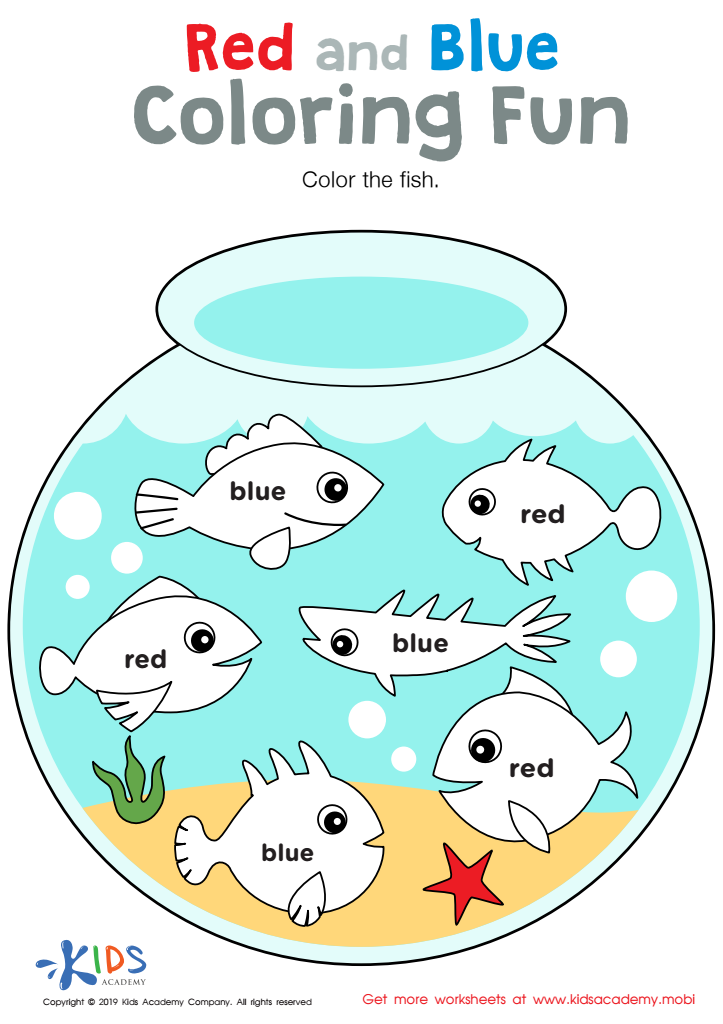
Red and Blue Coloring Fun Worksheet
 Assign to My Students
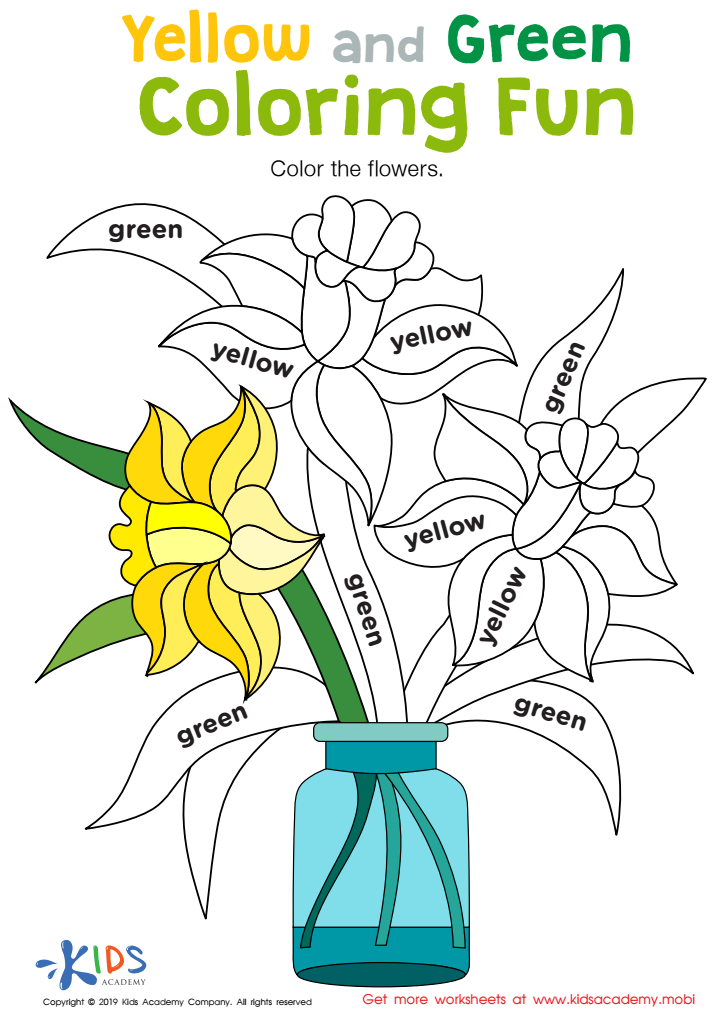
Yellow and Green Coloring Fun Worksheet
Assign to My Students
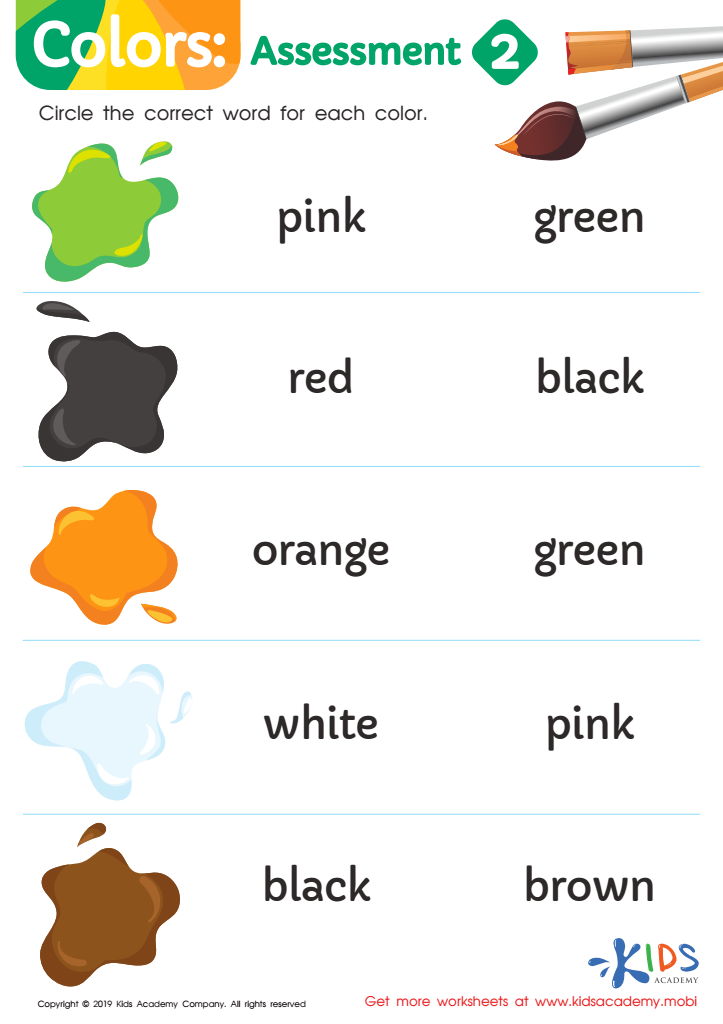
Colors: Assessment 2 Worksheet
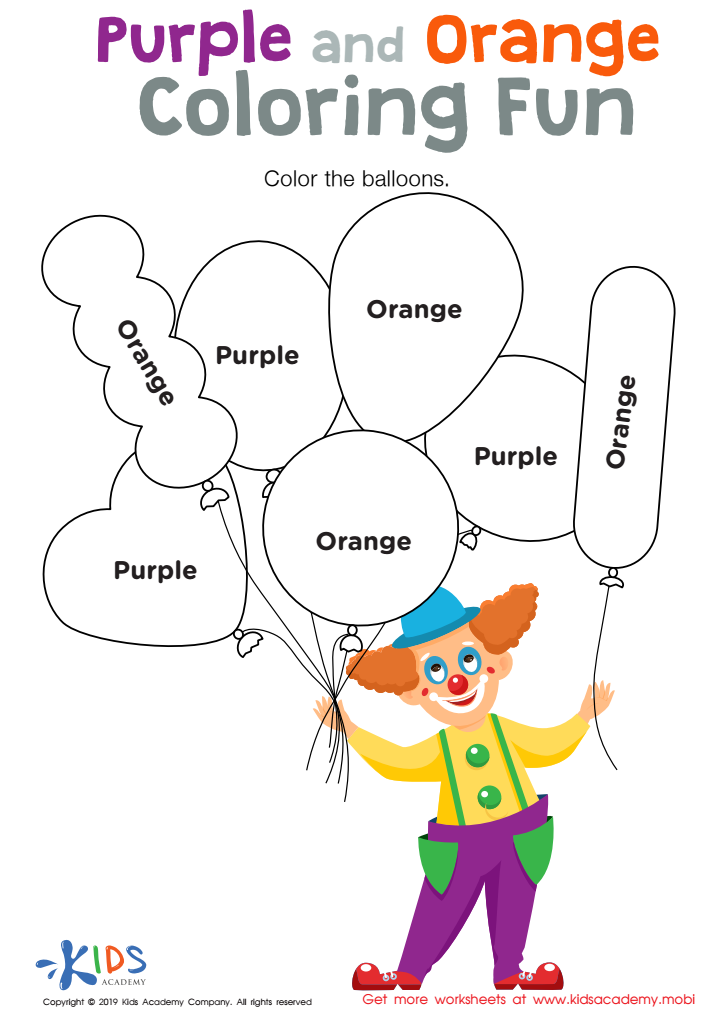
Purple and Orange Coloring Fun Worksheet
Assign to My Students



Following instructions is a crucial skill for children aged 6-9, as it shapes their understanding of communication, enhances cognitive development, and sets the foundation for future learning. Teaching children to interpret and follow color words nurtures their literacy skills and strengthens their ability to comprehend various instructions, an essential aspect of both academic success and everyday life.
When teachers engage children with activities focused on following color words, they promote critical thinking and problem-solving. For instance, asking students to paint or color according to specified colors enhances their attention to detail and comprehension abilities. This practice encourages children to listen carefully, think independently, and take initiative, fostering a sense of responsibility.
Moreover, parents and teachers often stress the importance of following rules and guidelines at home and in school. Through effective instruction, children learn that understanding information accurately leads to better results, whether completing a task, playing a game, or establishing social relationships. Emphasizing the significance of following instructions prepares children for complex interactions in academic settings and beyond, thus enhancing their overall development. Consequently, parents and educators play a vital role by cultivating these skills early on, ensuring their children are poised for future success.








