Alphabet Knowledge Worksheets for Ages 6-9
3 filtered results
-
From - To
Welcome to our Alphabet Knowledge Worksheets for ages 6-9! These engaging and fun printables are designed to enhance your child's understanding of the alphabet, fostering crucial early literacy skills. Our worksheets feature a variety of activities, including letter recognition, tracing, and matching games, tailored to support diverse learning styles. Perfect for home or classroom use, these resources cater to young learners at different proficiency levels, aiming to build confidence and a love for reading and writing. Explore our collection and watch your child develop foundational skills that will set the stage for future academic success!
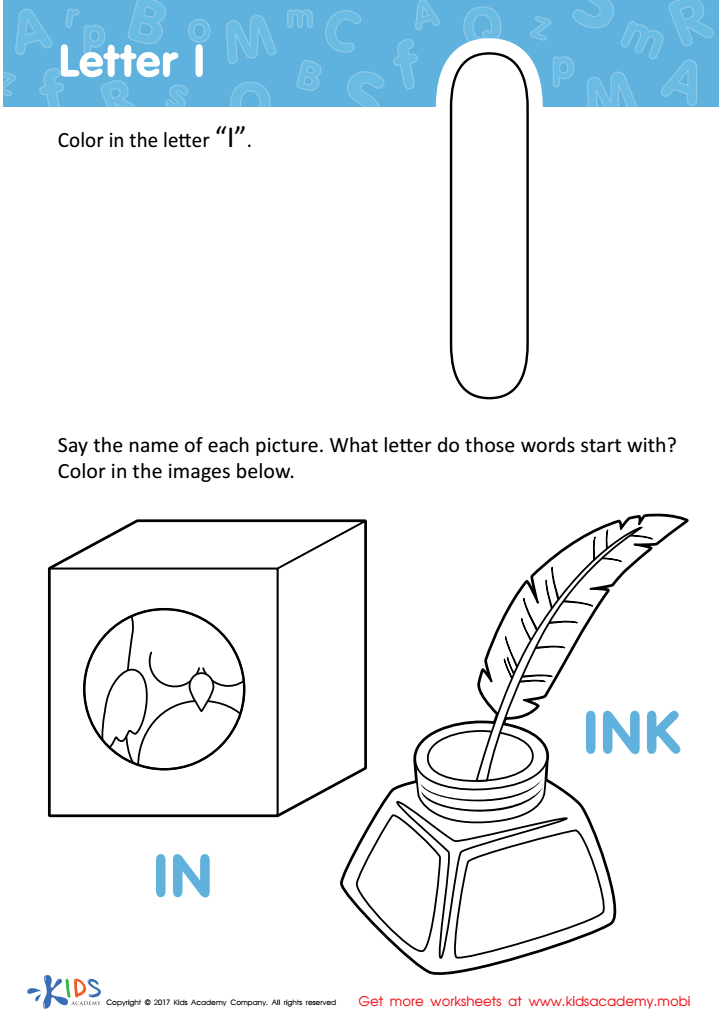
Letter I Coloring Sheet
 Assign to My Students
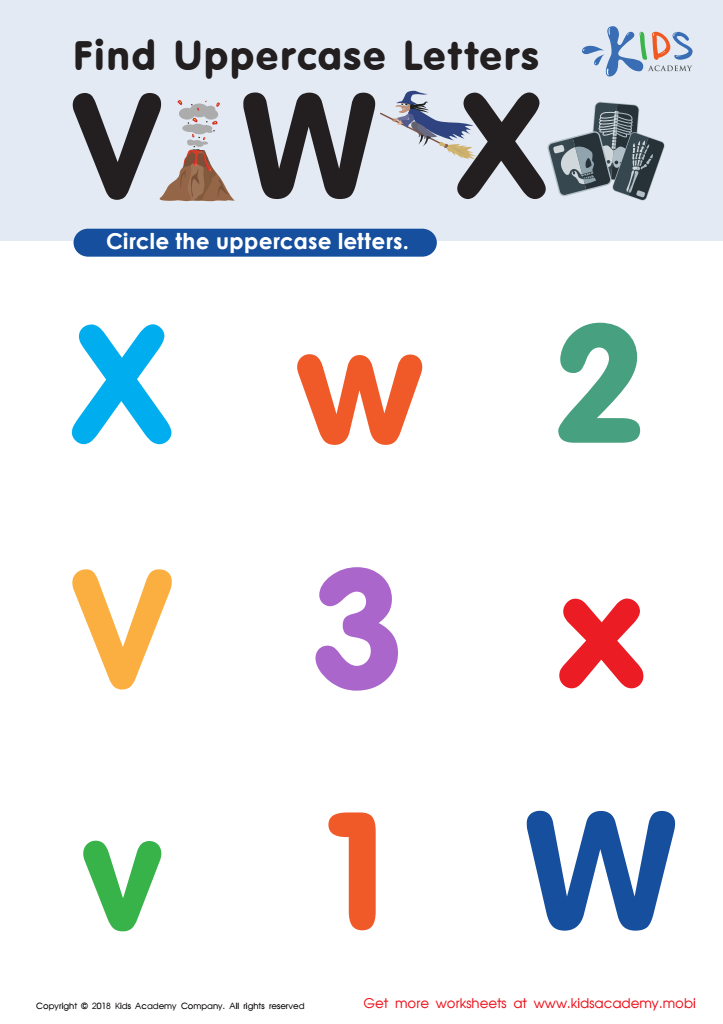
Find Uppercase Letters V, W, X Worksheet
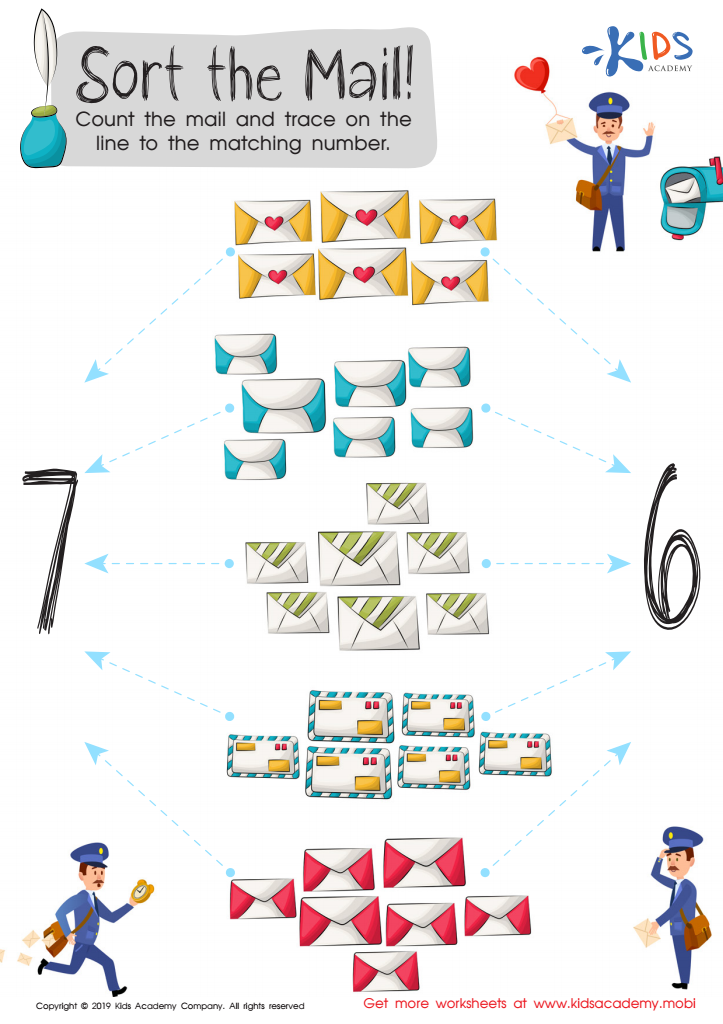
Sort the Mail Worksheet








Alphabet knowledge is essential for children aged 6-9 as it lays the foundation for reading and writing skills. Understanding the alphabet, including the names and sounds of each letter, enables children to decode words, which is a crucial step in literacy development. At this stage, children begin to connect letters with sounds, allowing them to read simple texts independently. Strong alphabet knowledge not only supports literacy but also boosts confidence in reading.
Additionally, children with solid alphabet knowledge are better equipped to engage with more complex language concepts by the time they enter higher grades. Parents and teachers can foster alphabet knowledge through engaging activities such as alphabet games, reading aloud daily, and encouraging children to identify letters in their environment.
Furthermore, children with a good grasp of the alphabet are more likely to develop a love for reading, which has long-term academic benefits. Early literacy skills also contribute to overall cognitive development, critical thinking, and communication. Therefore, investing time and effort into fostering alphabet knowledge in young learners is crucial. By prioritizing this aspect of literacy, parents and teachers can set the stage for academic success and a lifelong love for learning.








