Basic Addition Worksheets for Ages 6-9 - Page 4
73 filtered results
-
From - To
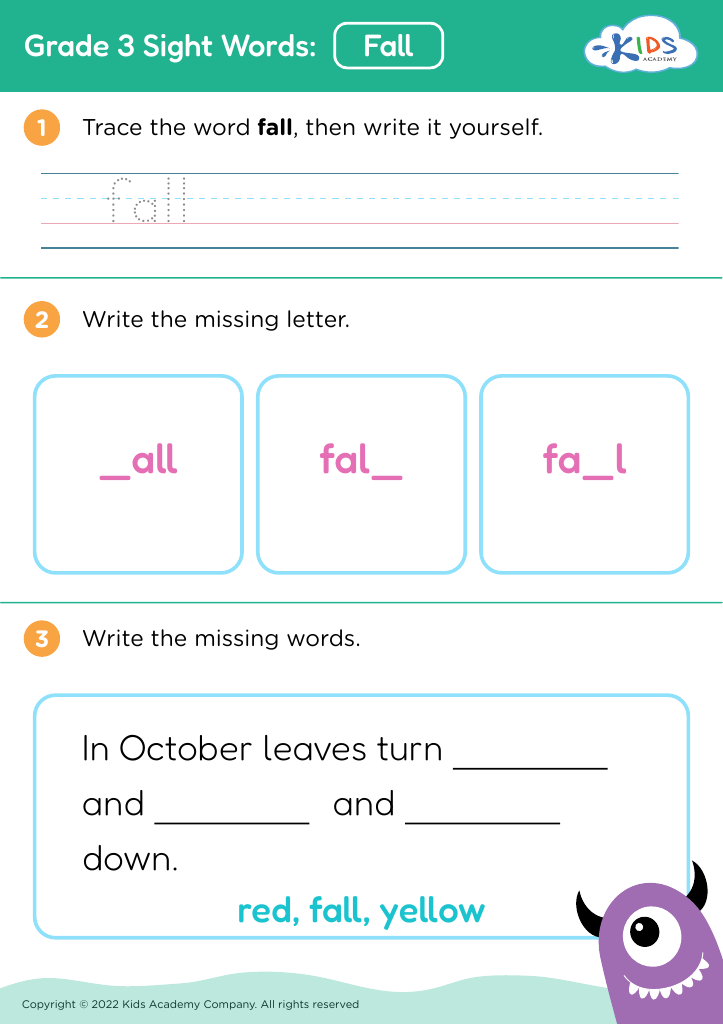







Basic addition is a foundational skill that significantly impacts a child’s academic trajectory and everyday life. For children aged 6-9, mastering addition is crucial because it serves as a building block for more complex mathematical concepts. This age group is typically the first point of introduction to formal mathematics education, making it essential to cultivate a solid understanding of basic addition.
Parental and teacher involvement creates a supportive environment in which children feel encouraged to engage with math confidently. Arguments for emphasizing basic addition include its development of critical thinking skills, problem-solving abilities, and logical reasoning. Early fluency in addition not only boosts children’s self-esteem and enthusiasm for learning but also helps them succeed in other subjects that require numerical comprehension, such as science and economics, as they progress in school.
Moreover, the skills learned through basic addition foster everyday practical knowledge—whether it’s handling money, measuring ingredients in cooking, or estimating time. Parents and teachers should care deeply about teaching basic addition because it equips children with the tools they need to navigate the world successfully, promoting their overall cognitive development and future academic success. Ultimately, strong foundational skills in math can open doors for lifelong learning and opportunities for children.








