Color recognition Worksheets for Ages 6-9 - Page 5
116 filtered results
-
From - To
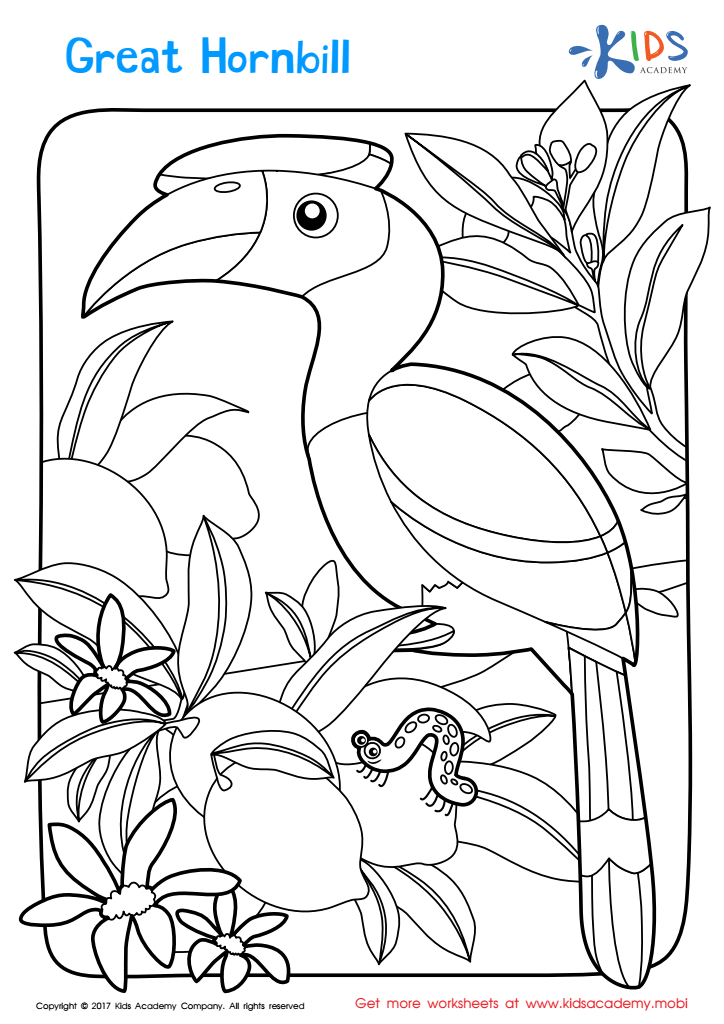
Great Hornbill Worksheet
 Assign to My Students

Shapes Worksheet
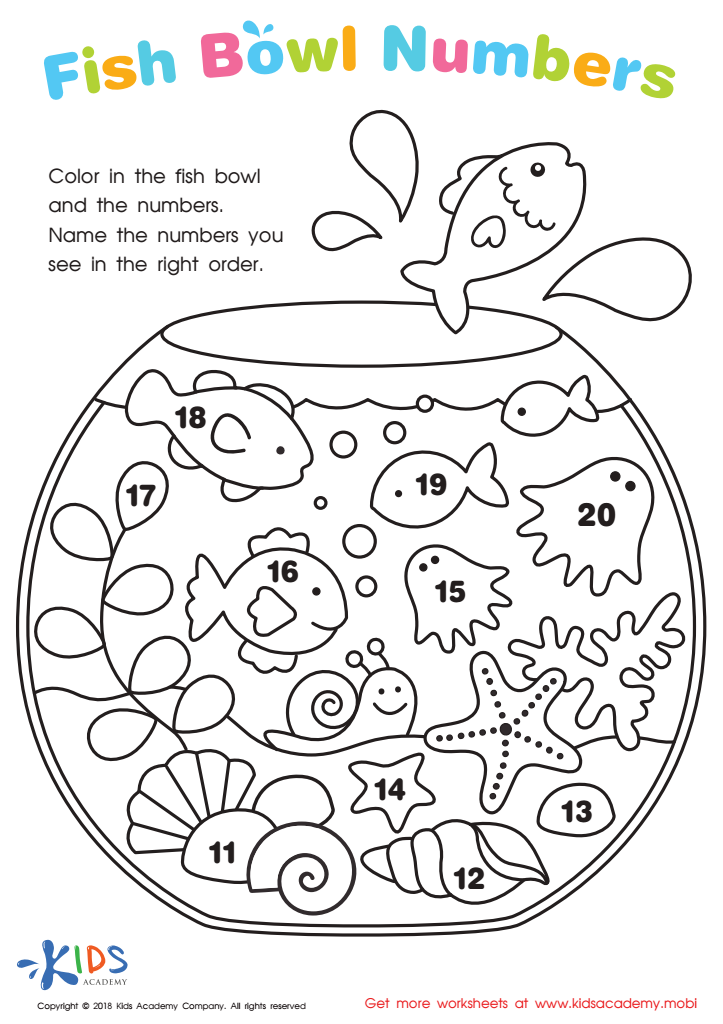
Fish Bowl Numbers Worksheet
Assign to My Students
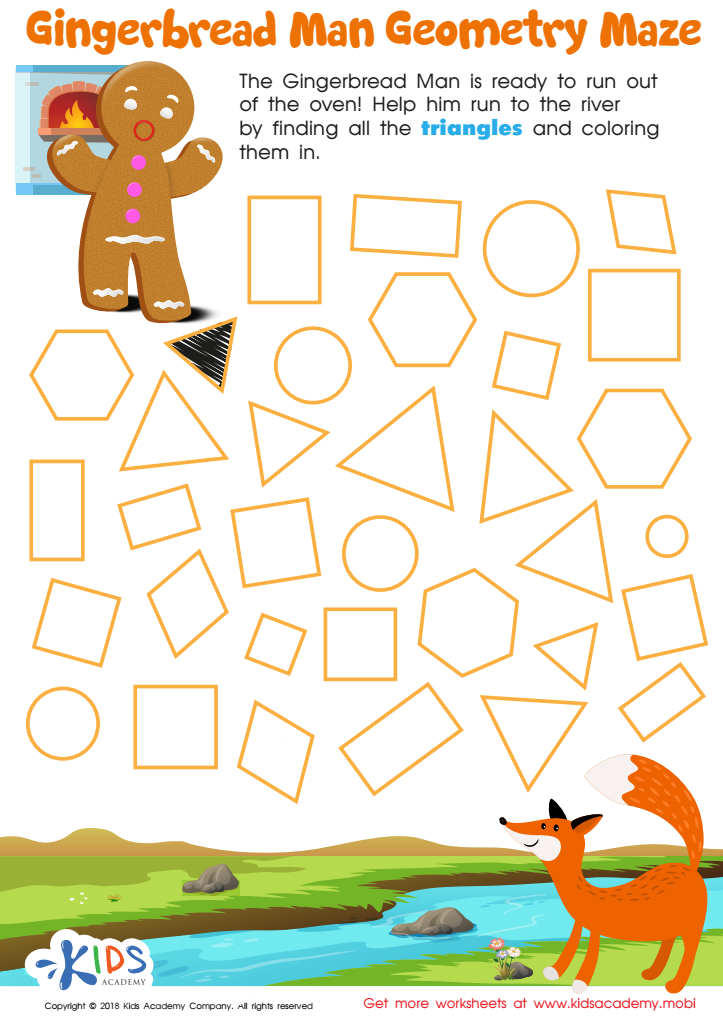
Gingerbread Man Geometry Maze Worksheet
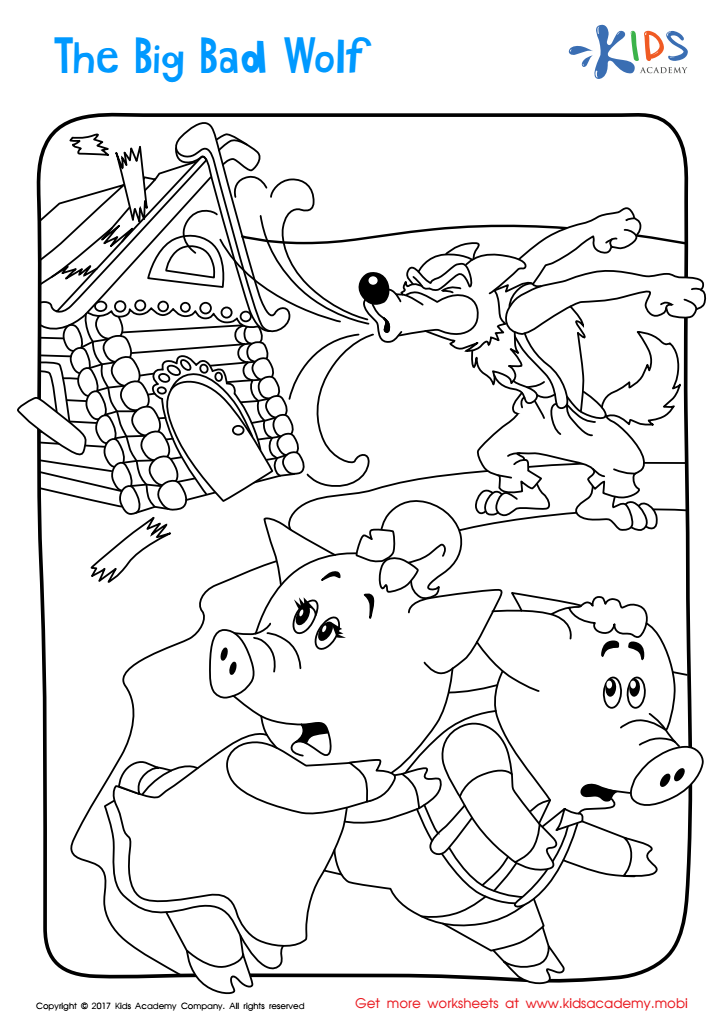
Big Bad Wolf Printable Coloring Page
Assign to My Students
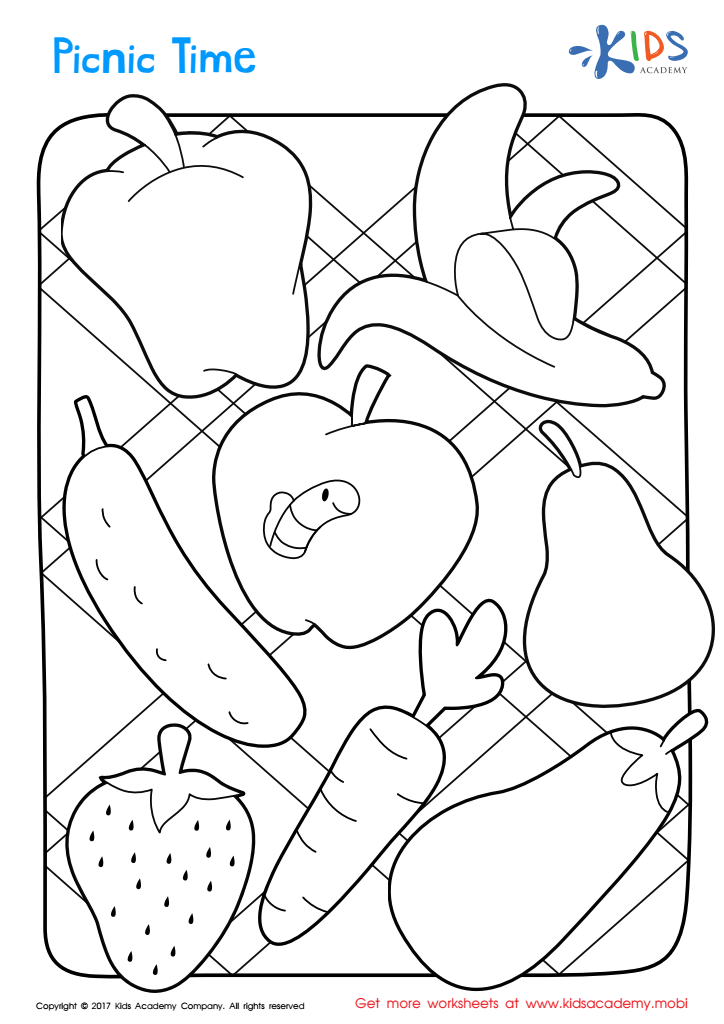
Picnic Time Coloring Page
Assign to My Students
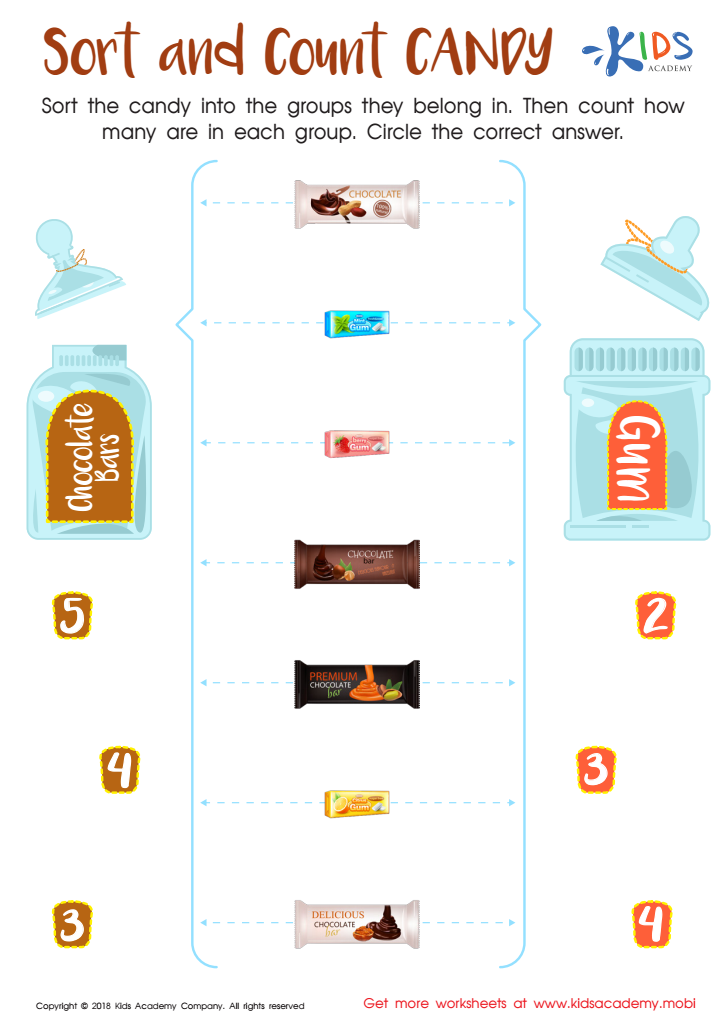
Sort and Count Candy Worksheet
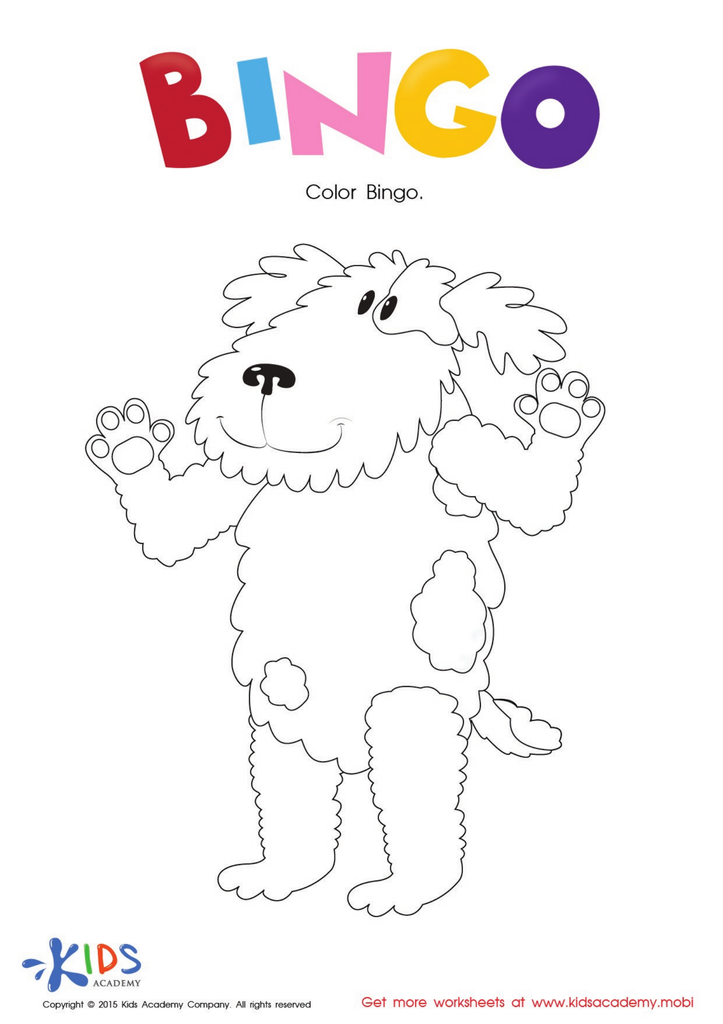
The Bingo Song: Coloring The Dog Worksheet
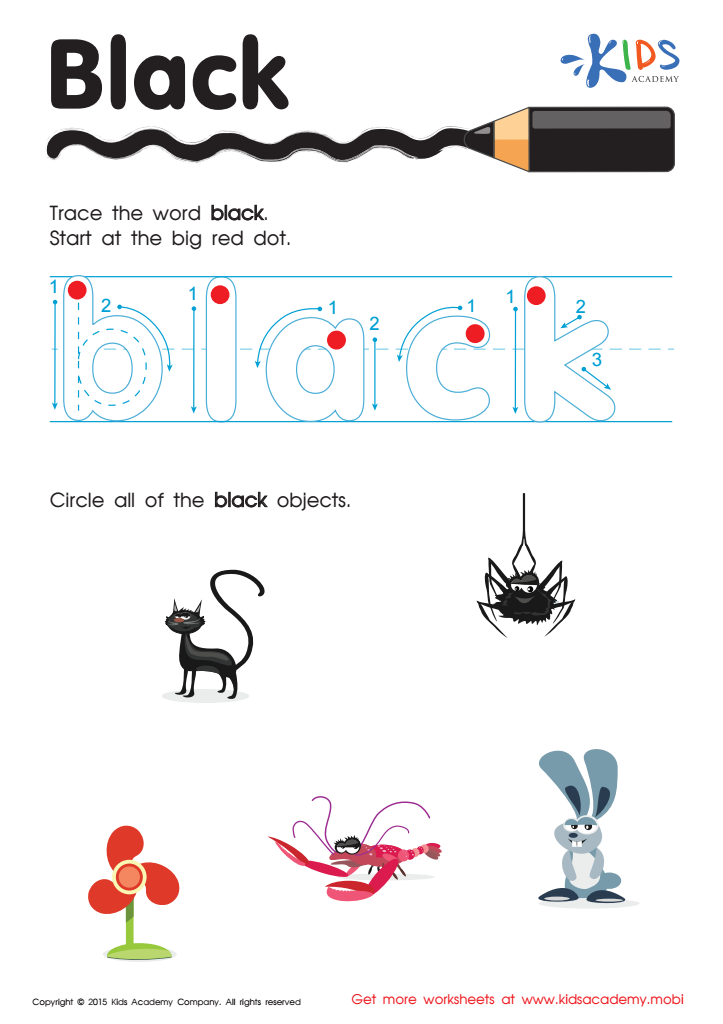
Black Tracing Color Words Printable
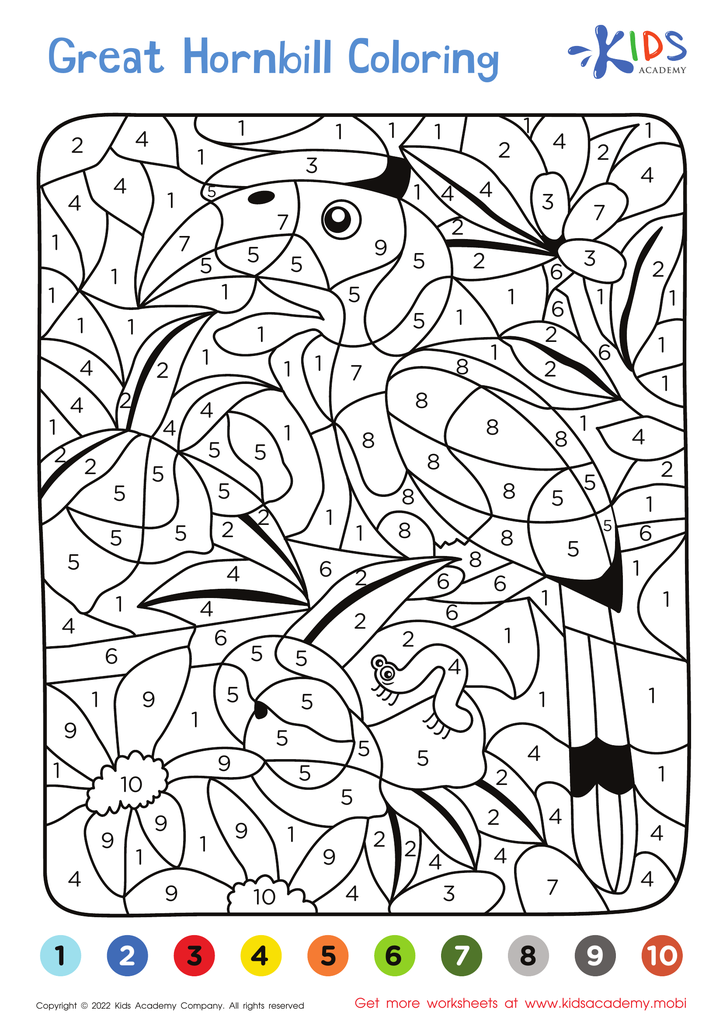
Great Hornbill – Coloring by Numbers
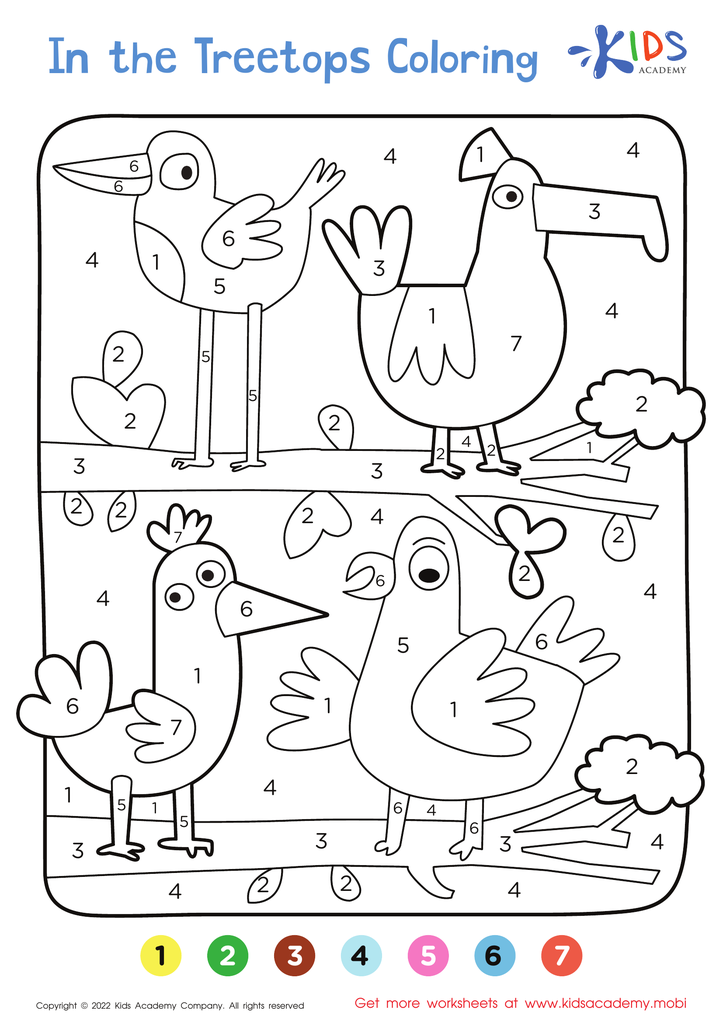
In the Treetops – Coloring Page
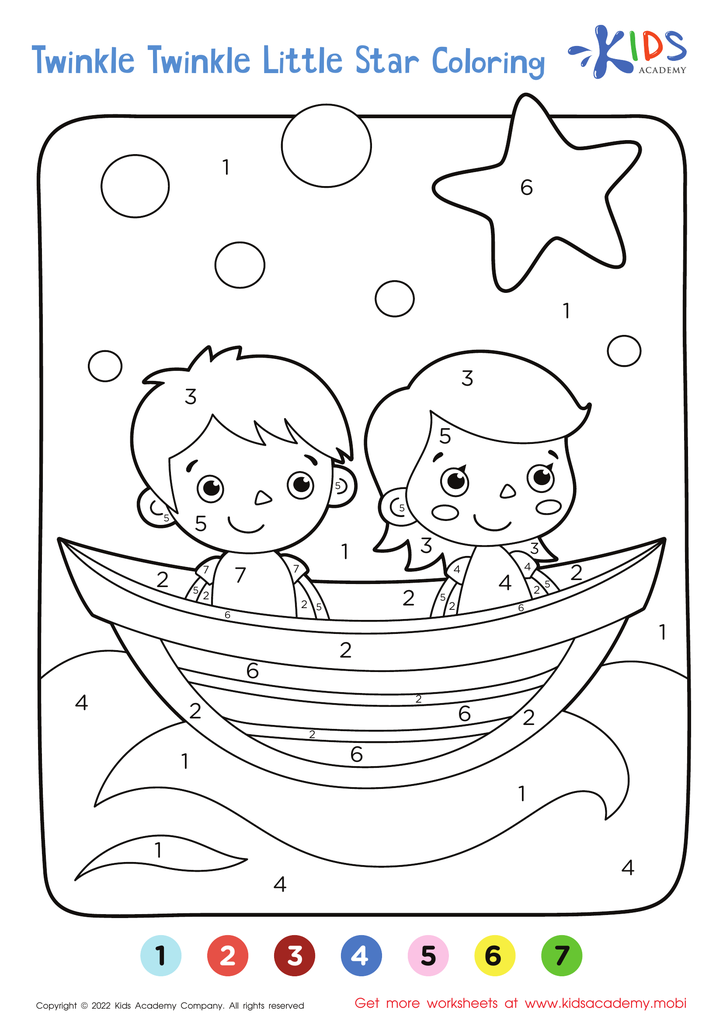
Twinkle, Twinkle, Little Star – Coloring by Numbers
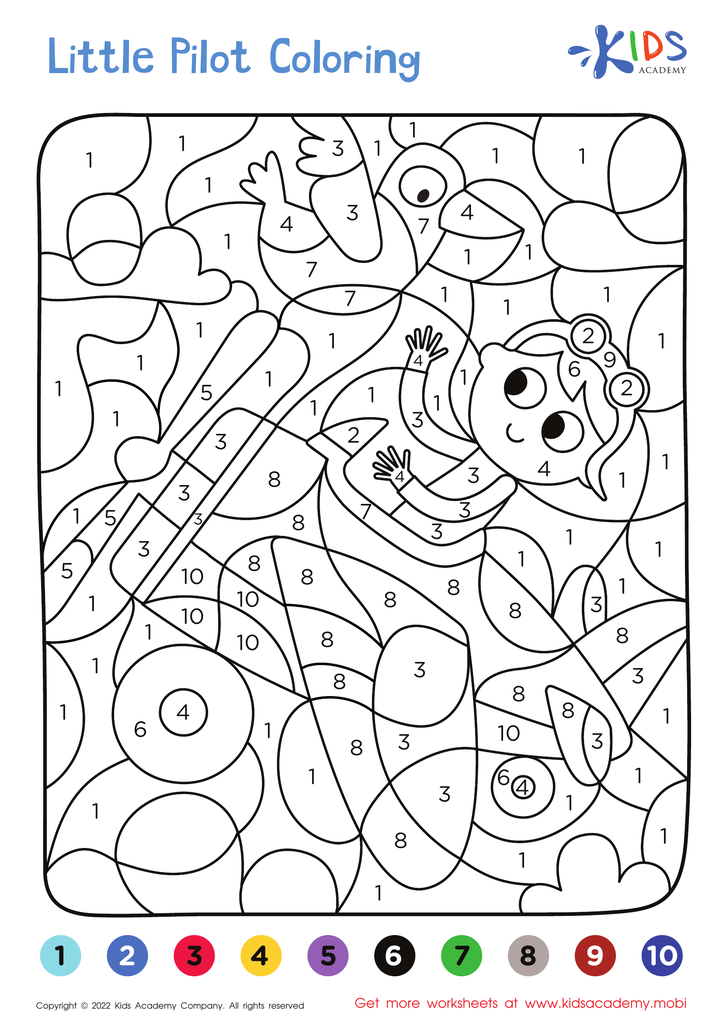
Little Pilot – Coloring by Numbers
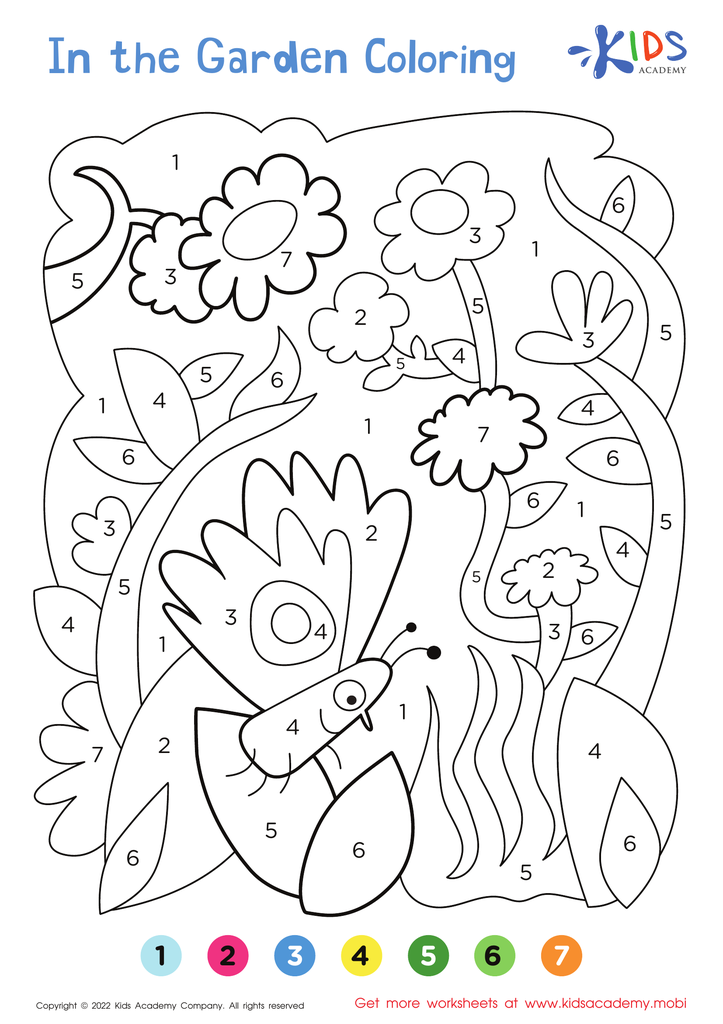
In the Garden – Coloring by Numbers
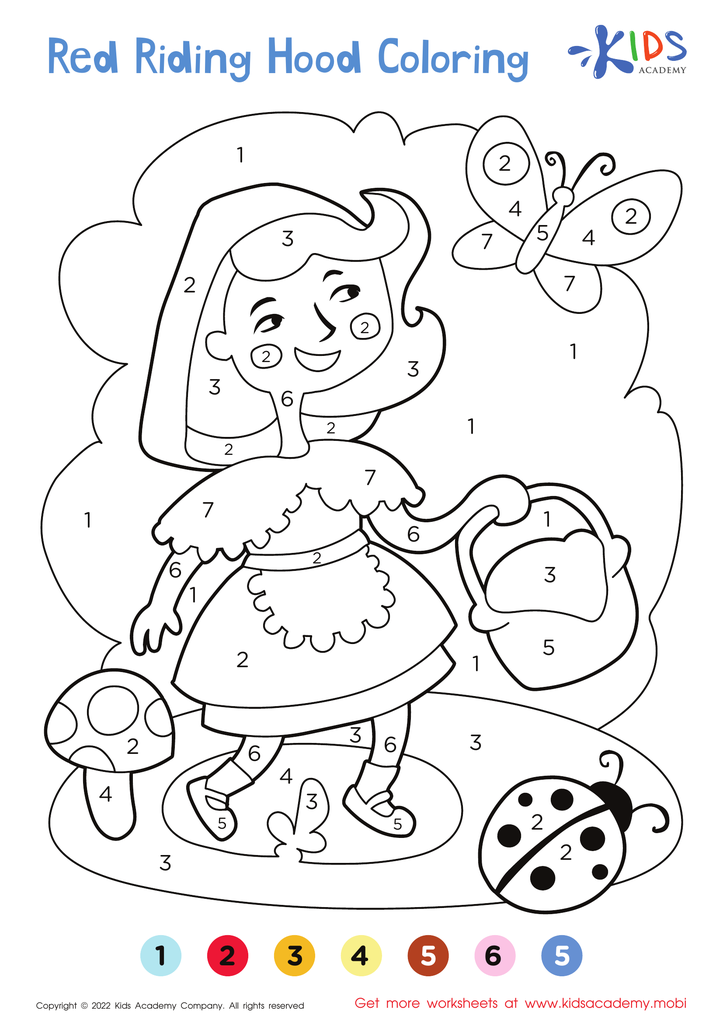
Little Red Riding Hood – Coloring by Numbers








Color recognition is a crucial developmental milestone for children aged 6 to 9, impacting their cognitive, emotional, and social growth. By this age, children are not only solidifying their understanding of colors but also beginning to use them in more complex ways. Recognizing colors helps stimulate creativity, as it allows kids to express themselves through art and craft activities. It also lays the foundation for learning about categorization and classification, crucial skills in mathematics and science.
Furthermore, color recognition supports language development by expanding vocabulary as children learn the names of colors and develop the ability to describe their environment. It creates opportunities for collaboration during play, as children often incorporate colors into games and activities, fostering social skills.
Moreover, intentionally integrating color recognition in everyday learning can enhance memory and cognitive skills. Parents and teachers can make learning engaging by incorporating colors into various subjects, from identifying colors in nature during a science lesson to using colorful visuals in literacy. By nurturing color recognition, adults empower children to understand and engage with their world more fully, paving the way for later learning and social interactions. Engaging with this vital skill will have lasting benefits throughout their educational journey.








