Developing comprehension Worksheets for Ages 6-9
3 filtered results
-
From - To
Discover our engaging "Developing Comprehension Worksheets" designed specifically for children aged 6-9! These worksheets are crafted to enhance reading comprehension skills through fun and interactive activities. Each worksheet focuses on critical thinking, vocabulary development, and the ability to infer meaning from texts. Encourage your child's love for reading with exercises that involve summarizing stories, answering questions, and connecting ideas. Our resources are meticulously aligned with educational standards, ensuring effective learning while keeping kids entertained. Perfect for homework, classroom use, or at-home enrichment, these worksheets will help your young learners become confident readers and thinkers. Explore our collection and spark their curiosity today!
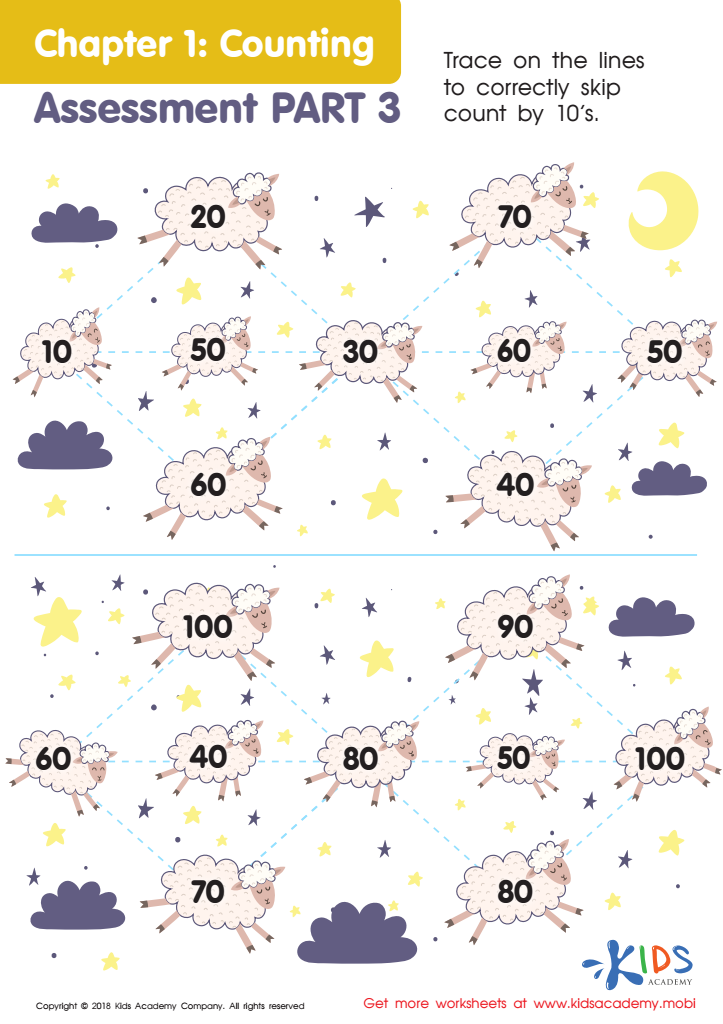
Counting: Assessment 3 Worksheet
 Assign to My Students
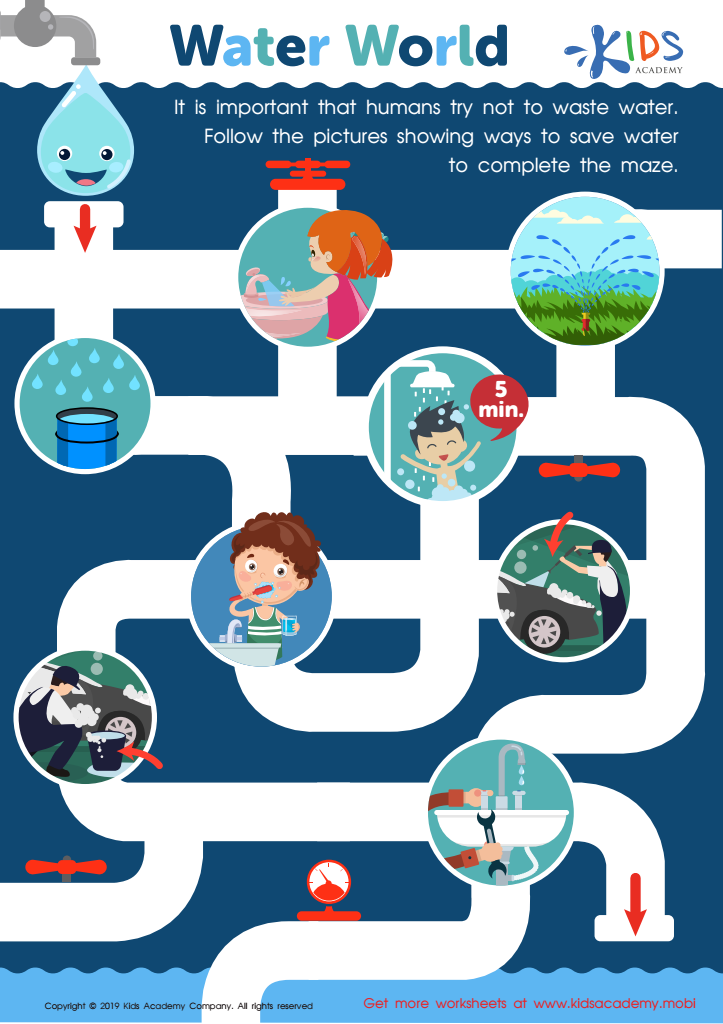
Water World Worksheet
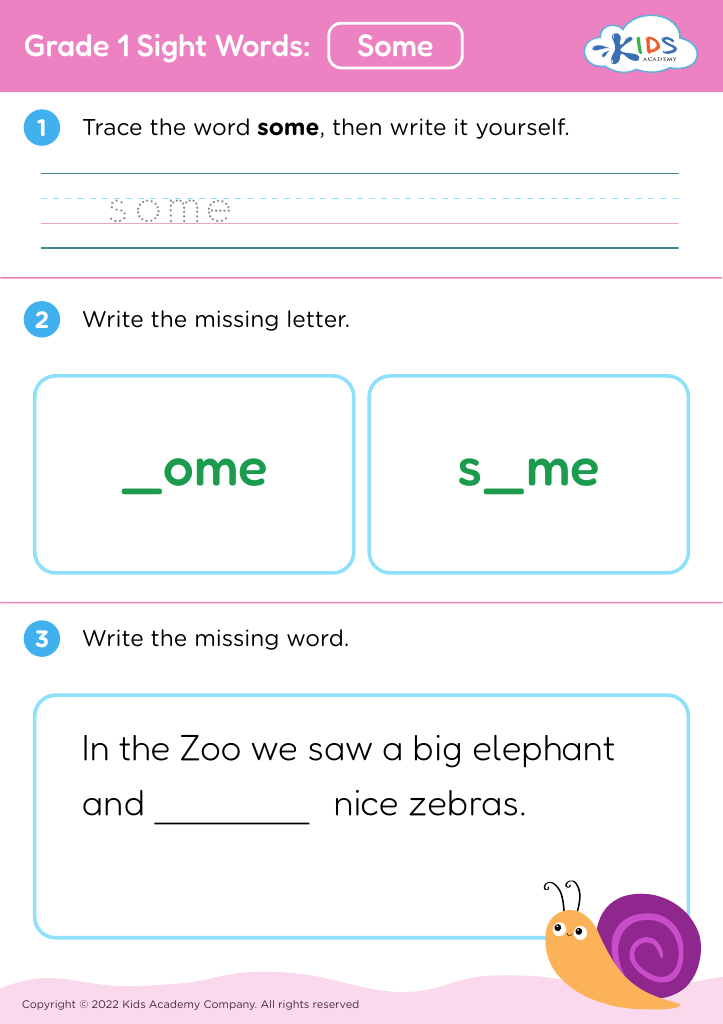







Developing comprehension in children aged 6-9 is crucial as it lays the foundation for successful reading and learning throughout their lives. At this age, children transition from learning to read to reading to learn, making comprehension skills essential for understanding subjects like math, science, and social studies. When parents and teachers focus on comprehension, they help students connect ideas, retain information, and think critically about what they read.
Strong comprehension skills enhance vocabulary, improve academic performance, and foster a lifelong love for reading. Engaging with texts helps children learn to infer meaning, ask questions, and summarize information, skills that are vital not only for school success but also for daily life. Furthermore, developing empathy and cultural awareness through literature encourages social and emotional growth.
When parents and teachers collaborate to improve comprehension, they create a supportive learning environment, making reading a shared adventure. By nurturing these skills early on, they empower children with tools to navigate the complexities of texts, develop their analytical thinking, and build confidence as effective communicators. Ultimately, prioritizing comprehension at this vital stage sets children on a path toward academic and personal success, ensuring they become informed and engaged citizens.








