Develops counting skills Worksheets for Ages 6-9
3 filtered results
-
From - To
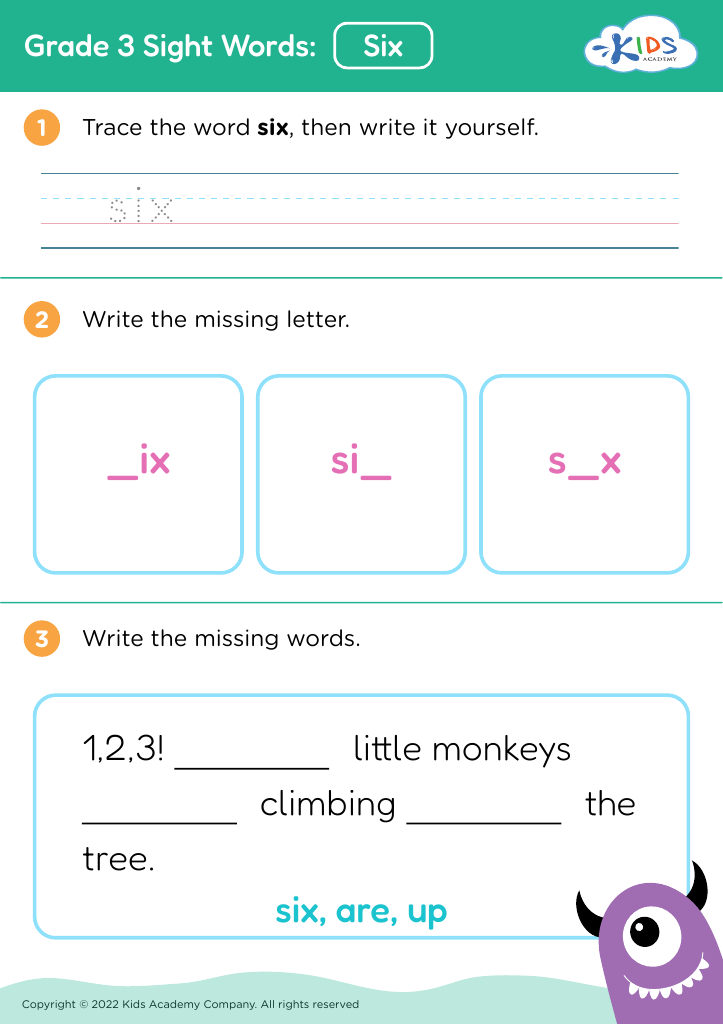
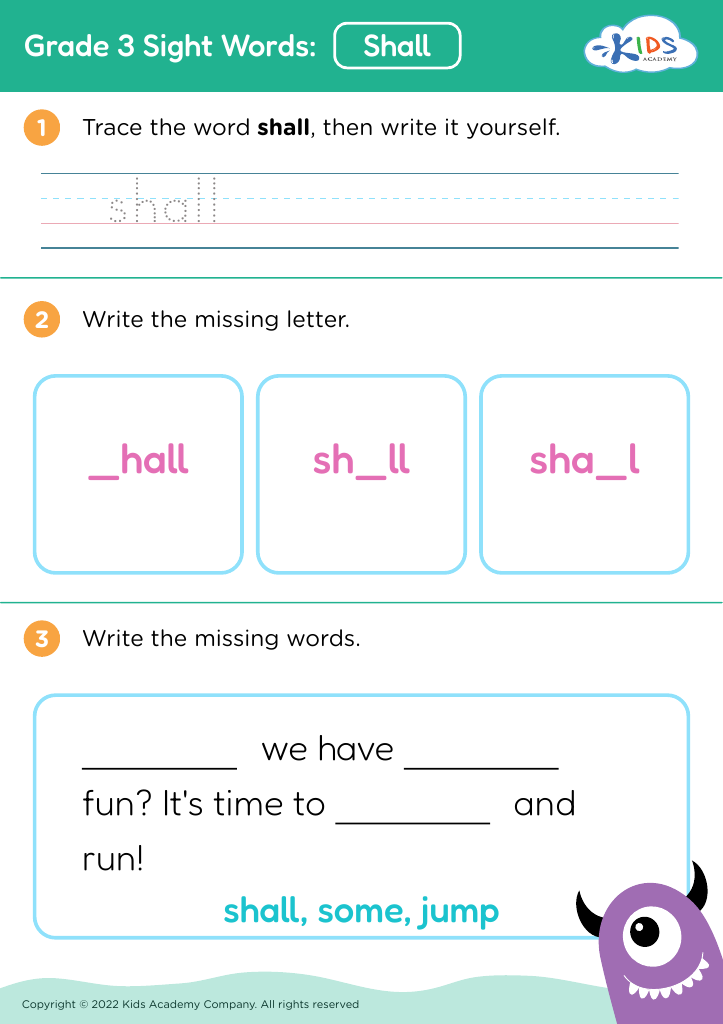
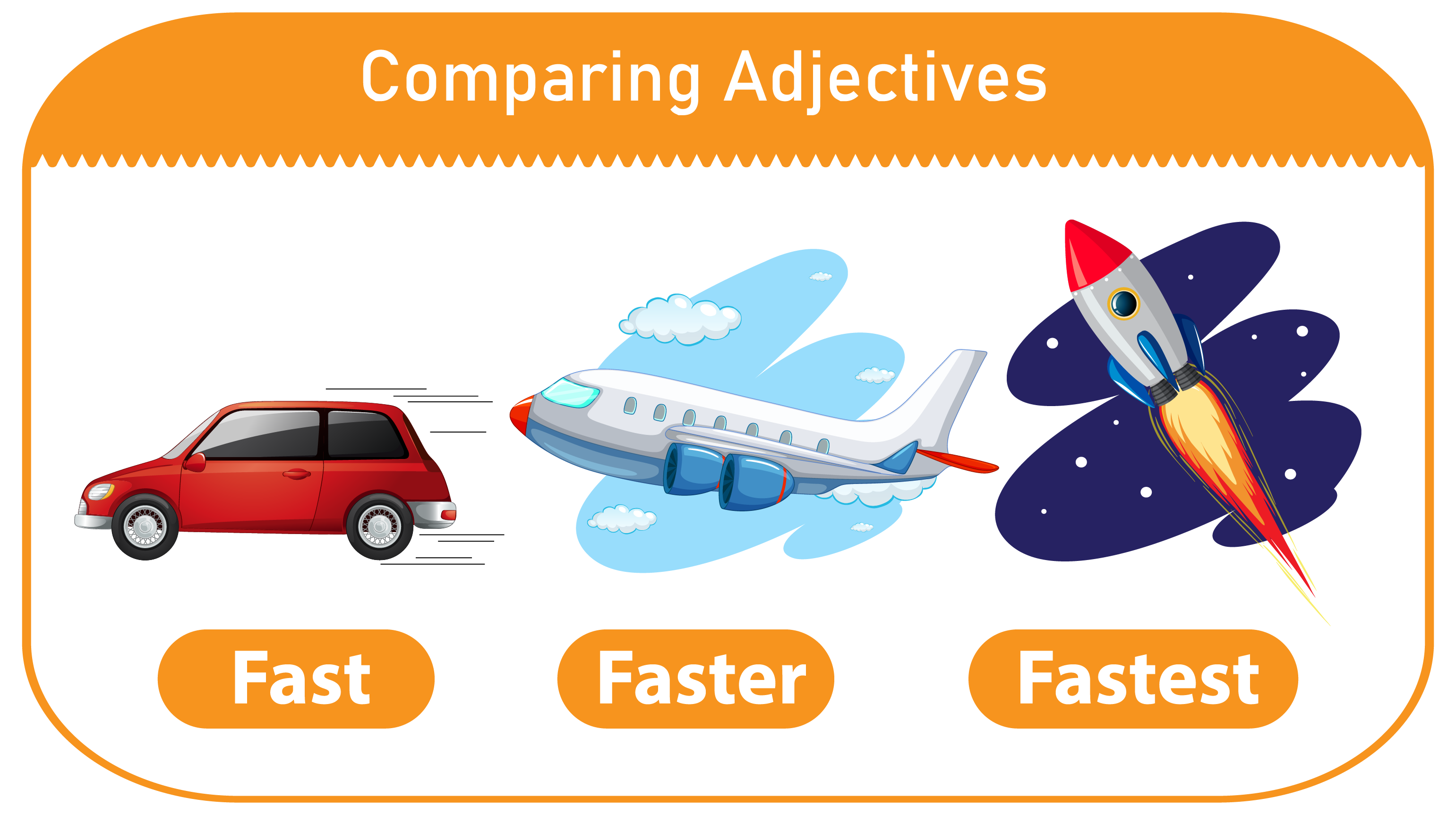
Welcome to our engaging "Develops Counting Skills Worksheets" page designed for children ages 6-9! Our carefully crafted worksheets focus on enhancing your child's counting abilities through fun and interactive activities. Each worksheet is tailored to meet the developmental needs of young learners, incorporating colorful visuals and stimulating exercises that foster number recognition and counting proficiency. These resources not only support early math skills but also encourage critical thinking and problem-solving. Parents and educators will find our worksheets to be a valuable supplement to classroom learning and at-home practice. Explore our collection and help your child master essential counting skills today!
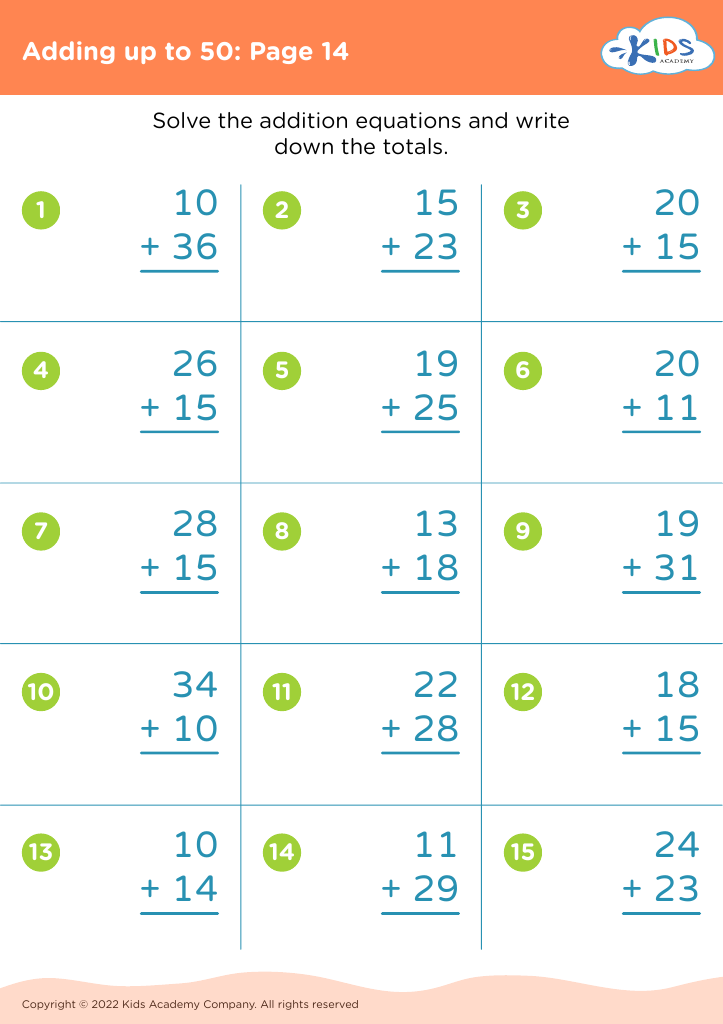







Developing counting skills for children ages 6-9 is crucial for several reasons, making it a priority for both parents and teachers. First, counting forms the foundation for more complex mathematical concepts, such as addition, subtraction, and later, multiplication and division. Mastery of counting helps children understand number relationships and enhances their problem-solving abilities.
Moreover, counting skills are essential for daily activities, encouraging confidence in real-life situations like shopping and budgeting. Children who are proficient in counting often exhibit stronger critical thinking skills, enabling them to approach math tasks with a positive mindset.
Additionally, early counting skills support cognitive development by engaging children in patterns and sequences, which fosters logical reasoning. This engagement also allows educators and parents to identify any areas where a child may need extra support, ensuring that they build on a solid foundation for future learning.
Finally, fostering these skills in an engaging way can instill a lifelong love for learning and exploration in mathematics. Generating enthusiasm around counting and numbers encourages children to view math not as a chore, but as an exciting adventure, ultimately setting them up for success academically and in everyday life.








