Enhance observation skills Worksheets for Ages 6-9
4 filtered results
-
From - To
Unlock your child's potential with our "Enhance Observation Skills Worksheets" tailored for ages 6-9! Skillfully designed to develop critical observation and analysis, these engaging worksheets encourage young learners to notice details, recognize differences, and improve their focus. Ideal for both classroom use and at-home learning, each activity invites curiosity and cognitive challenges, making observation fun and interactive. Watch as your child sharpens their skills like a detective while nurturing their creativity and critical thinking. Download these exciting resources now and help your child build a strong foundation in observation—an essential skill for lifelong learning and success!
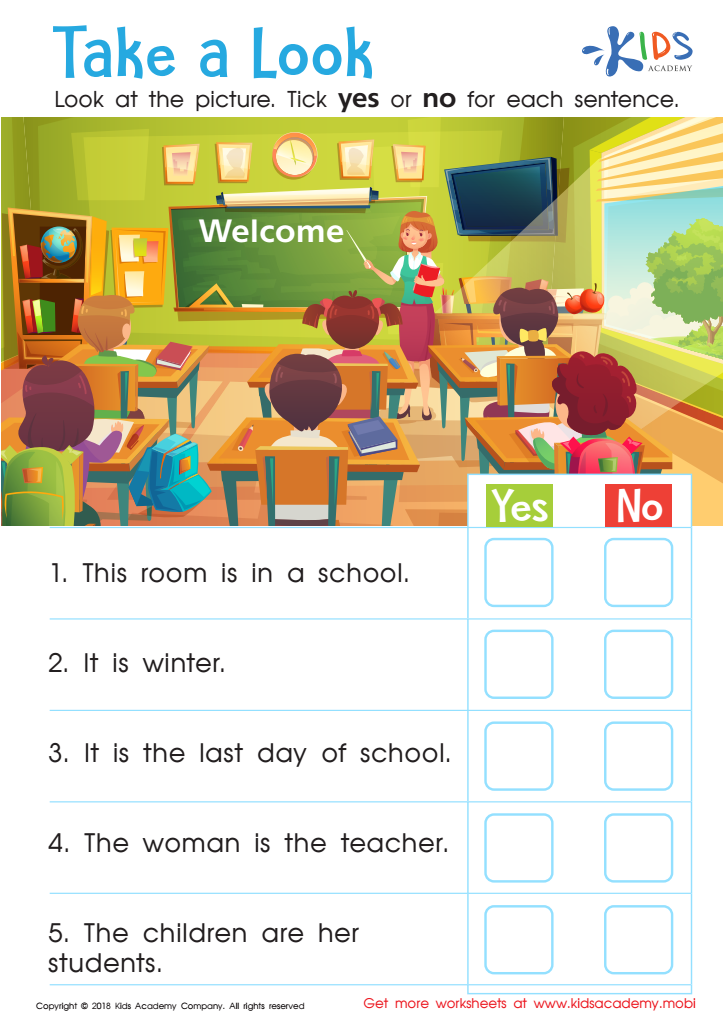
Take a Look - Part 2 Worksheet
 Assign to My Students
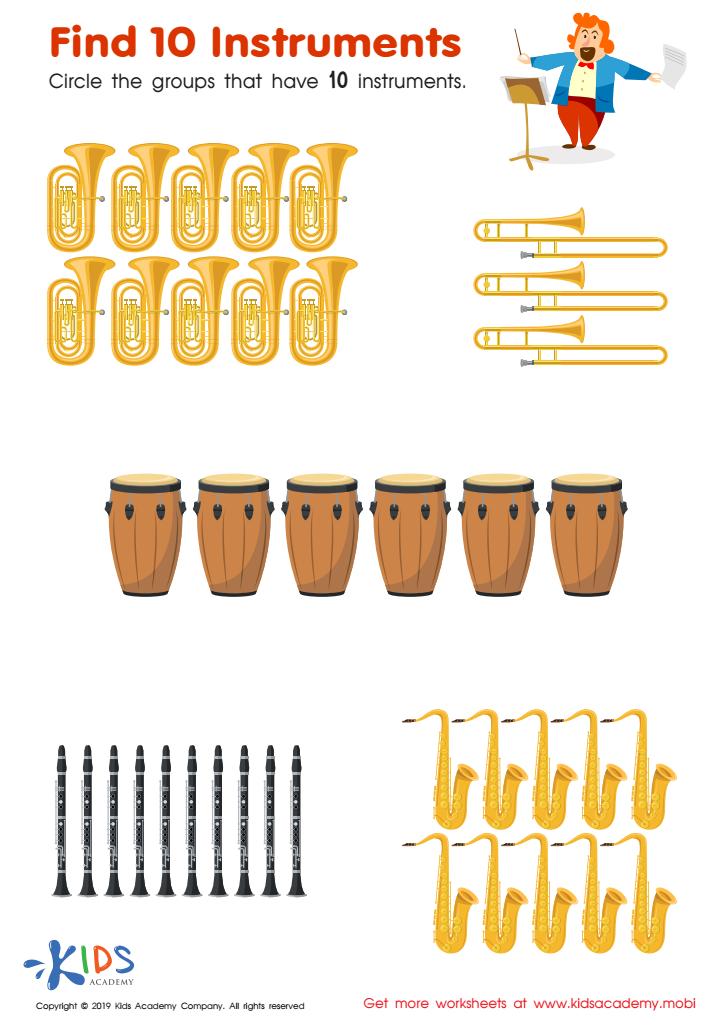
Find 10 Instruments Worksheet







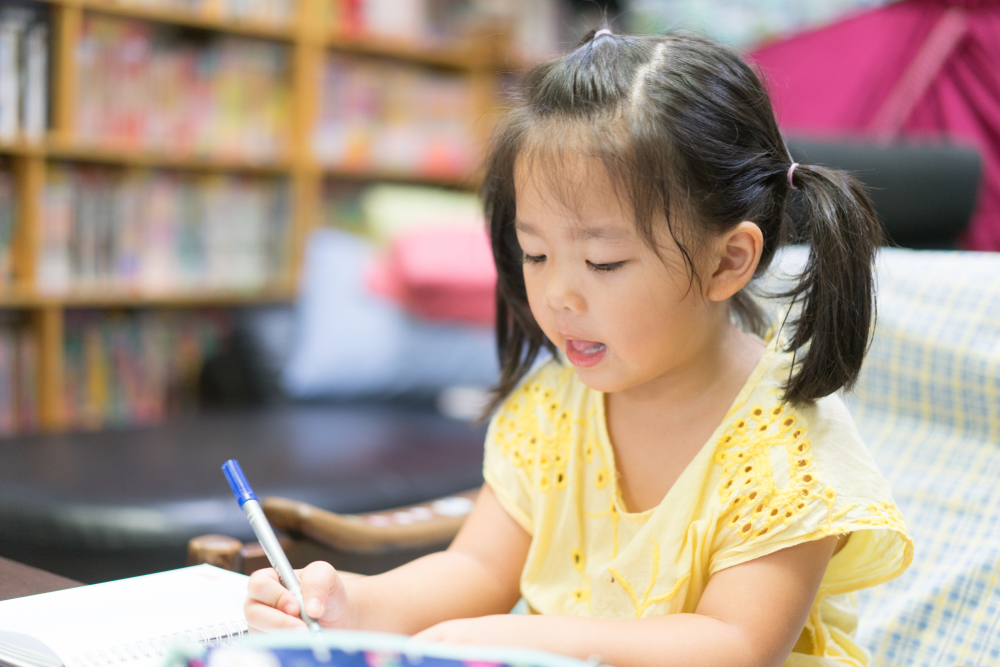
Enhancing observation skills in children aged 6-9 is crucial for their overall development and future learning. During these formative years, children are naturally curious about their surroundings. By fostering their ability to observe carefully, parents and teachers can help them develop critical thinking, problem-solving, and analytical skills. Improved observation skills allow children to gather information from their environment, leading to better retention and understanding of educational material.
Moreover, keen observation promotes creativity and imagination. Children learn to notice details in their environment and think critically about what they see, leading to richer storytelling and artistic expression. Observational skills also encourage curiosity, prompting children to ask questions and seek answers, thus fostering a lifelong love of learning.
Socially, children with strong observation skills can better interpret their peers’ emotions and reactions, facilitating more effective communication and empathy. This is essential for building healthy relationships and conflict resolution.
Engaging activities like nature walks, games that focus on details, or incorporating art can significantly enhance these skills. By prioritizing observation, parents and teachers empower children to become engaged, independent learners who feel confident exploring and questioning the world around them.








