Enhances number recognition Worksheets for Ages 6-9
7 filtered results
-
From - To
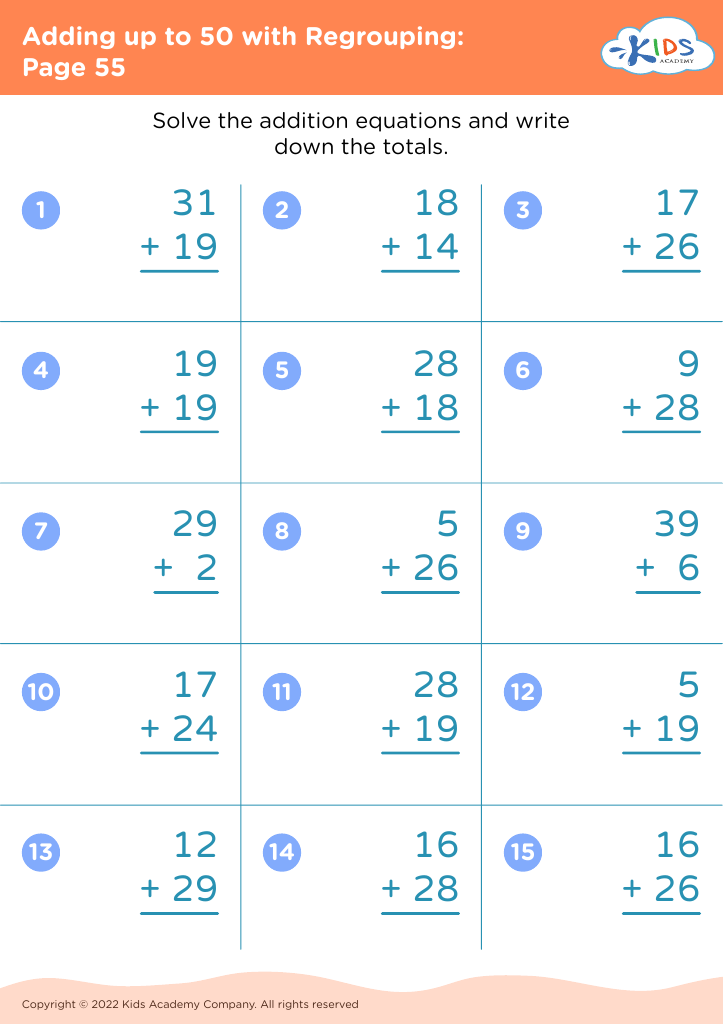
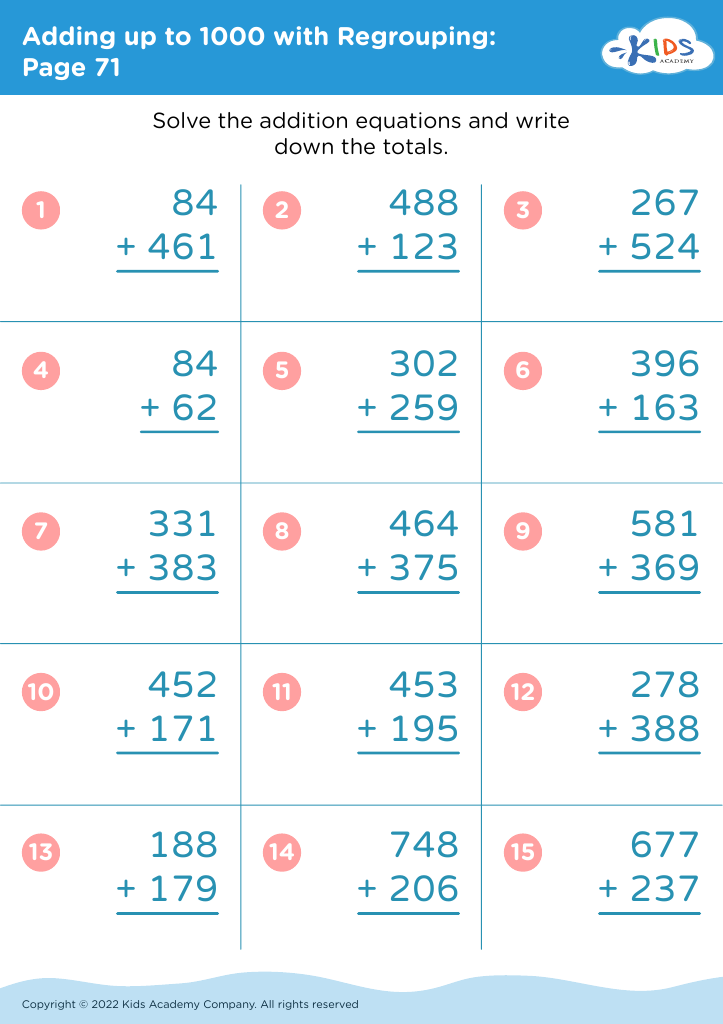
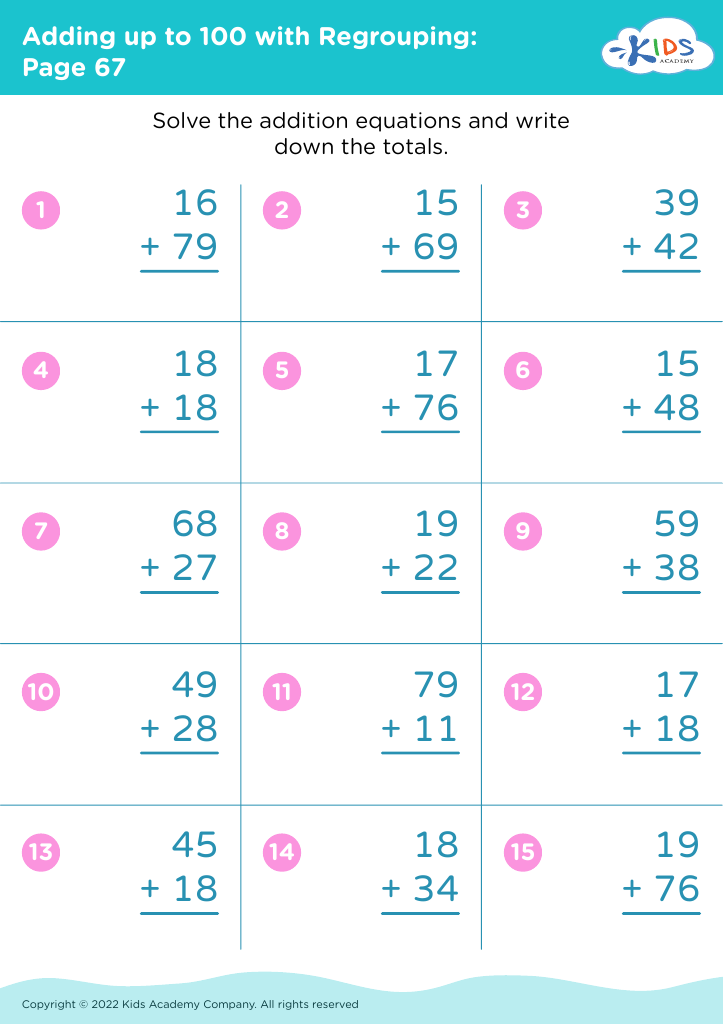
Discover our engaging "Enhances Number Recognition Worksheets" tailored for children aged 6-9! These worksheets are designed to support young learners in mastering number recognition through vibrant activities and interactive exercises. Each page encourages children to identify, write, and apply numbers in fun ways that spark their interest in math. Whether it's coloring, matching, or completing puzzles, these worksheets provide essential practice that builds confidence and foundational skills. Perfect for home or classroom use, our resources create a positive and enjoyable learning experience. Help your child thrive in number recognition with our thoughtfully crafted worksheets today!
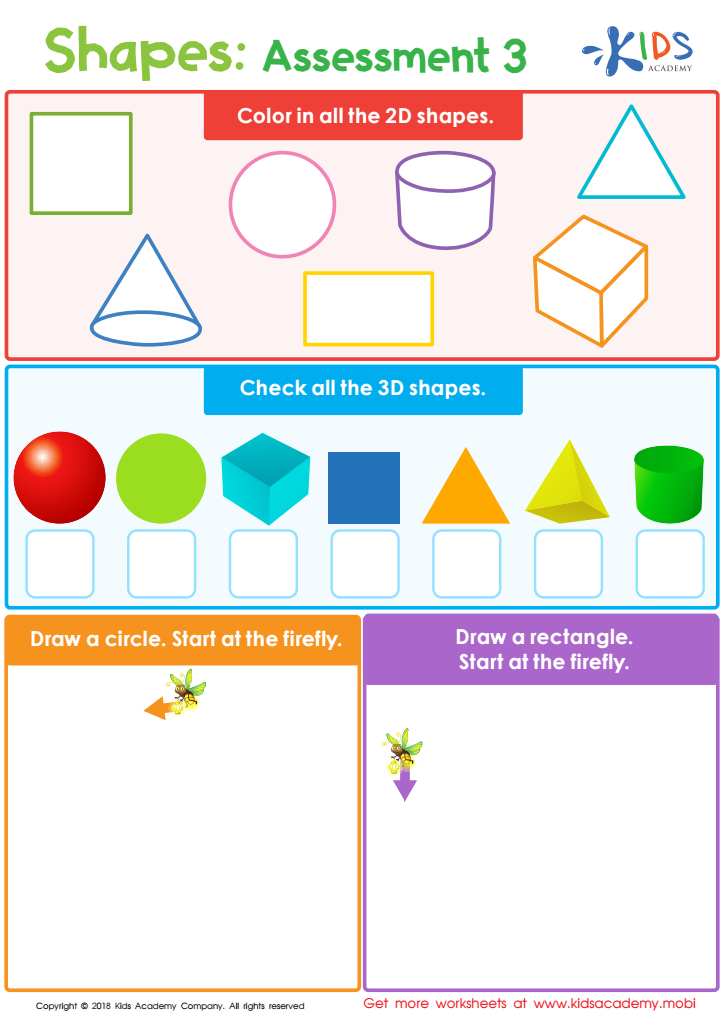
Shapes: Assessment 3 Worksheet
 Assign to My Students
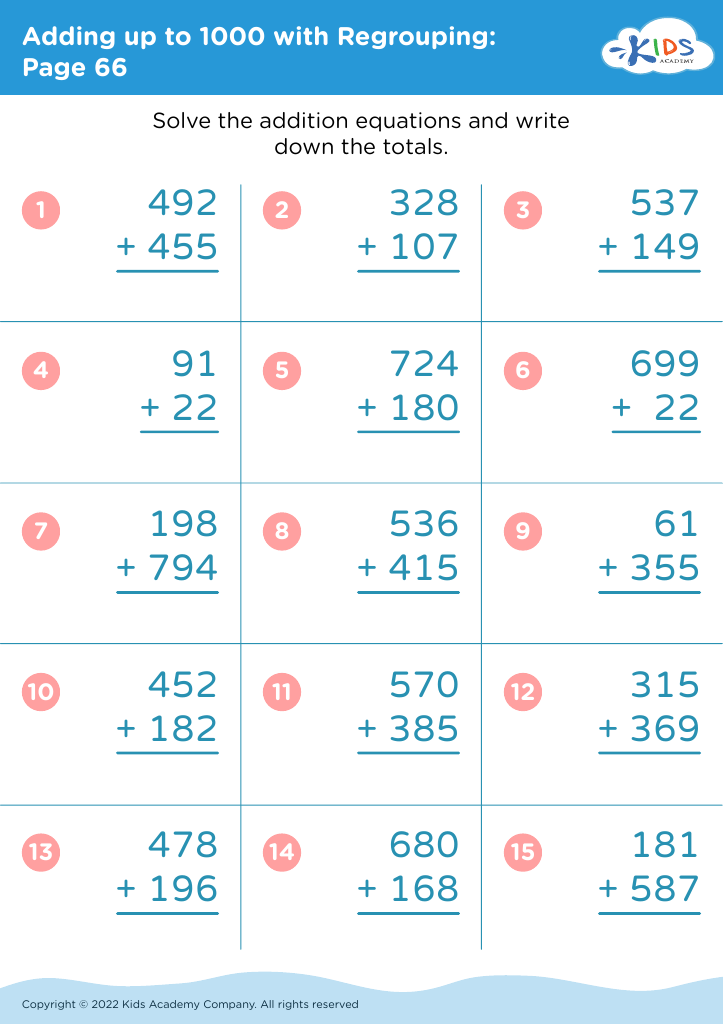
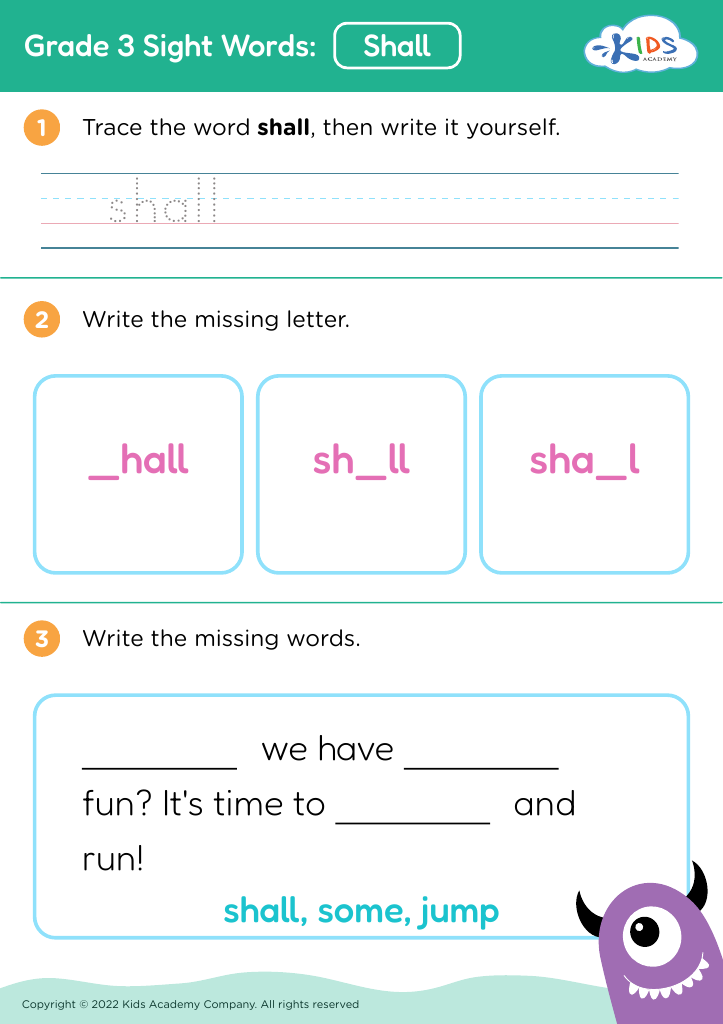
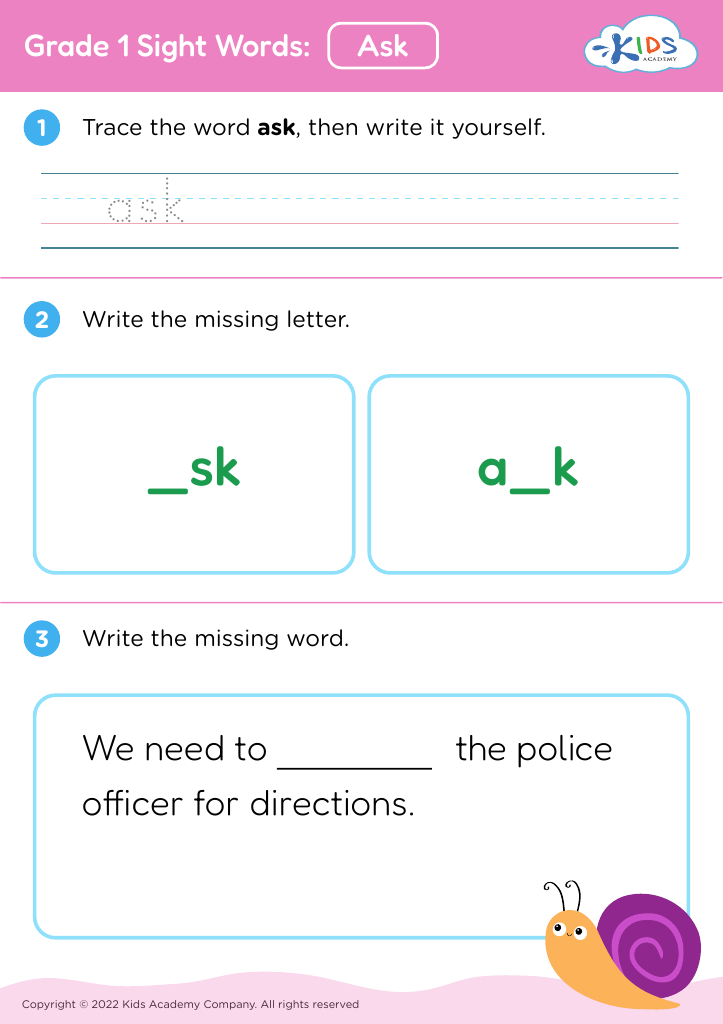






Enhancing number recognition for children aged 6 to 9 is crucial as it lays a strong foundational skill for future mathematical understanding and everyday problem-solving. During these formative years, children develop cognitive abilities that allow for the comprehension of larger mathematical concepts. Recognizing numbers accurately enables them to grasp essential ideas such as counting, addition, subtraction, and even concepts like place value and basic multiplication later on.
Parents and teachers play a vital role in fostering number recognition. By supporting this skill through engaging and age-appropriate activities, they help children gain confidence and enthusiasm for math, breaking any early aversions. Additionally, mastering number recognition promotes better performance in school assessments and reduces anxiety around mathematics, contributing to a positive learning experience.
As children navigate various environmental challenges, strong number recognition aids in developing life skills like budgeting, shopping, and telling time. It helps forge critical thinking and problem-solving abilities that extend beyond mathematics, empowering children to face everyday situations effectively. In essence, prioritizing number recognition not only promotes academic success but also equips children with essential skills for their future roles as independent and numerically literate individuals.








