Logical thinking improvement Worksheets for Ages 6-9
5 filtered results
-
From - To
Enhance your child's logical thinking skills with our engaging worksheets designed specifically for ages 6-9! These thoughtfully crafted activities help young learners develop critical reasoning and problem-solving abilities through fun exercises. With a variety of puzzles, games, and challenges, each worksheet encourages children to think critically and make connections, fostering cognitive growth in an enjoyable way. Whether at home or in the classroom, these printable resources serve as a valuable tool for parents and educators alike. Promote your child's intellectual development and confidence as they explore and improve their logical thinking skills with our comprehensive collection of worksheets!
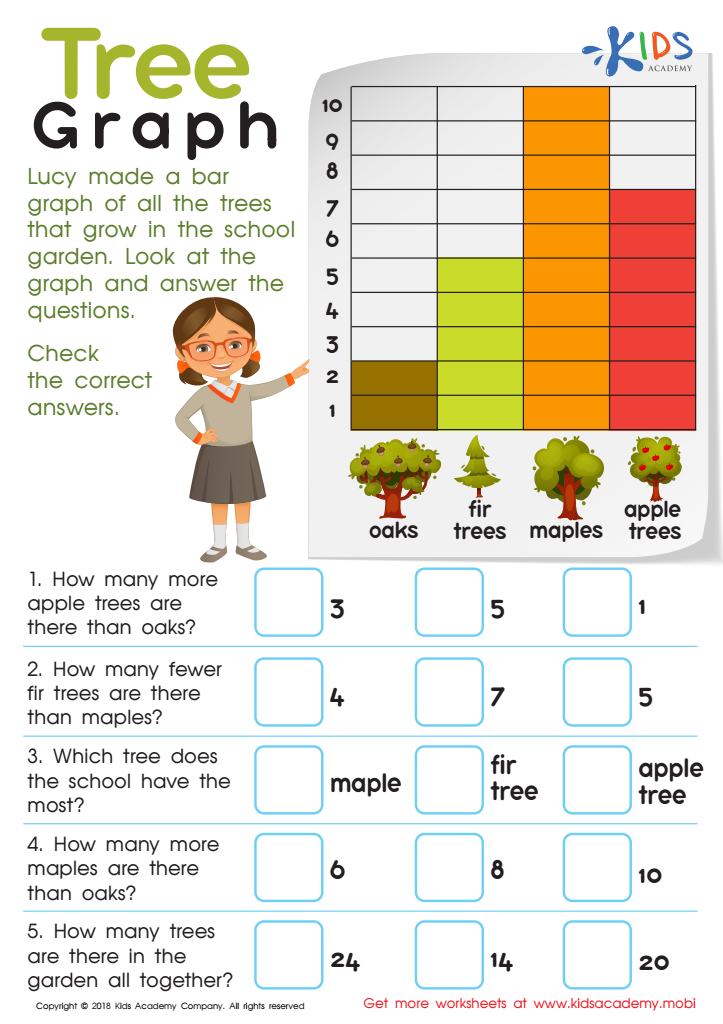
Tree Graph Worksheet
 Assign to My Students
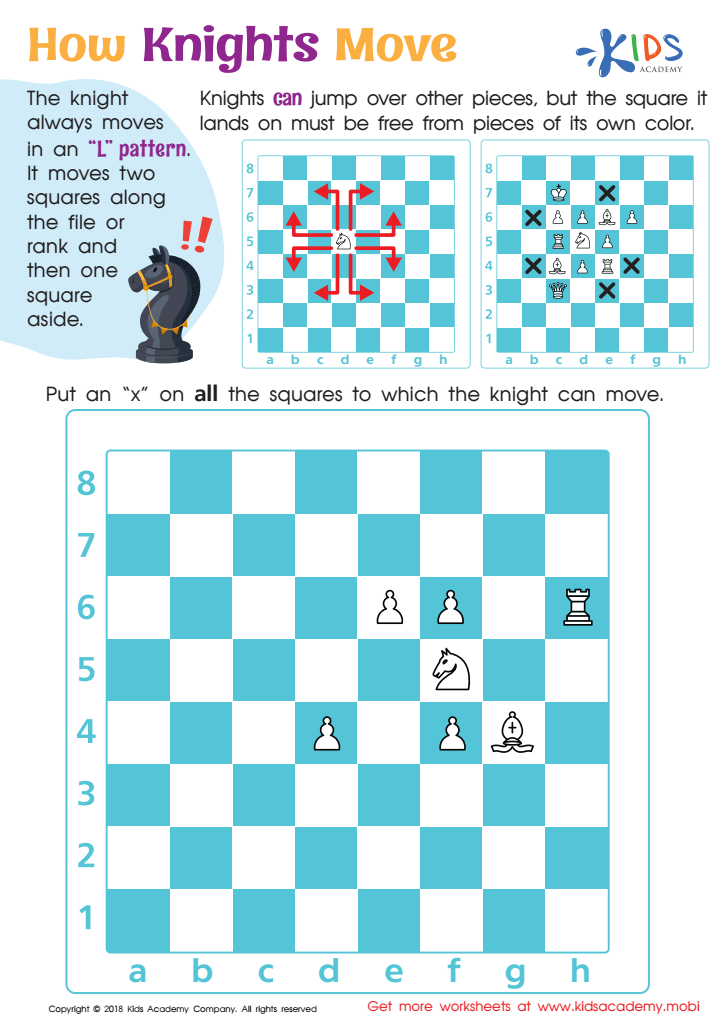
How Knights Move Worksheet
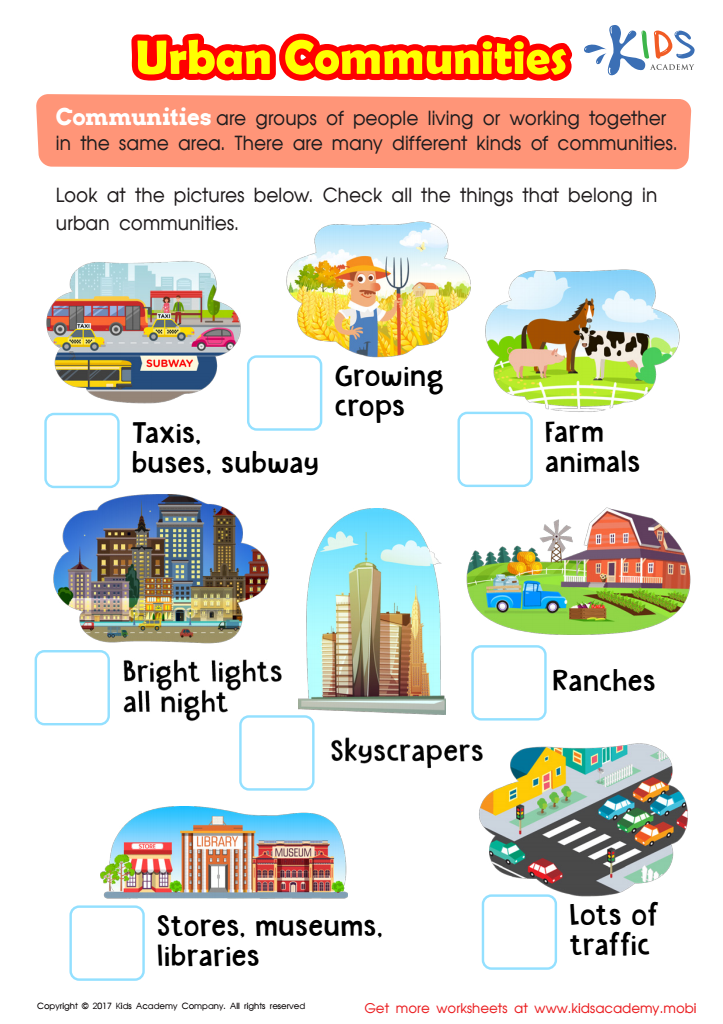
Urban Communities Printable
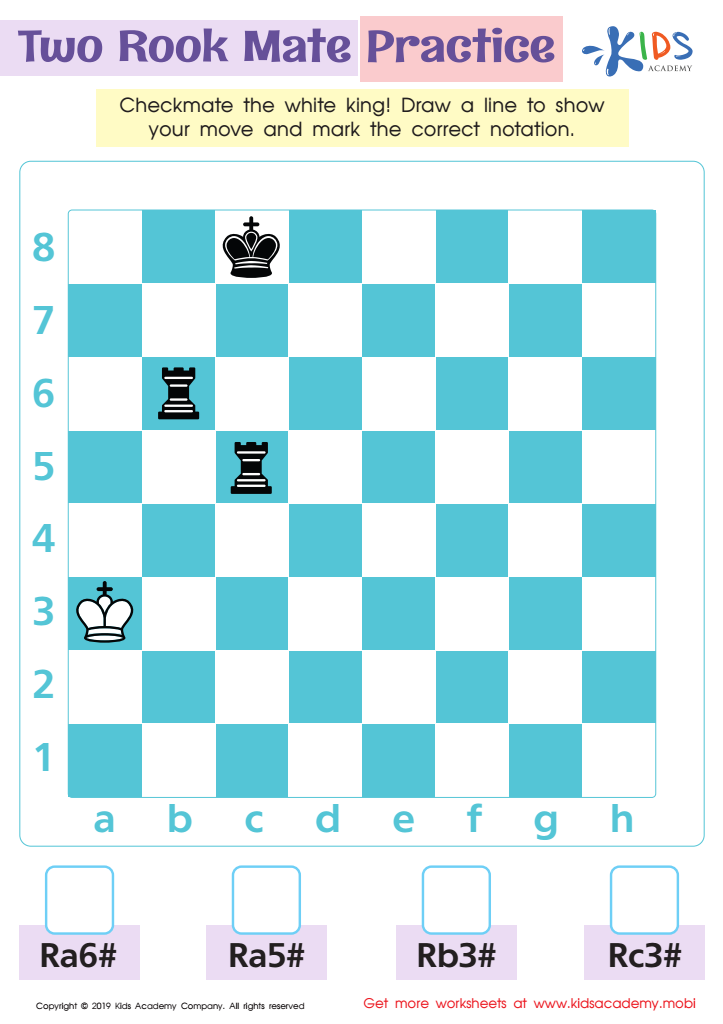
Two Rook Mate Practice Worksheet
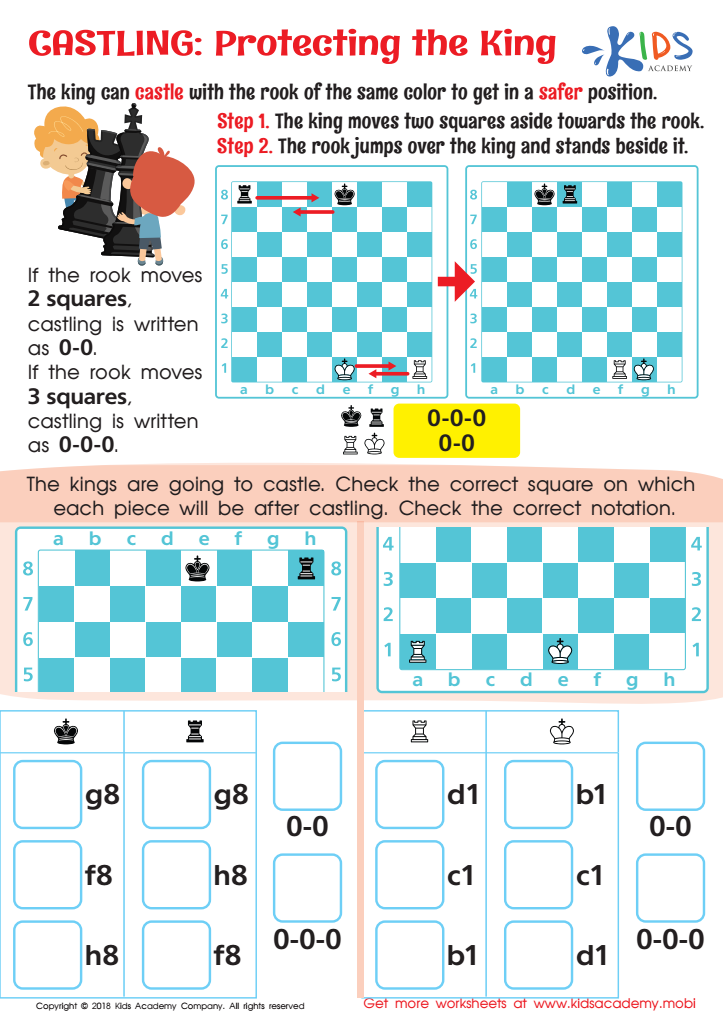
Castling: Protecting the King Worksheet






.jpg)
Logical thinking skills are crucial for children aged 6-9 as they form the foundation for critical problem-solving and decision-making abilities. At this stage, children begin to develop analytical skills that are vital for understanding complex concepts, both academically and in everyday situations. By fostering logical thinking, parents and teachers empower children to approach challenges methodically, enhancing their ability to analyze information, draw conclusions, and formulate solutions.
Moreover, improved logical thinking skills positively impact children’s comprehension in subjects such as math and science. When children learn to think logically, they become more capable of recognizing patterns, identifying relationships, and solving puzzles, which can boost their confidence and motivation in learning.
Additionally, these skills facilitate better social interactions, as children with strong logical reasoning can navigate disputes and communicate their thoughts more clearly. Encouraging logical thinking also nurtures curiosity, prompting young learners to explore new ideas and ask questions.
In an ever-evolving world where complex decision-making is essential, preparing children with robust logical reasoning skills is undoubtedly beneficial, setting them up for academic success and lifelong problem-solving capabilities. Thus, both parents and teachers should prioritize and foster logical thinking improvements during these formative years.








