Practice writing numbers Worksheets for Ages 6-9
7 filtered results
-
From - To
Discover our engaging practice writing numbers worksheets designed specifically for kids ages 6-9! These interactive and fun worksheets help young learners master number formation and improve their handwriting skills through a variety of exercises. From tracing numbers to writing them independently, each worksheet reinforces number recognition and boosts confidence. Ideal for home or classroom use, our worksheets encourage creativity and critical thinking, making math enjoyable for every child. Tailored to meet early grade standards, they're perfect for reinforcing key math skills. Encourage your child's love for learning today with our comprehensive collection of writing number worksheets! Start practicing now!
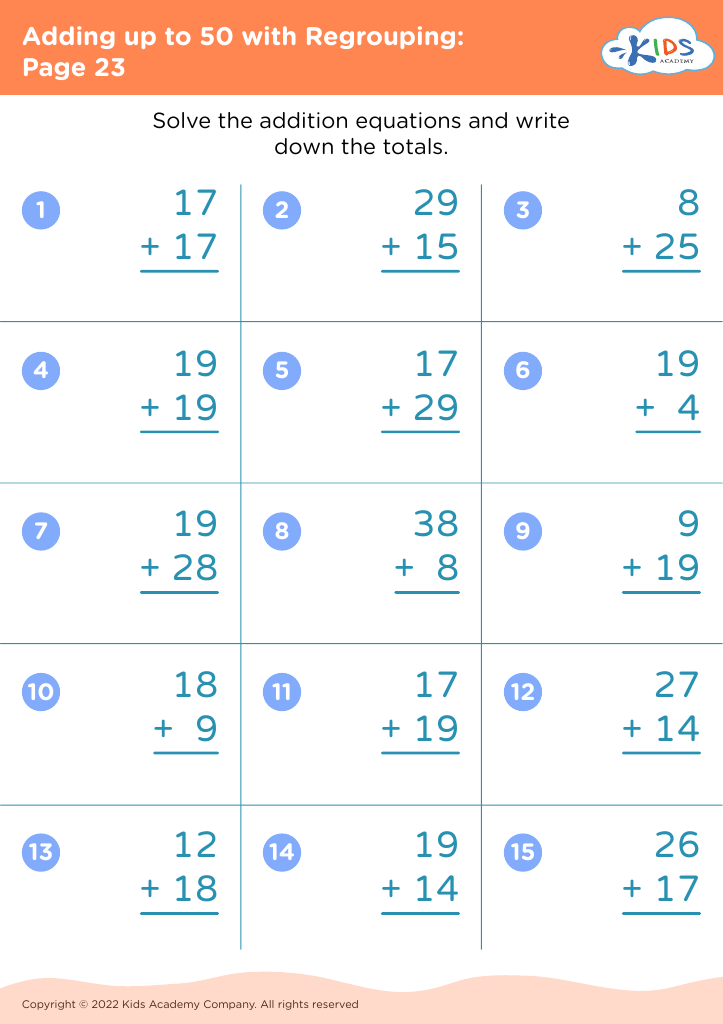
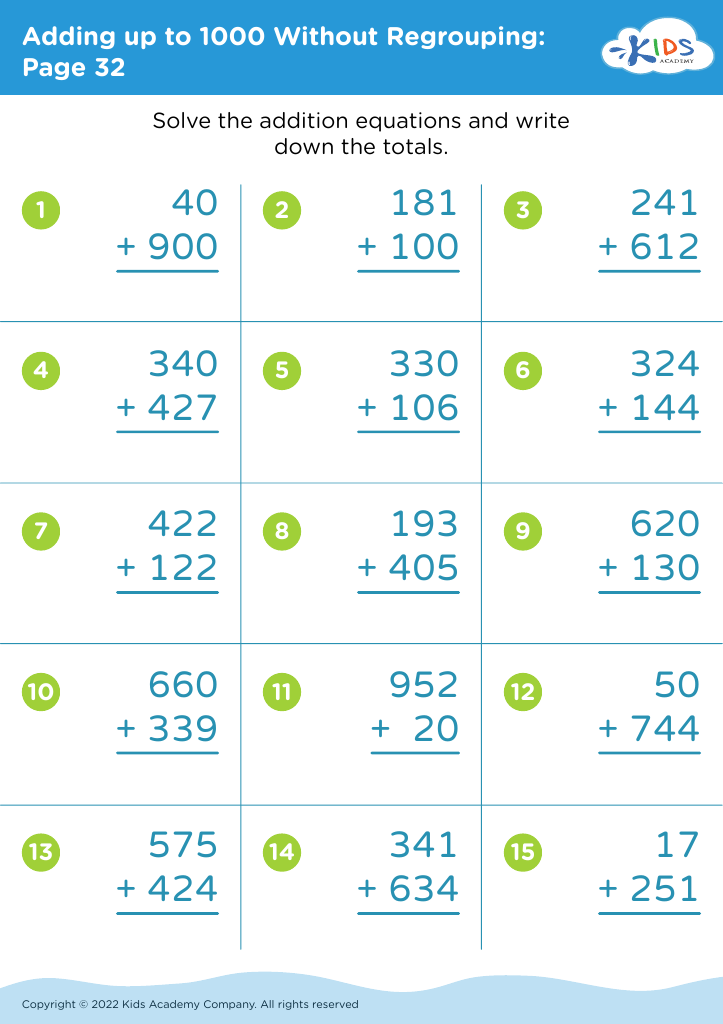
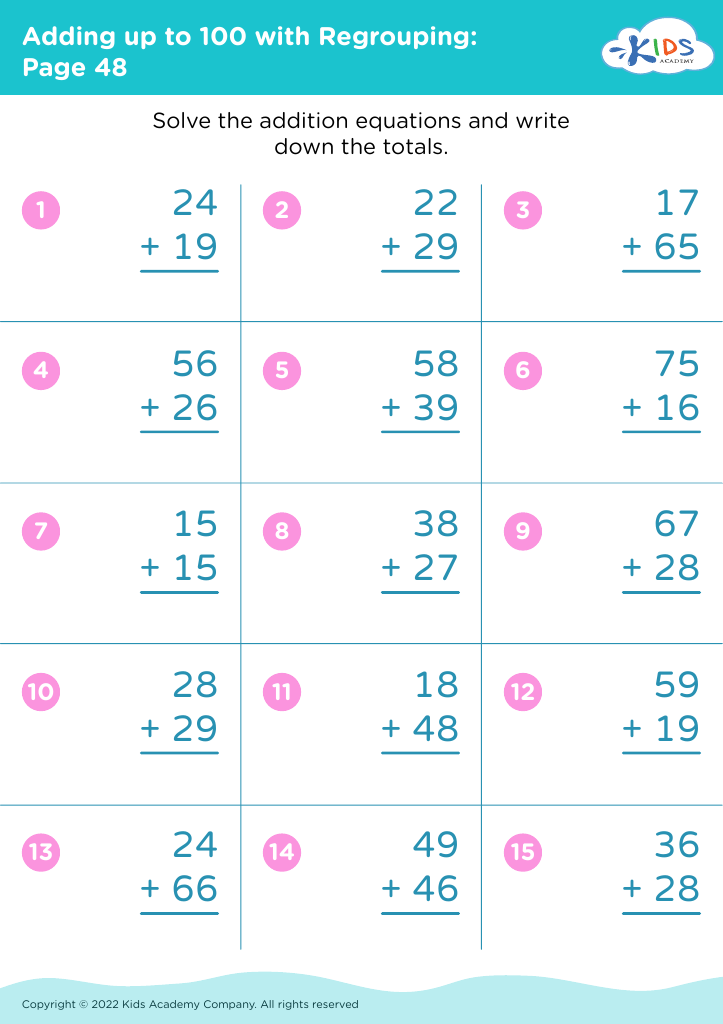
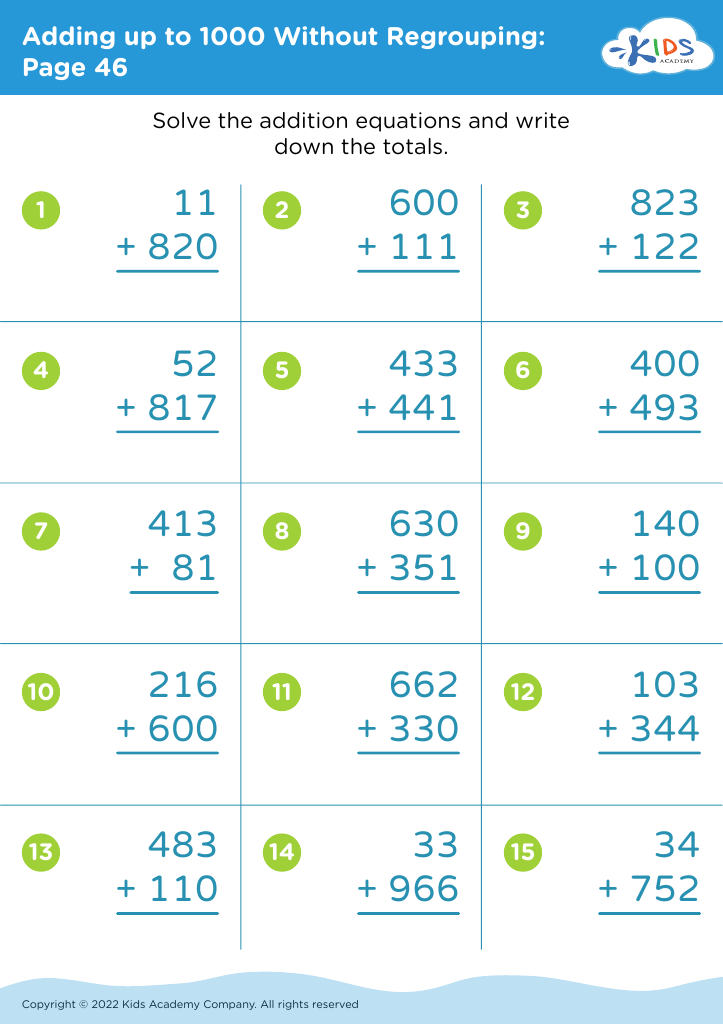
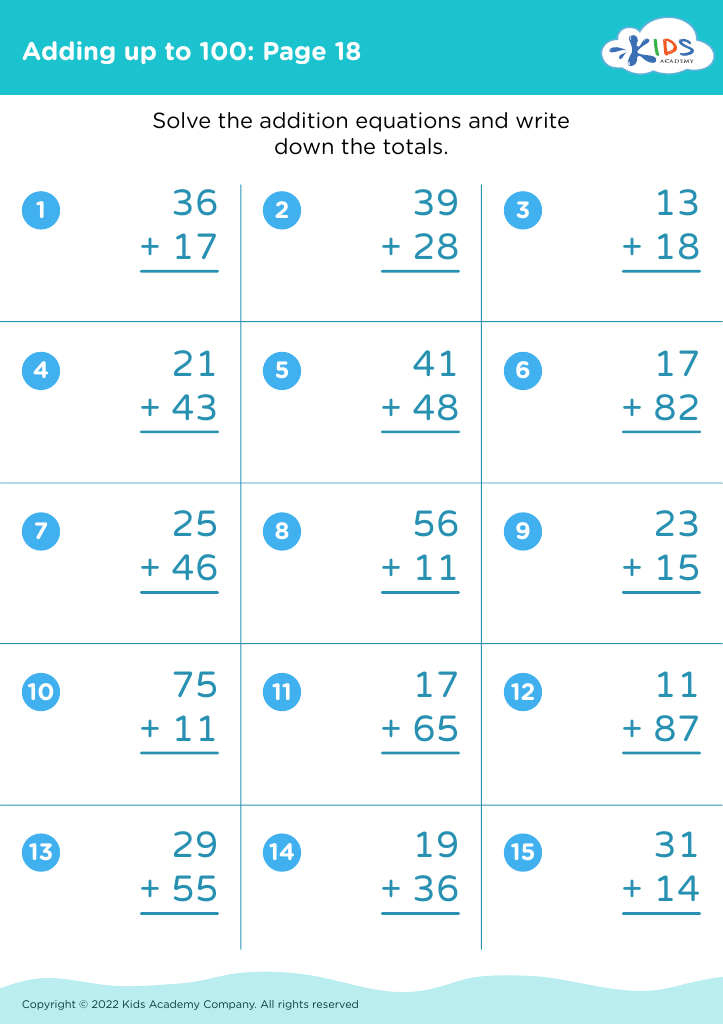
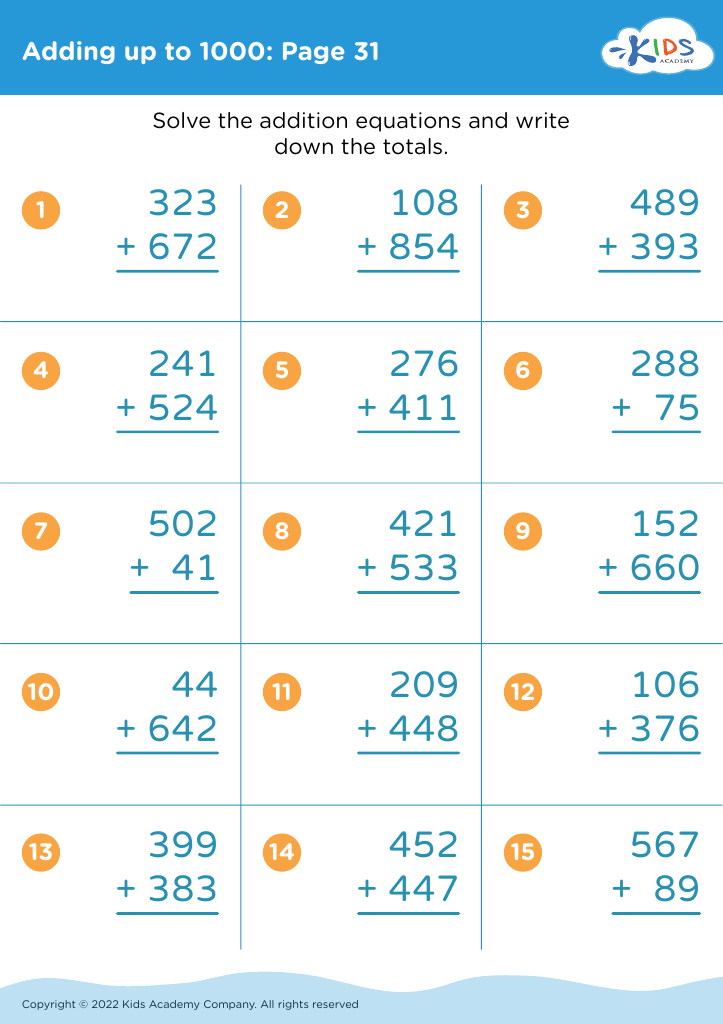
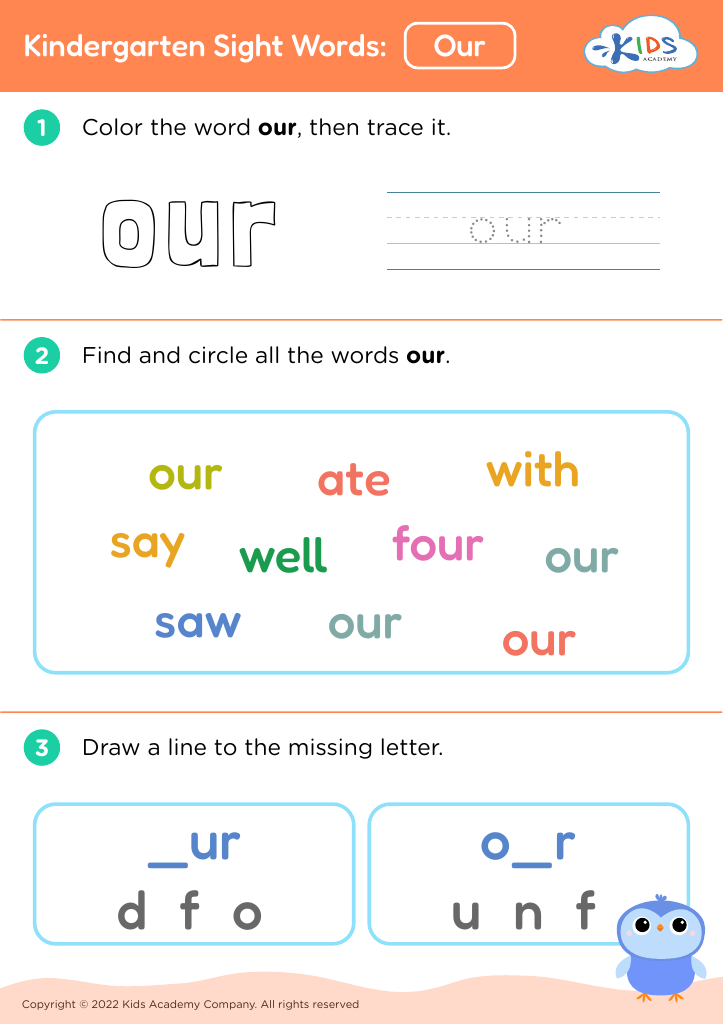








Practicing writing numbers is crucial for children aged 6-9, as it lays the foundation for their mathematical understanding and literacy skills. At this developmental stage, children are transitioning from early number recognition to more complex mathematical concepts. Writing numbers helps reinforce number formation and enhances fine motor skills, which are essential for overall writing development.
Moreover, consistent practice fosters number sense, enabling children to understand quantity, sequences, and the relationships between numbers. This enhances their ability to perform basic arithmetic operations, which will be built upon in later grades. Parents and teachers should care about this practice because it contributes to children’s confidence in their mathematical abilities.
Additionally, writing numbers integrates cognitive and kinesthetic learning, engaging different parts of the brain and aiding memory retention. It becomes a stepping stone for future subjects, including science and technology, where numerical skills are frequently employed. Involving parents in this practice at home strengthens the learning connection and offers opportunities for interactive, fun learning experiences, further motivating children. Thus, investing time in practicing number writing is essential for nurturing early academic success and a positive attitude towards mathematics.








