Understand multiplication Worksheets for Ages 6-9
6 filtered results
-
From - To
Unlock the magic of multiplication with our expertly crafted worksheets designed for ages 6-9. Kids Academy offers engaging and visually appealing printables that simplify multiplication concepts for young learners. Through fun, interactive exercises, children will grasp the basics of multiplication, enhance their problem-solving skills, and build a strong mathematical foundation. Each worksheet is thoughtfully created to capture children's interest while promoting effective learning strategies. Empower your child to excel in math and enjoy the learning journey with our top-quality multiplication worksheets. Visit Kids Academy to inspire a love of learning and get your free printables today!
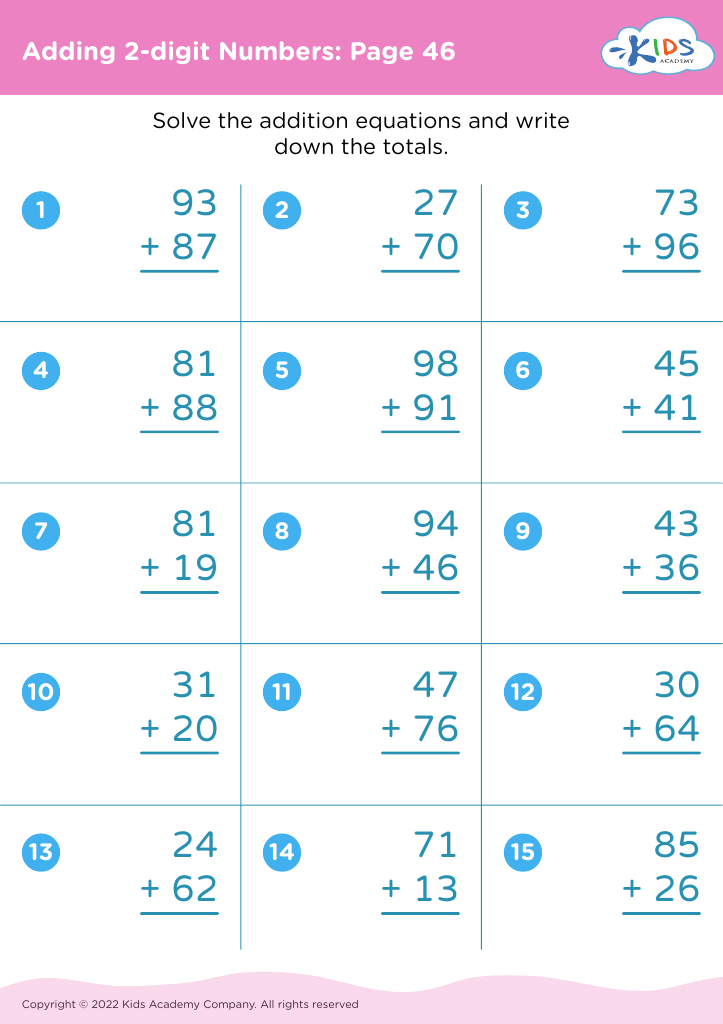
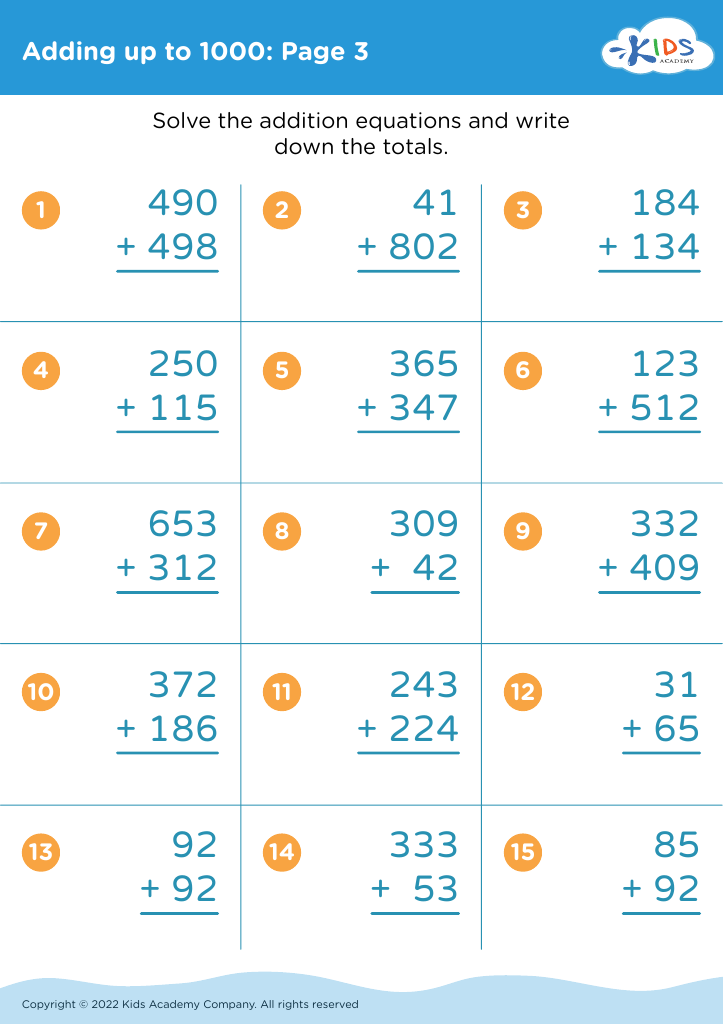
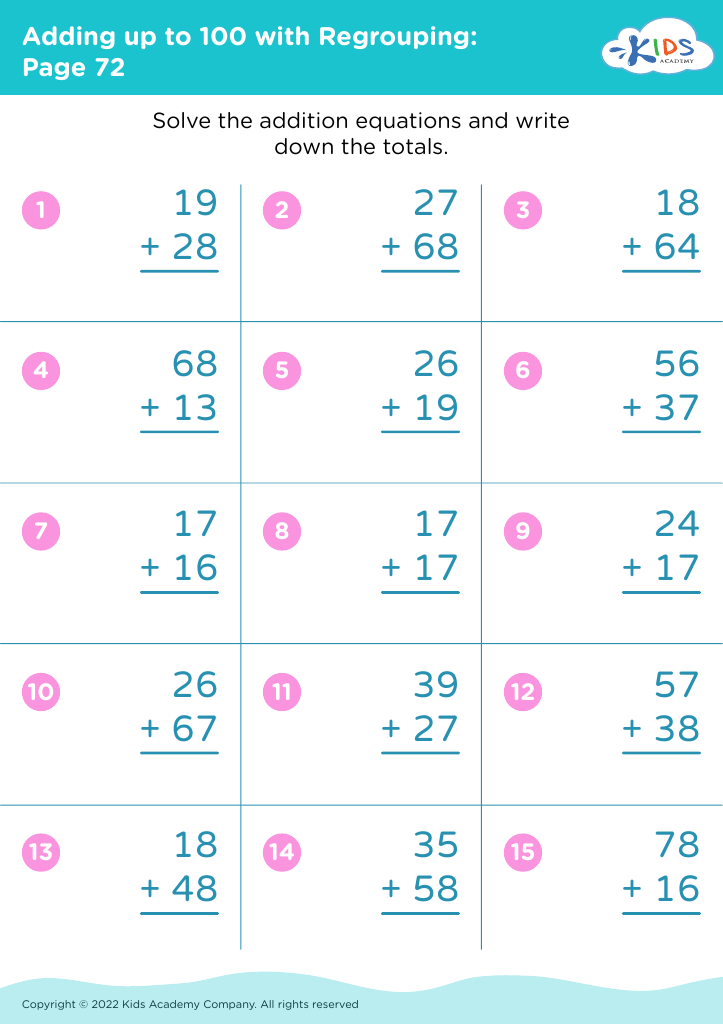
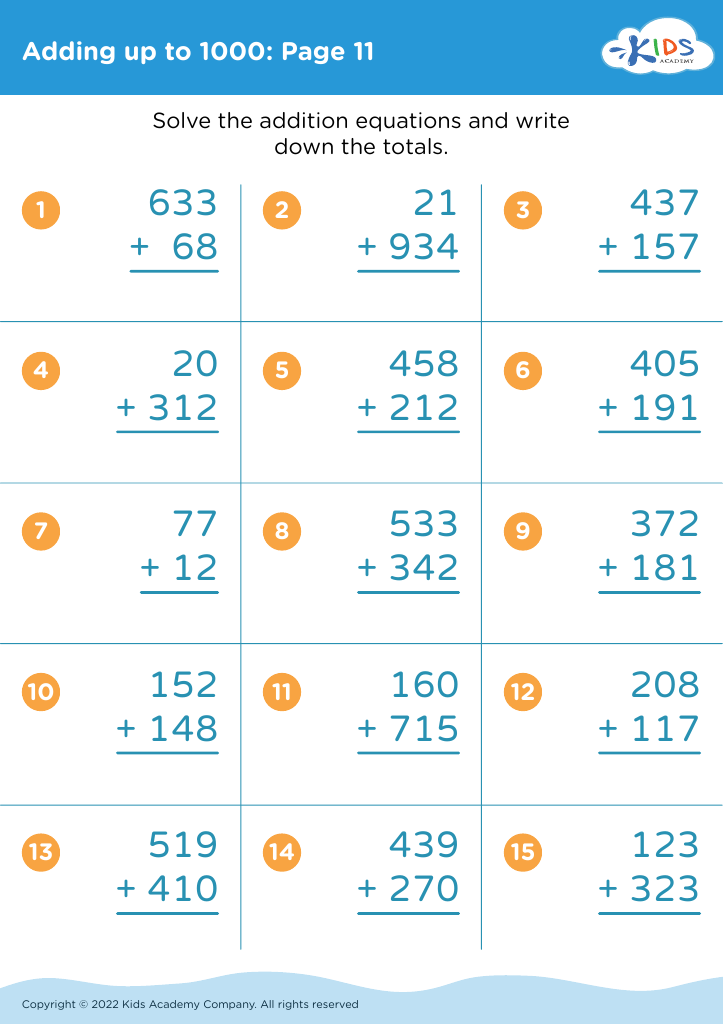
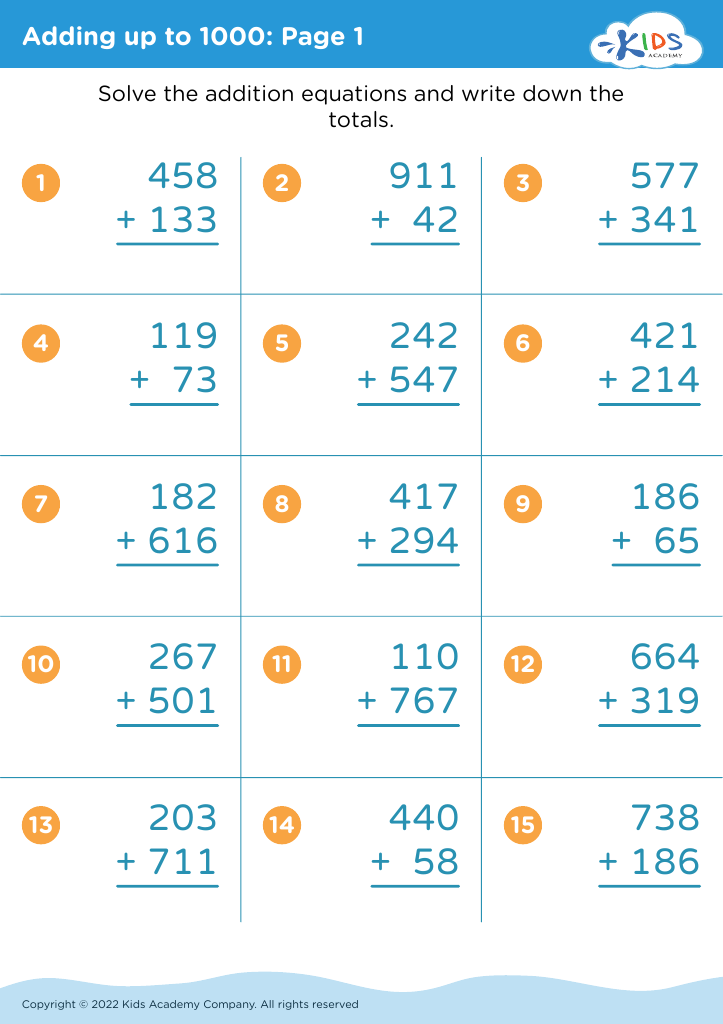
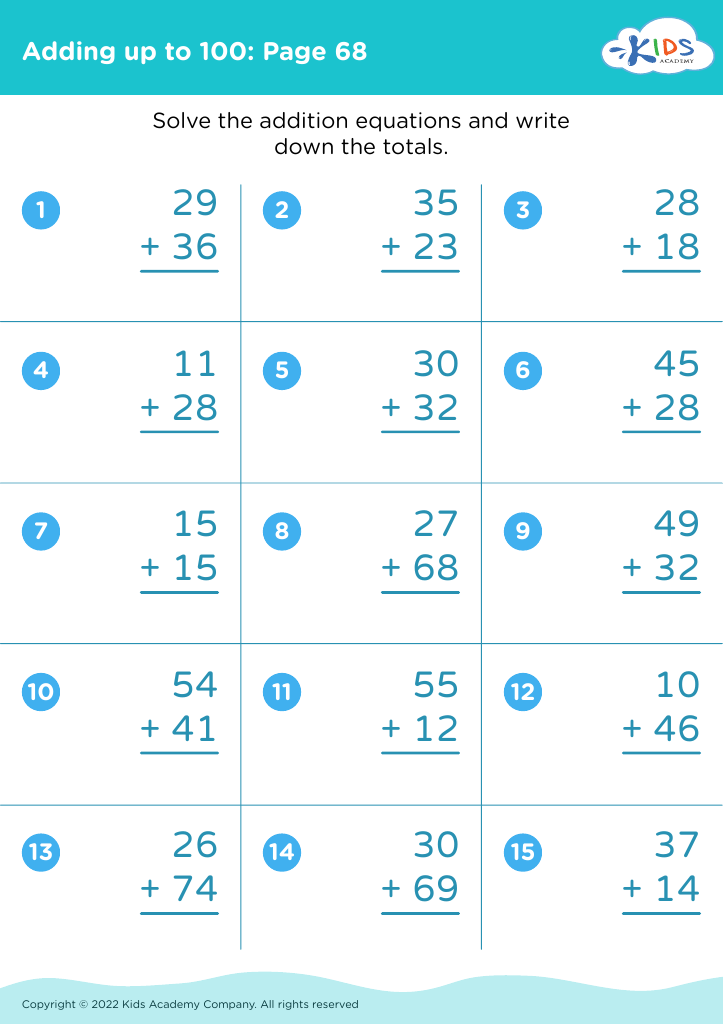








Understanding multiplication for children aged 6-9 is crucial because it lays a foundation for future mathematical learning and practical life skills. At this developmental stage, children's brains are highly receptive to new concepts, and introducing multiplication helps them build number sense and pattern recognition.
Mastering multiplication tables fosters confidence and encourages a positive attitude toward mathematics. As students understand that multiplication is repeated addition, they begin to see relationships between numbers, which enhances their problem-solving abilities and critical thinking skills. This early understanding is vital for more complex math topics such as division, fractions, and algebra.
For parents, supporting their children in learning multiplication means providing them with essential tools for academic success. Engaging in fun, everyday practices—like playing math games, using flashcards, or involving children in cooking recipes—can make learning multiplication enjoyable and relevant.
Teachers can leverage multiplication to introduce various teaching methods, such as visual aids and interactive activities, catering to different learning styles. When children grasp multiplication early on, they are more prepared for higher grades, and this foundational knowledge reduces potential struggles with more advanced math topics.
In summary, by prioritizing the understanding of multiplication, parents and teachers invest in a child's future academic achievements and cultivate lifelong numeracy skills essential for numerous real-life situations.








