Understanding number sequence Worksheets for Ages 6-9
8 filtered results
-
From - To
Discover our engaging Understanding Number Sequence Worksheets designed specifically for children ages 6-9. These worksheets help young learners develop essential skills in recognizing and completing number sequences, promoting logical thinking and numerical fluency. Our fun exercises incorporate various formats, including fill-in-the-blanks and colorful visuals, ensuring that children stay motivated while learning. Perfect for home or classroom use, these resources align with educational standards and are an excellent tool for reinforcing math fundamentals. Explore our comprehensive collection to support your child's mathematical journey and help them gain confidence in their number sequencing abilities today!
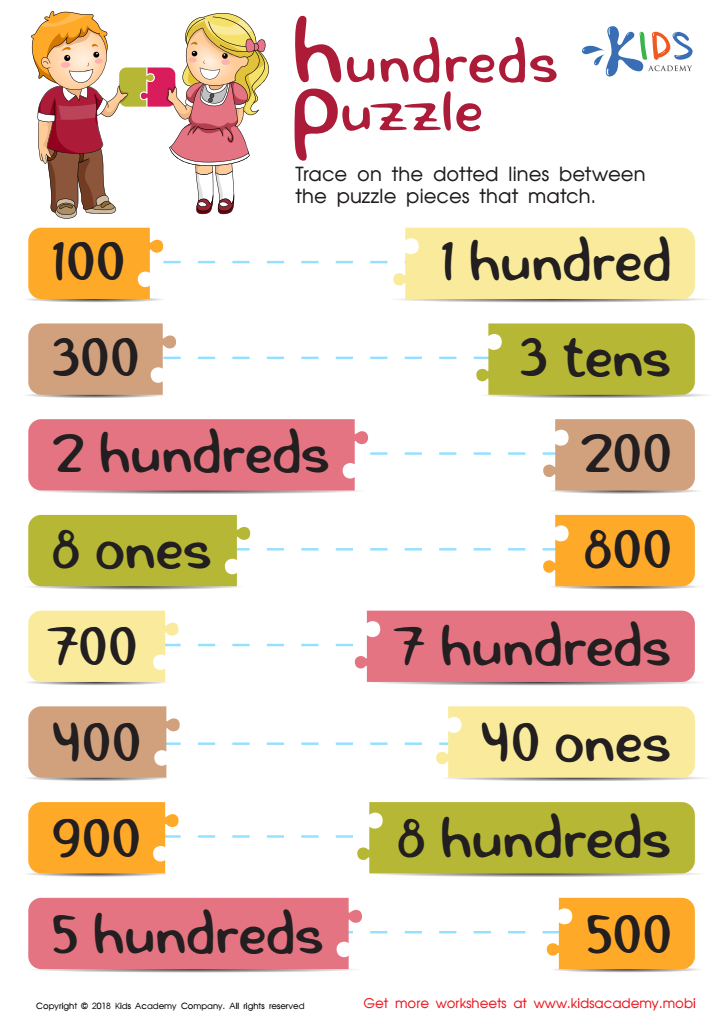
Hundreds Puzzle Worksheet
 Assign to My Students
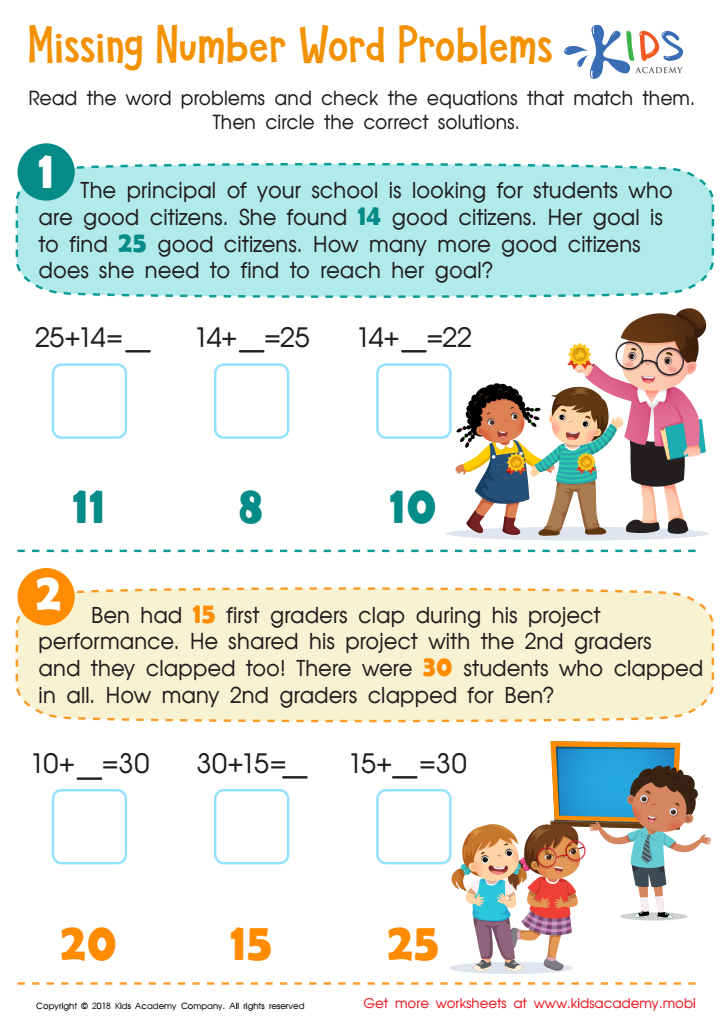
Missing Number Word Problems Worksheet
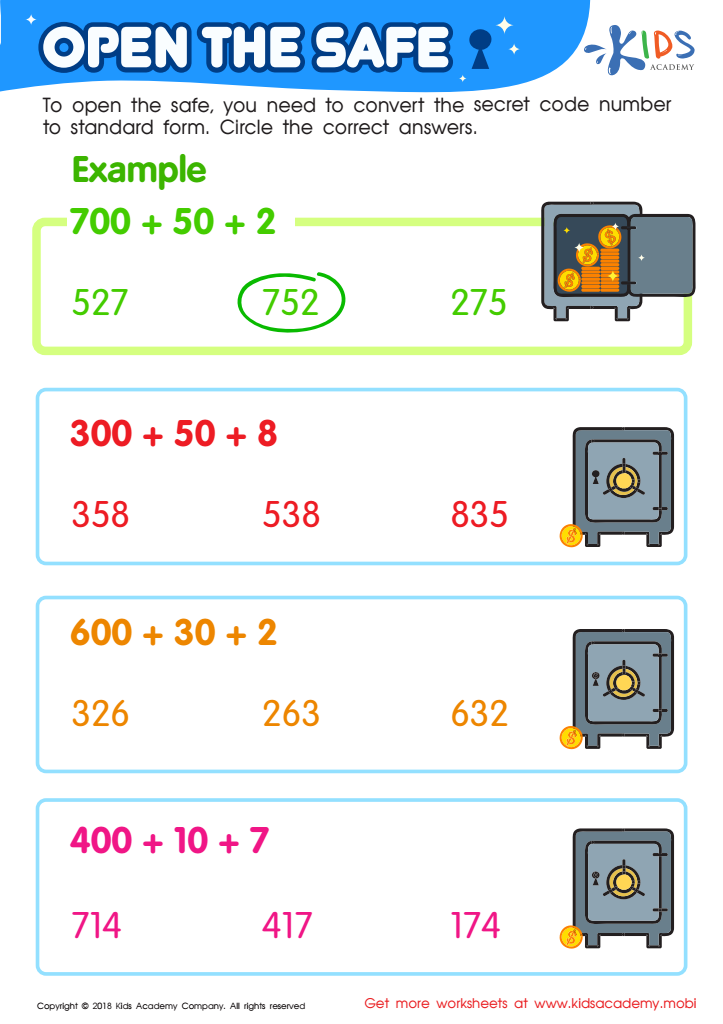
Open the Safe Worksheet
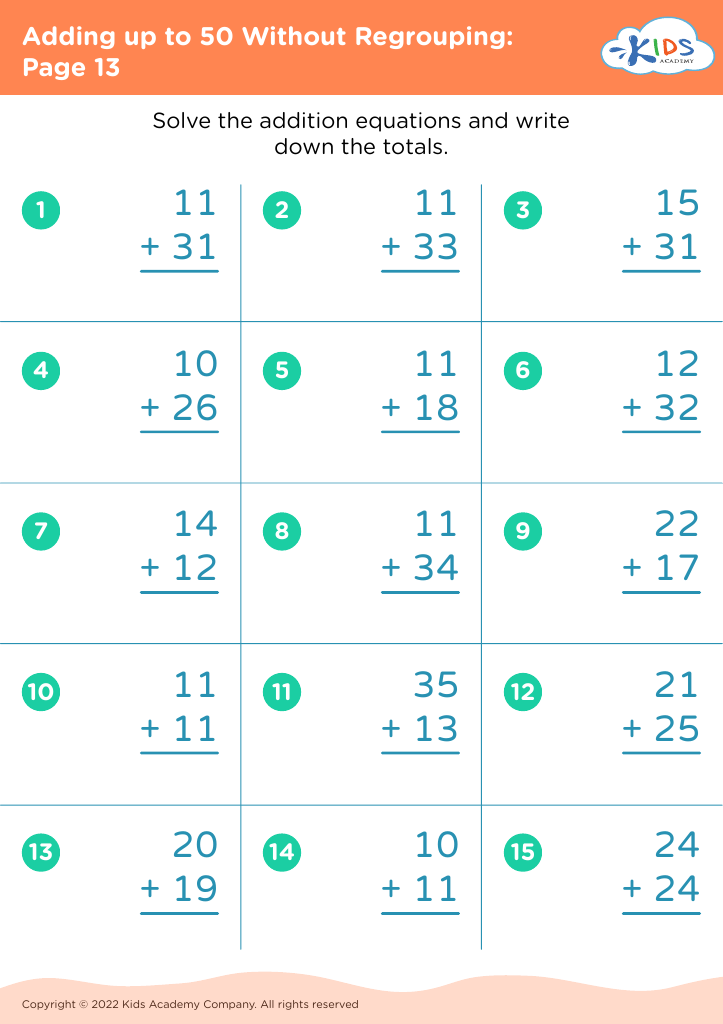
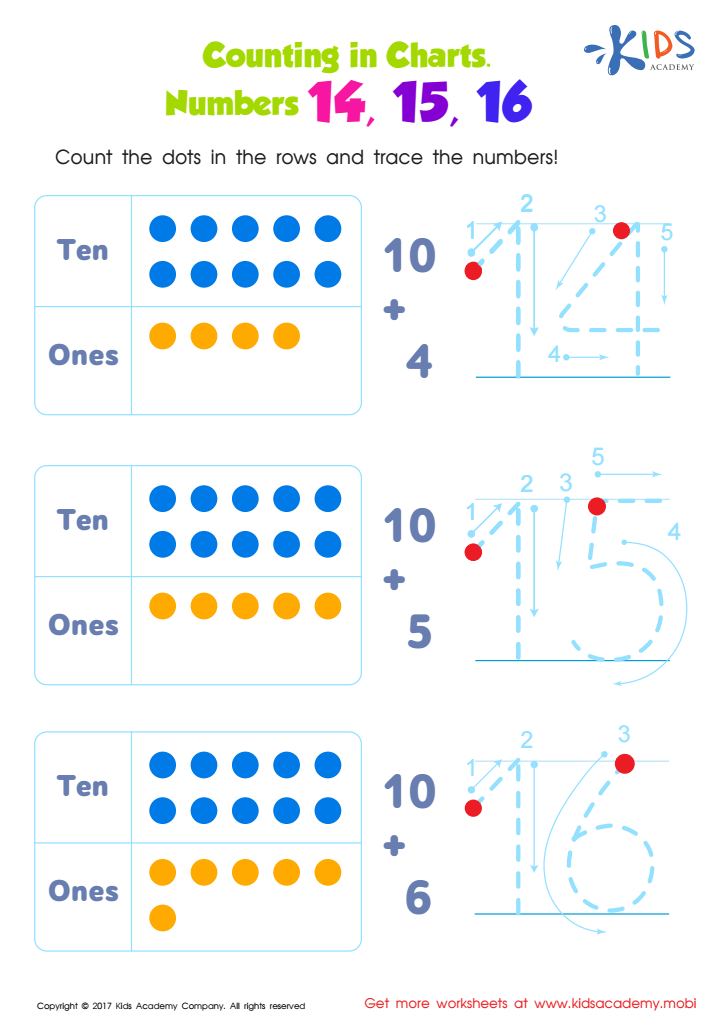
Number Tracing Worksheet






Understanding number sequences is crucial for children aged 6-9 as it lays the foundation for their mathematical development. This skill helps them recognize patterns, which is essential for operations such as addition, subtraction, multiplication, and division. When children understand sequences, they can predict what comes next in a pattern, fostering logical thinking and problem-solving skills.
Moreover, grasping number sequences encourages a sense of number relationships, aiding in visualizing numbers on a number line or in understanding skip counting. This can enhance their ability to tackle more complex mathematical concepts later, such as fractions and decimals.
For educators and parents, teaching number sequences also aligns with developing critical early math skills and promotes confidence. When children can see and understand relationships between numbers, they are more likely to engage positively with math, reducing math anxiety as they progress. Additionally, these skills promote cognitive flexibility, allowing for better adaptation to new challenges in various subjects, reinforcing both mathematical and overall academic success.
Ultimately, a solid understanding of number sequences not only supports strong mathematical foundations but also cultivates enthusiastic, confident learners capable of using math in everyday life. Investing time in this area can make a significant difference in a child’s educational journey.








