
Color recognition Mazes Worksheets for Ages 6-9
4 filtered results
Difficulty Level
Grade
Age
-
From - To
Subject
Activity
Standards
Explore our engaging Color Recognition Mazes Worksheets designed specifically for children ages 6-9! These fun and interactive worksheets combine the excitement of solving mazes with essential color identification skills. Perfect for classroom or at-home learning, each maze challenges young learners to navigate paths while recognizing and naming different colors. As kids trace their way through vibrant illustrations, they enhance their cognitive abilities, fine motor skills, and artistic expression. With varying levels of complexity, these worksheets cater to diverse skill levels, making learning both enjoyable and effective. Start your child's colorful journey today and watch their confidence and knowledge grow!
Favorites
With answer key
Interactive
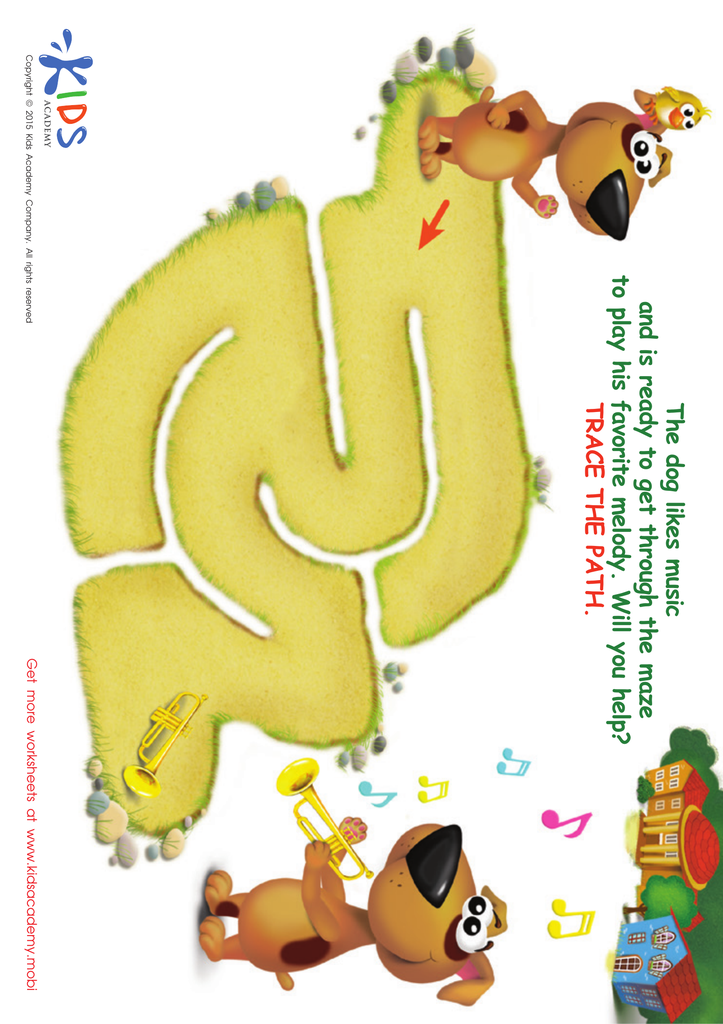
Trumpeter Maze Worksheet
Help your kid to find the way out of the maze to hear their favorite melody! Visit Kids Academy now and explore plenty of fun and educational resources.
Trumpeter Maze Worksheet
Worksheet
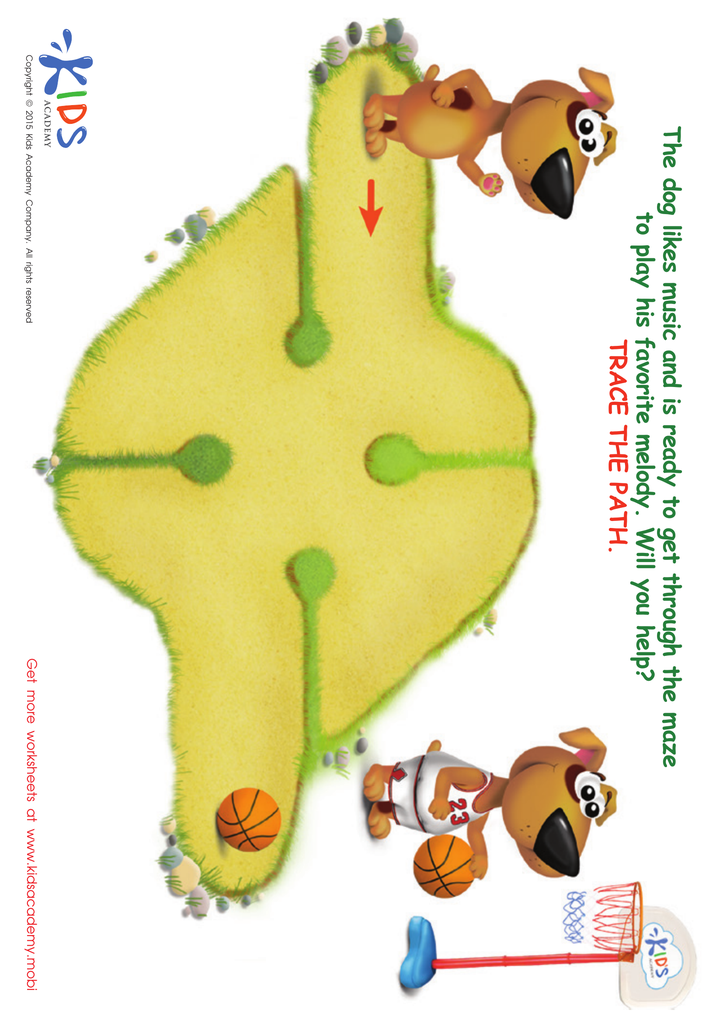
Basketball Player Maze Worksheet
Test your skills with our new printable maze worksheets, and help the little dog get his basketball! Trace the path carefully to get the ball and play together.
Basketball Player Maze Worksheet
Worksheet
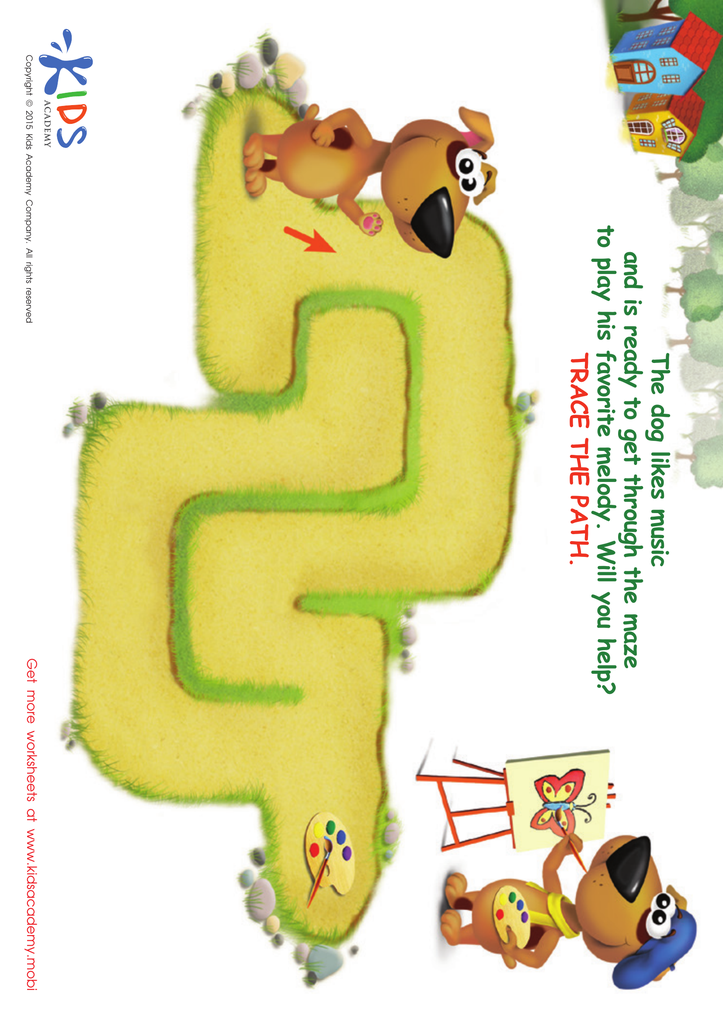
Artist Maze Worksheet
Try this new maze worksheet to help your child develop problem-solving skills. Let the pup traverse the path and create a masterpiece with the brush and paints on the other side! Give it a go now.
Artist Maze Worksheet
Worksheet
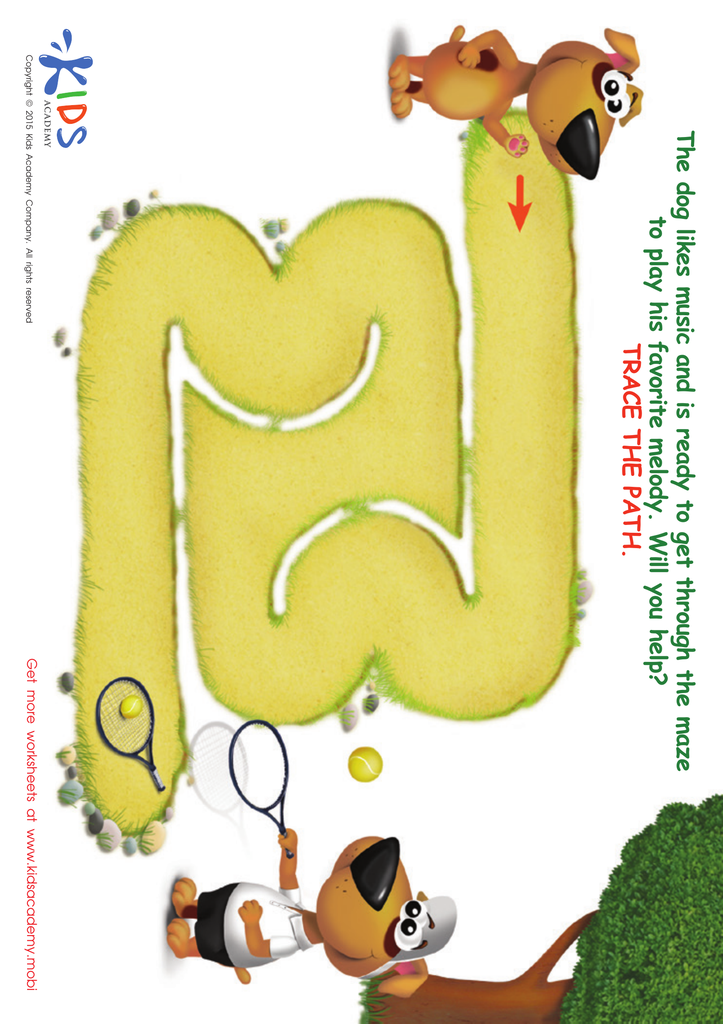
Tennis Player Maze Worksheet
Get them now and play together with your kids! Trace paths and help the dog find the racquets and balls. Fun and learning await.
Tennis Player Maze Worksheet
Worksheet
Join Kids Academy for Free
Who is primarily going to use this learning content?


Color recognition mazes are an engaging and educational tool that can significantly benefit children ages 6-9. At this developmental stage, children are honing their cognitive skills, and color recognition plays an essential role in their overall learning experiences. Mazes that incorporate color recognition can enhance a child’s ability to identify and distinguish between different colors, which is a foundational skill in early education.
These activities not only nurture visual discrimination but also foster critical thinking and problem-solving skills as children navigate through the mazes. By associating colors with directions or pathways, children learn to make connections and decisions, which enriches their cognitive development.
Moreover, parenting and teaching can be a shared joy through these mazes, as they offer opportunities for collaboration, interaction, and communication. Completing mazes together encourages dialogue, allowing for discussions about colors, shapes, and strategies, fostering social skills.
Incorporating color recognition mazes into learning encourages children to build confidence as they solve problems and achieve goals. Therefore, investing time in such activities is crucial for both parents and teachers aiming to support and enhance the educational journey of young children.








