Hand-eye Coordination Mazes Worksheets for Ages 6-9
3 filtered results
-
From - To
Enhance your child's hand-eye coordination with our engaging mazes worksheets designed specifically for ages 6-9. These printable activities combine fun with skill development, helping young learners improve their motor skills and concentration as they navigate through delightful designs. Each maze offers a unique challenge that encourages critical thinking and problem-solving while keeping kids entertained. Suitable for home or classroom use, these worksheets support early learning in a playful way. Watch your child build confidence and dexterity as they complete the mazes, all while having a great time! Download our hand-eye coordination mazes today for hours of productive play!
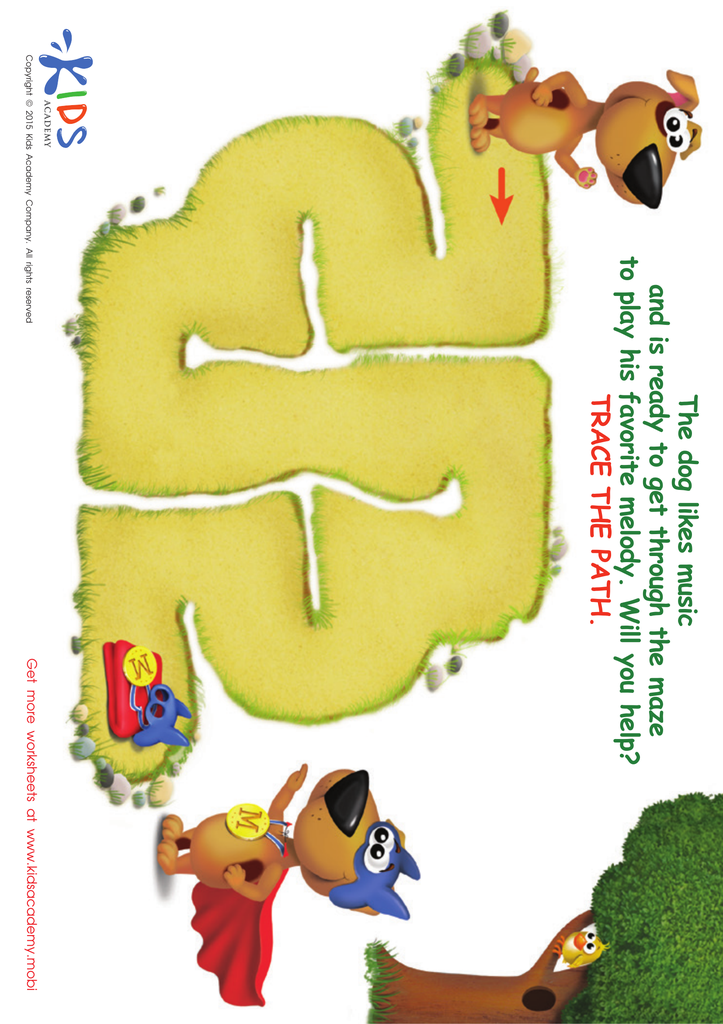
Superman Maze Worksheet
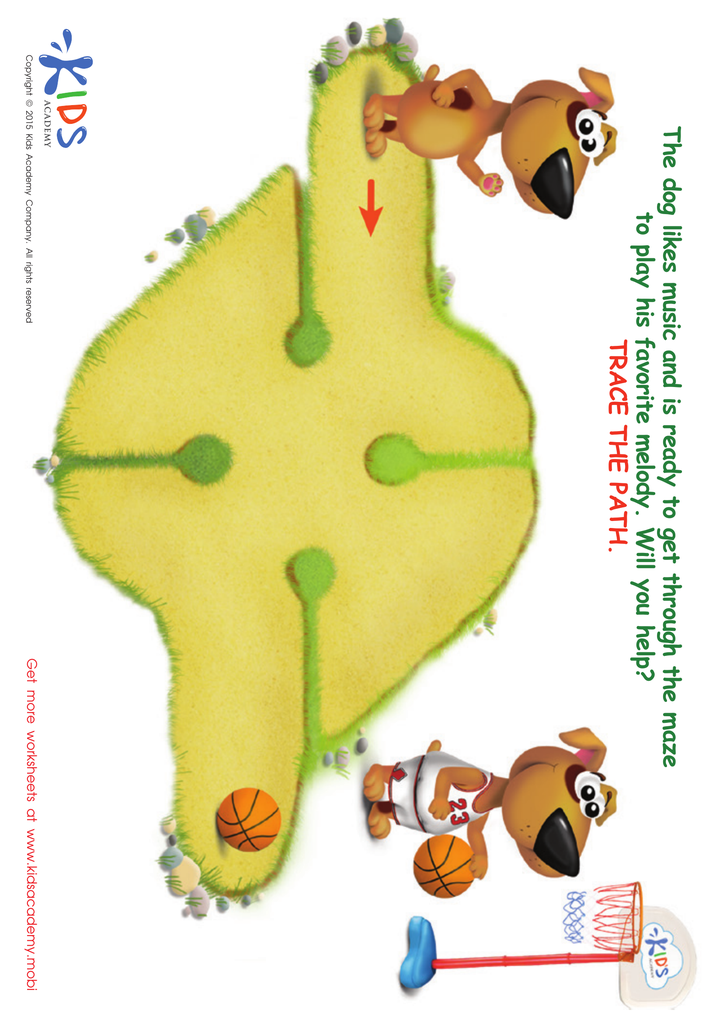
Basketball Player Maze Worksheet

Tennis Player Maze Worksheet


Hand-eye coordination is crucial for the development of children aged 6-9, and engaging in activities like mazes can significantly enhance this skill. These mazes require children to navigate pathways visually while maneuvering their hands, fostering a connection between what they see and how they respond physically.
For parents and teachers, supporting activities that develop hand-eye coordination is important for several reasons. Firstly, improved hand-eye coordination can enhance a child’s performance in everyday tasks, from writing to participating in sports. As children learn to control their movements more effectively, they often experience increased confidence in their physical abilities.
Moreover, mazes can promote critical thinking and problem-solving skills, as children must strategize to reach the endpoint. This cognitive engagement ensures that their mental faculties are stimulated alongside their physical capabilities. Additionally, completing mazes can also be a fun way to teach patience and perseverance, valuable traits that benefit children in various aspects of life.
Ultimately, through focused hand-eye coordination activities like mazes, parents and teachers can create a supportive environment that lays the foundation for a child’s academic and social success, promoting joyful learning experiences that contribute holistically to their development.








