
Addition skills Addition Facts Worksheets for Ages 6-9
4 filtered results
Difficulty Level
Grade
Age
-
From - To
Subject
Activity
Standards
Boost your child's math abilities with our engaging Addition Facts Worksheets designed specifically for ages 6-9! These resources focus on developing essential addition skills, helping young learners master their basic facts through vivid illustrations and interactive exercises. Our worksheets promote practice in a fun, approachable manner, encouraging confidence as children tackle various addition problems. From simple one-digit additions to more complex equations, our carefully crafted materials cater to different learning paces, ensuring every child has the opportunity to excel. Experience the blend of fun and education—download our Addition Facts Worksheets today and watch their math skills flourish!
Favorites
With answer key
Interactive
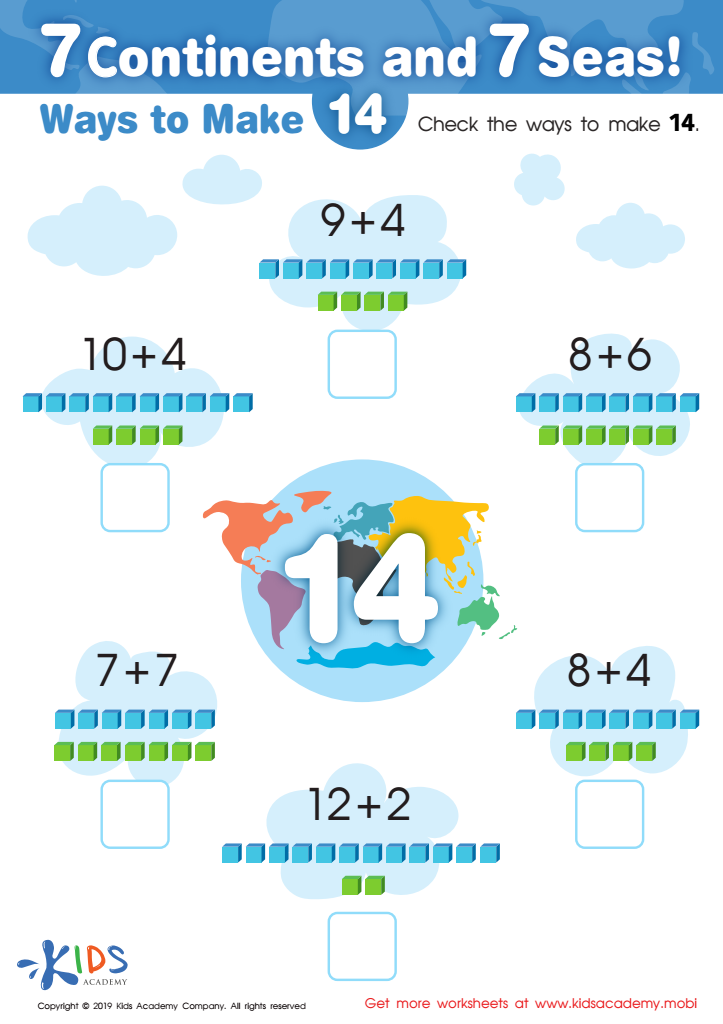
7 Continents and 7 Seas Worksheet
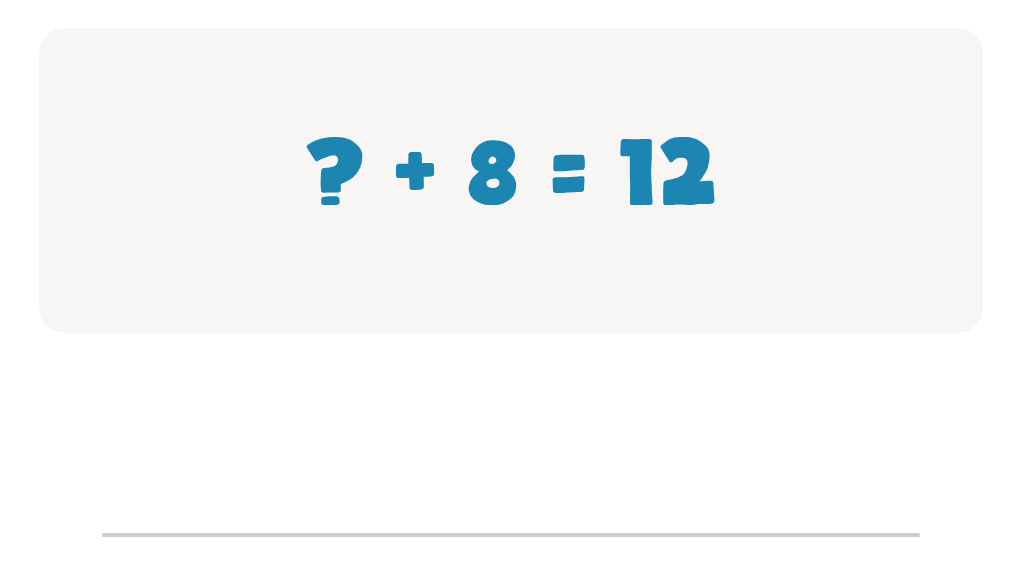
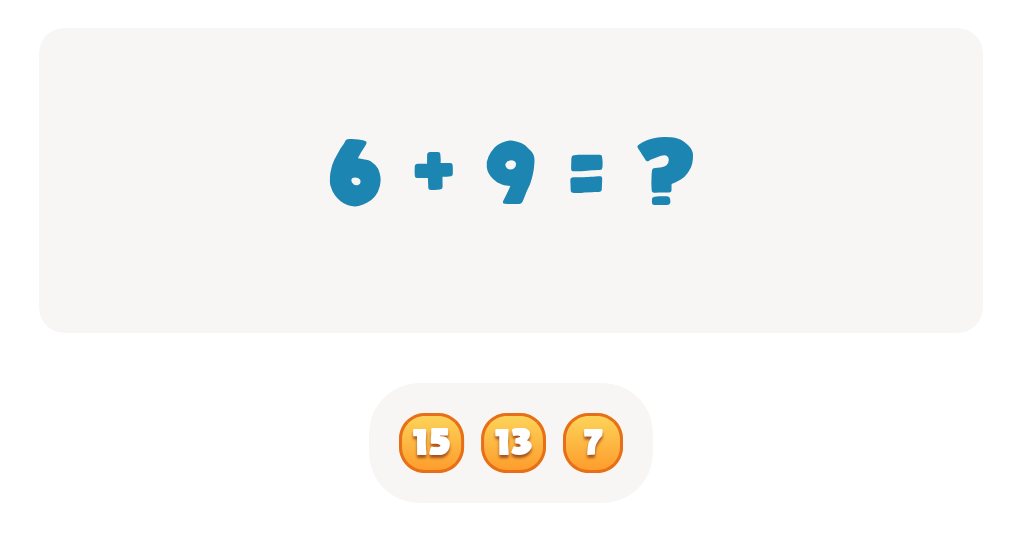
Remind kids of the continents and show them how different numbers can add up to the same figure. Give examples, like 2+2 =4, and 3+1 =4. Ask if they can provide other examples, then work through the simple additions in this worksheet with them. Ask them to circle all equations that make 14.
 Assign to My Students
7 Continents and 7 Seas Worksheet
Worksheet
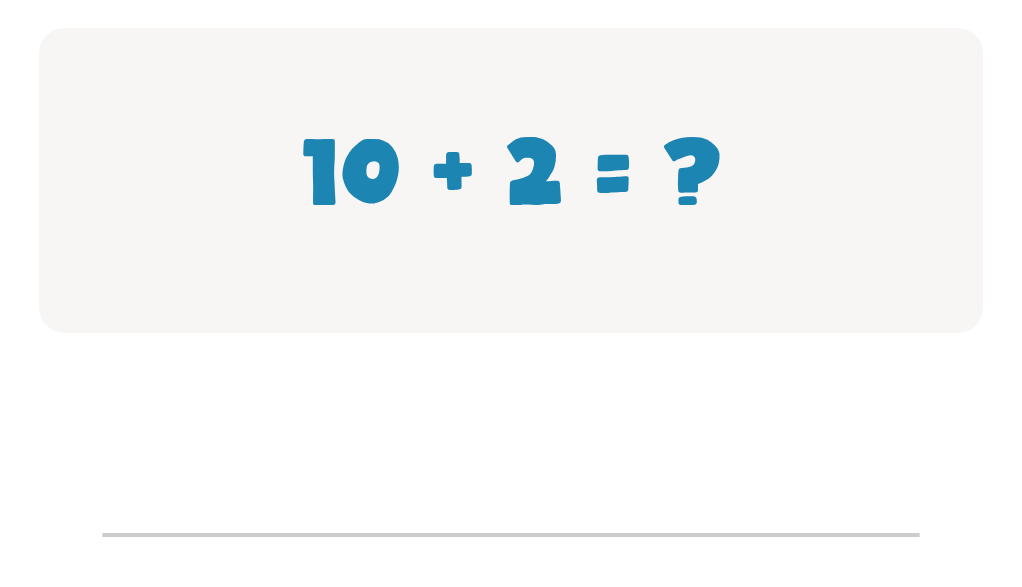

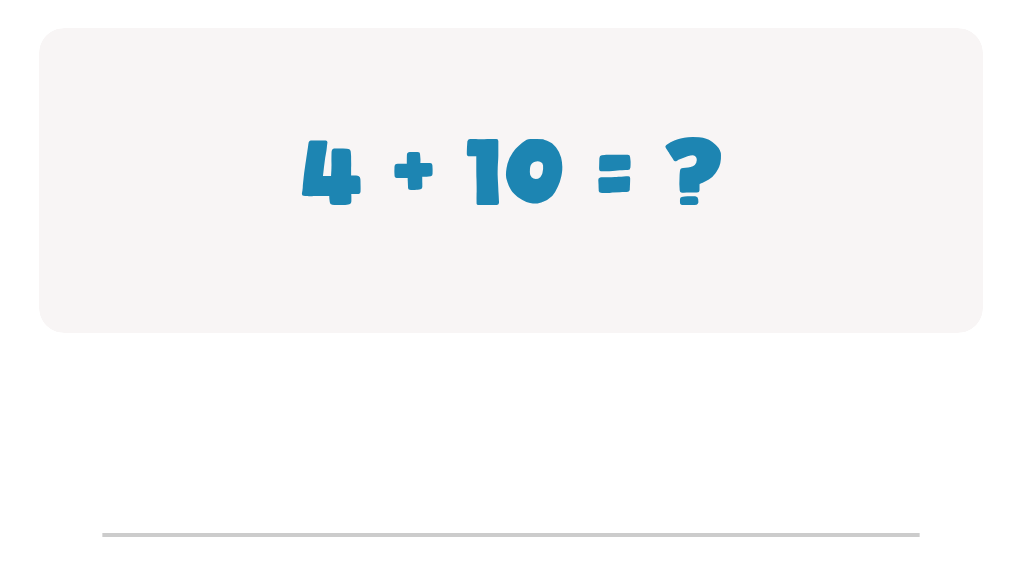
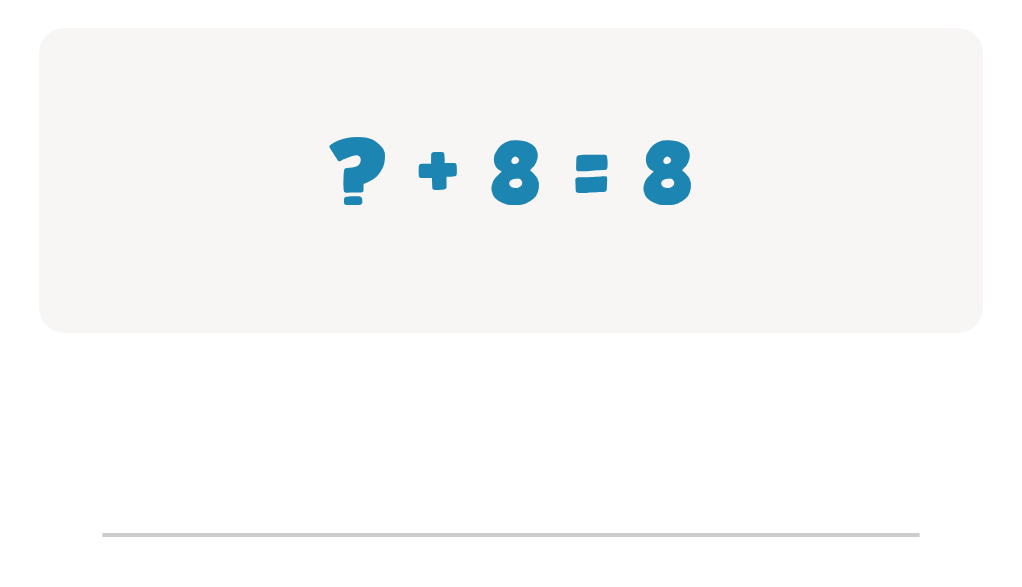
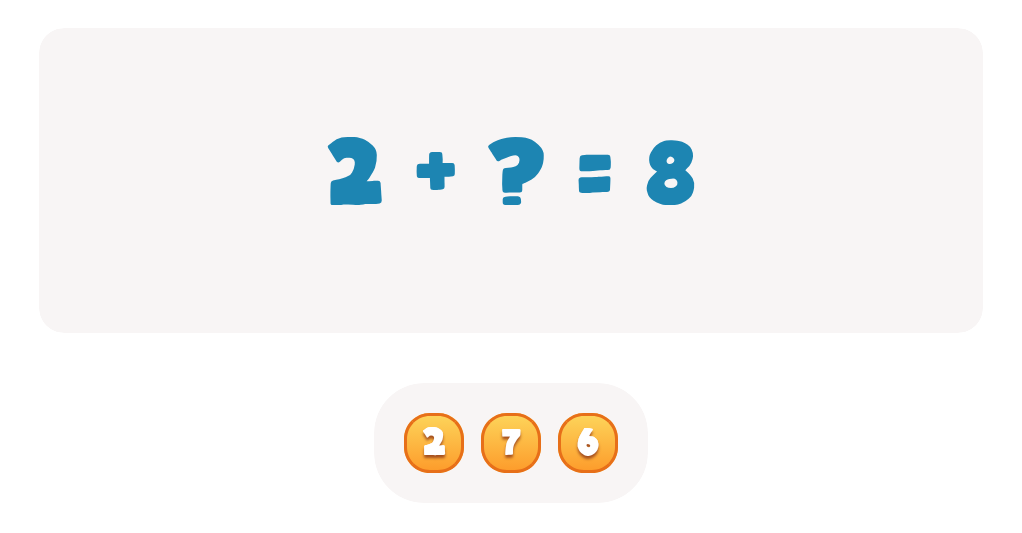
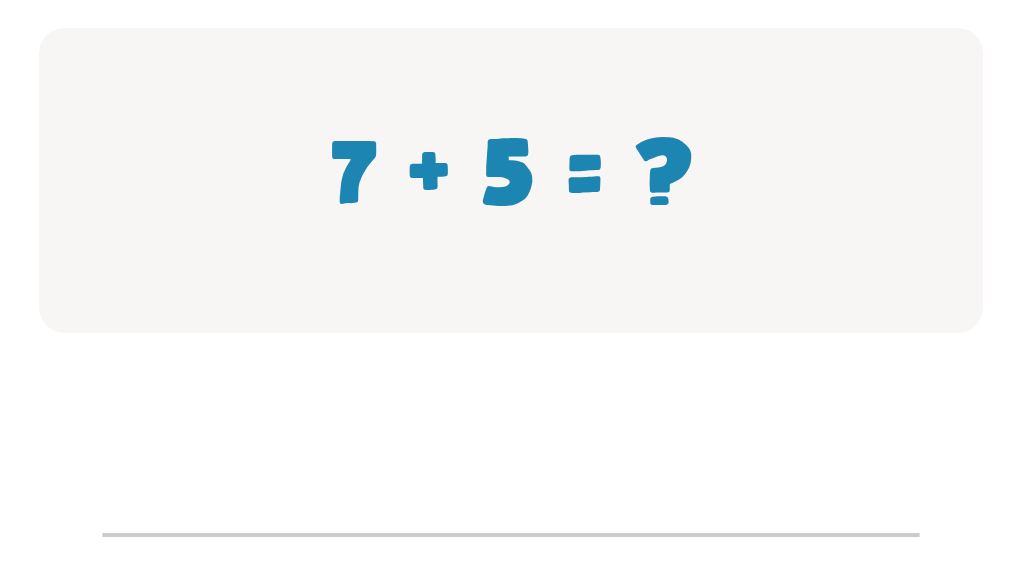
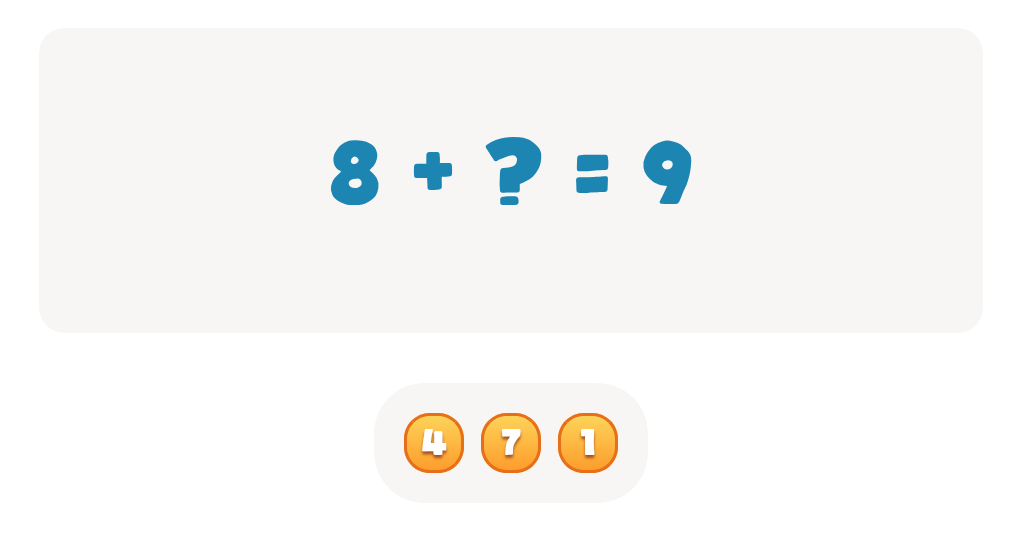

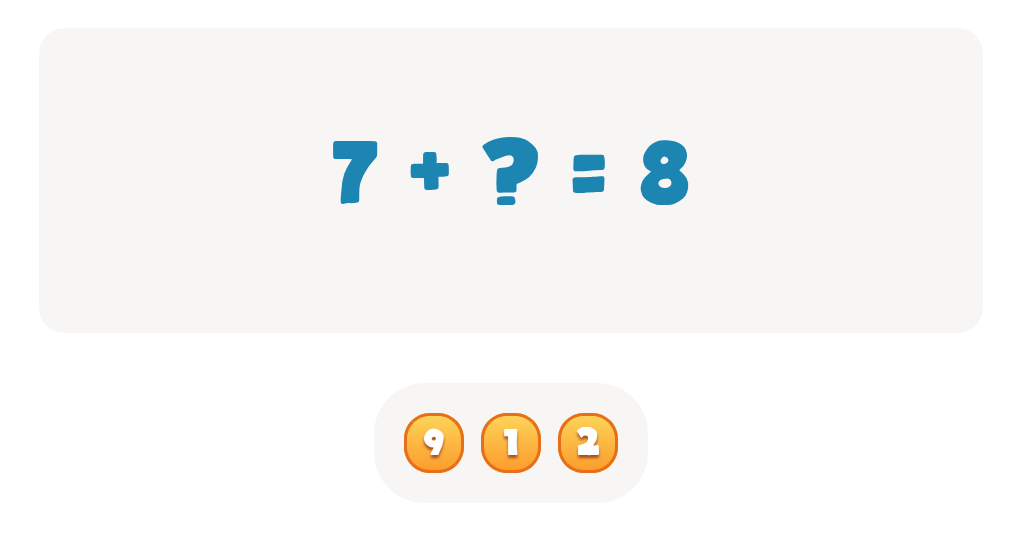
Find 10 Worksheet
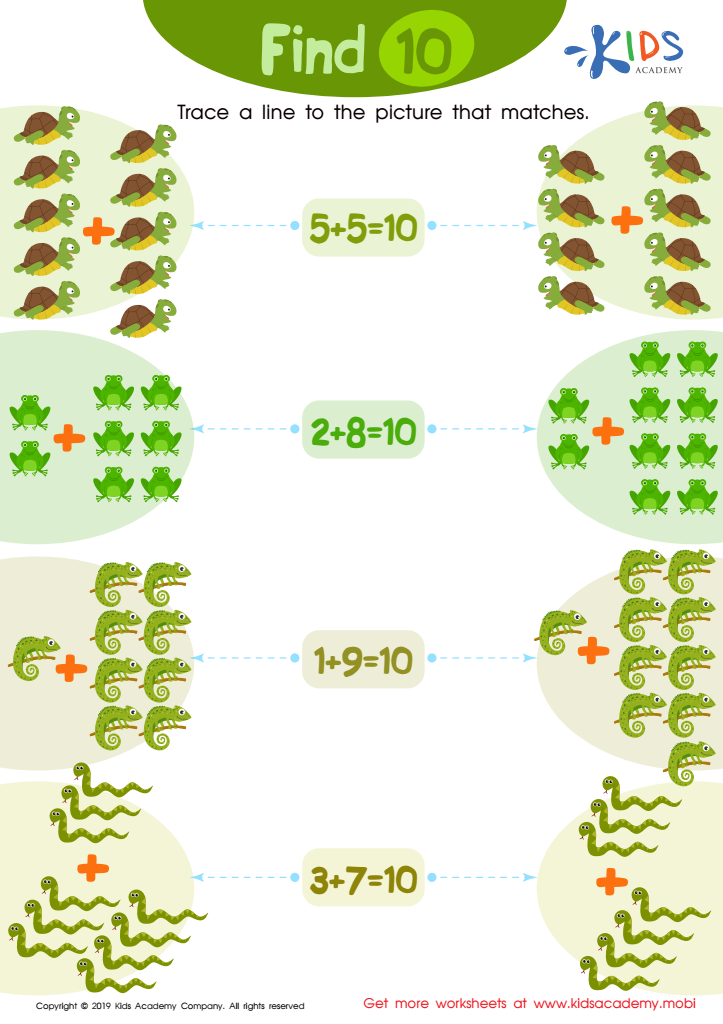
Counting can be tricky, but your kids can master it with regular practice. Here's a fun activity to help: count the animals, then trace a line to the pictures that matches. With these tips, math will be an easy walk in the park.
Find 10 Worksheet
Worksheet
Addition or Subtraction? Worksheet
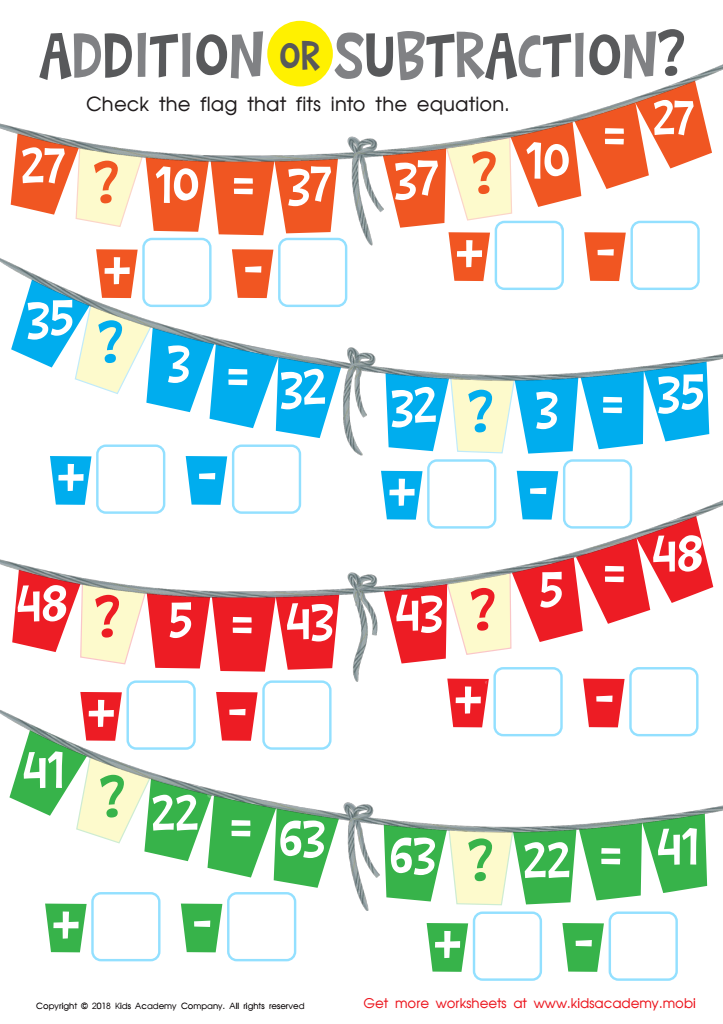
Help your math whiz's number skills advance with these colorful flag equations! With the free PDF, they'll learn to solve addition and subtraction facts by following the correct orders of operation. And the best part? They'll develop a deeper understanding of how the different operations work together within equations. Give it a try and watch their skills soar!
Addition or Subtraction? Worksheet
Worksheet
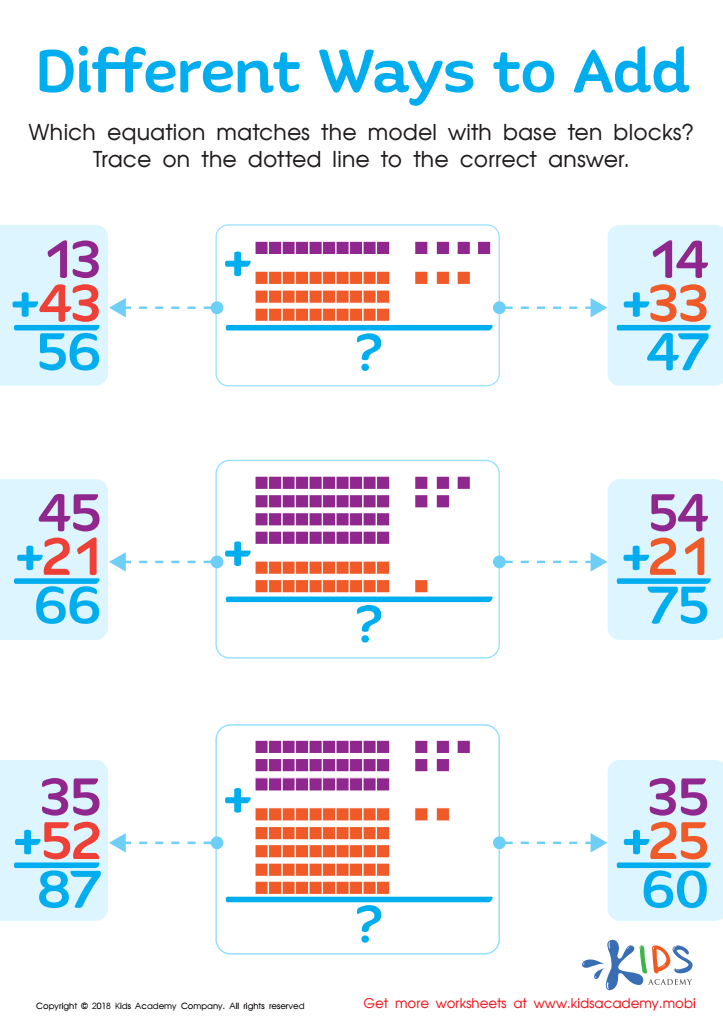
Different Ways to Add Worksheet
This worksheet enhances math skills by having students match equations to base ten pictures and tracing lines. It not only helps with fine motor skills, but also encourages number sense, with various ways to add and build upon existing math knowledge.
Different Ways to Add Worksheet
Worksheet
Join Kids Academy for Free
Who is primarily going to use this learning content?






.jpg)

Addition skills and facts are crucial for children ages 6-9 as they serve as the foundation for their mathematical understanding. During these formative years, children are developing cognitive skills and a strong grasp of basic arithmetic directly impacts their future learning. Proficiency in addition not only fosters confidence but also enhances problem-solving abilities, which are essential in all aspects of education.
Understanding addition facts enables children to tackle more complex math concepts, such as subtraction, multiplication, and division, with greater ease. Mastery of these skills allows for quicker mental calculations, facilitating participation in timed quizzes and assessments without anxiety.
Moreover, a strong grasp of addition fosters critical thinking and promotes a love for mathematics. When children can effortlessly compute basic sums, they are more likely to engage in math-related activities and enjoy exploring higher-level concepts.
Lastly, parents and teachers play a pivotal role in nurturing these skills through interactive learning experiences, games, and daily practice. Their involvement not only enhances children's learning but also strengthens the home-school connection, making math a collaborative and enjoyable experience. Ensuring children master addition facts at this age sets them on a path toward academic success and lifelong learning in mathematics.








