Learn subtraction Addition & Subtraction Worksheets for Ages 6-9
4 filtered results
-
From - To
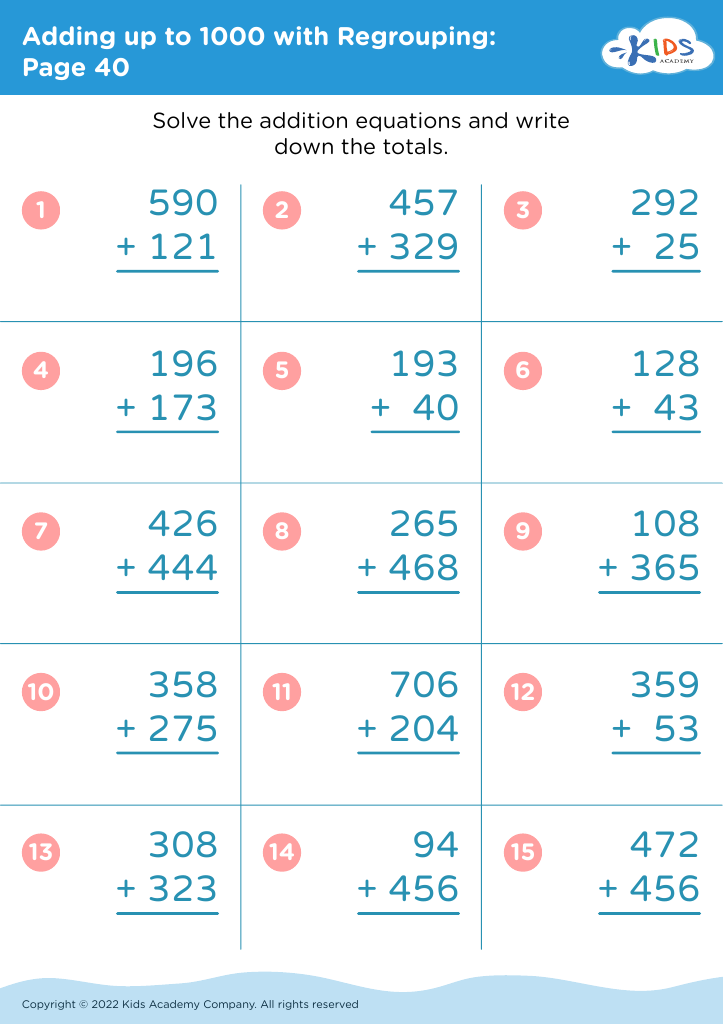
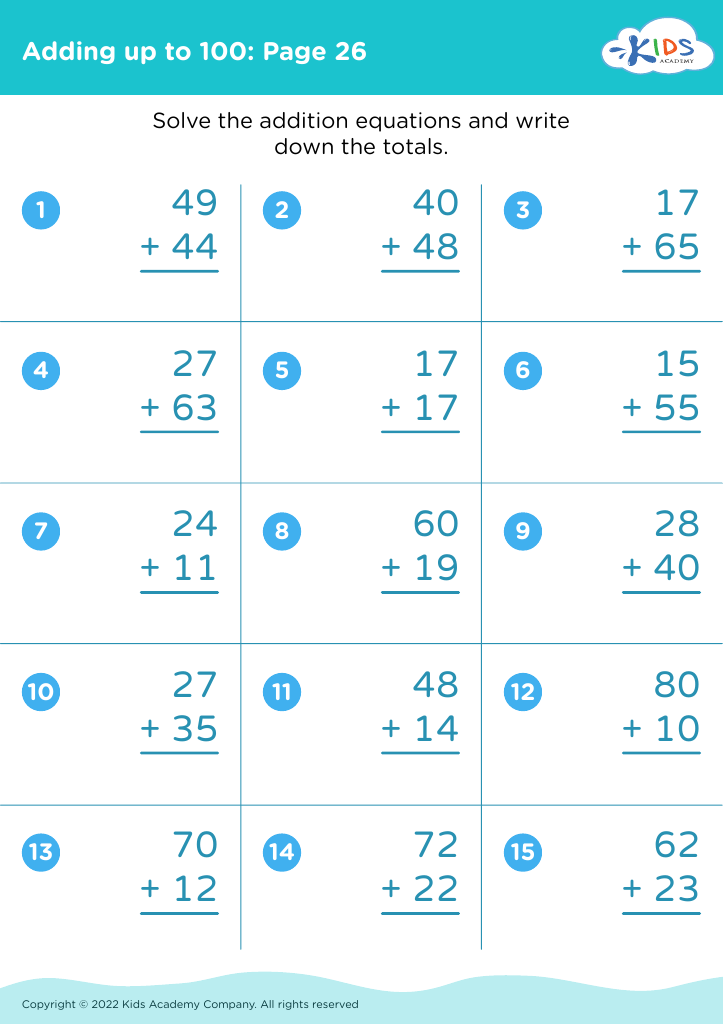
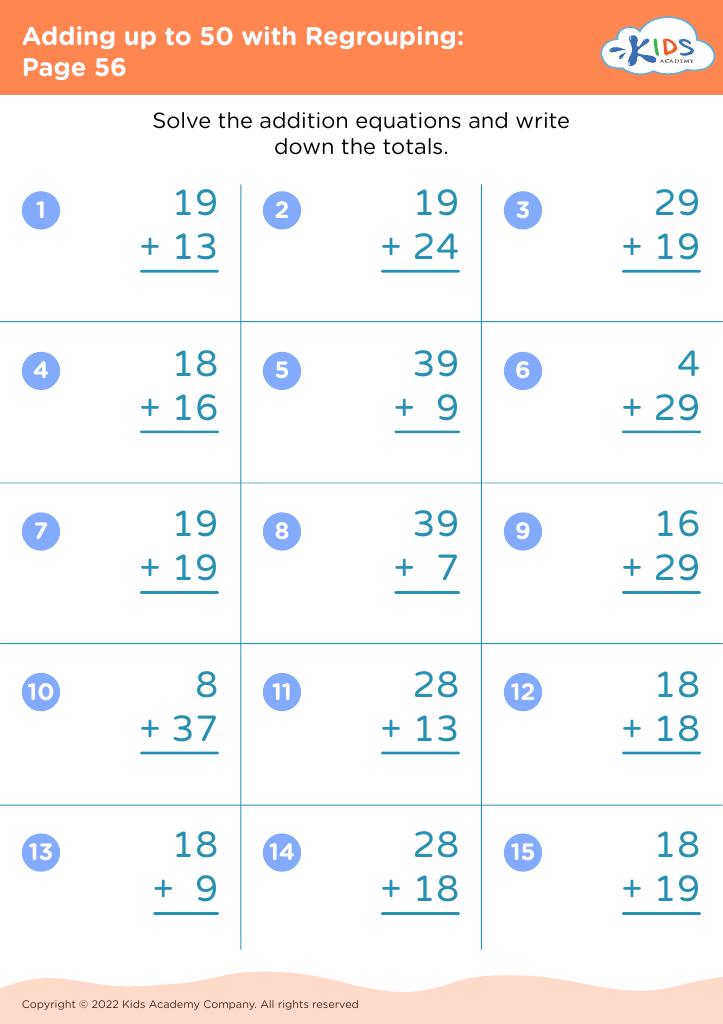
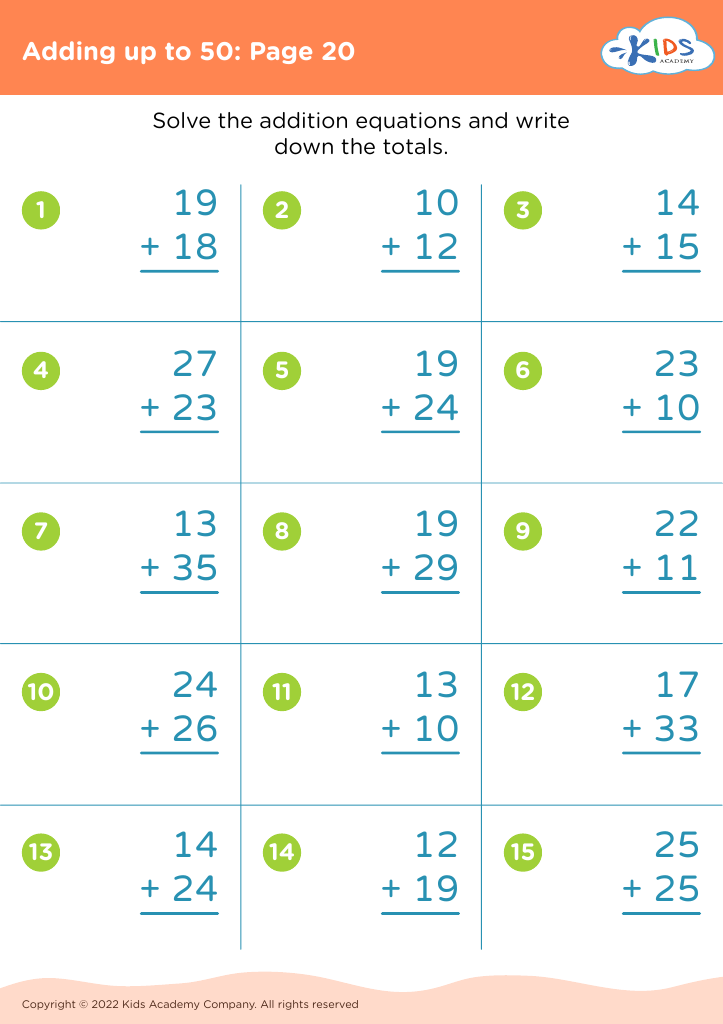
Boost your child's math skills with our engaging "Learn Subtraction: Addition & Subtraction Worksheets" designed for ages 6-9. These printable resources are perfect for young learners to master foundational math concepts in a fun and interactive way. Each worksheet combines colorful visuals and strategic exercises to fortify both addition and subtraction skills. Tailored to support various learning styles, our worksheets help kids build confidence and improve their problem-solving abilities. Ideal for home or classroom use, these educational tools pave the way for math proficiency while making the learning process enjoyable. Download and start practicing today!








Parents and teachers should deeply care about fostering a strong foundation in addition and subtraction for children aged 6-9. These basic operations are fundamental building blocks for more complex mathematical concepts that students will encounter throughout their educational journey. Ensuring proficiency in addition and subtraction is crucial because it enhances children's number sense—an essential skill for daily life activities such as shopping, time management, and even cooking.
Moreover, early competence in these areas boosts children's confidence and sparks their interest in mathematics, making future learning experiences more enjoyable and less intimidating. It also helps develop logical thinking, problem-solving skills, and perseverance, qualities that are valuable beyond mathematics. These skills are interlinked with cognitive brain development during early childhood, directly impacting academic performance and learning capacity in other subjects such as science and literacy.
For teachers, focusing on effective teaching strategies and creating a supportive learning environment can lead to significant long-term academic benefits for students. Parents, on the other hand, can provide valuable reinforcement at home, making mathematics an integral and enjoyable part of everyday life. By caring about addition and subtraction skills during these formative years, parents and teachers help set the stage for academic success and a lifelong appreciation of learning.








