
Color recognition Addition Worksheets for Ages 6-9
10 filtered results
Difficulty Level
Grade
Age
-
From - To
Subject
Activity
Standards
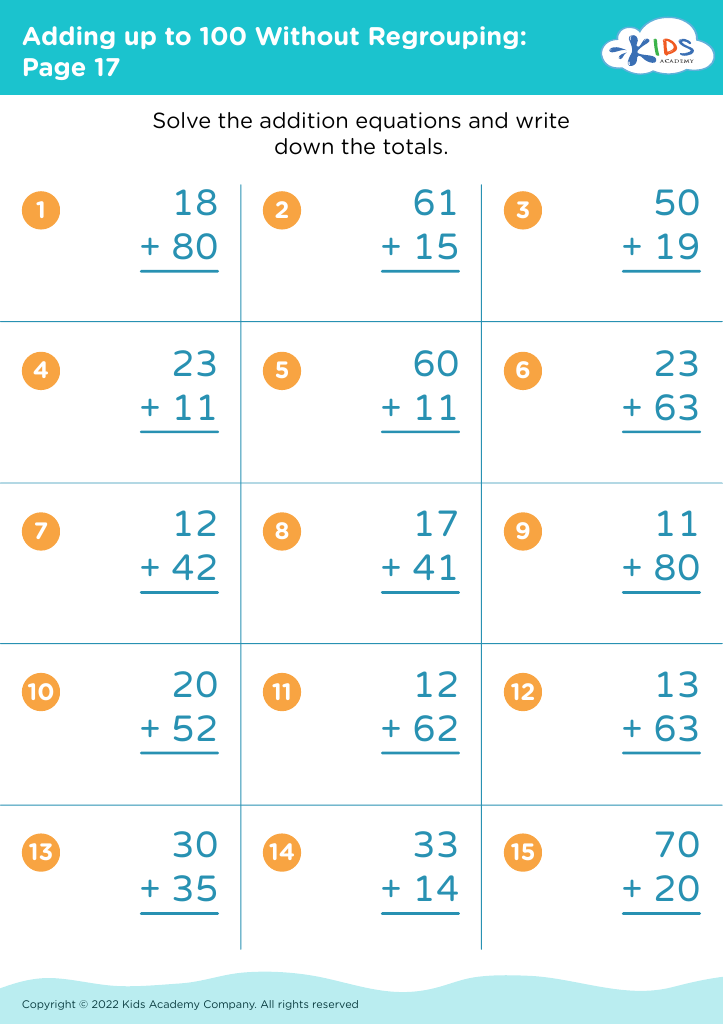
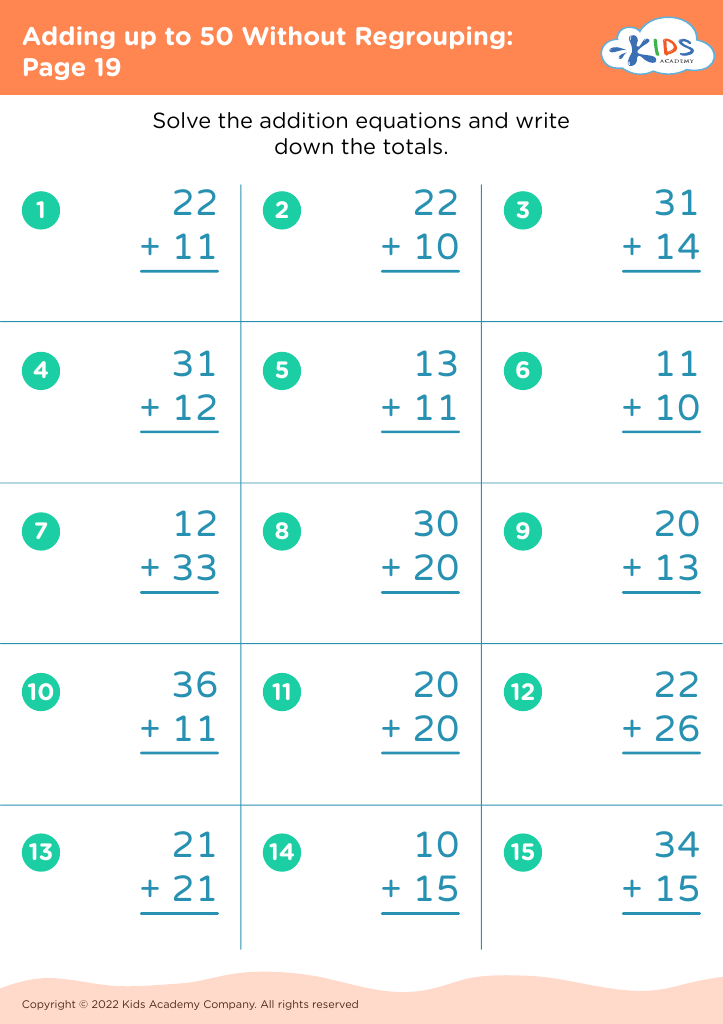
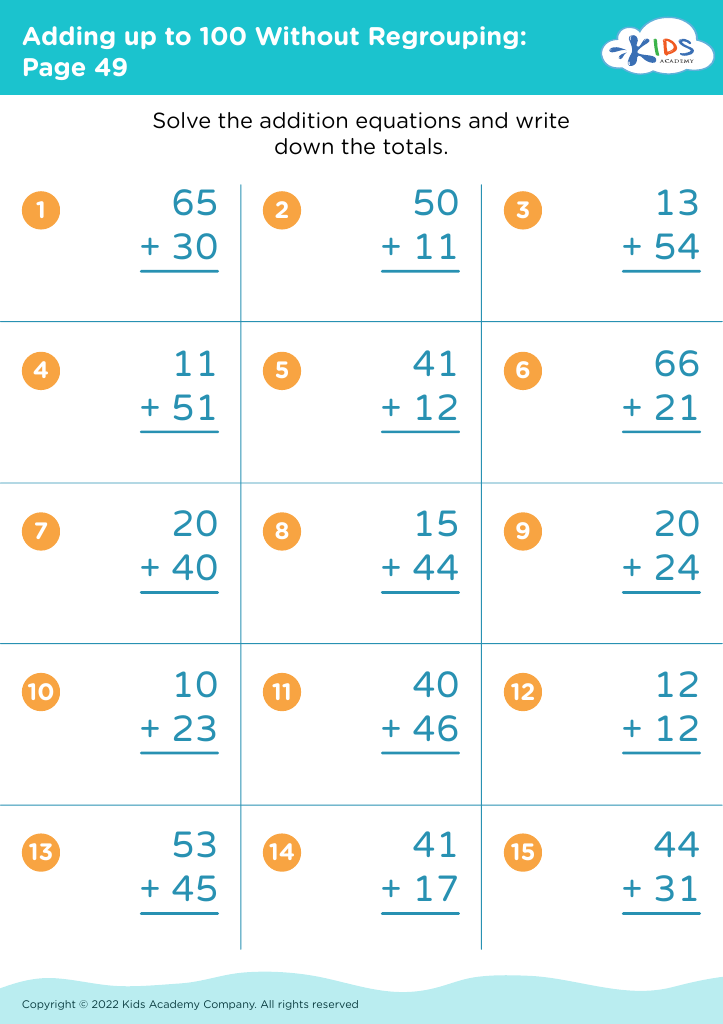
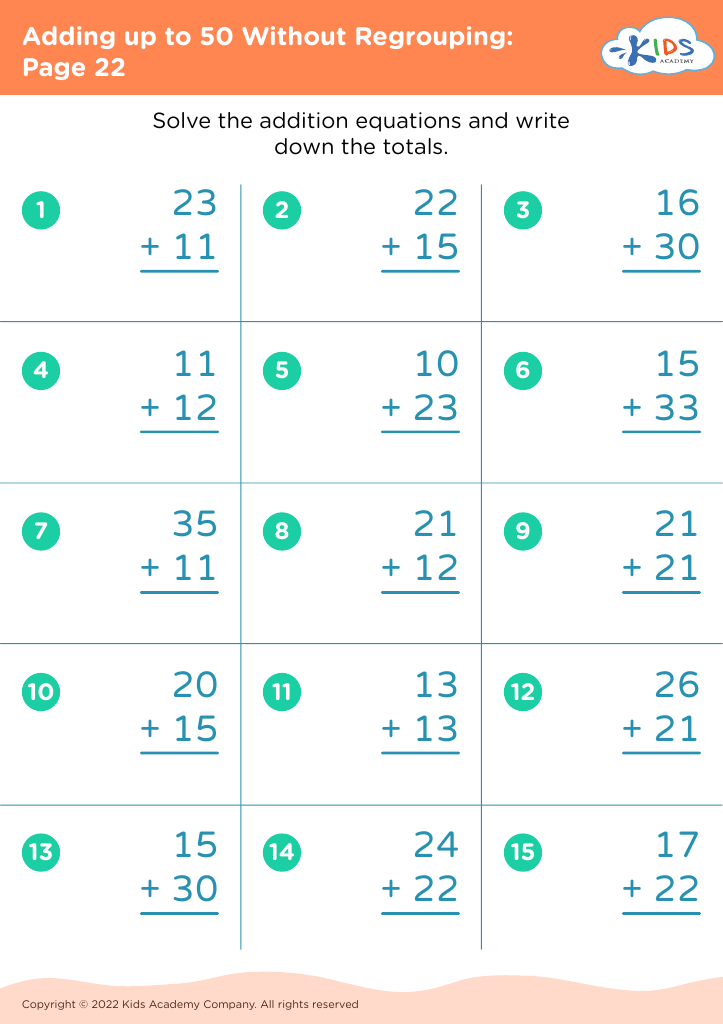
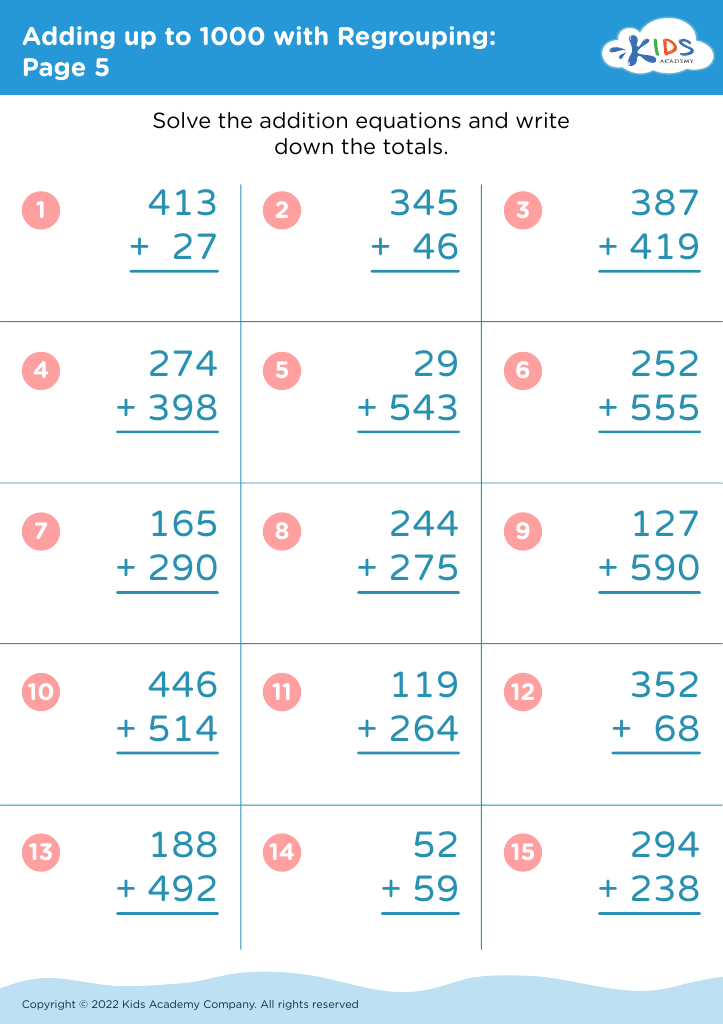
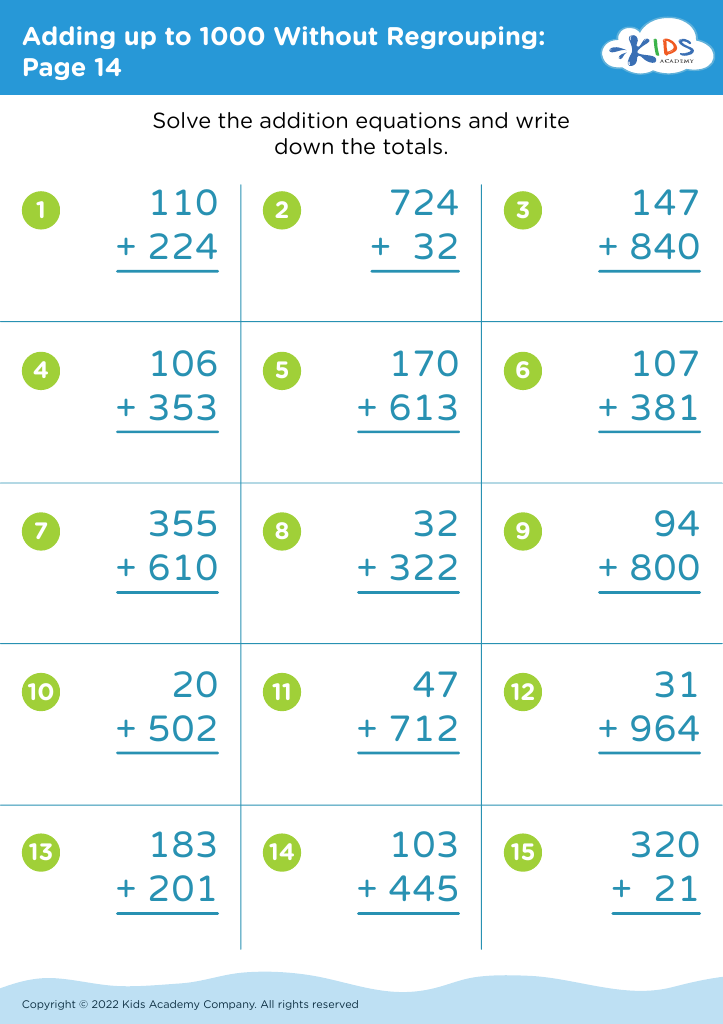
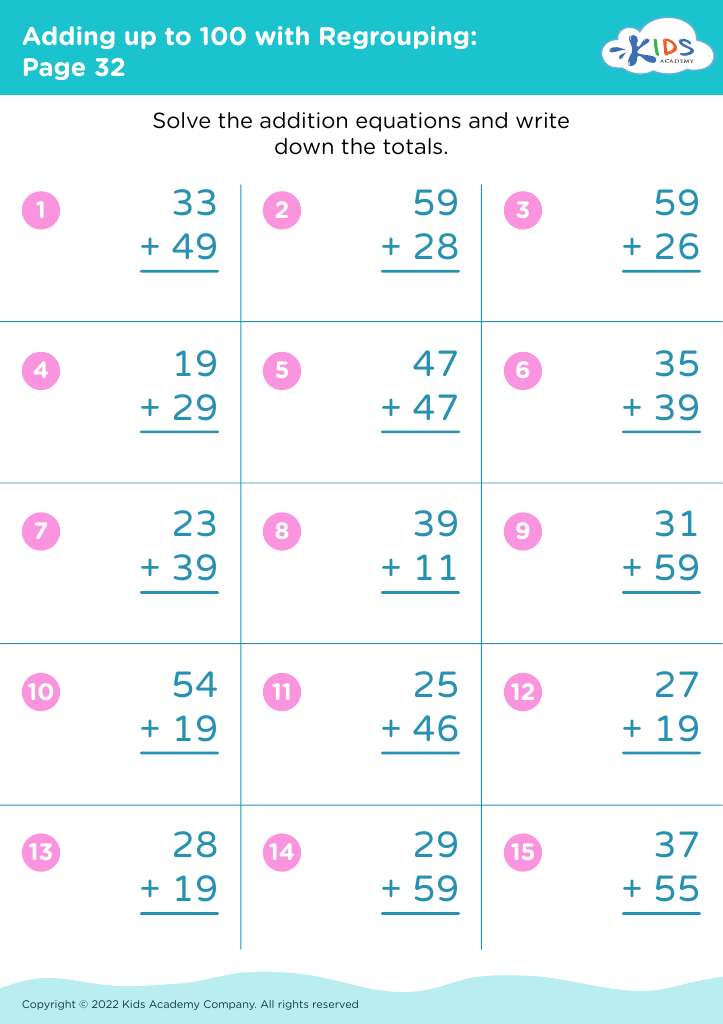
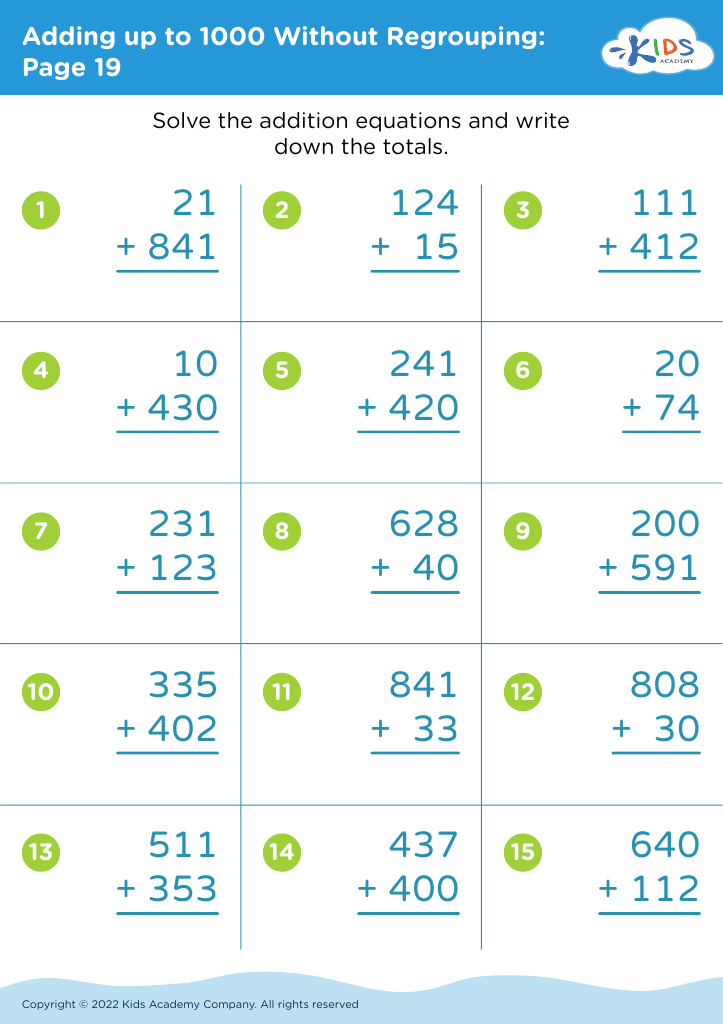
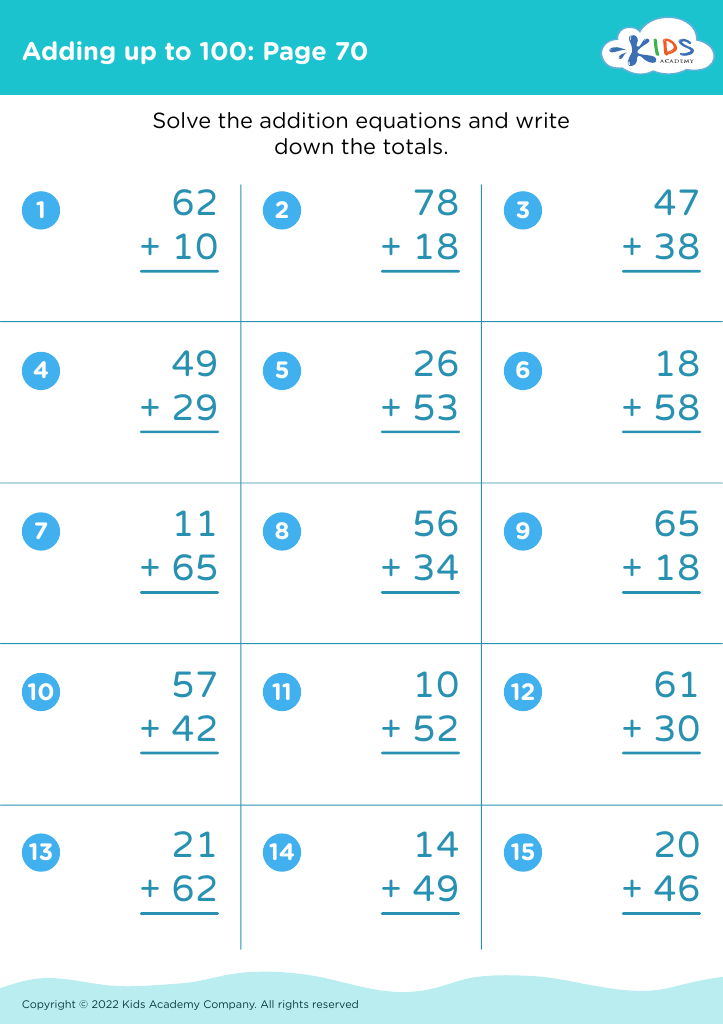
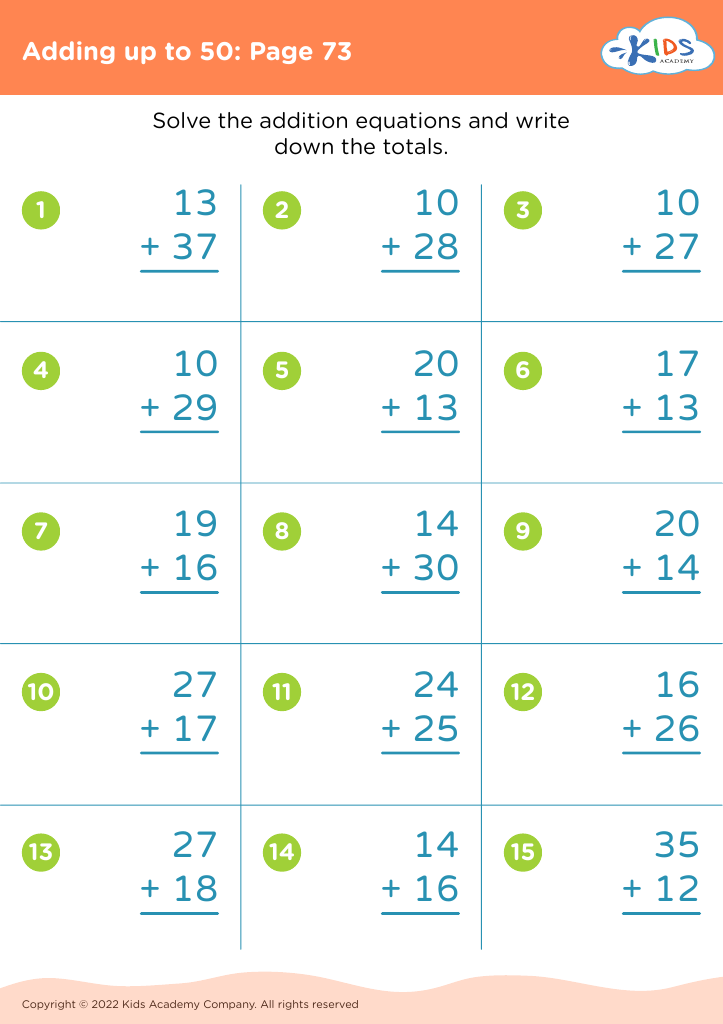
Introducing our engaging Color Recognition Addition Worksheets, specially designed for kids aged 6-9! These vibrant and educational printables blend the fun of identifying colors with the challenge of mastering addition skills. Perfect for enhancing early math foundations, each worksheet features colorful objects to add, helping children to visually and interactively grasp mathematical concepts. Ideal for both classroom and home use, our worksheets foster excitement for learning, keeping young minds engaged while developing crucial elementary math abilities. Watch your child's confidence and math skills flourish with our color-filled, educational activities catered to young learners. Try them today!
Favorites
With answer key
Interactive
Join Kids Academy for Free
Who is primarily going to use this learning content?








Color recognition and addition are foundational skills for children aged 6-9, playing a crucial role in their cognitive and academic development. Integrating these skills into early learning activities supports several key areas.
Firstly, it promotes cognitive development. Color recognition helps children categorize and differentiate objects, enhancing their visual processing abilities. Combining color recognition with addition engages both numerical and spatial reasoning, making math more engaging and accessible.
Secondly, these skills support academic readiness. Mastering color recognition lays the groundwork for understanding patterns and sequences, essential for success in subjects like math and science. Proficiency in addition fosters confidence in handling more complex arithmetic and problem-solving, setting a strong foundation for later academic achievement.
Thirdly, it boosts creativity and self-expression. Recognizing and using colors in addition exercises can stimulate creativity, making learning more enjoyable. Children are more likely to stay engaged and retain information when lessons are interactive and visually appealing.
Lastly, it enhances fine motor skills and hand-eye coordination. Activities involving color identification and mathematical operations usually require physical interaction, such as drawing or using manipulatives, which help develop these essential motor skills.
In conclusion, prioritizing color recognition and addition in early education equips children with the cognitive tools, academic readiness, creative inspiration, and motor skills necessary for their overall growth and success.








