Shape Recognition Addition Worksheets for Ages 6-9 - Page 2
32 filtered results
-
From - To
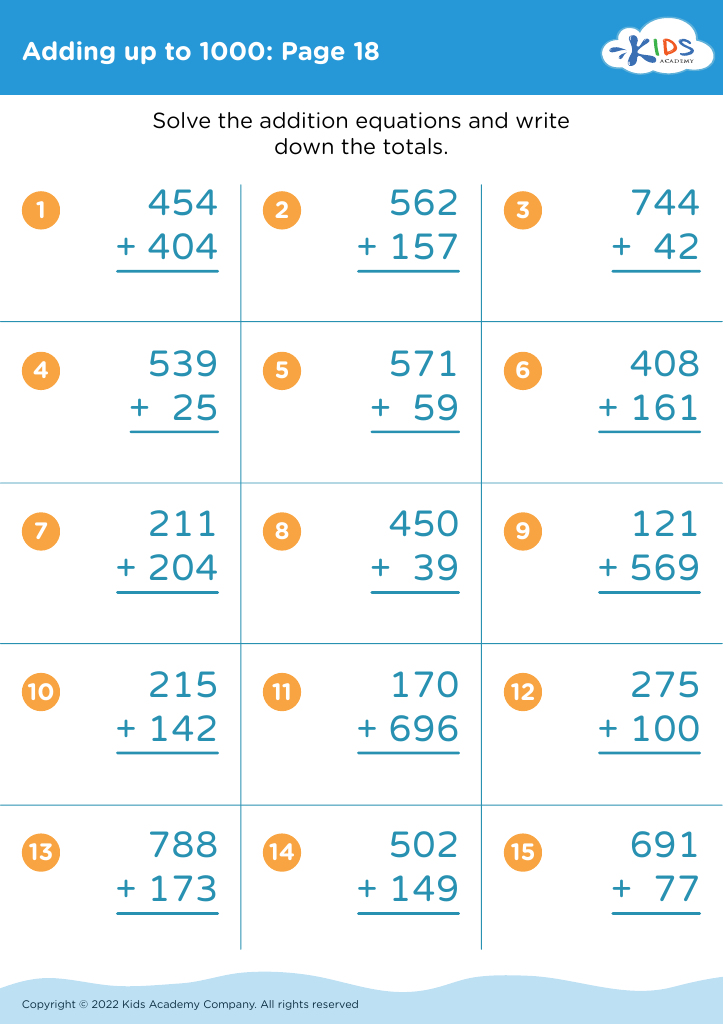
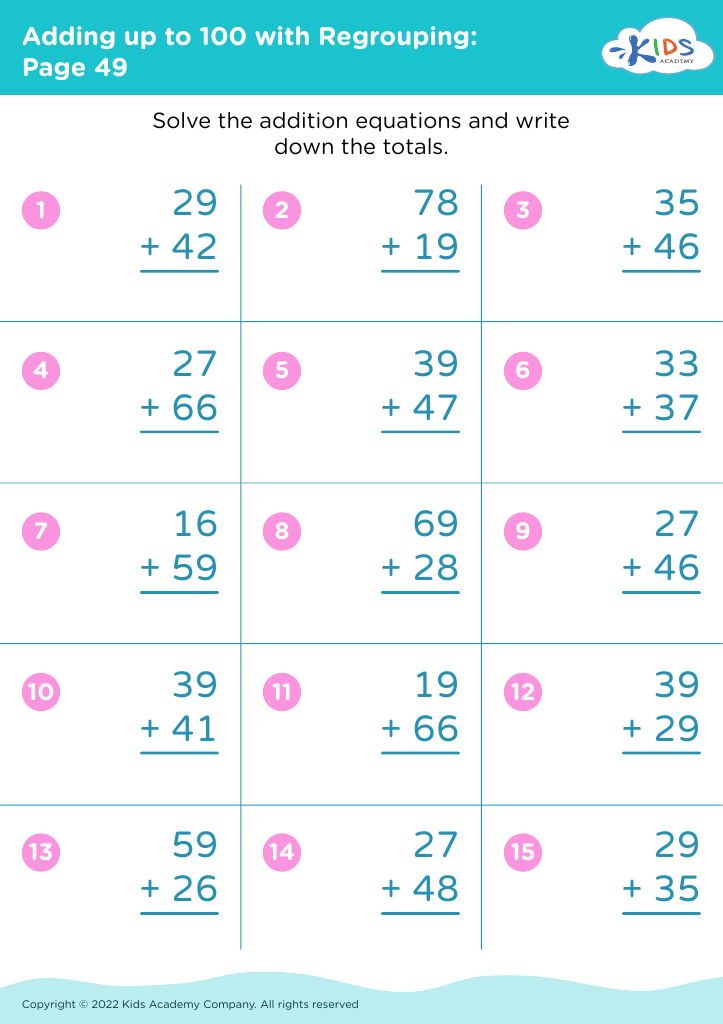
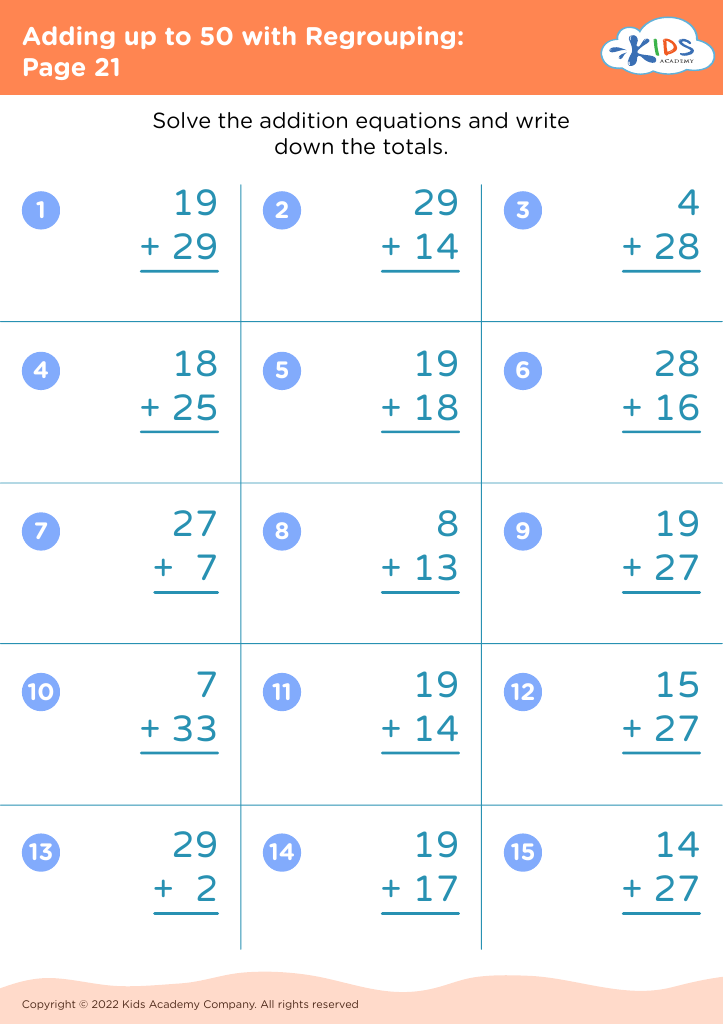
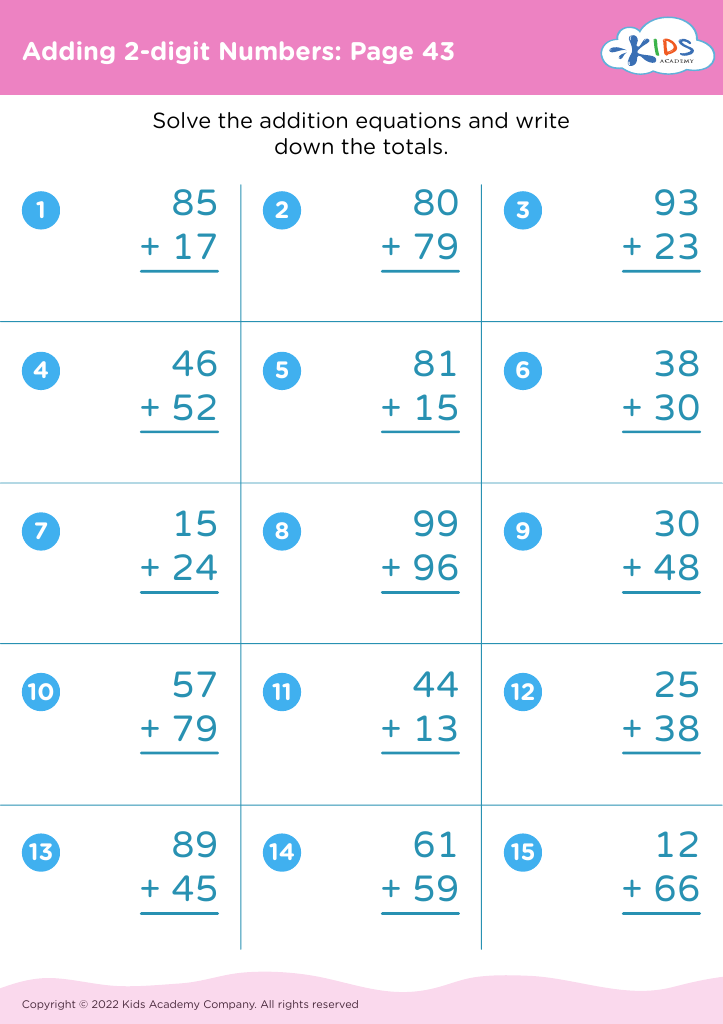
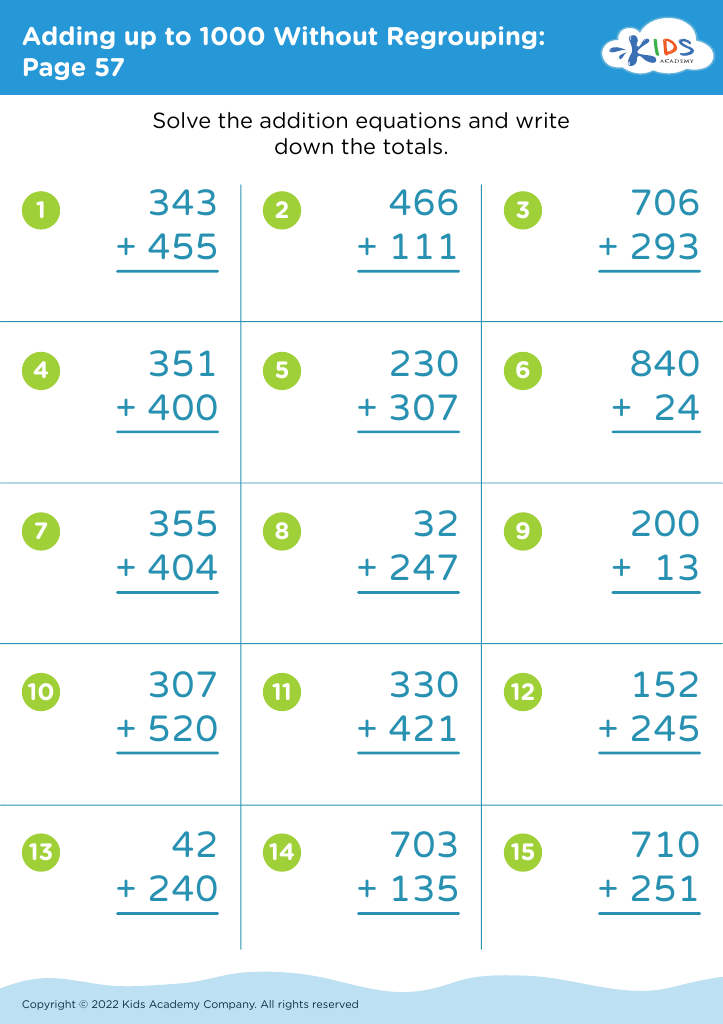
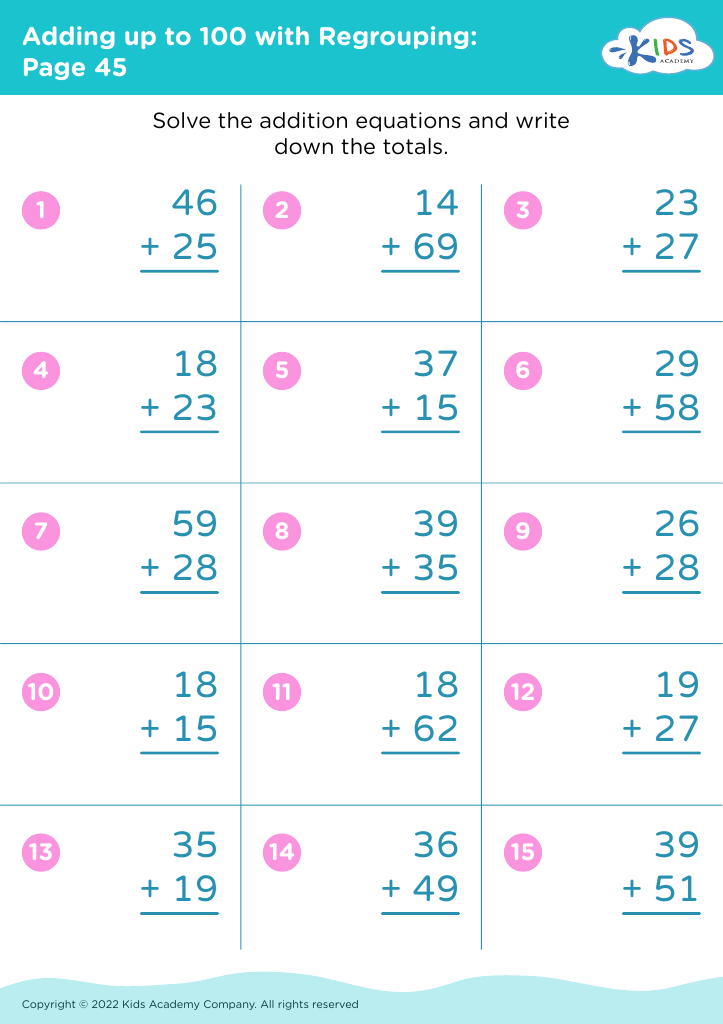
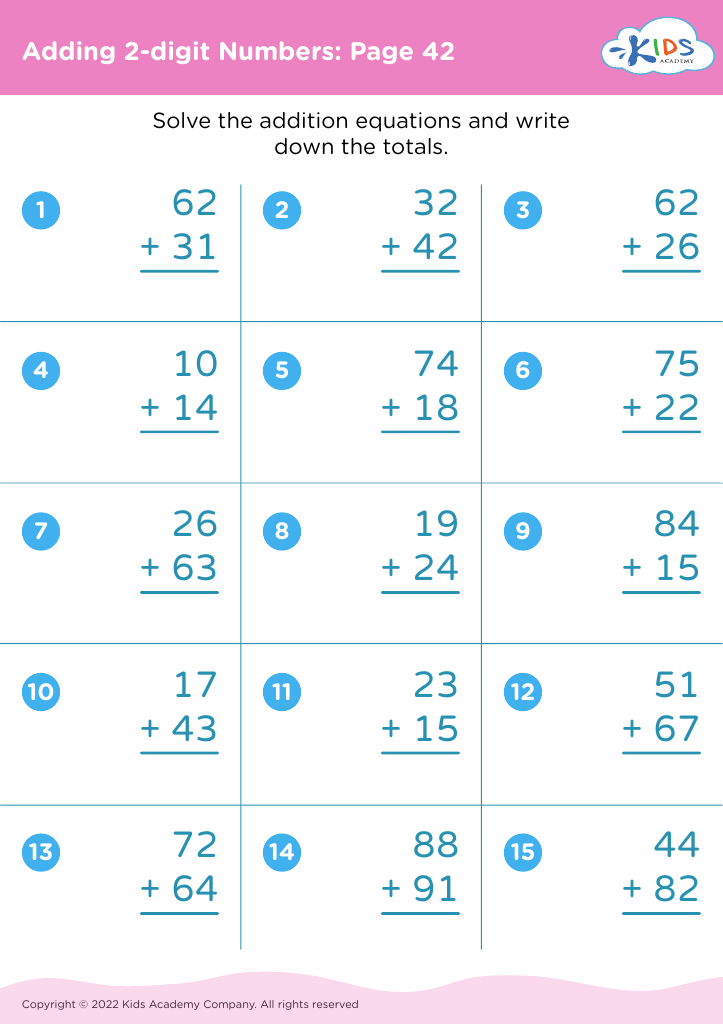
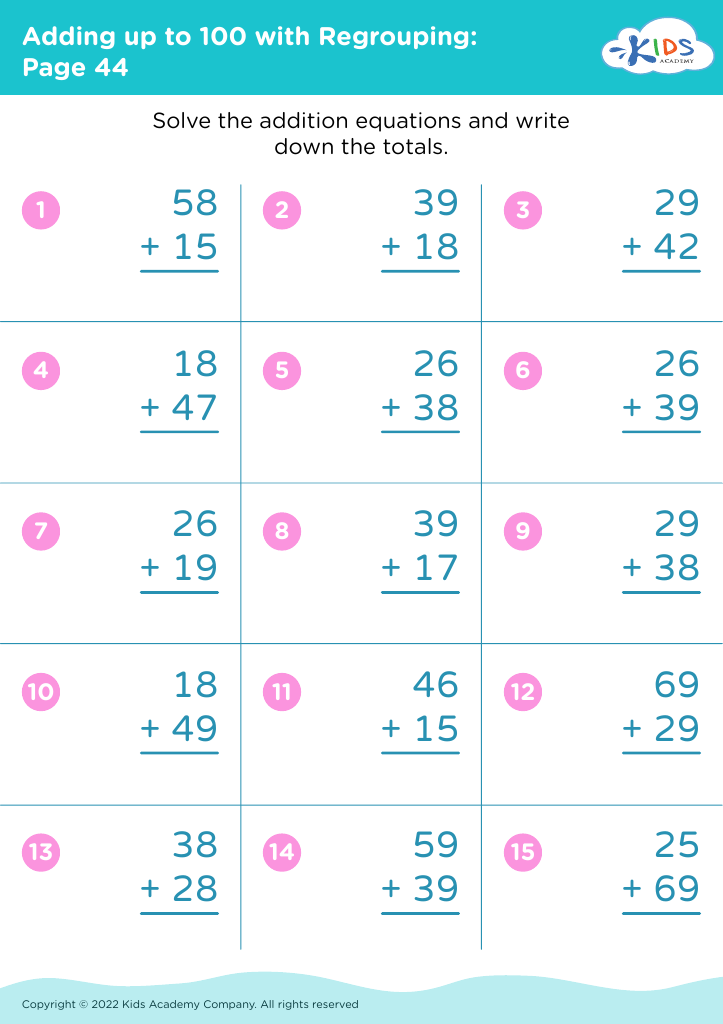





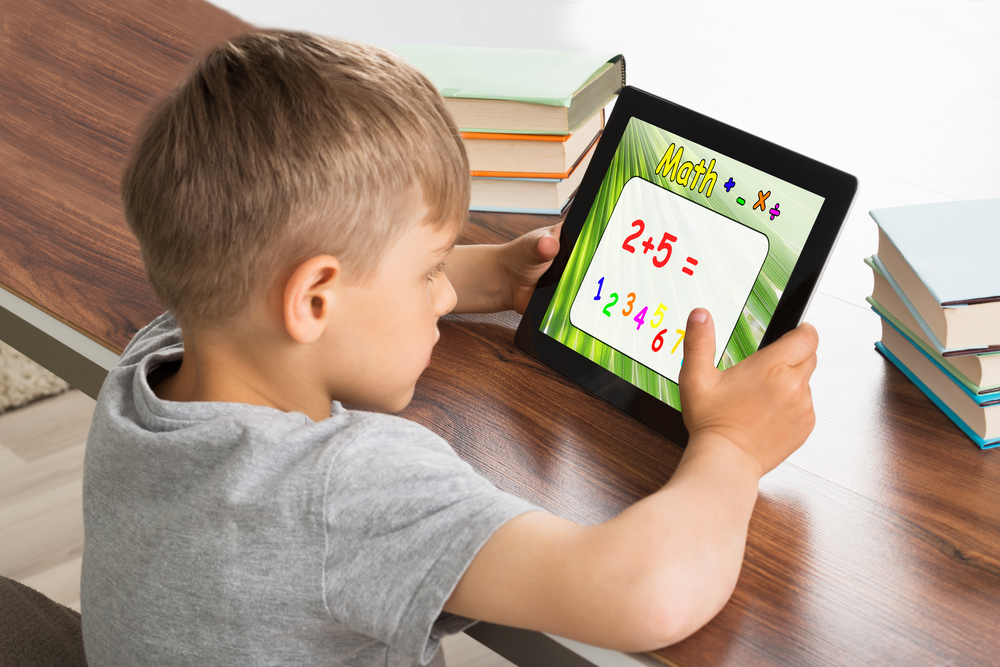


Shape Recognition and Addition are fundamental skills for children ages 6-9, forming the foundational pillars for future academic success and daily problem-solving abilities. For one, shape recognition is crucial because it enhances a child’s spatial awareness and cognitive development. By recognizing and differentiating between various shapes, children improve their visual observation, develop to categorize objects, and foster critical thinking and geometry skills, which are vital in areas such as mathematics, art, and even science.
Simultaneously, addition fosters numerical literacy, which is just as important for a child's growth. Mastering addition helps children not only to tackle more advanced math problems but also to establish a strong grasp of key concepts like counting, number relationships, and arithmetic operations. This skill is essential for performing longer and more complex calculations, which they will encounter throughout their educational journey and in real-world scenarios.
Integrating shape recognition with addition nurtures multitasking abilities and the skill to handle more than one cognitive process at a time. This combination can make learning more engaging and relatable by utilizing tangible, visible objects, enhancing children's ability to connect abstract mathematical concepts with the real world.
Thus, parents and teachers should prioritize these skills to ensure children develop a solid educational foundation, making future academic challenges more manageable and less intimidating.








