Cultural awareness Math Worksheets for Ages 6-9
5 filtered results
-
From - To
Explore our engaging Cultural Awareness Math Worksheets designed specifically for children ages 6-9! These thoughtfully crafted resources bridge mathematics and multicultural education, helping young learners understand diverse cultures while developing essential math skills. Each worksheet incorporates relatable cultural scenarios, enabling kids to practice addition, subtraction, and problem-solving through real-world contexts. Promote inclusion and understanding as students discover the beauty of different traditions and customs. Ideal for homeschool environments or classroom settings, these worksheets aim to foster curiosity and empathy in your child. Access our collection today and enrich your child’s learning journey with valuable knowledge and mathematical confidence!
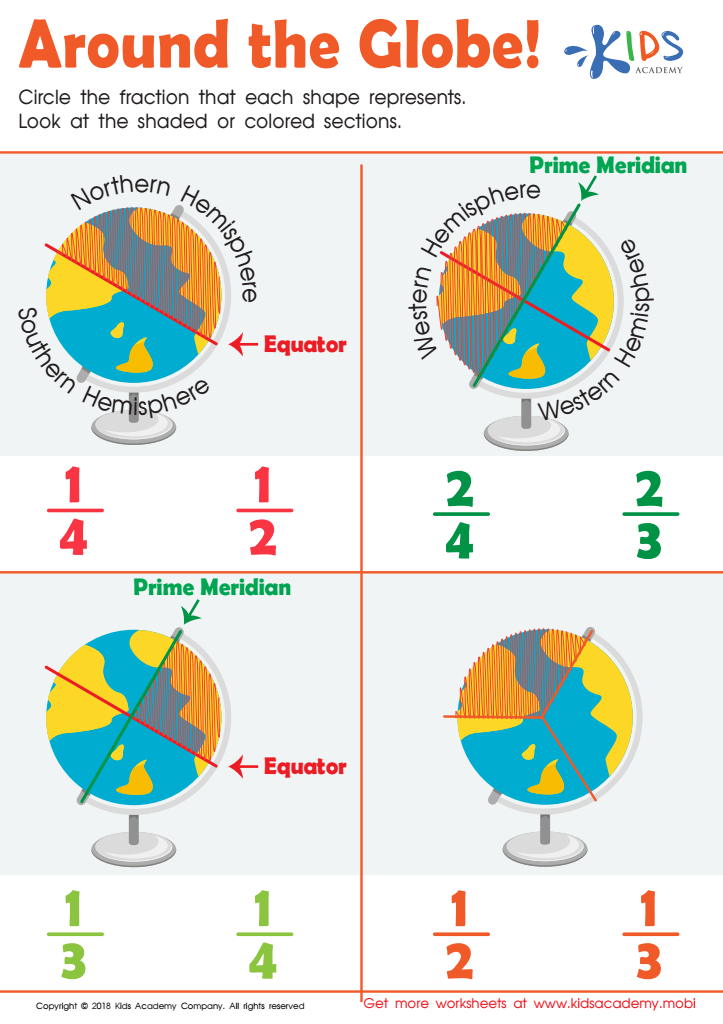
Around the Globe Worksheet
 Assign to My Students
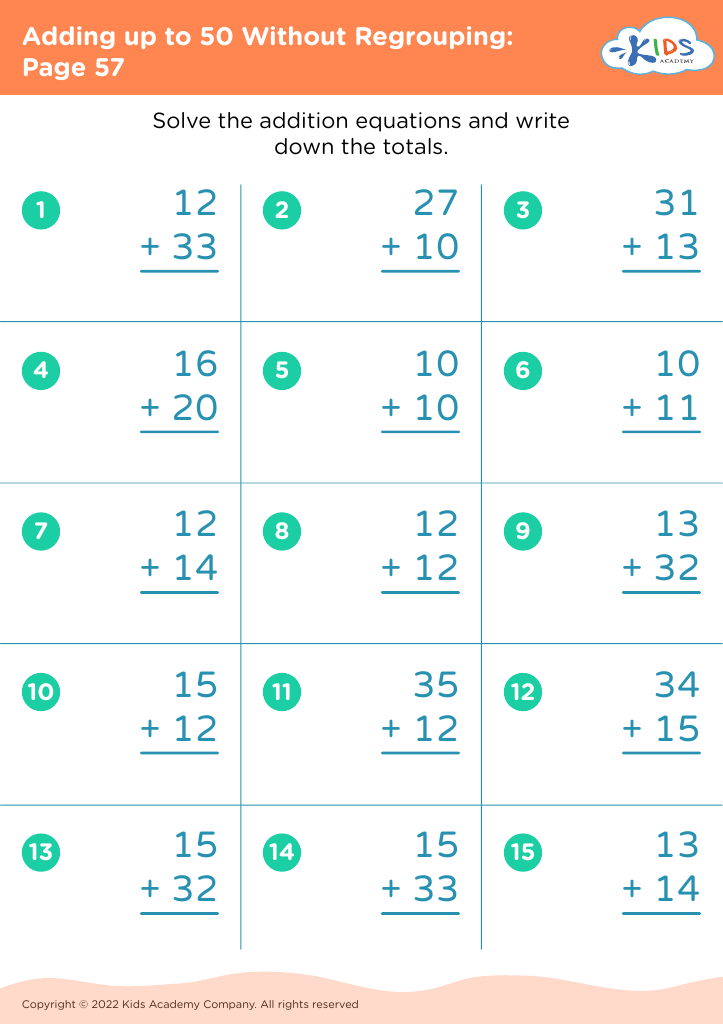
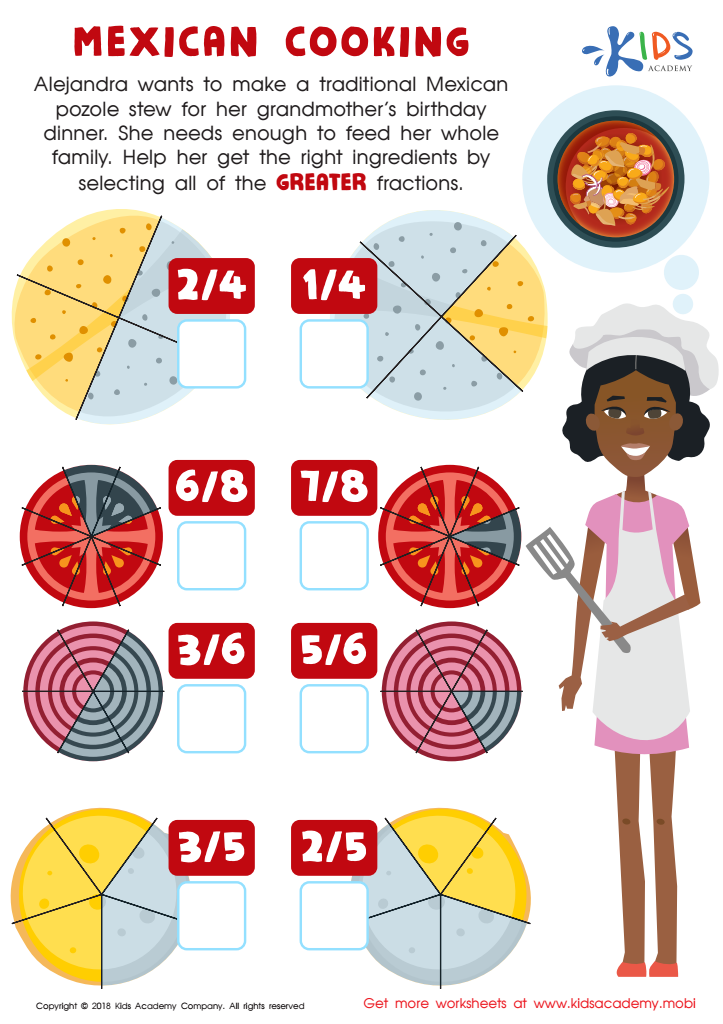
Mexican Cooking Worksheet
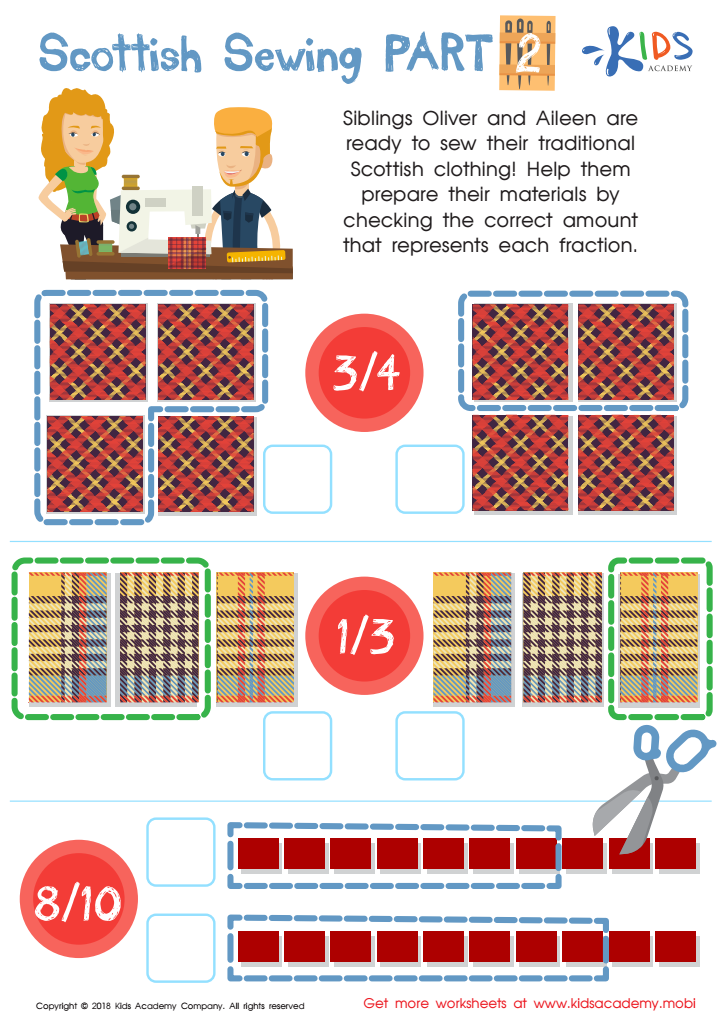
Scottish Sewing Part 2 Worksheet
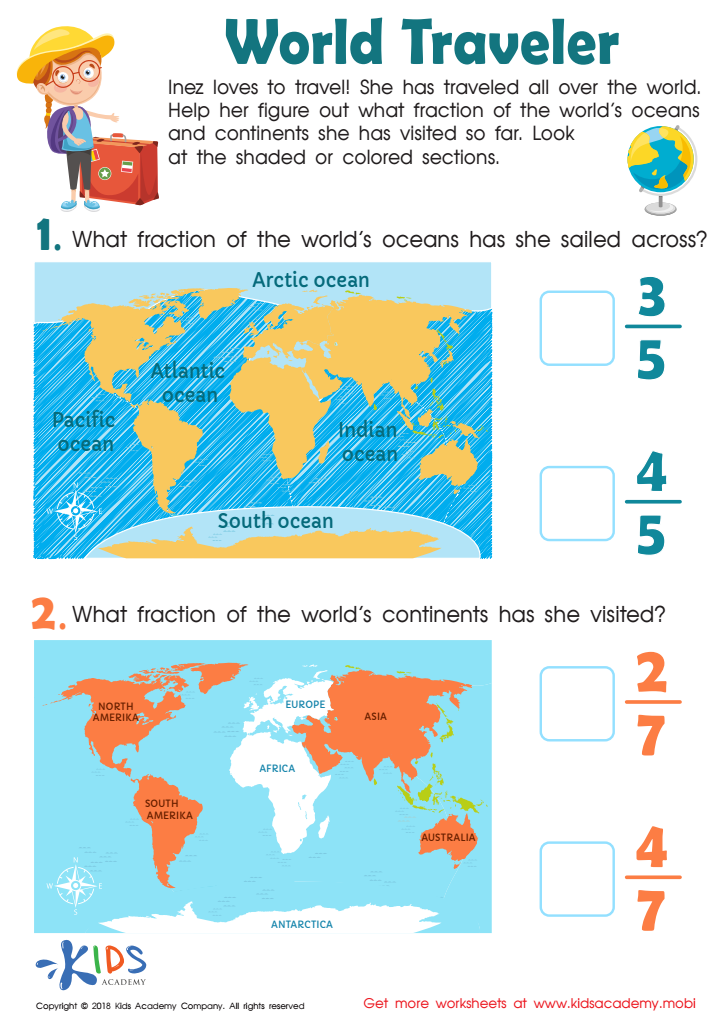
World Traveler Worksheet





Cultural awareness in mathematics is essential for children aged 6-9 as it promotes inclusivity, respect, and understanding of diverse perspectives. At this formative stage, children are curious and open-minded; instilling cultural awareness through math can enrich their educational experience and foster a sense of belonging. Understanding various cultural contributions to math, such as counting systems, geometric patterns, and problem-solving techniques from around the world, encourages students to see math as a universal language.
Moreover, integrating cultural contexts into math lessons helps to make learning more relatable and engaging. For instance, using examples from students’ own backgrounds can spark interest and aid comprehension. This approach not only improves mathematical skills but also encourages critical thinking and creativity as children explore problem-solving from various cultural angles.
Furthermore, cultivating cultural awareness in math can combat stereotypes and biases early on. Children learn to appreciate differences and recognize the value of diverse perspectives, which is vital for developing empathy and social awareness. In nurturing global citizens, teachers and parents play a crucial role, ensuring that children understand math not just as a set of numbers but as a revered cultural dialogue that spans oceans and traditions.








