Develop analytical thinking Math Worksheets for Ages 6-9
3 filtered results
-
From - To
Unlock your child's potential with our engaging analytical thinking math worksheets designed specifically for ages 6-9. These worksheets provide fun and interactive activities that promote problem-solving skills and critical thinking, essential for young learners. With colorful illustrations and challenging tasks, children will enjoy exploring concepts like patterns, logic, and reasoning in a supportive environment. Ideal for both classroom use and at-home practice, our tailored resources help nurture confident decision-makers and adept thinkers. Watch your child thrive as they build a solid foundation for future math success. Explore our collection today and inspire a love for learning through analytical thinking!
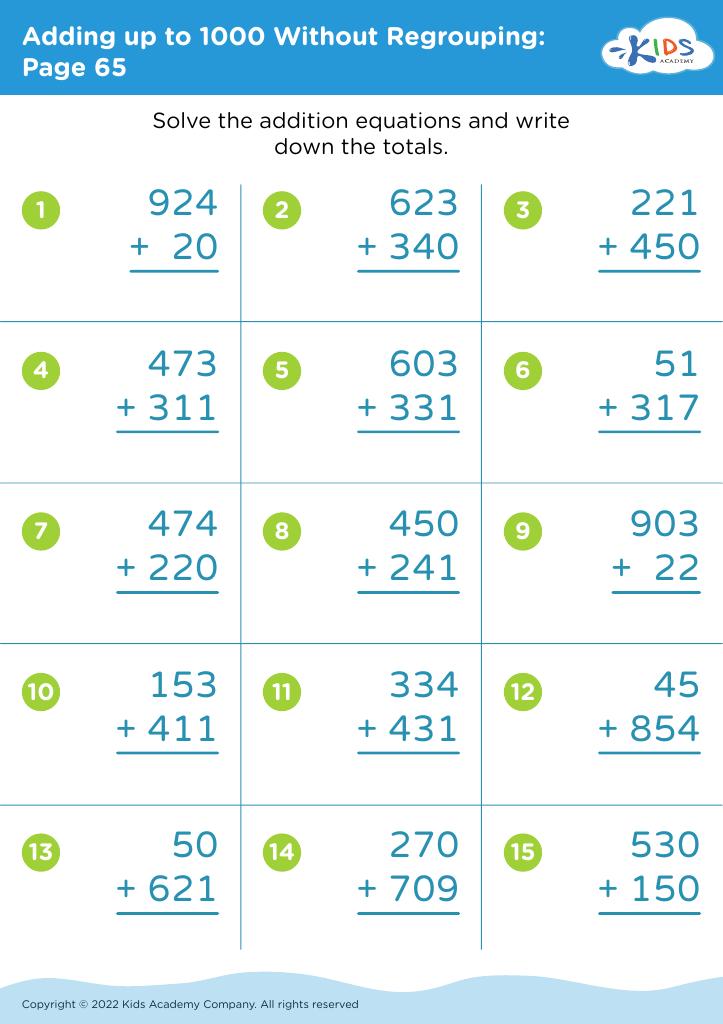
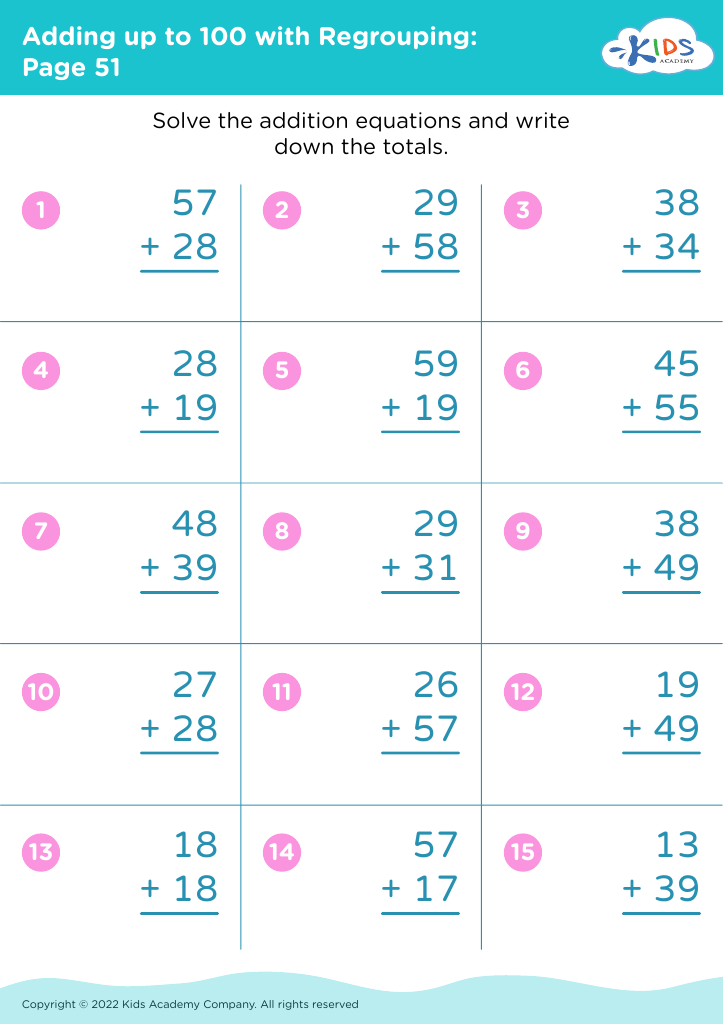
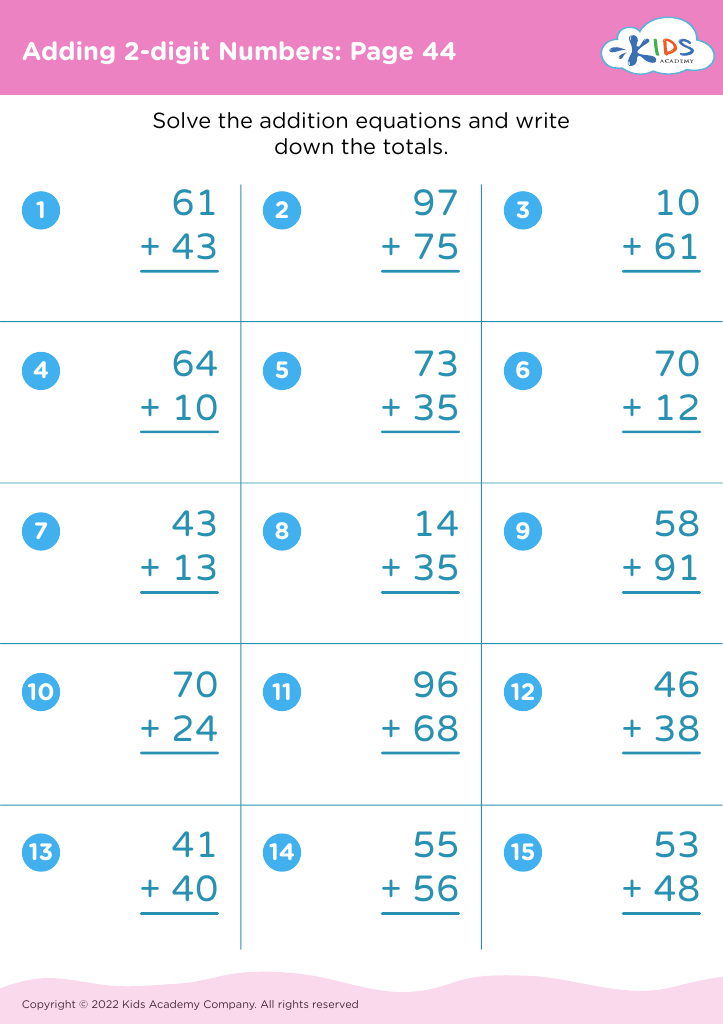








Developing analytical thinking skills in children aged 6 to 9, especially in mathematics, is crucial for their overall cognitive growth. During these formative years, children are beginning to understand complex problem-solving and reasoning methods. When parents and teachers prioritize analytical thinking in math, they lay the groundwork for strong critical thinking abilities. This not only helps in mathematics but also enhances skills in other subjects and real-life situations.
Analytical thinking encourages children to approach problems methodically, breaking them down into manageable parts. This approach fosters a deeper comprehension of mathematical concepts, allowing for greater flexibility in thinking. Children learn to analyze patterns, make predictions, and evaluate outcomes, all of which are essential for higher-level math and everyday decision-making.
Moreover, strong analytical skills boost confidence and perseverance. When children tackle challenging math problems with a strategic mindset, they build resilience, learning that making mistakes is an integral part of the learning process. Ultimately, by nurturing these skills, parents and teachers help shape independent thinkers who are equipped to navigate future academic challenges and make informed choices in their lives. Investing in analytical thinking from an early age sets the stage for lifelong learning and success.








