Identifying Animals Math Worksheets for Ages 6-9
4 filtered results
-
From - To
Welcome to our "Identifying Animals Math Worksheets" specifically designed for kids ages 6-9! These engaging worksheets blend math skills with fun animal themes, providing a unique learning experience. Children will enhance their math proficiency while recognizing different animals through colorful illustrations and interactive exercises. Each worksheet supports key learning skills like counting, addition, and subtraction, all within the exciting world of wildlife. Perfect for homeschooling or supplementing classroom activities, these worksheets make learning enjoyable and memorable. Help your child develop a strong foundation in math while igniting their curiosity about animals. Download the worksheets today and watch their confidence grow!
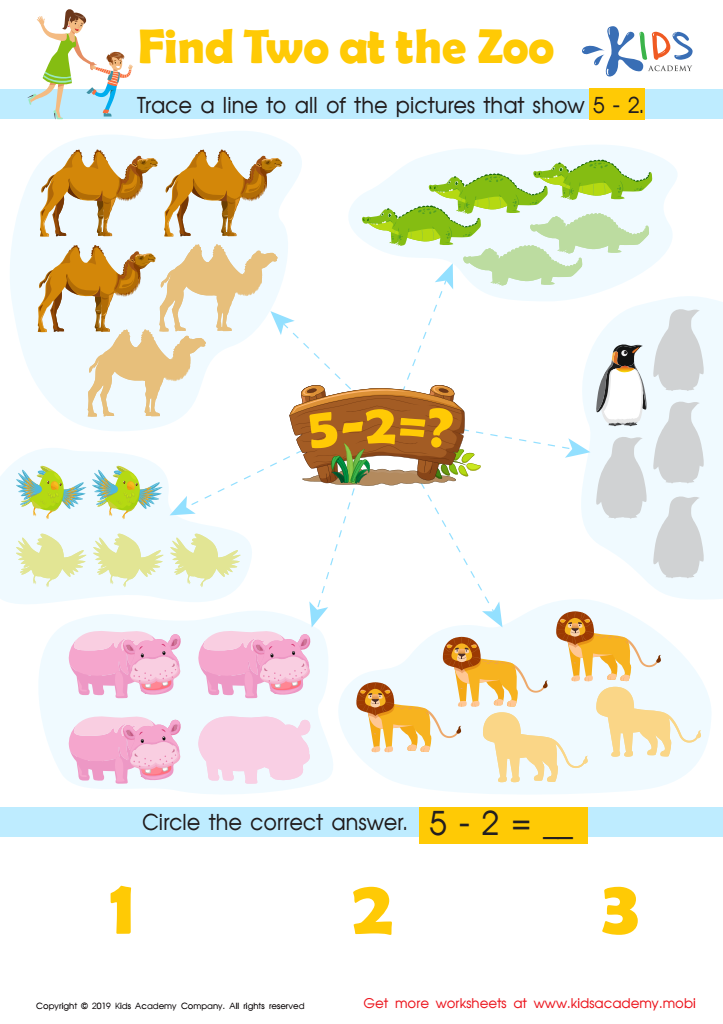
Find Two at the Zoo Worksheet
 Assign to My Students






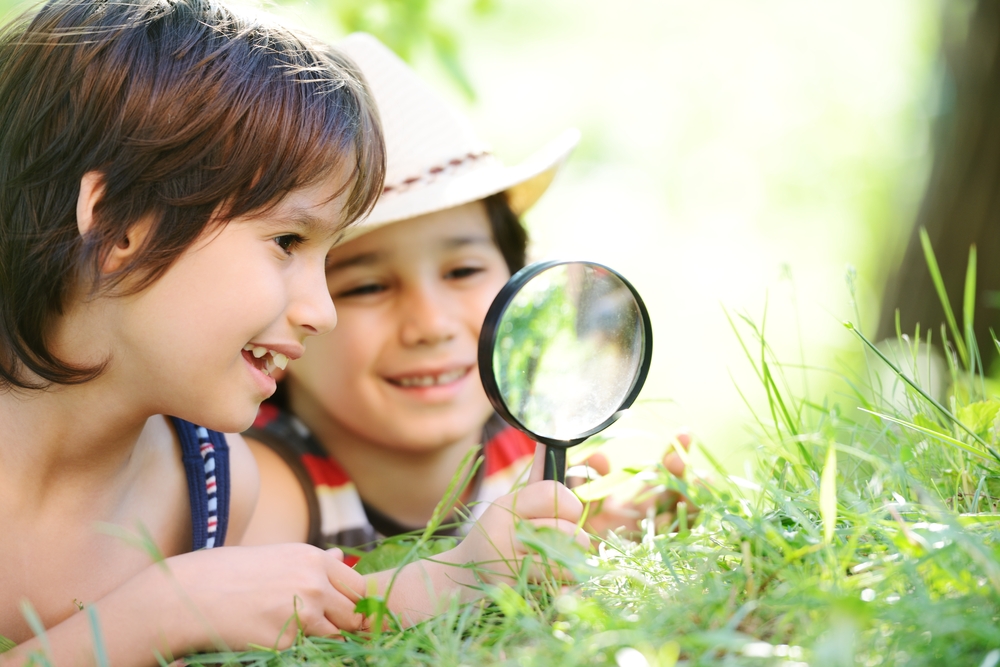

Identifying Animals Math for ages 6-9 is crucial for multiple reasons that extend beyond mere academic skills. At this developmental stage, children are naturally curious about the world around them, especially animals. Integrating math with animal identification fosters engagement and makes learning enjoyable. By connecting math concepts, such as counting, sorting, and patterns, to familiar subjects like animals, we create a meaningful context that resonates with children.
Moreover, this form of learning reinforces critical thinking and problem-solving. As children categorize animals based on various attributes—such as size, habitat, or diet—they enhance their observational skills and mathematical reasoning simultaneously. This interdisciplinary approach supports cognitive development, allowing children to see the interconnectedness of different subjects.
Teachers and parents also play a pivotal role in encouraging exploration through activities that promote observation and data collection about animals. Through this process, children's communication skills improve, as they articulate their findings or share observations with peers and adults.
Ultimately, focusing on Identifying Animals Math cultivates a love for learning, promotes scientific inquiry, and strengthens foundational math skills, providing children with tools they will use throughout their education and everyday life. It nurtures both a sense of wonder for nature and the analytical skills that are essential as they grow.








