
Improve problem-solving Math Worksheets for Ages 6-9
4 filtered results
Difficulty Level
Grade
Age
-
From - To
Subject
Activity
Standards
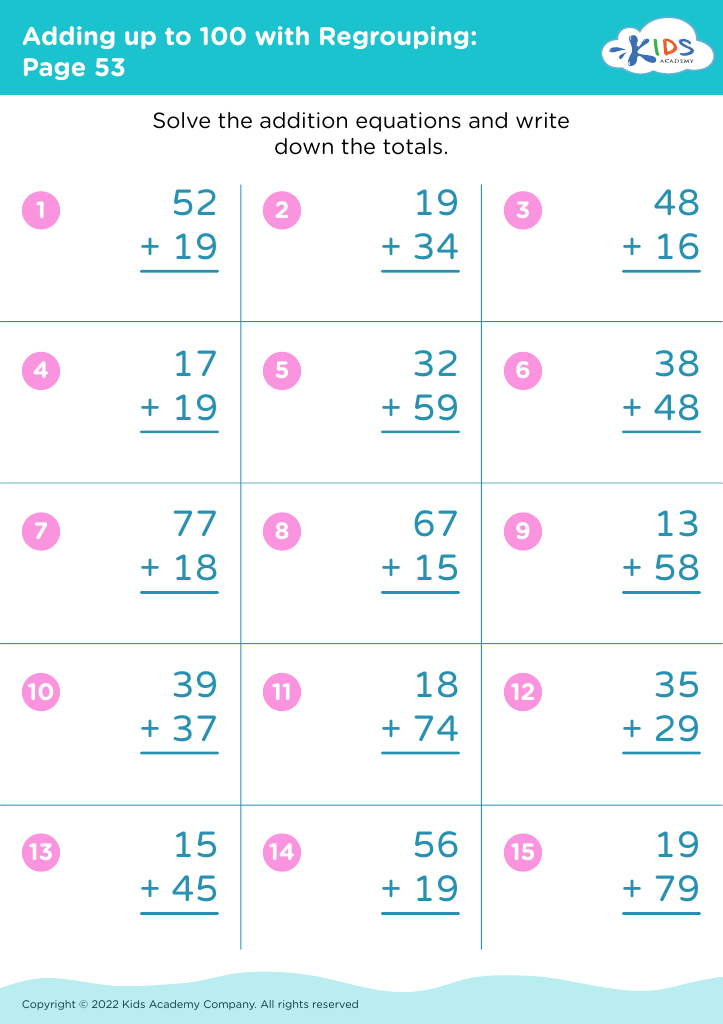
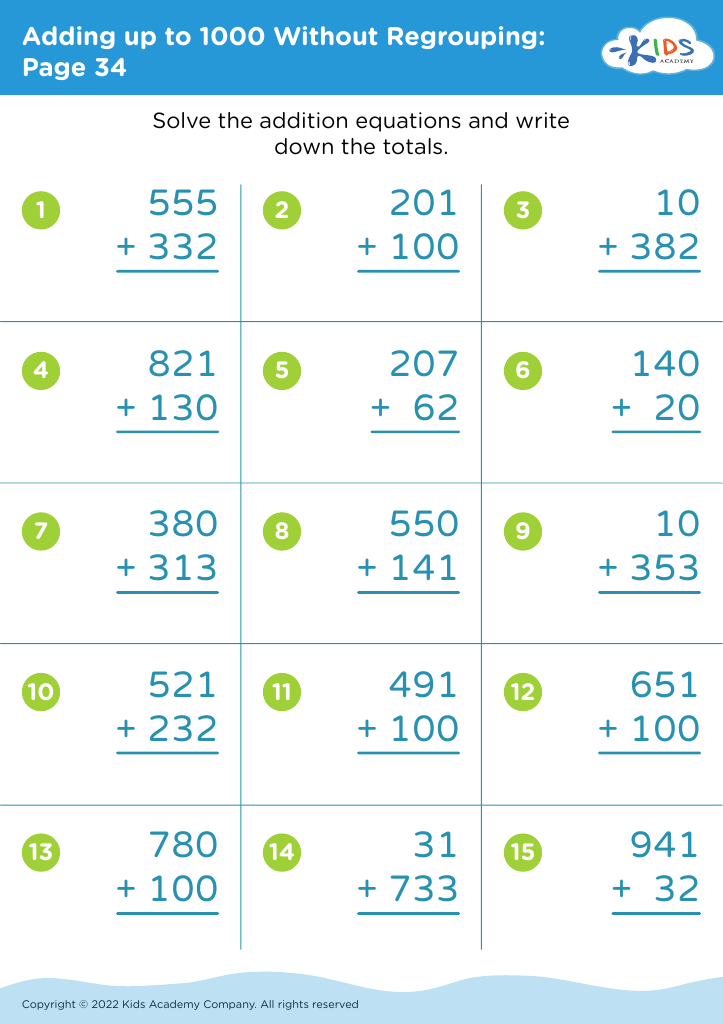
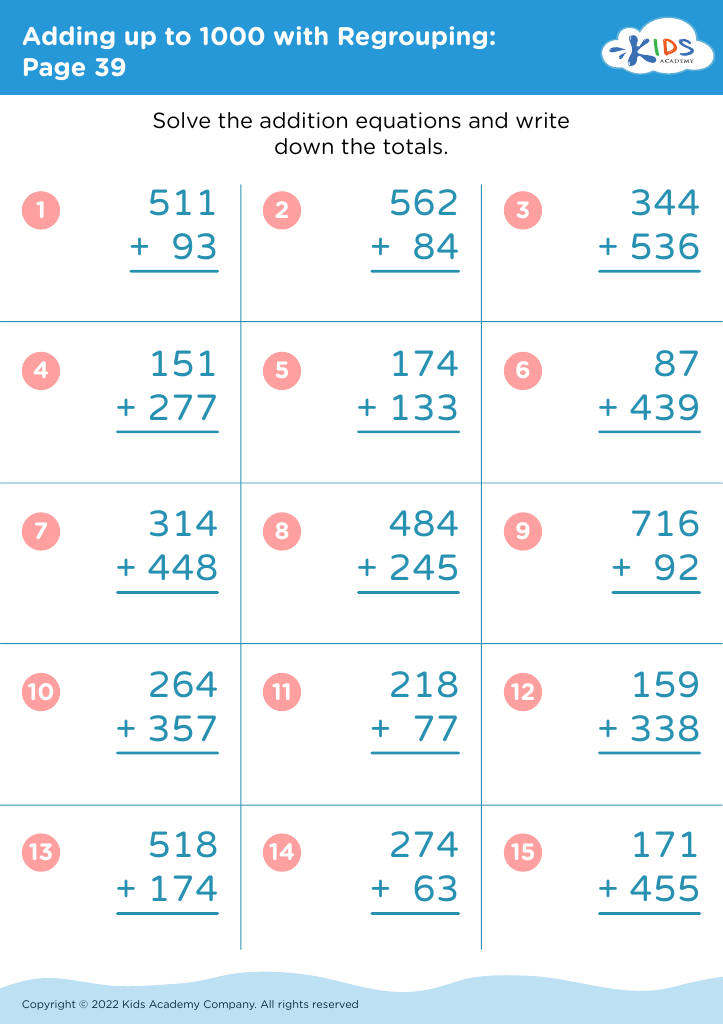
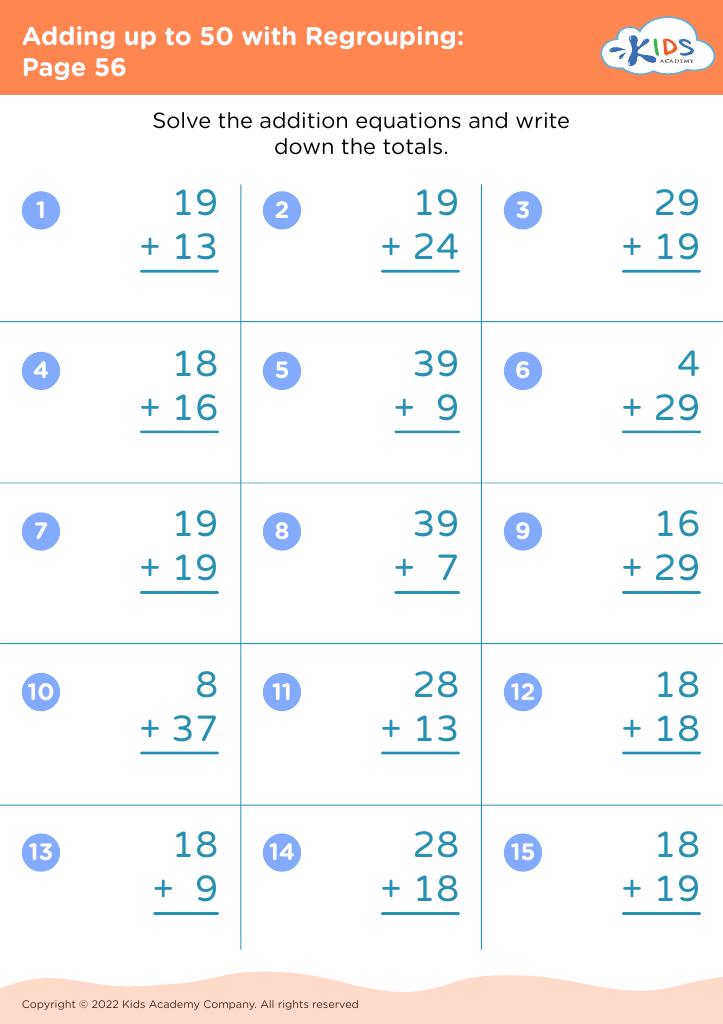
Boost your child's math skills with our engaging problem-solving worksheets designed for ages 6-9. At Kids Academy, our printable activities focus on enhancing analytical thinking and logical reasoning, transforming challenging concepts into fun learning experiences. From basic arithmetic to complex puzzles, our worksheets cater to diverse learning styles, ensuring every child is engaged and motivated. Perfect for classroom or home use, these worksheets promote critical thinking and confidence in solving math problems. Start today and watch your child excel in math, gaining essential skills for academic success and beyond.
Favorites
With answer key
Interactive
Join Kids Academy for Free
Who is primarily going to use this learning content?




.jpg)



Improving problem-solving skills in math for children aged 6-9 is crucial, as these formative years lay the foundation for future academic and life success. At this stage, kids are developing cognitive abilities, and enhancing their problem-solving skills aids in critical thinking, logical reasoning, and decision-making. Early exposure to mathematical problem-solving encourages a positive attitude toward math, countering the common societal stereotype that math is inherently difficult or intimidating.
For parents, investing in their child's math skills strengthens their overall academic performance and boosts their confidence and independence. Mastery in math problem-solving enables children to approach unfamiliar challenges with a systematic, analytical mindset, beneficial not just in math but across all subjects. Teachers play a critical role too, as they can introduce interactive and engaging methods such as games, puzzles, and hands-on activities, making math enjoyable and relatable.
Additionally, problem-solving skills are essential lifelong tools. They are foundational to many careers in the increasingly technology-driven world, positioning children to excel in future educational pursuits and diverse job markets. Therefore, fostering strong problem-solving skills in math during these early years is a shared responsibility that reaps long-term rewards, empowering children to tackle various challenges both in academic settings and real-world situations.








