Observation skills Math Worksheets for Ages 6-9
4 filtered results
-
From - To
Enhance your child's math abilities with our Observation Skills Math Worksheets for ages 6-9. Designed to strengthen both mathematical understanding and attention to detail, these engaging worksheets provide fun and interactive activities. Your child will practice recognizing patterns, spotting differences, and connecting concepts, all while building a solid foundation in math. Perfect for both classroom use and at-home learning, our worksheets promote critical thinking, patience, and problem-solving skills. Make math exciting and accessible with resources that transform learning into an enjoyable adventure. Elevate your child's educational journey with our expertly crafted worksheets tailored for young minds.
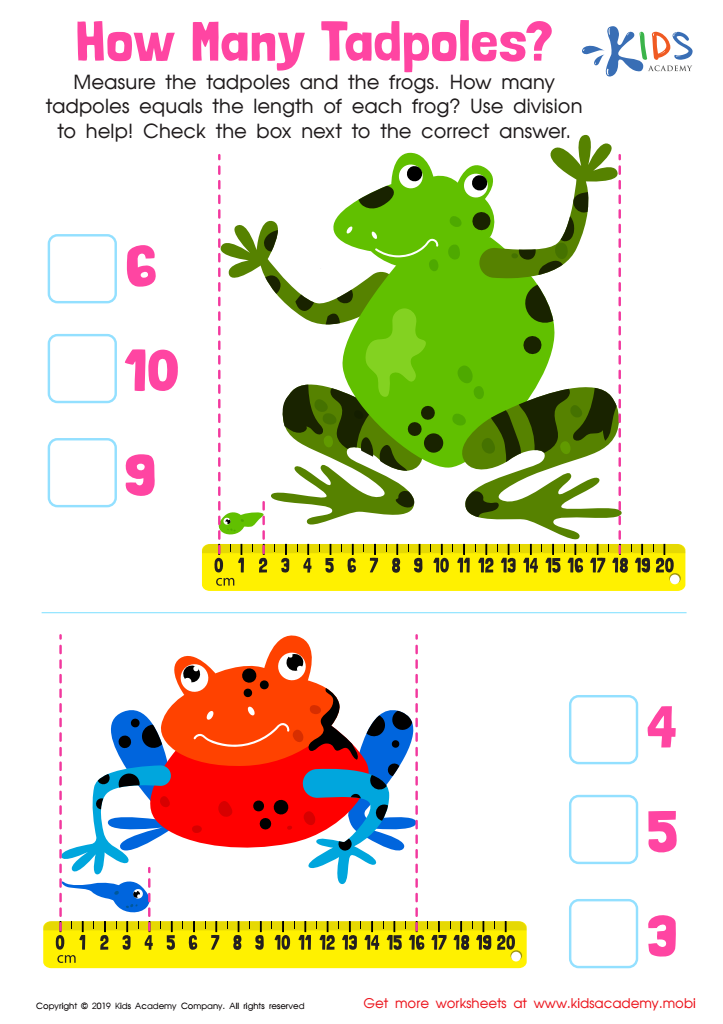
How Many Tadpoles Worksheet
 Assign to My Students
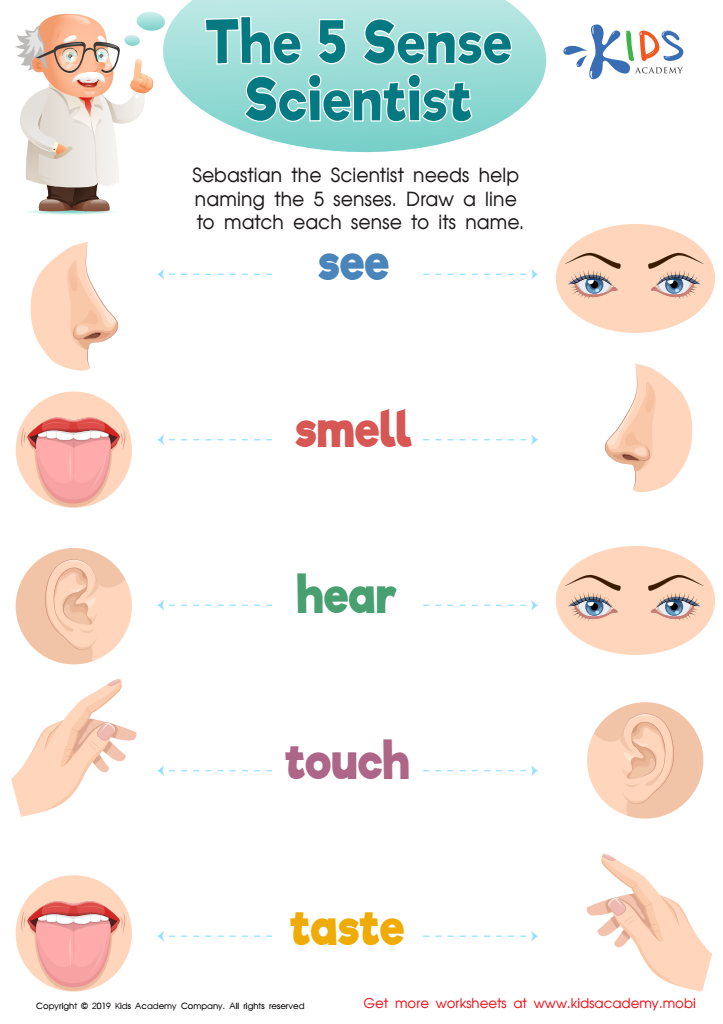
The 5 Sense Scientist Worksheet
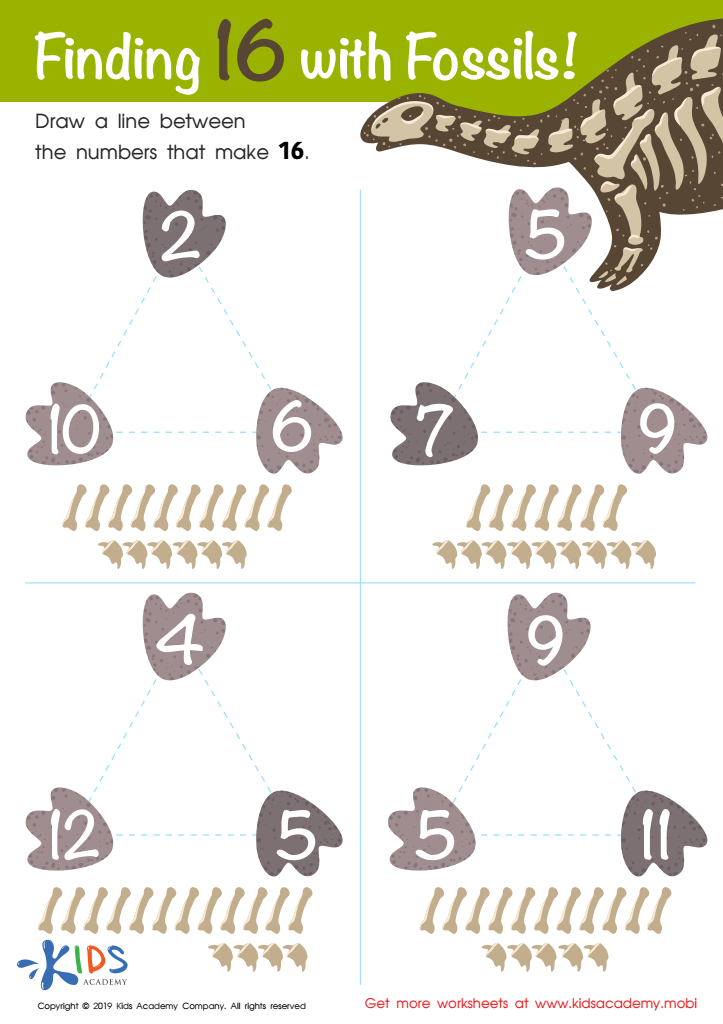
Finding 16 With Fossils Worksheet
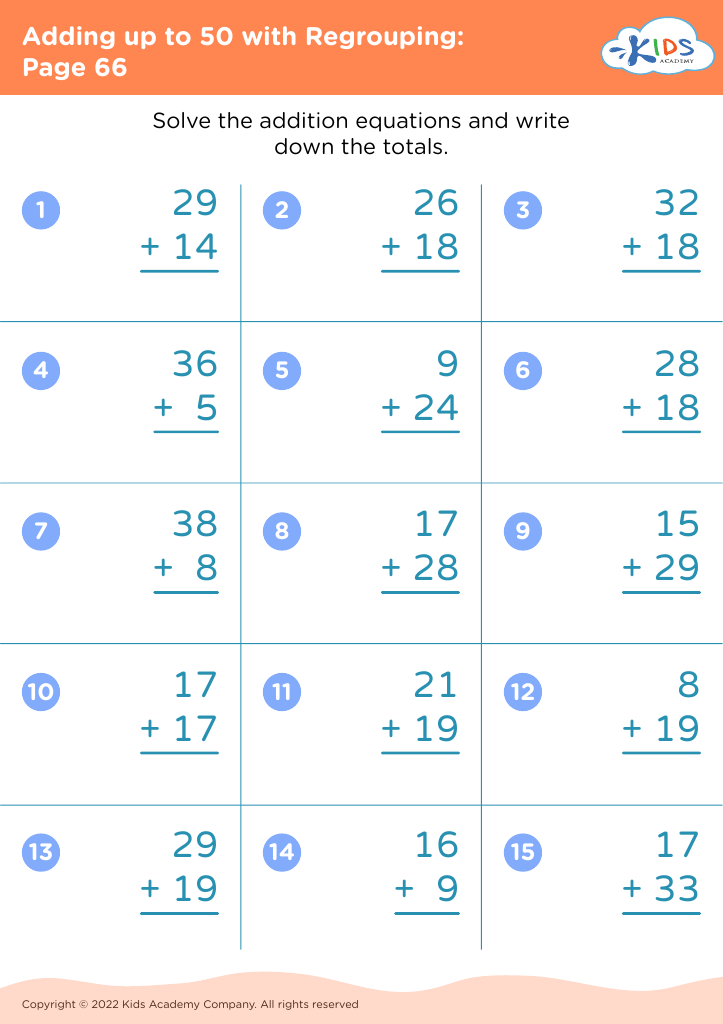






.jpg)

Observation skills in math are foundational for young learners aged 6-9. At this impressionable stage, honing these skills nurtures a child's ability to notice patterns, relationships, and changes in their environment, which are vital for mathematical understanding. Parents and teachers play a crucial role because these skills fuel curiosity and engagement, converting mundane activities into rich, educational experiences.
By encouraging observation, children learn to pay attention to details like shapes, sizes, quantities, and sequences. For instance, when a child observes that five apples are more than three apples, they are grasping basic numerical concepts intuitively. Moreover, these skills lay the groundwork for more complex arithmetic and problem-solving abilities, as they teach kids to see math not just as abstract numbers, but as part of everyday life.
Teachers can leverage observational activities to explain concepts like addition and subtraction using physical objects, which makes learning tactile and visual. Parents can reinforce this by engaging children in counting games, identifying patterns in nature, or sorting household items by size or color.
Investing in these skills early on positively impacts cognitive development, setting children up for success not only in math but also in critical thinking and decision-making across various life areas. Therefore, fostering observation skills is essential for building a well-rounded, intellectually curious child.








