Sequencing Skills Math Worksheets for Ages 6-9
10 filtered results
-
From - To
Boost your child's math abilities with our Sequencing Skills Worksheets designed specifically for ages 6-9! Our engaging and interactive activities help students understand the concept of order through fun exercises like arranging numbers, completing patterns, and following step-by-step instructions. These worksheets not only enhance mathematical skills but also foster critical thinking and logical reasoning. Perfect for both classroom learning and at-home practice, each worksheet is tailored to meet the developmental needs of young learners. Download our Sequencing Skills Math Worksheets today and watch your child's confidence and fluency in math grow as they master sequencing in an enjoyable way!
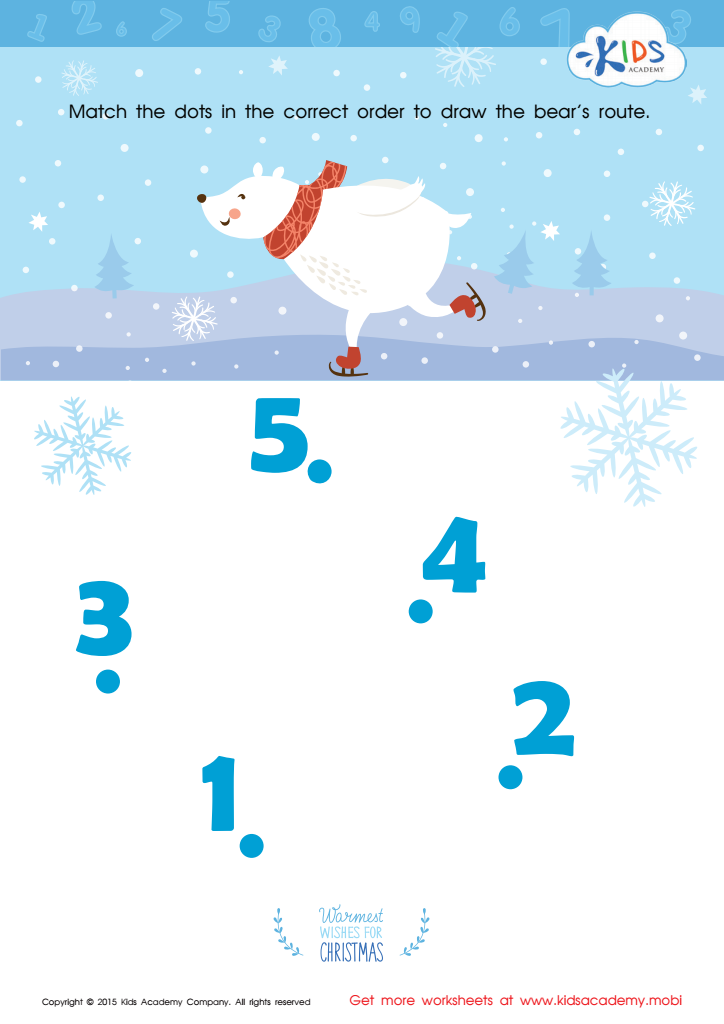
Drawing the Bear's Route by Number Worksheet
 Assign to My Students
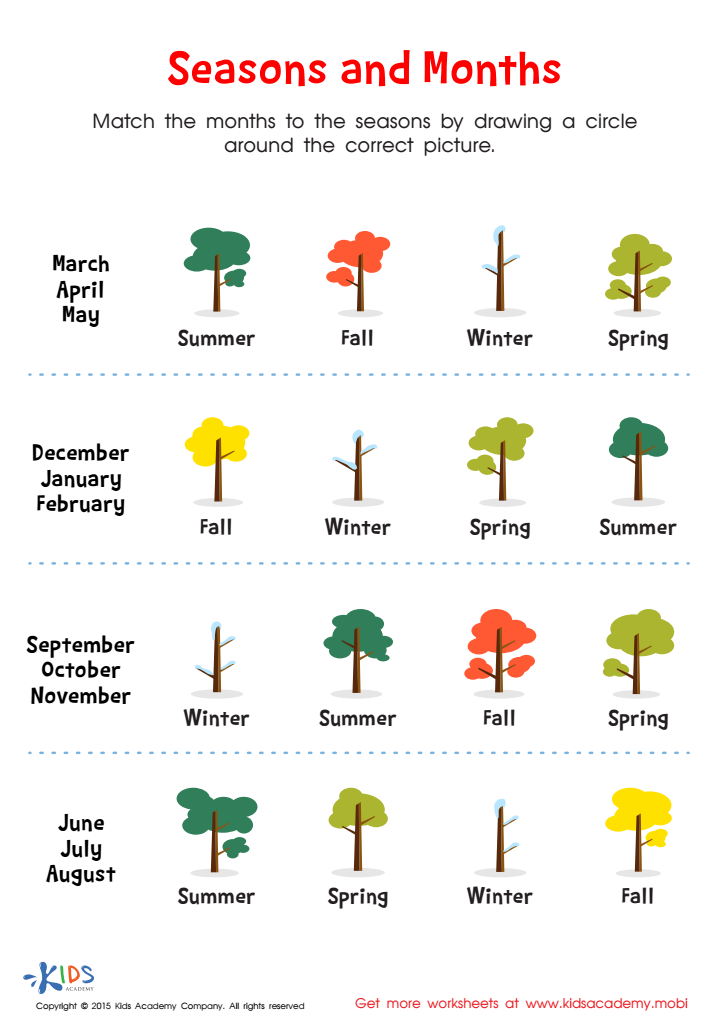
Seasons and Months Worksheet
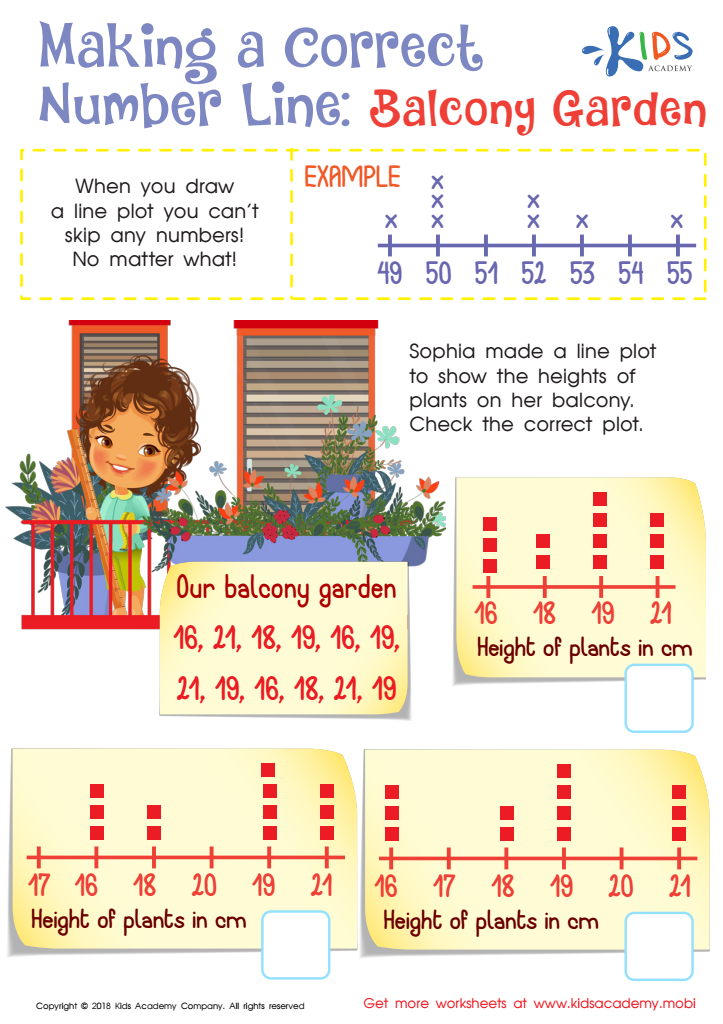
Making a Correct Number Line: Balcony Garden Worksheet
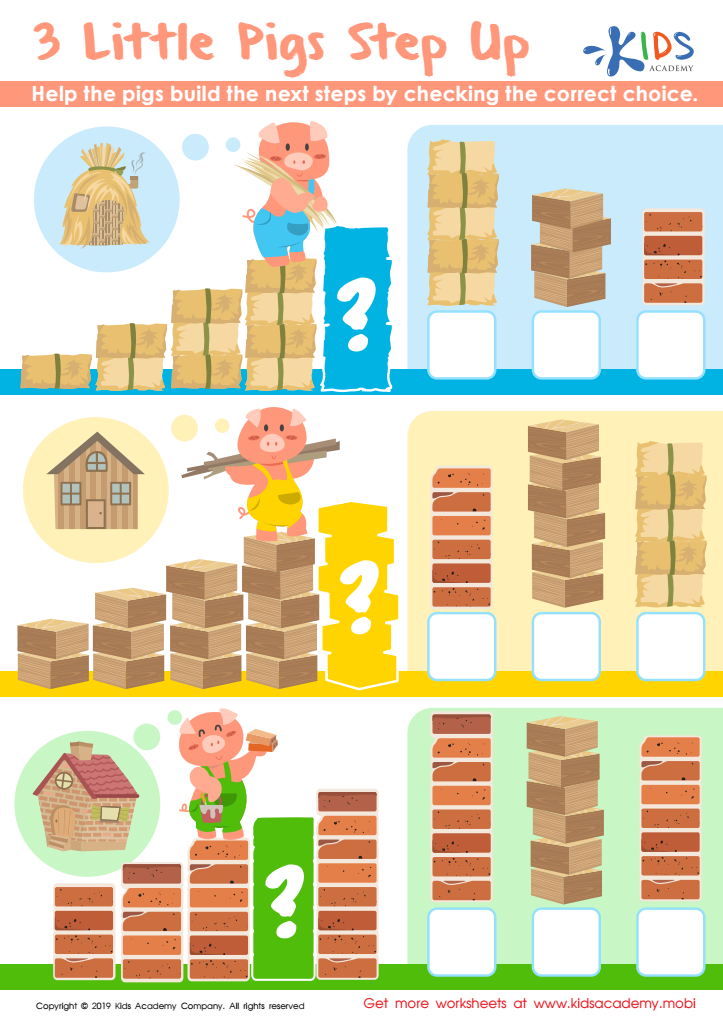
3 Little Pigs Step Up Worksheet
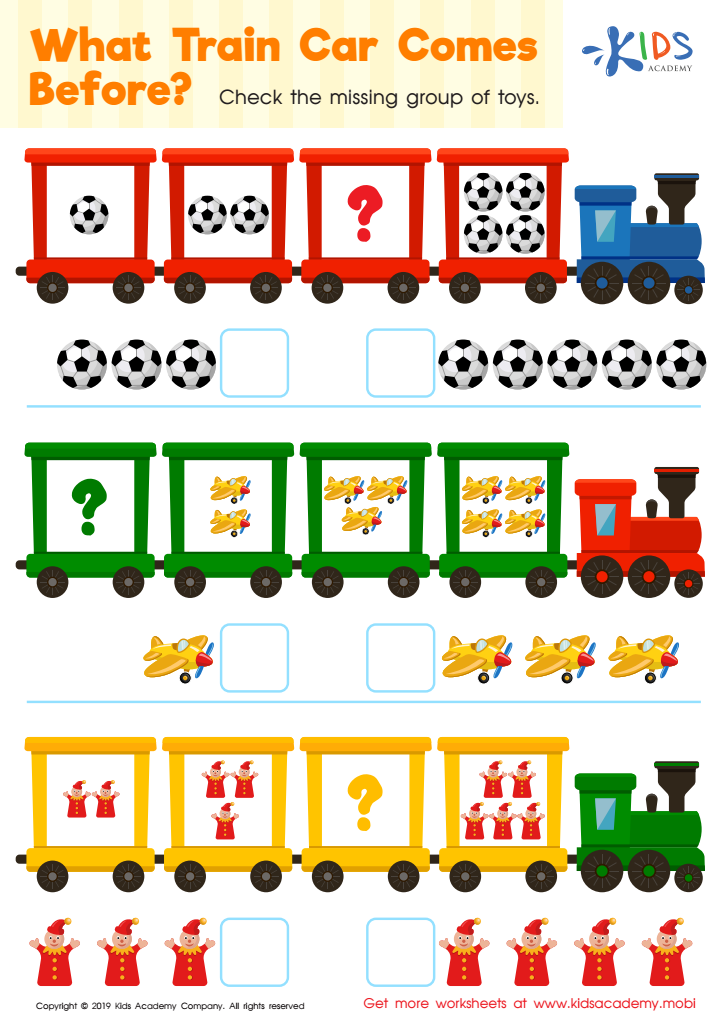
What Train Car Comes Before? Worksheet

Transportation: Steps Worksheet
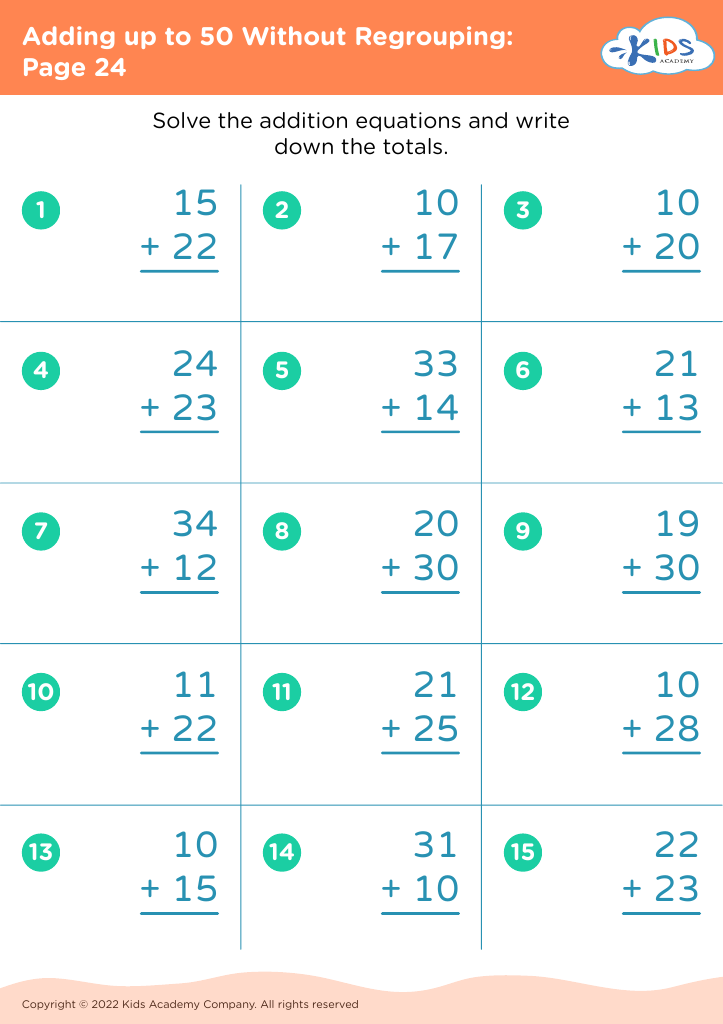
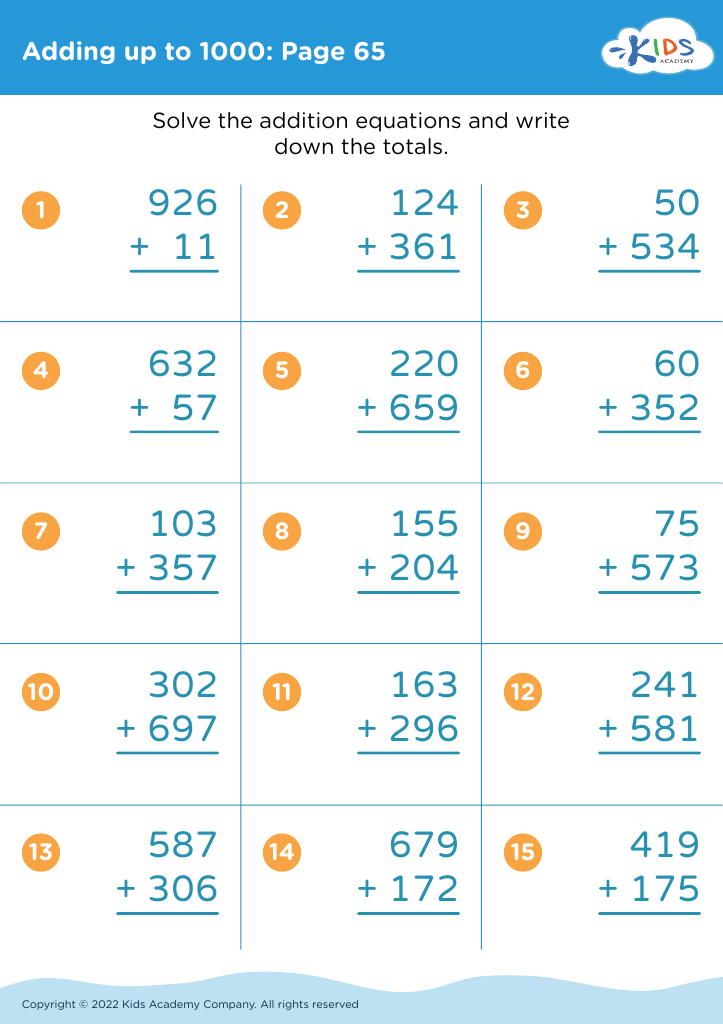
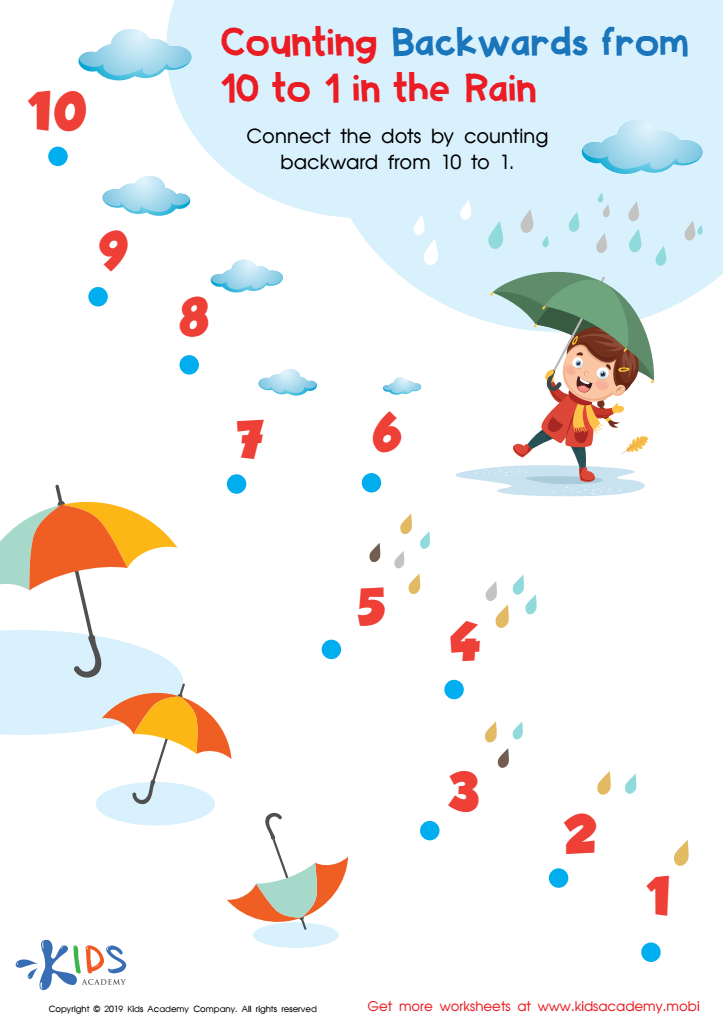
Counting Backwards from 10 to 1 in the Rain Worksheet








Sequencing skills in math are crucial for children ages 6-9 as they lay the foundation for logical thinking, problem-solving, and understanding numerical relationships. At this age, children are just starting to build their mathematical understanding, and sequencing helps them recognize patterns, follow steps in operations, and develop an understanding of temporal order in mathematical processes.
Developing strong sequencing skills enables children to tackle more complex concepts like addition and subtraction, as they learn the importance of the order of numbers in operations (e.g., 3 + 5 is different from 5 + 3). It also prepares them for future math topics, such as multiplication and division, where understanding sequences is essential.
Furthermore, sequencing skills encourage critical thinking, allowing children to break down problems into manageable steps. Teachers and parents emphasizing these skills can help children build confidence in their mathematical abilities, fostering a positive attitude towards learning.
Moreover, strong sequencing skills have benefits beyond math; they enhance children's overall cognitive development and improve their ability to follow instructions in various subjects and daily tasks. Therefore, nurturing these skills is vital for academic success and lifelong learning.








