
Practicing subtraction Place Value Worksheets for Ages 6-9
3 filtered results
Difficulty Level
Grade
Age
-
From - To
Subject
Activity
Standards
Enhance your child's math skills with our "Practicing Subtraction Place Value Worksheets" designed for ages 6-9. These engaging worksheets help young learners conquer subtraction through place value strategies, strengthening their understanding of basic math concepts. Each worksheet offers fun, educational activities tailored to build confidence in subtraction, critical thinking, and problem-solving skills. With colorful visuals and step-by-step instructions, students can progressively improve their subtraction skills. Ideal for parents and teachers looking to provide extra support, these resources ensure that foundational math principles are mastered with ease. Explore our collection today and give your child the tools for math success!
Favorites
With answer key
Interactive
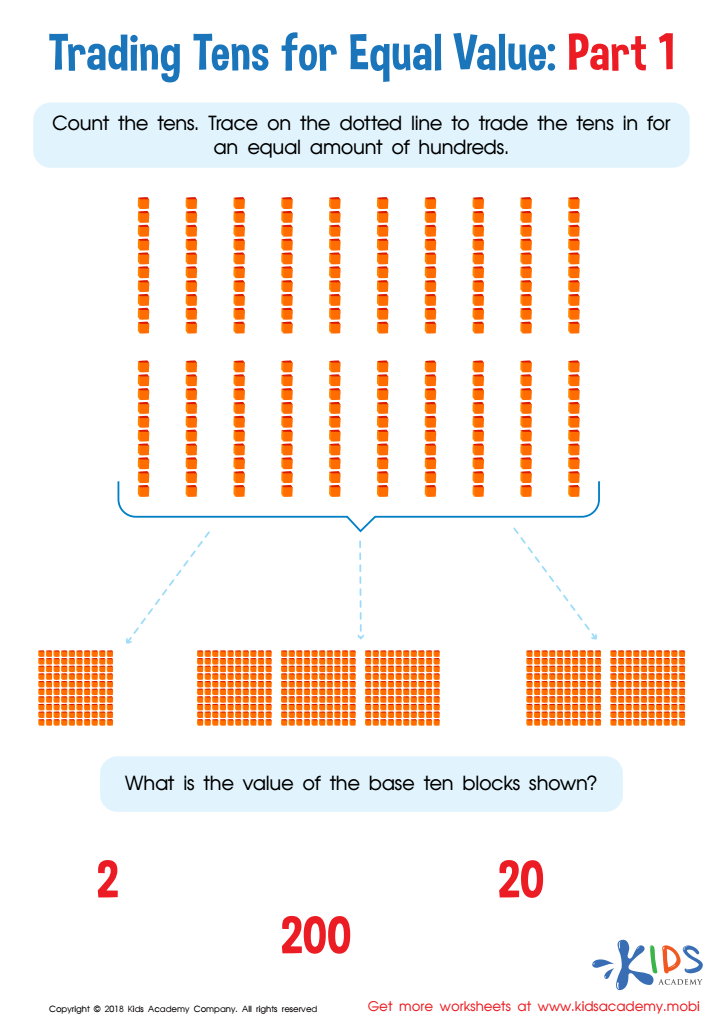
Trading Tens for Equal Value Worksheet: Part 1
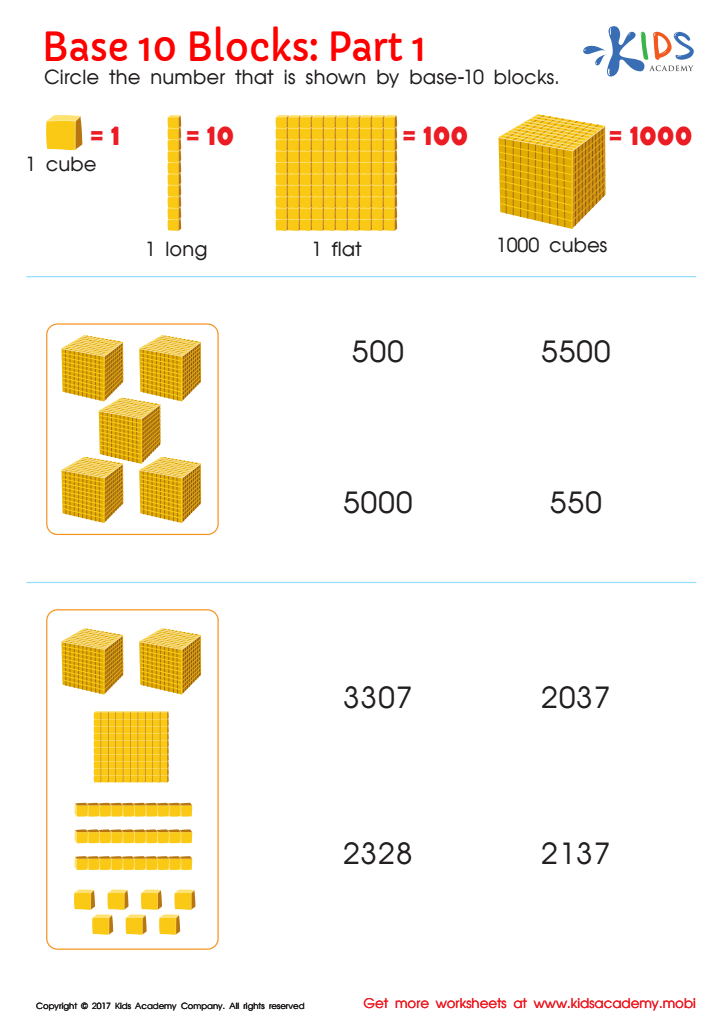
This worksheet helps 3rd graders count large numbers and recognize base numbers. It lists 10 cubes and asks students to identify the hundreds, then circle the base blocks. This colorful pdf provides a fun, visual way to help students strengthen their math basics.
 Assign to My Students
Trading Tens for Equal Value Worksheet: Part 1
Worksheet
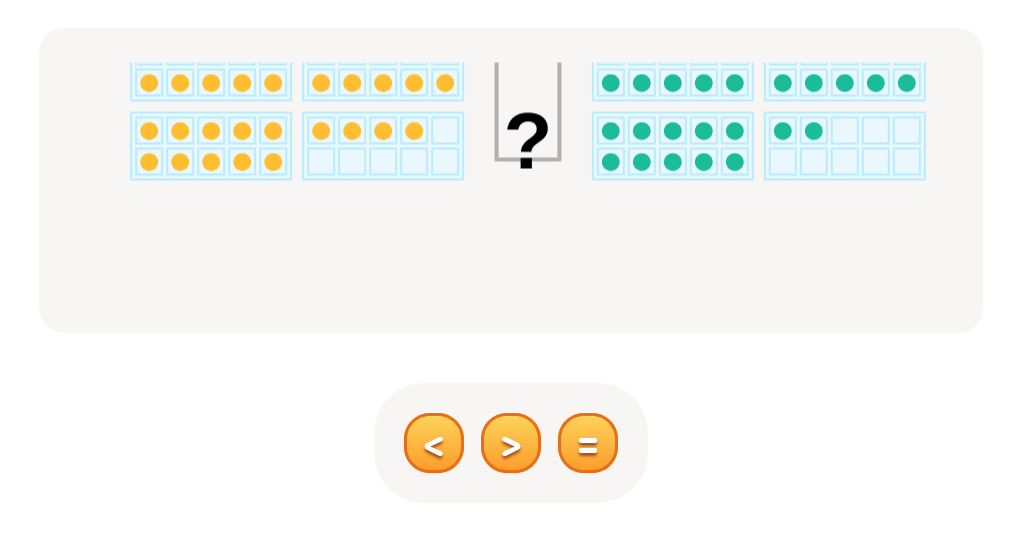

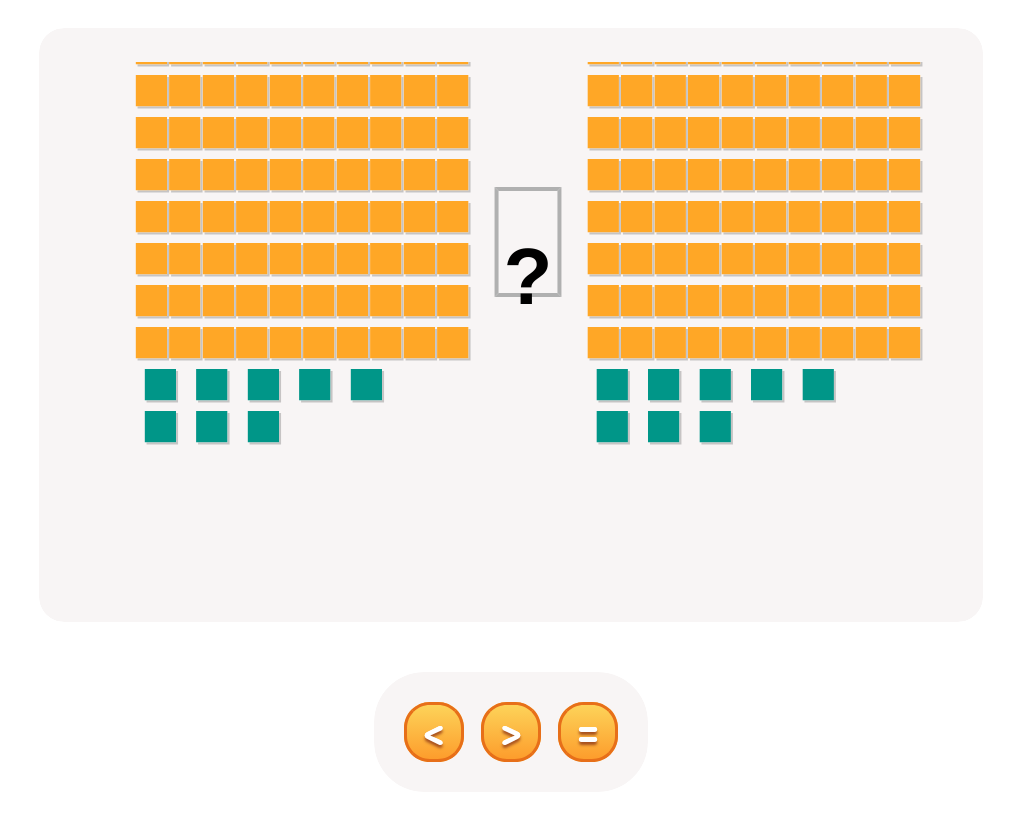
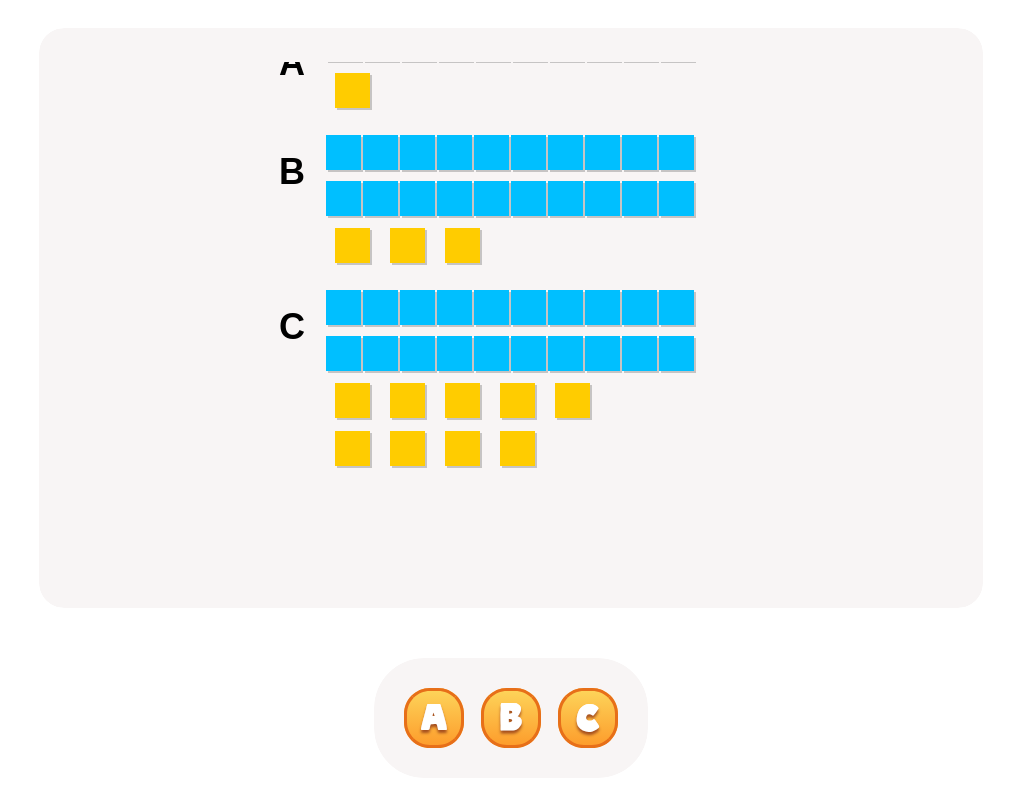
Place Value Thousands Worksheet
Kids aged 8+ can tackle the challenge of understanding place value with this thousands worksheet! It'll help develop their number sense and equip them with the skills to work with numbers up to the thousands.
Place Value Thousands Worksheet
Worksheet
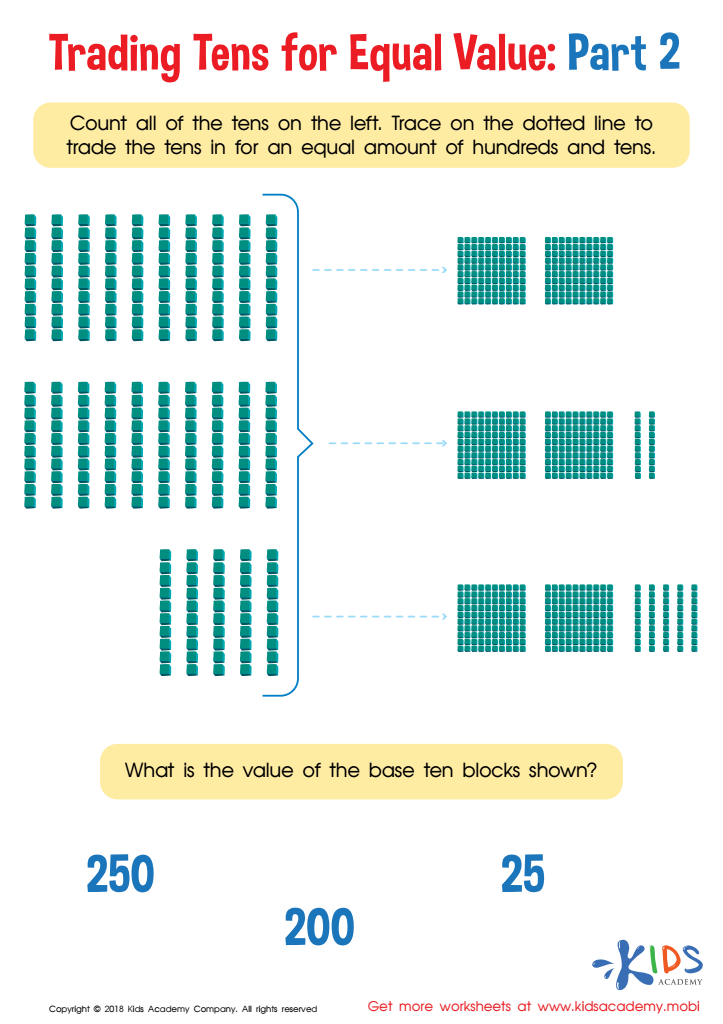
Trading Tens for Equal Value Worksheet: Part 2
Exchange coins for bills and cubes for longs or flats with this helpful place value worksheet! Encourage children to count all the tens, then trace the dotted line to the correct answer and determine the value. This concept can be tricky to teach in elementary math, but this worksheet can help!
Trading Tens for Equal Value Worksheet: Part 2
Worksheet
Join Kids Academy for Free
Who is primarily going to use this learning content?








Practicing subtraction place value for children aged 6-9 is crucial for their foundational math skills. This age group is typically in early elementary school, marking a pivotal stage in cognitive development where basic arithmetic concepts are established. Understanding place value lays the groundwork for more complex mathematical operations and number sense.
Subtraction, when integrated with place value comprehension, enables children to grasp the importance of digits' positions. Recognizing that the place of a digit gives it its value aids in accurate calculations and helps prevent common mistakes, such as aligning numbers incorrectly during subtraction.
Moreover, a strong grasp of place value and subtraction enhances problem-solving skills and logical reasoning. When kids see subtraction not just as "taking away" but in terms like decomposing numbers—breaking them down into more manageable units—they develop a deeper, more flexible understanding of mathematics. This can foster confidence and a positive attitude toward future math challenges.
Parents and teachers play a crucial role in guided practice using various tools like physical manipulatives (blocks or beads) and visual aids (charts or drawings). By focusing on these skills early on, they set the stage for increased numeracy, ensuring children are well-prepared for advanced math concepts they will encounter in later grades.








