Basic Math Skills Subtraction Worksheets for Ages 6-9
10 filtered results
-
From - To
Build your young learner’s confidence with our Basic Math Skills Subtraction Worksheets for ages 6-9. These engaging worksheets focus on developing subtraction proficiency through a variety of age-appropriate exercises designed to enhance problem-solving skills. Easy to download and print, our worksheets offer a fun and interactive way for kids to practice simple to more advanced subtraction problems. Created by education experts, each worksheet promotes numerical fluency essential for future learning. Whether for classroom use or home practice, our subtraction worksheets help lay a solid foundation in mathematics for your child’s academic success.
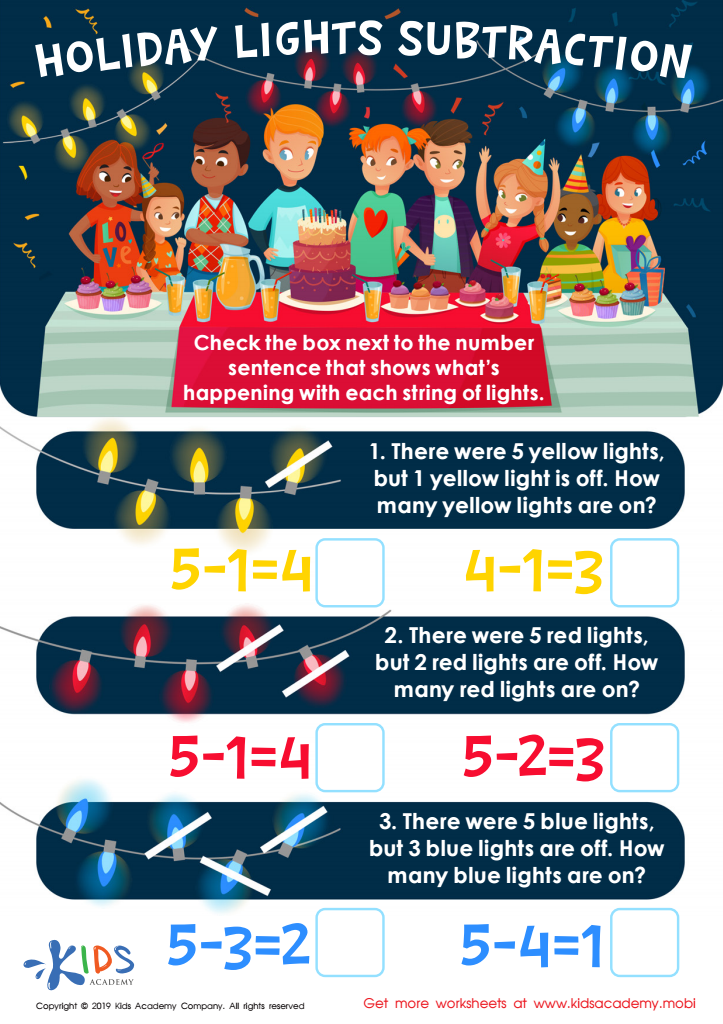
Holiday Lights Subtraction Worksheet
 Assign to My Students
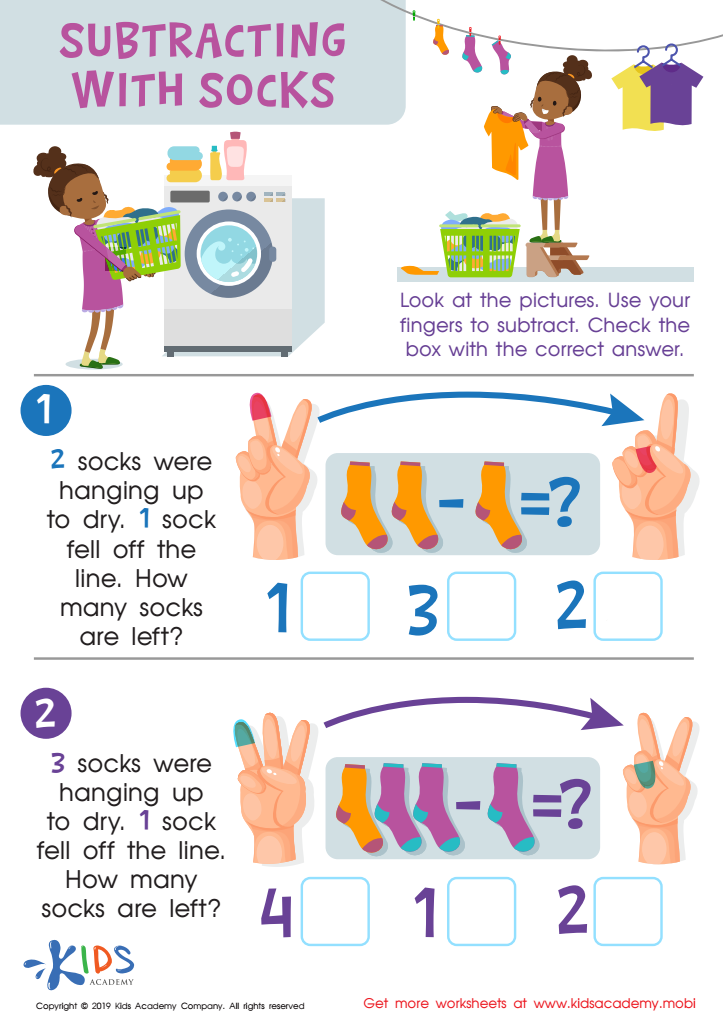
Subtracting Socks Worksheet
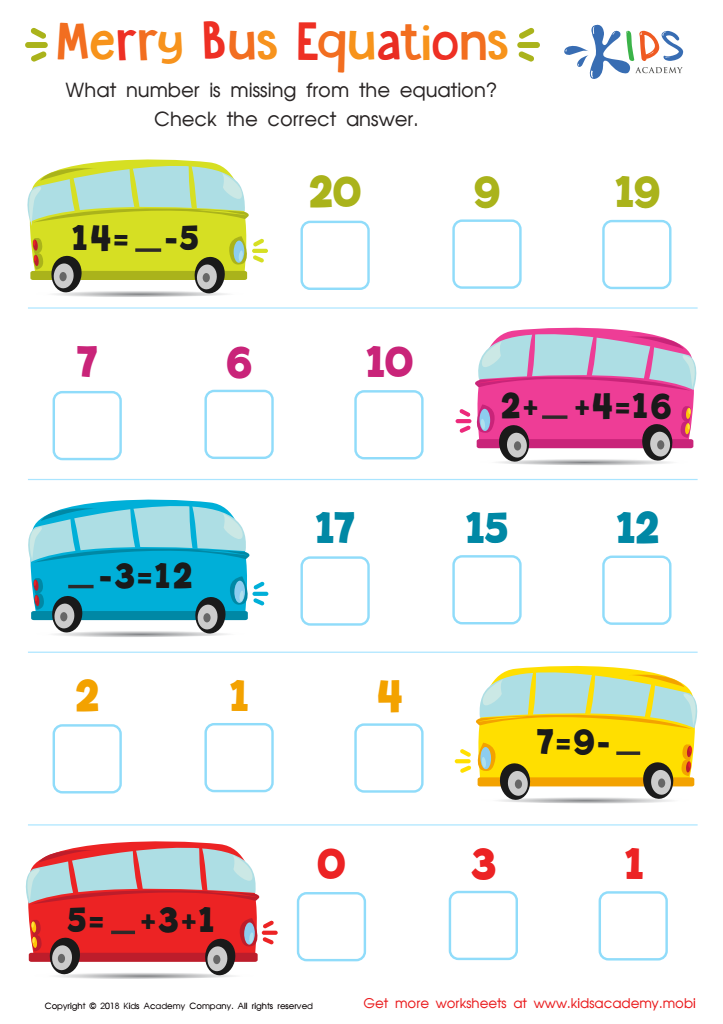
Merry Bus Equations Worksheet
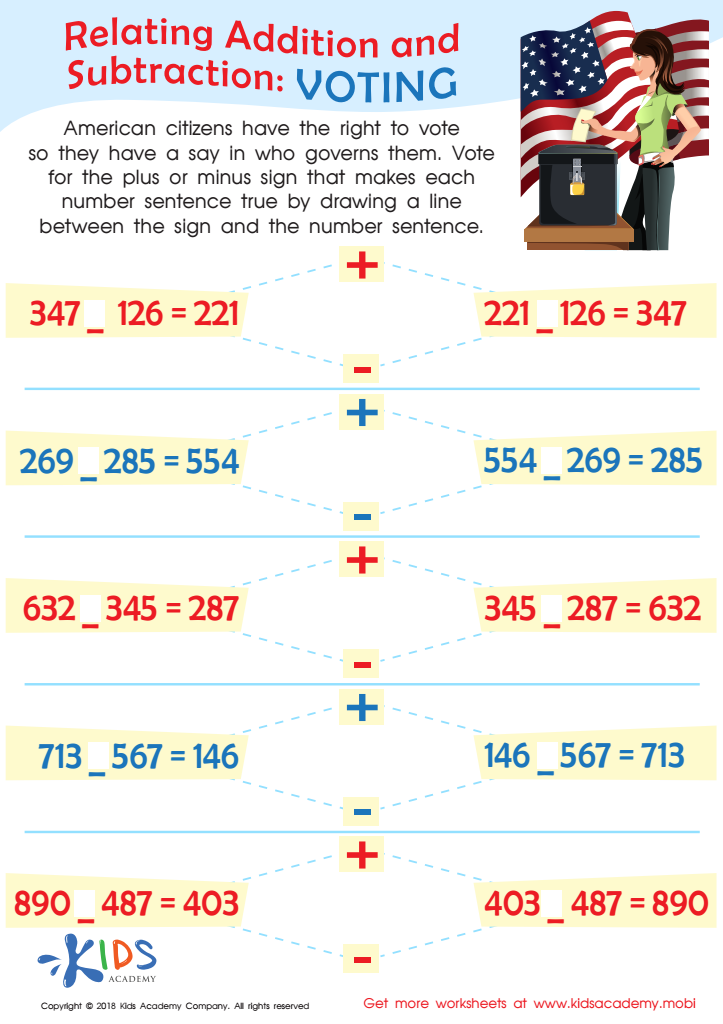
Voting Worksheet
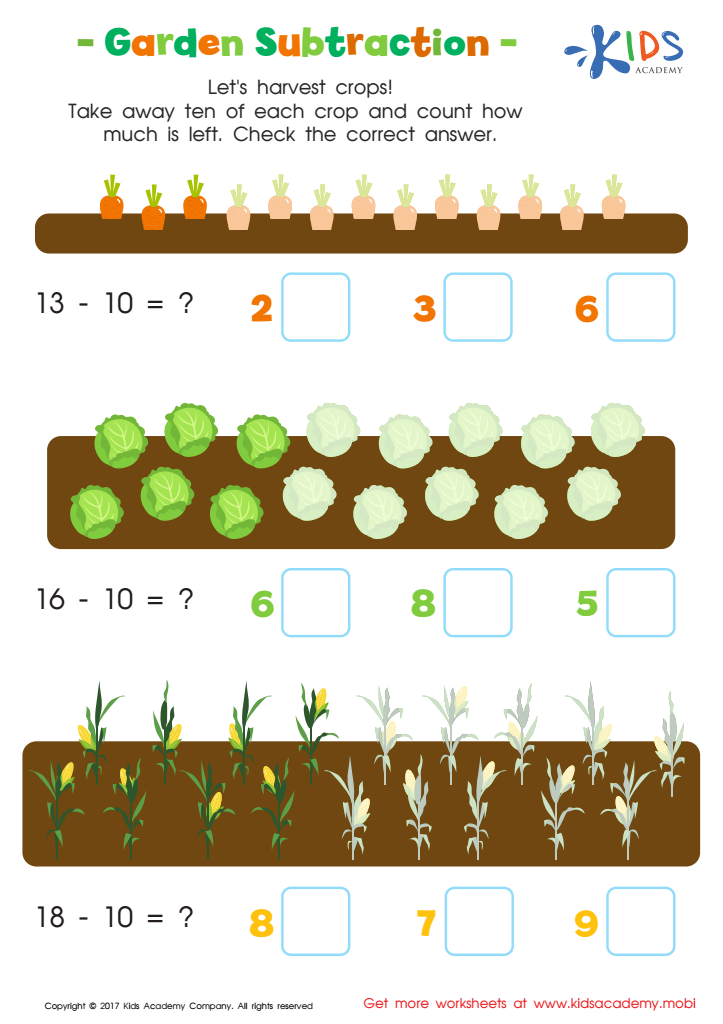
Garden Subtraction Worksheet
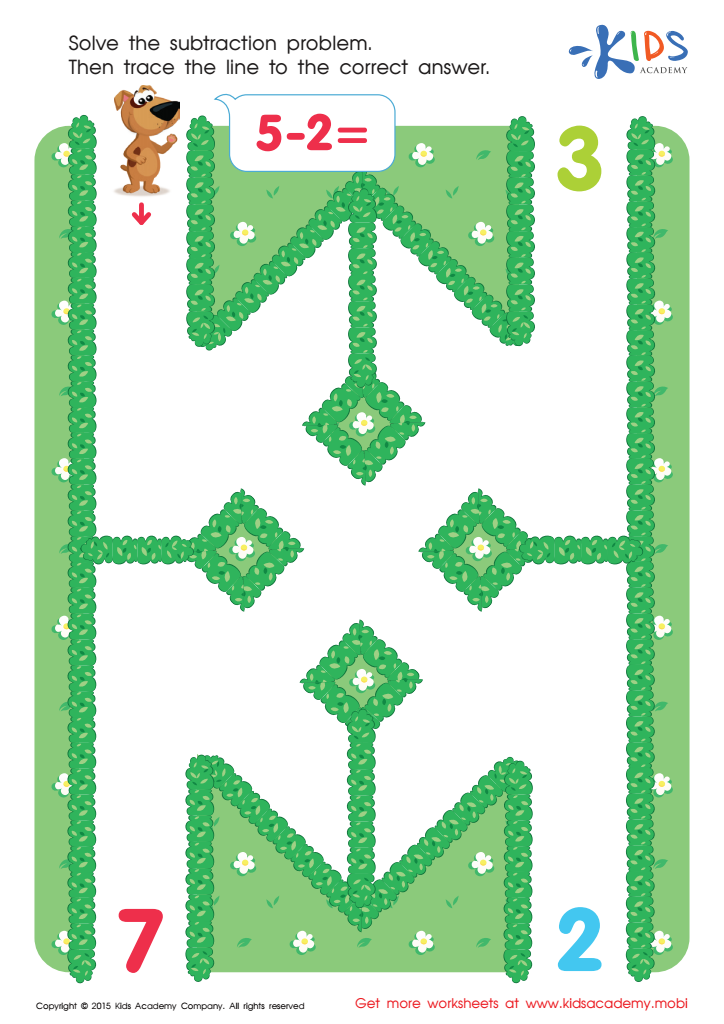
Five Minus Two Worksheet
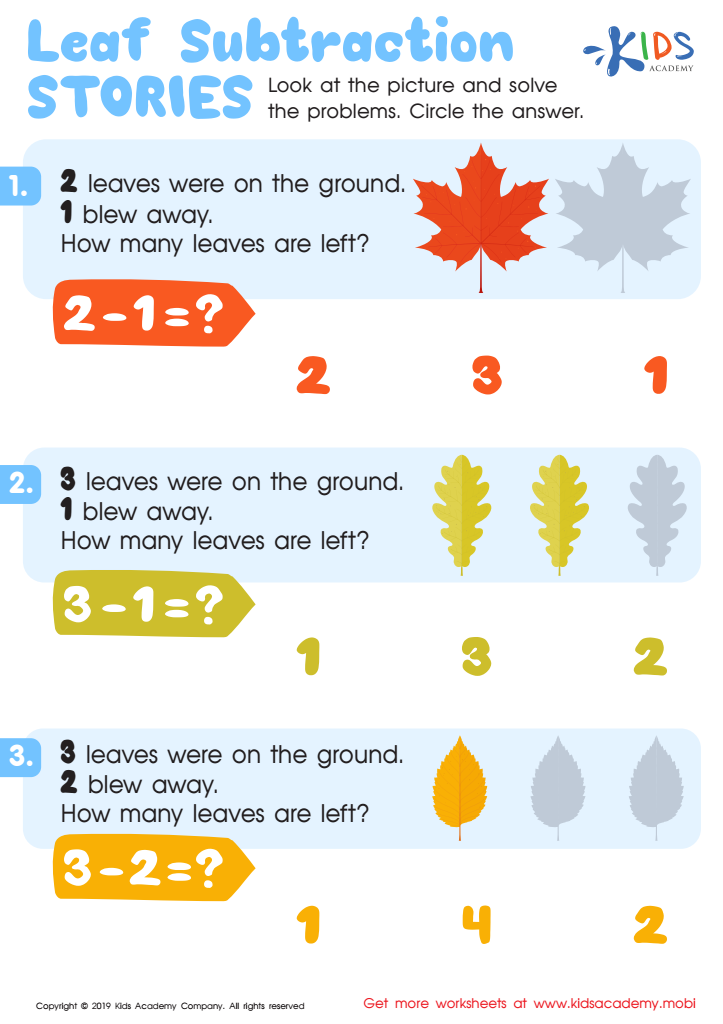
Leaf Subtraction Stories Worksheet
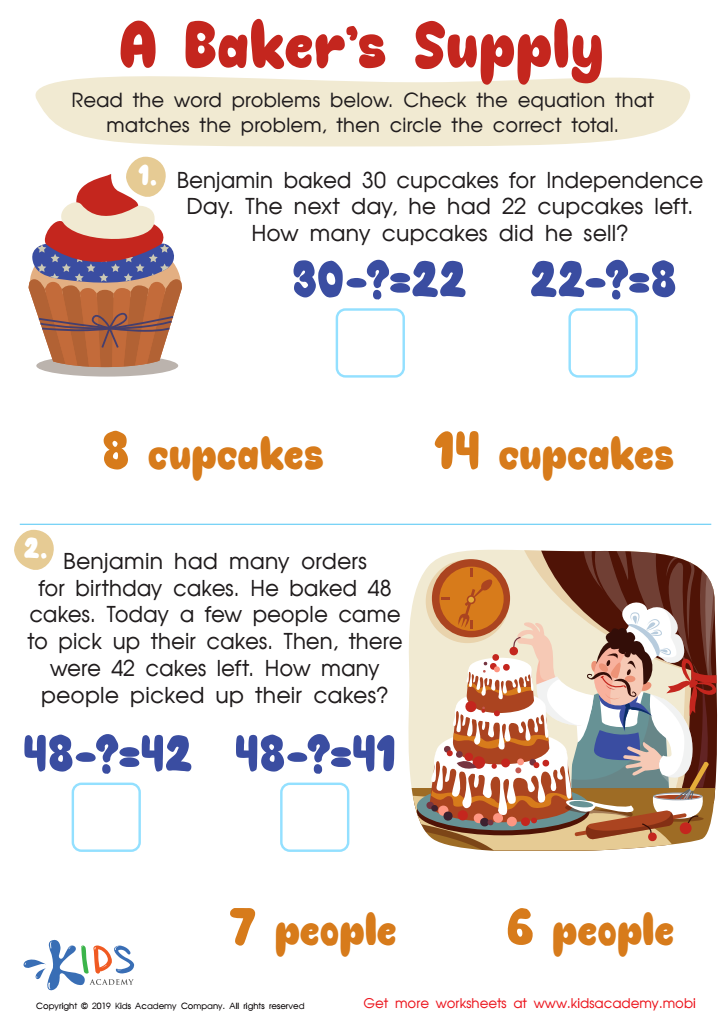
A Baker's Supply Worksheet
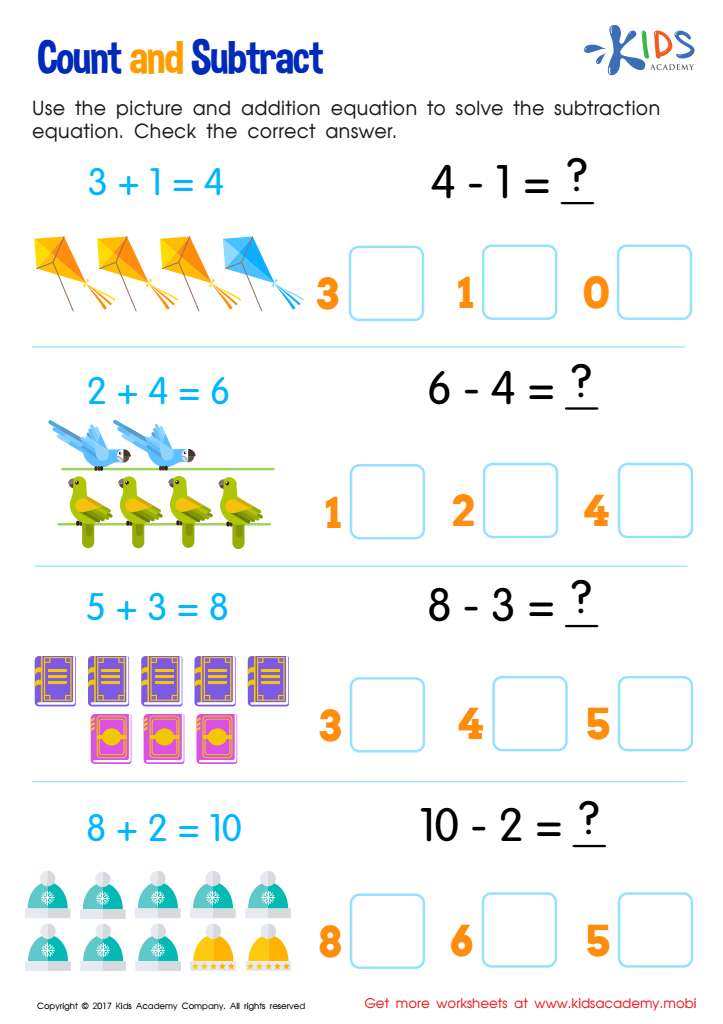
Count and Subtract Worksheet
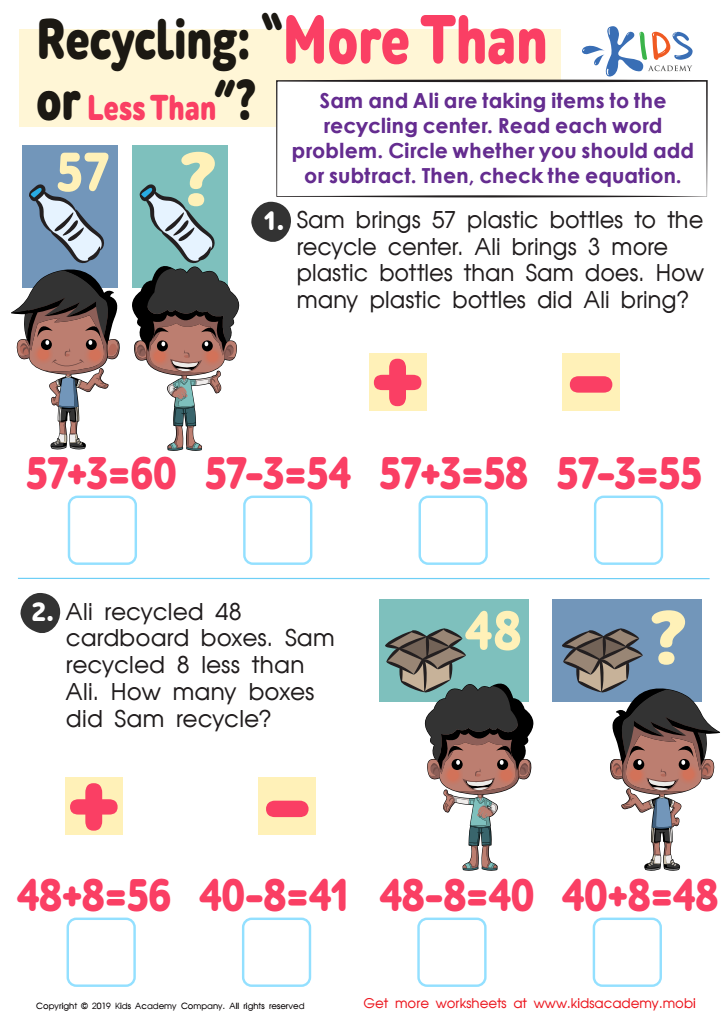
Recycling - More or Less Worksheet








The development of basic subtraction skills for ages 6-9 is crucial for laying a strong mathematical foundation. Children at this stage are rapidly expanding their understanding of numbers and how they relate to each other. Subtraction is not just about learning to take away one number from another; it involves understanding the relationship between quantities and the concepts of difference and change. Mastery of basic subtraction helps children with everyday tasks, such as counting money or telling time, which are essential life skills.
Moreover, proficiency in early math skills, including subtraction, has been linked to future academic success. Research shows that children who do well in math during their early years tend to perform better in later grades. Struggling with basic math skills can impact a child’s confidence and attitude towards more complex mathematical concepts, potentially affecting their overall academic trajectory.
Additionally, learning subtraction promotes critical thinking and problem-solving abilities. As children work through subtraction problems, they learn to approach challenges methodically and develop strategies to find solutions. Teachers and parents should prioritize supporting children in mastering subtraction early on, as it provides the essential building blocks for higher-level math and everyday functional skills. Investing in this area of development helps ensure children gain confidence and competence, fostering a lifelong appreciation and proficiency in mathematics.








