Historical Knowledge Reading Non-Fiction Worksheets for Ages 6-9
5 filtered results
-
From - To
Discover our engaging "Historical Knowledge Reading Non-Fiction Worksheets" designed specifically for kids ages 6-9! These worksheets aim to foster a love for history while enhancing reading comprehension skills through captivating non-fiction texts. Each activity is crafted to introduce young learners to significant historical events, figures, and concepts, encouraging critical thinking and curiosity. With colorful illustrations and age-appropriate language, these worksheets make learning enjoyable and accessible. Ideal for both classroom and home use, our resources promote independent learning and spark a deeper interest in history. Equip your child with valuable knowledge and skills while having fun exploring the past!
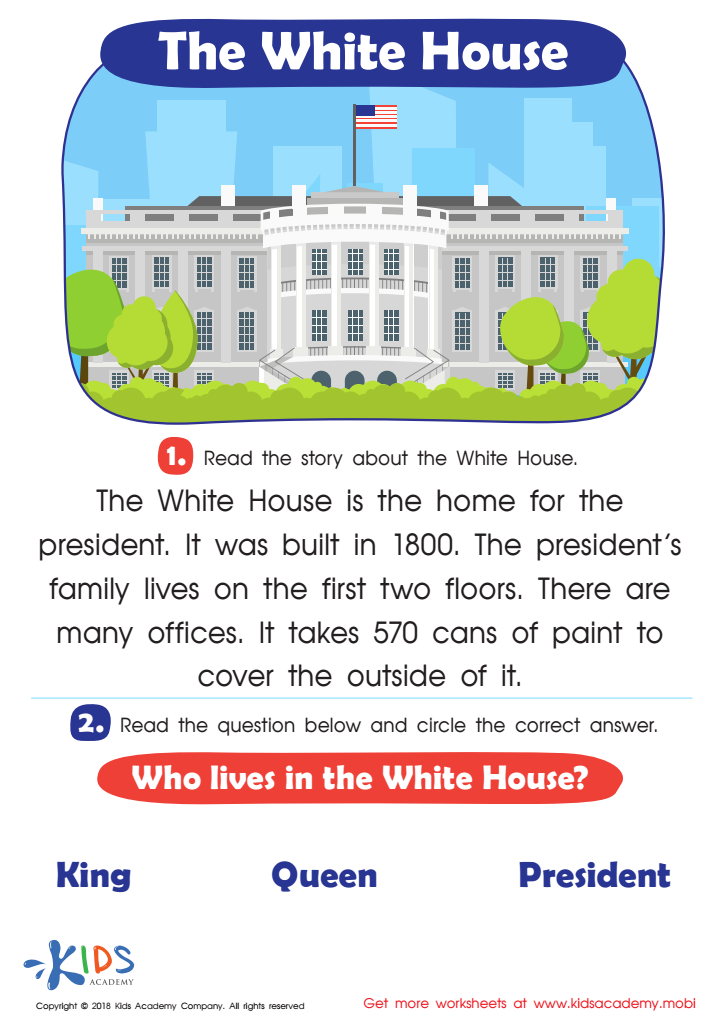
White House Worksheet
 Assign to My Students
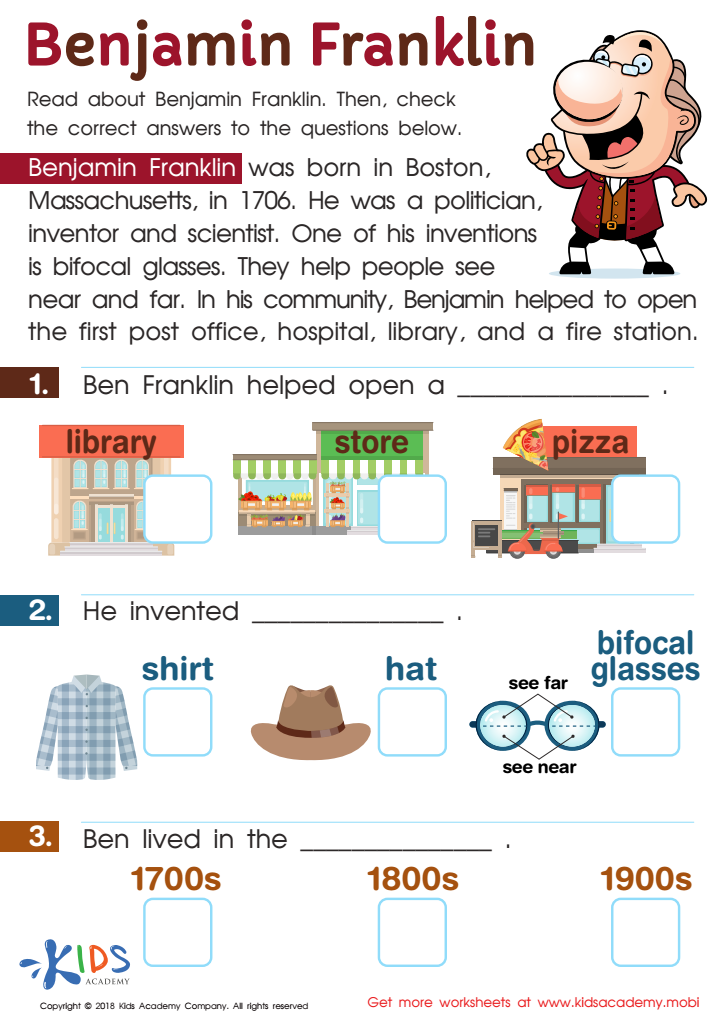
Benjamin Franklin Worksheet
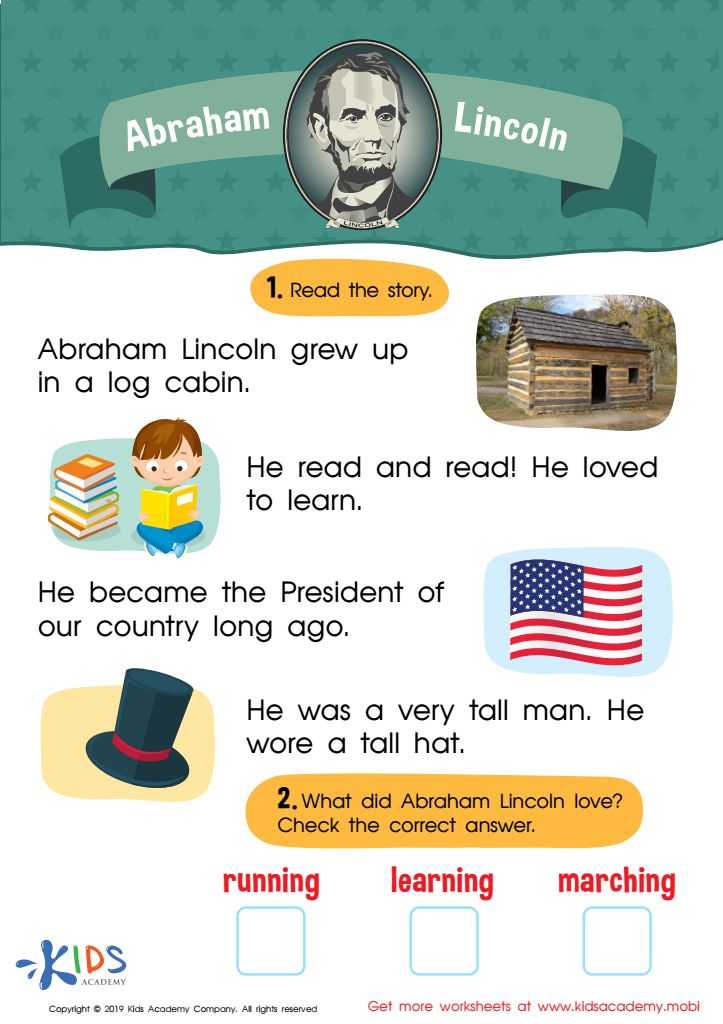
Abraham Lincoln Worksheet
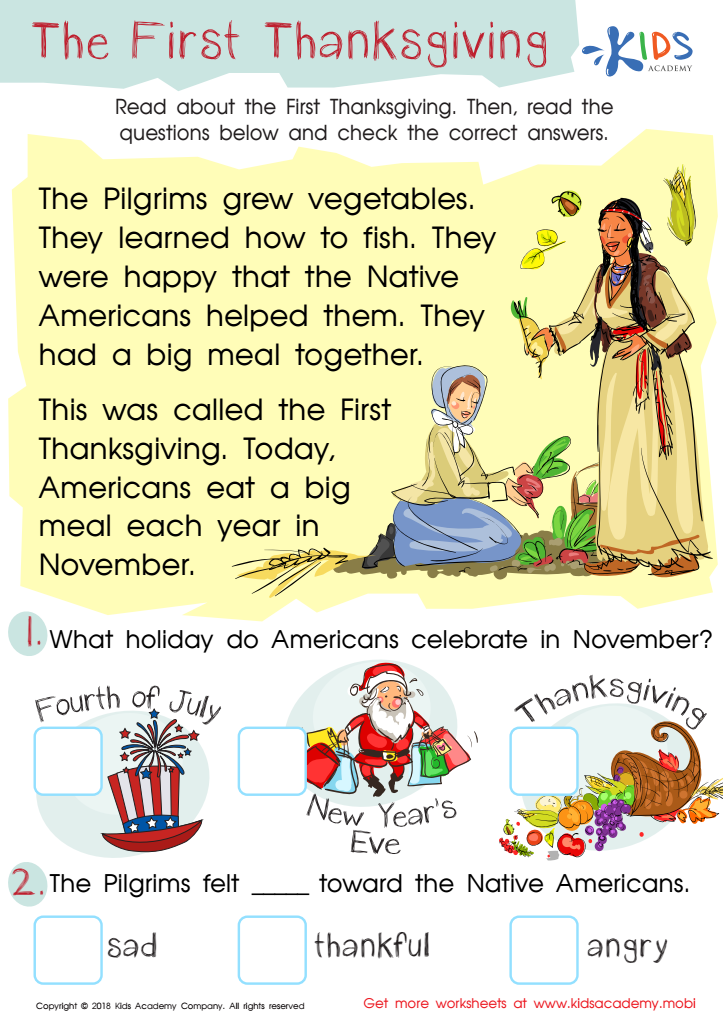
Assessment: First Thanksgiving Worksheet
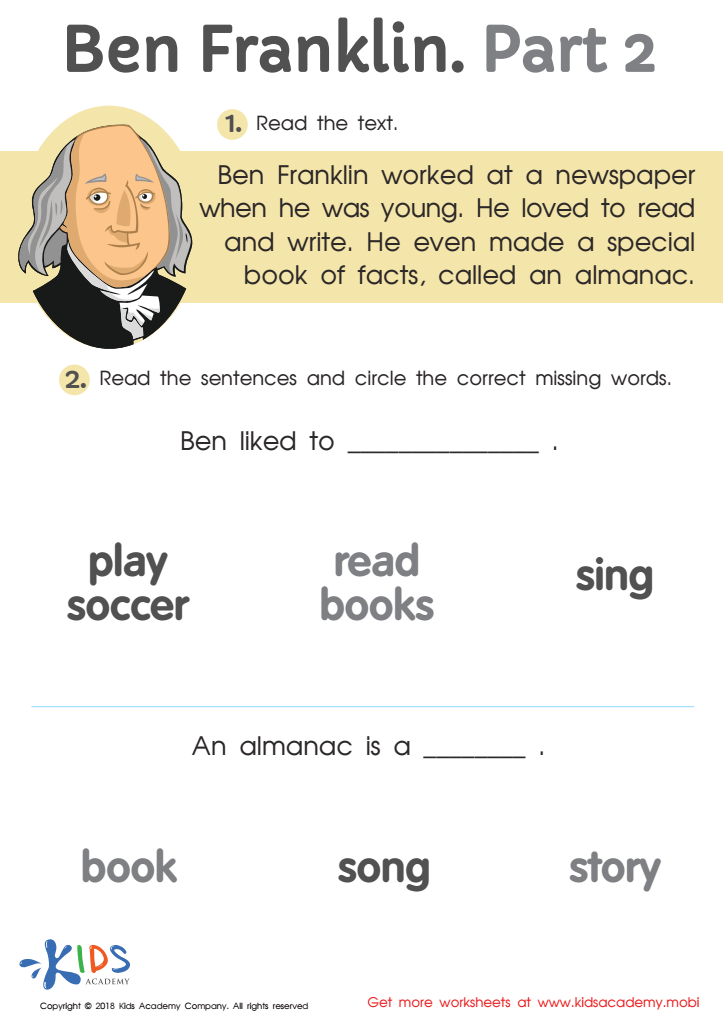
Ben Franklin Part 2 Worksheet








Parents and teachers should prioritize Historical Knowledge Reading Non-Fiction for children aged 6-9 because it nurtures critical thinking, cultural awareness, and engagement with the world. At this developmental stage, children are naturally curious about their surroundings and the events that have shaped society. Exposing them to non-fiction books about history not only satisfies that curiosity but helps them develop a sense of belonging in a broader narrative.
Understanding historical events and figures fosters empathy, allowing young learners to appreciate different perspectives and cultures. This practice builds foundational skills in literacy, as children learn to extract information, analyze content, and discuss ideas—skills that are crucial for their overall academic growth.
Moreover, early exposure to historical non-fiction creates informed citizens who are aware of their rights and responsibilities within society. When children engage with stories from the past, they not only learn facts but also connect emotionally with the narratives, making the learning experience more impactful. As these young readers grow, these experiences encourage them to ask thoughtful questions, seek further knowledge, and develop a love for reading that will serve them throughout their lives. In conclusion, emphasizing historical reading non-fiction supports cognitive development and nurtures well-rounded individuals.








