Vocabulary development Reading Non-Fiction Worksheets for Ages 6-9
5 filtered results
-
From - To
Unlock a world of knowledge with our Vocabulary Development Reading Non-Fiction Worksheets, designed for children aged 6-9. These engaging worksheets introduce young learners to new words and concepts through intriguing non-fiction topics. By working through these activities, kids enhance their reading skills and expand their vocabulary, giving them the tools to better comprehend and navigate informational texts. Perfect for both classroom and at-home learning, our worksheets provide a great complement to any child's educational journey. Start cultivating a love for learning and strengthen your child's vocabulary today with Kids Academy!
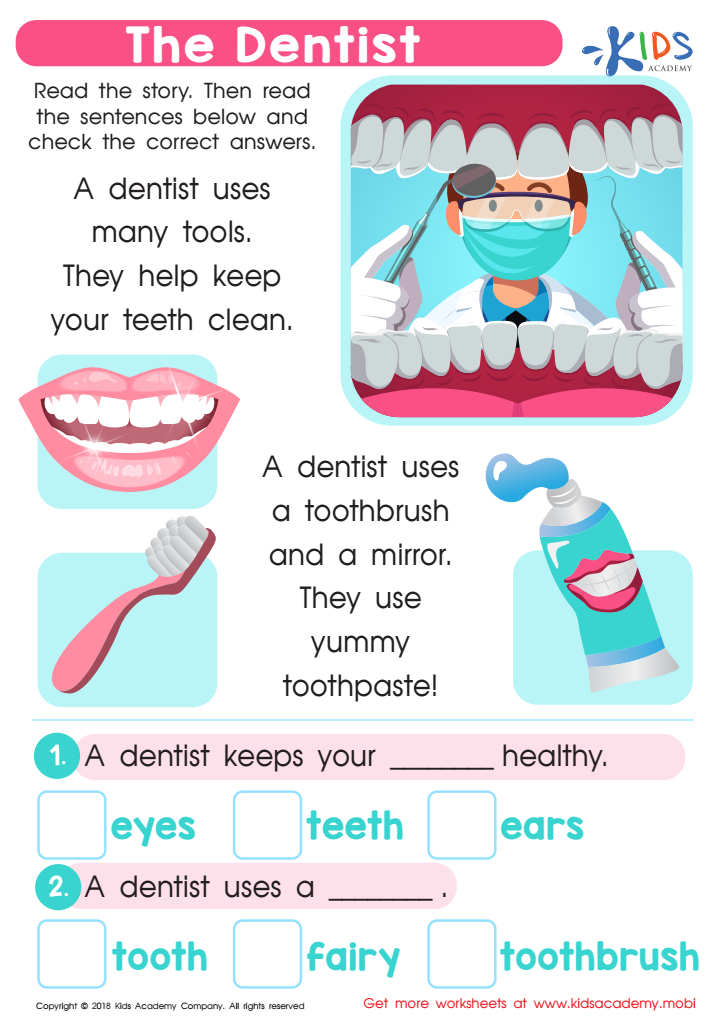
The Dentist Worksheet
 Assign to My Students
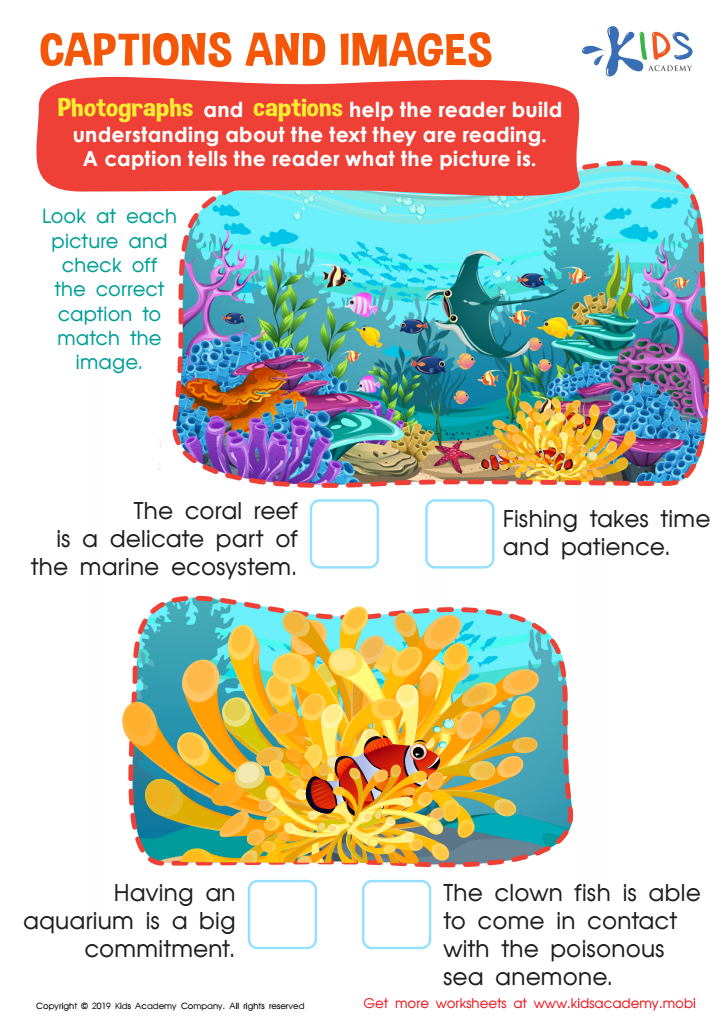
Captions and Images Worksheet
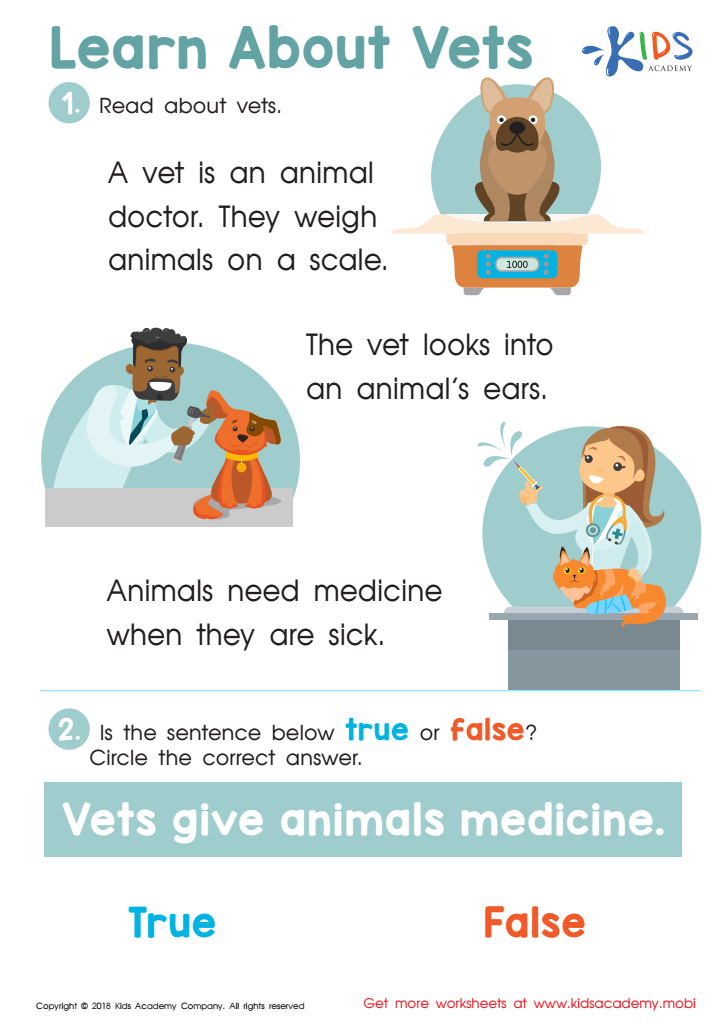
Learn About Vets Worksheet
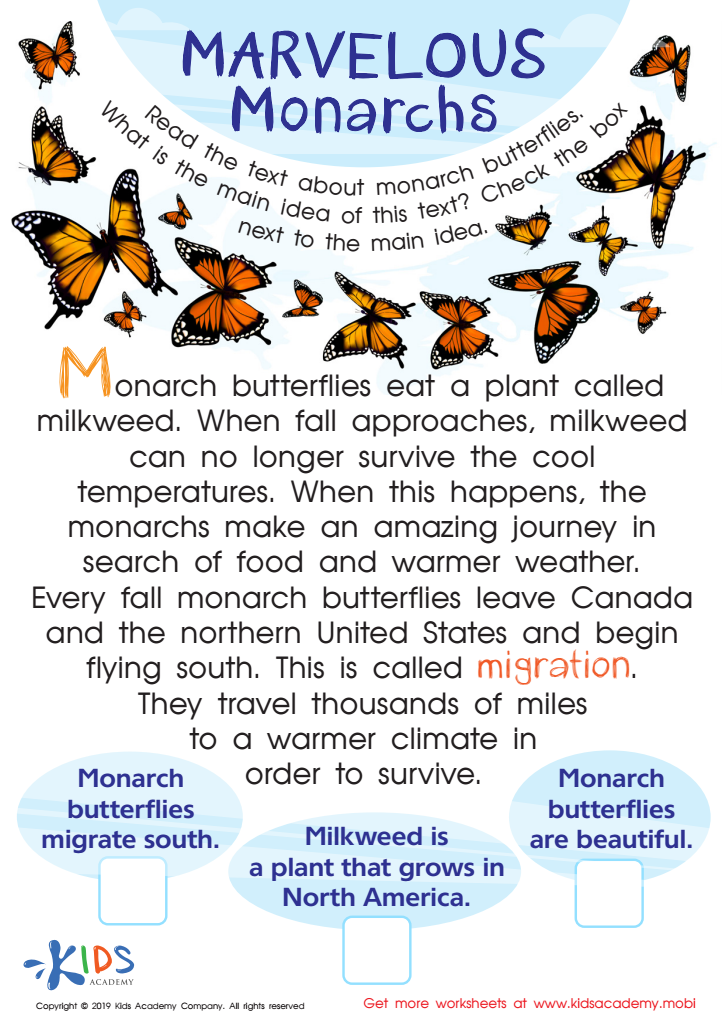
Marvelous Monarchs Worksheet
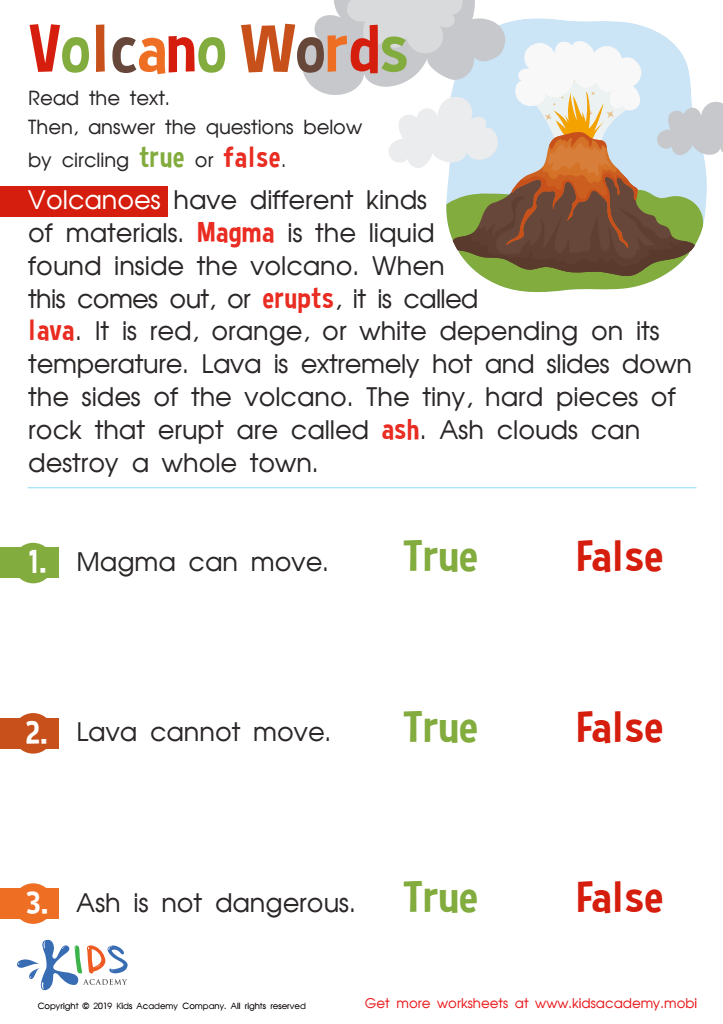
Volcano Words Worksheet








Vocabulary development in early childhood is crucial, particularly when reading non-fiction, as it lays a strong foundation for all future learning. For children ages 6-9, this period is critical as their brains are highly receptive to new words and concepts. Introducing them to non-fiction texts ensures they encounter precise and topic-specific vocabulary that is less common in everyday conversation or fiction.
First, enriched vocabulary directly improves comprehension. When children understand more words, they better grasp the meaning of sentences and entire passages, which boosts overall reading skills. Second, non-fiction introduces children to factual content about the world—providing context and background knowledge that enhances their cognitive development. Topics in science, history, and nature foster curiosity and inform their knowledge base.
Moreover, a strong vocabulary builds communication skills. When children can articulate thoughts and ask questions clearly, they are more engaged and confident learners. This skill sets the stage for success in academic settings and beyond. Parents and teachers should care deeply about vocabulary development through non-fiction reading because it supports critical thinking, builds a robust knowledge base, and cultivates a lifelong love of learning.
By prioritizing vocabulary through non-fiction, we ensure children are better prepared for the more complex texts they will encounter later in their academic journey and life.








