Comparing Fractions Sight Words Worksheets for Ages 6-9 - Page 2
31 filtered results
-
From - To
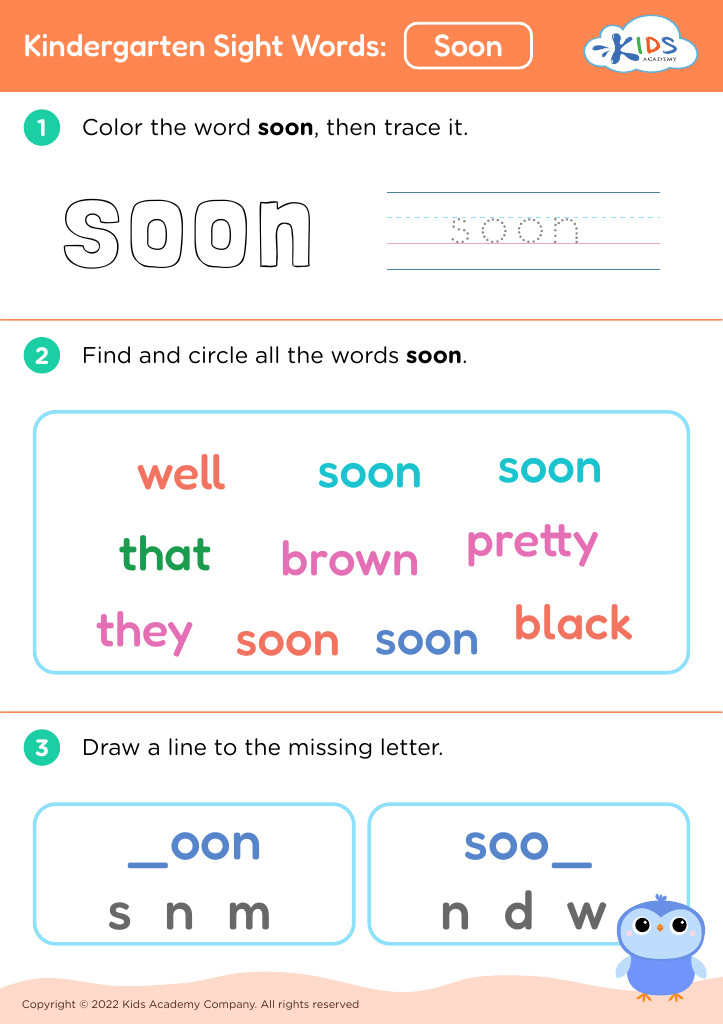

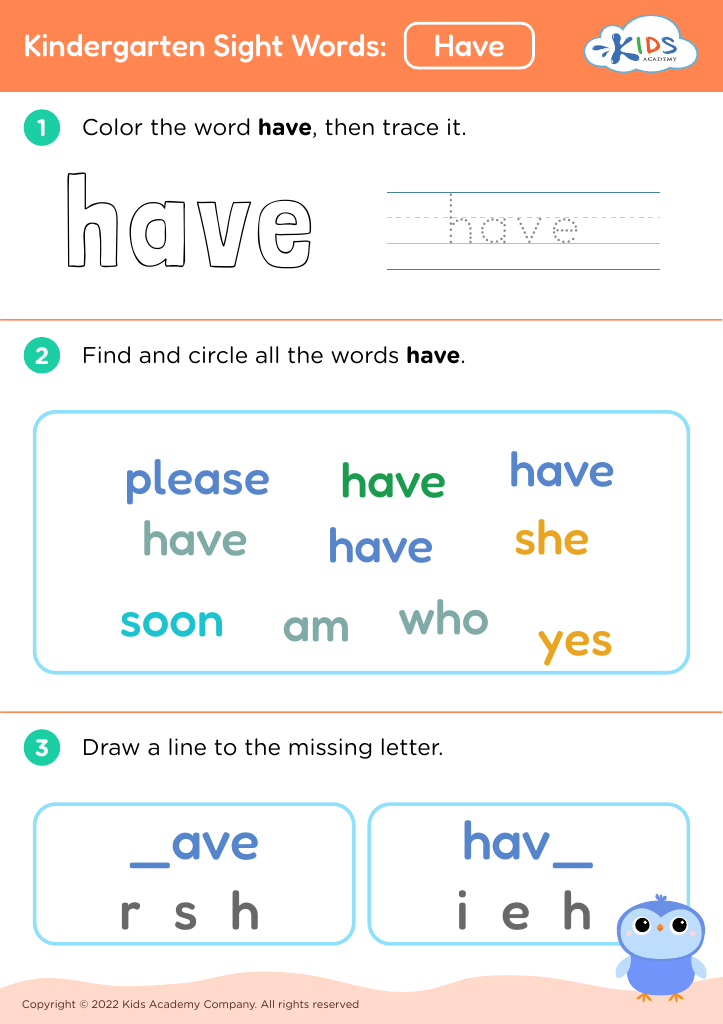
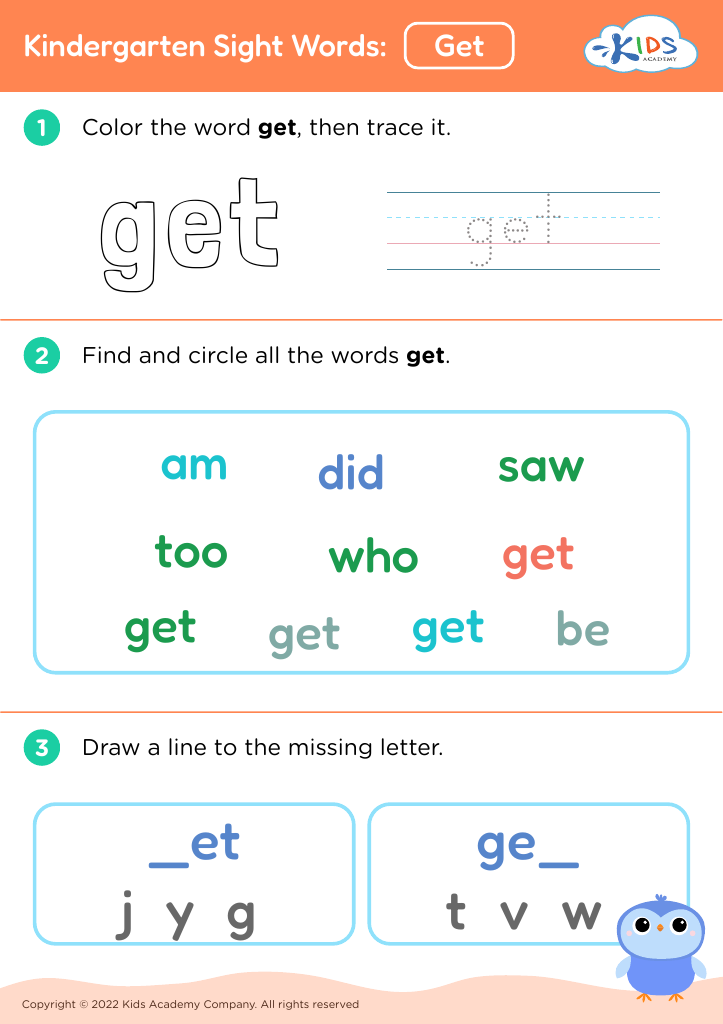
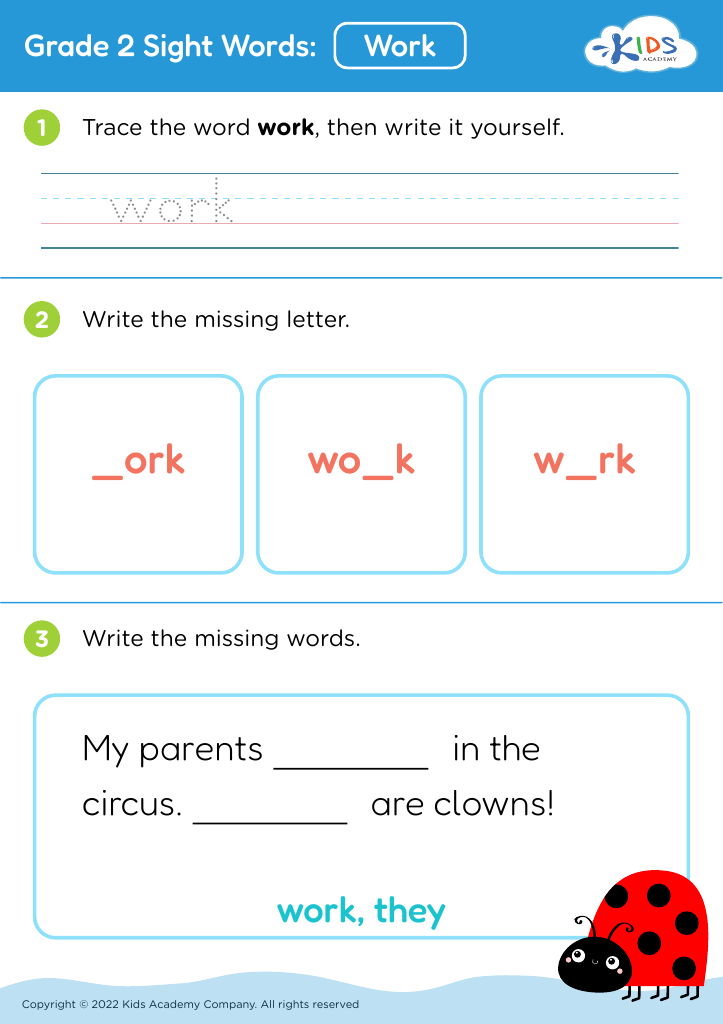
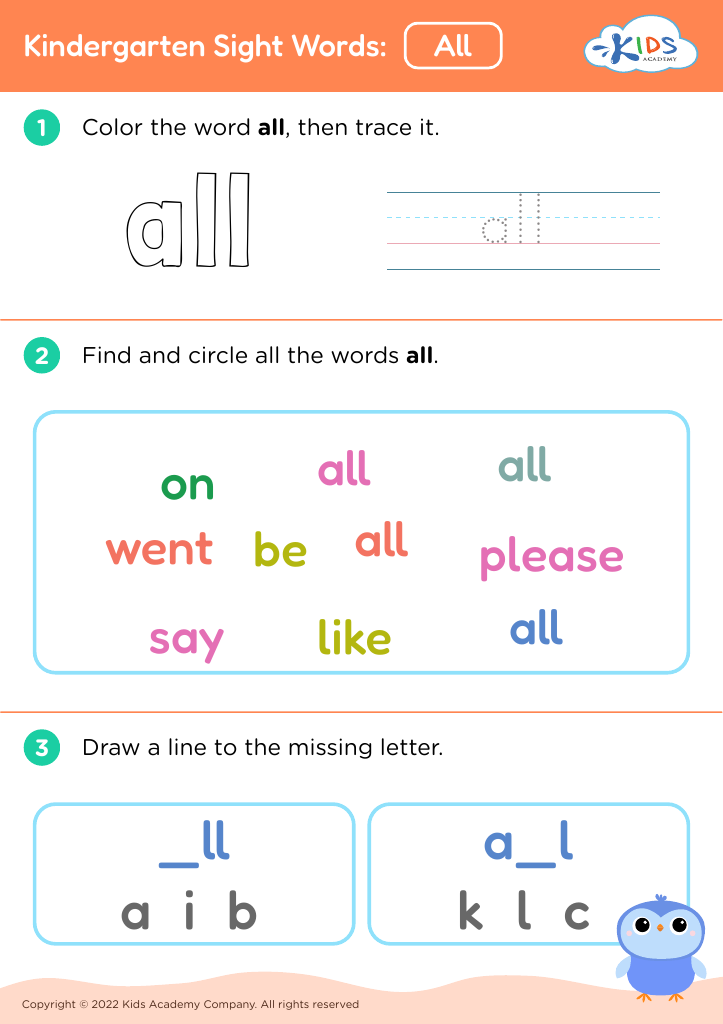



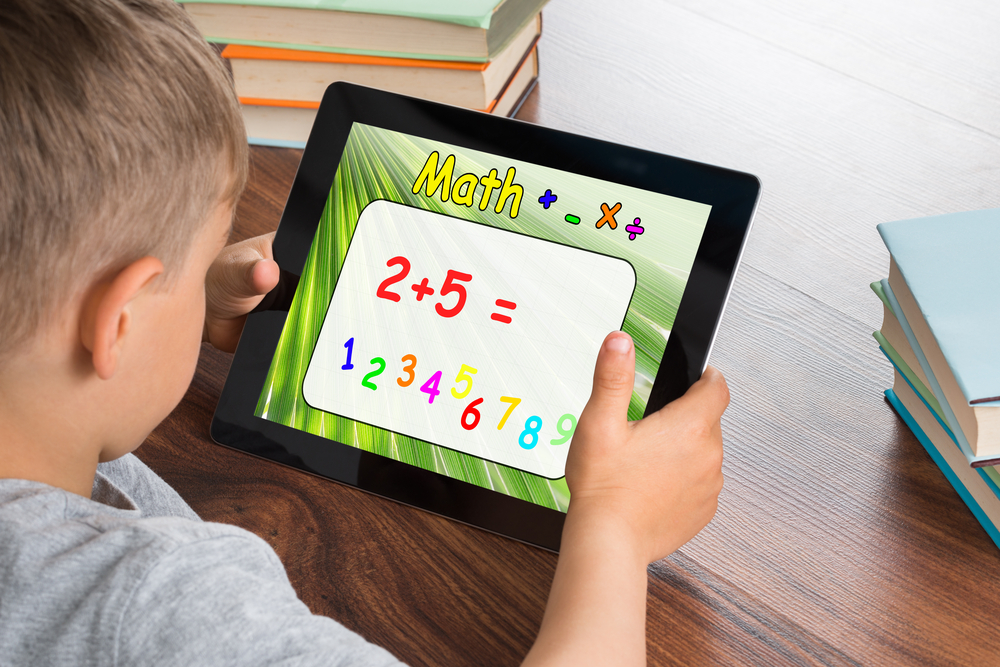




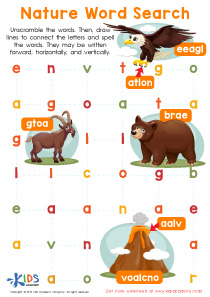
Parents and teachers play a crucial role in early childhood education, and paying attention to key learning areas like comparing fractions and sight words for ages 6-9 is essential. Understanding fractions at a young age equips children with important mathematical skills that form the foundation for more advanced concepts. By comparing fractions, students learn how to interpret parts of a whole, which contributes to their overall number sense and problem-solving abilities. This understanding is integral as they progress through later grades, where fractions become more complicated.
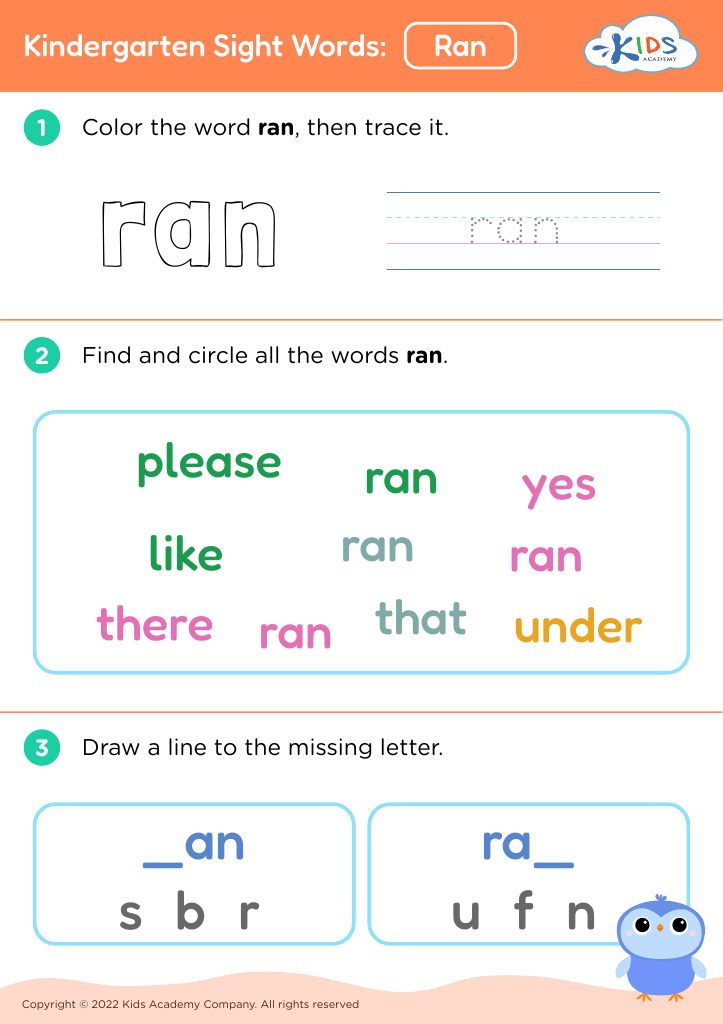
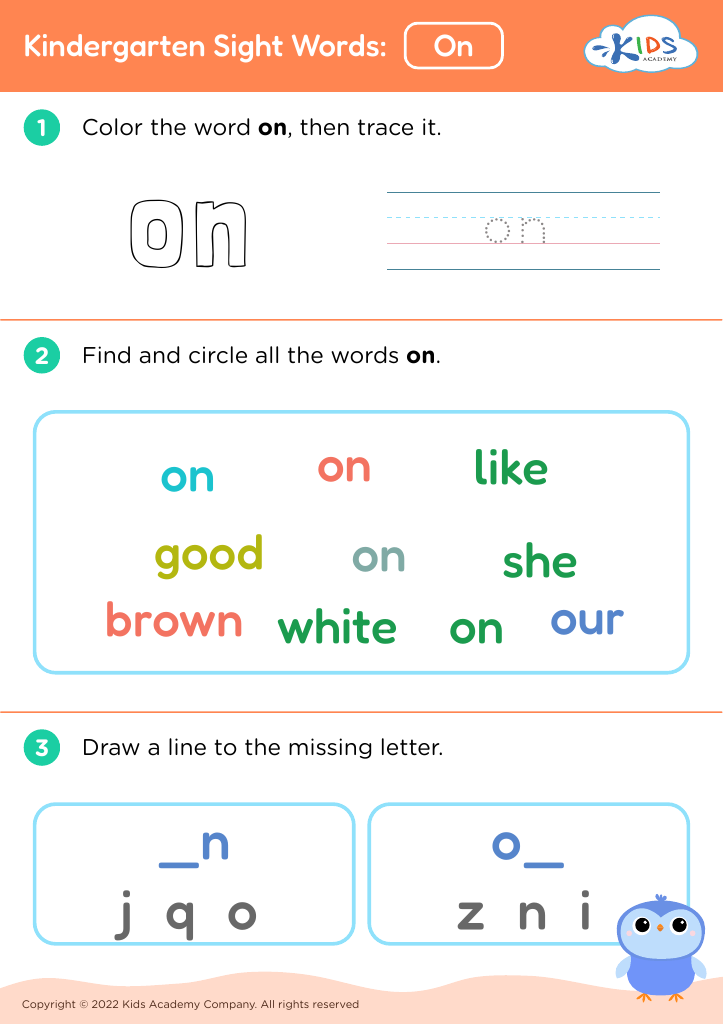
Sight words, on the other hand, are high-frequency words that children must recognize instantly to improve reading fluency. Mastery of these words reduces the cognitive load required for decoding, allowing young readers to focus more on comprehension and storytelling. Recognizing sight words promotes confidence and encourages a love for reading, which is crucial for their overall language development.
When parents and teachers prioritize comparing fractions and sight words, they set a strong educational foundation that supports both mathematical and literacy skills. This joint focus enhances children's abilities to tackle more complex subjects with ease and fosters independent learning. In turn, this leads to academic success and empowers children with lifelong skills that extend well beyond the classroom.