Fraction Addition Sight Words Worksheets for Ages 6-9
3 filtered results
-
From - To
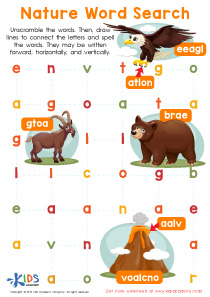
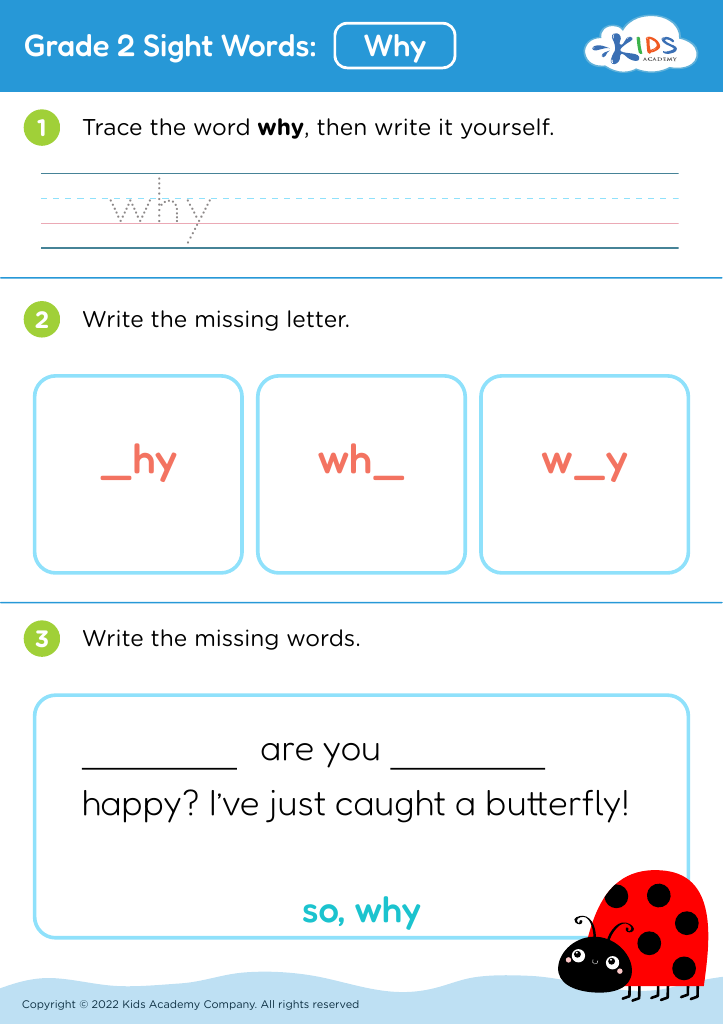
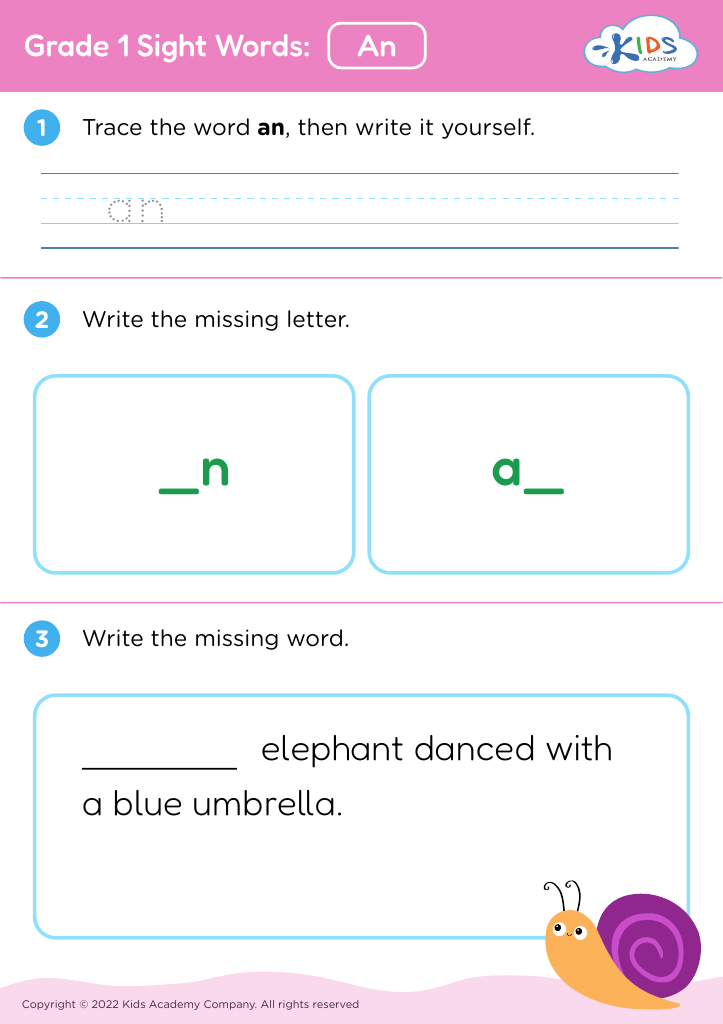
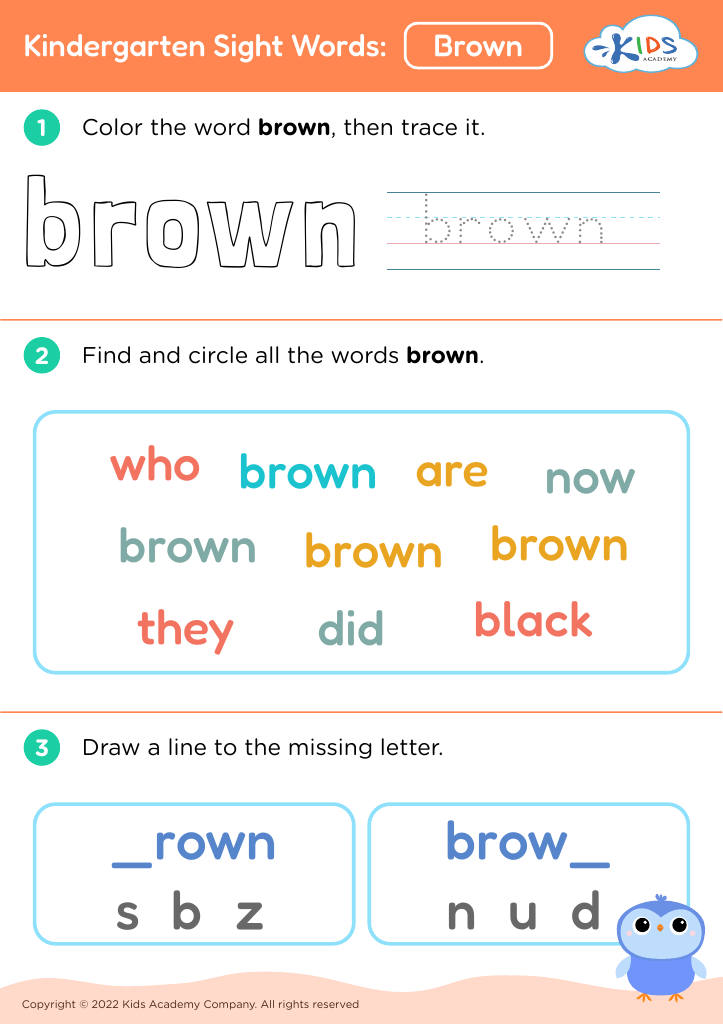
Enhance your child's learning experience with our interactive Fraction Addition Sight Words Worksheets tailored for ages 6-9. These engaging worksheets help young learners grasp the concepts of fraction addition while simultaneously building their sight word vocabulary. Perfect for reinforcing math skills, each activity encourages students to read and understand essential sight words in context, making learning fun and effective. With colorful illustrations, clear instructions, and a variety of exercises, our resources cater to diverse learning styles, ensuring every child can thrive. Explore fraction addition in a creative way, nurturing both mathematical and reading proficiency for a well-rounded education. Access now for an enriching classroom or home experience!




.jpg)





Parents and teachers should prioritize Fraction Addition Sight Words for children aged 6-9 because early mathematics education lays the groundwork for future learning. During these formative years, students begin to develop an understanding of fractions, which are critical in various real-life applications, from cooking to budgeting. When children learn to recognize and read fraction-related terms easily, such as "one half," "three quarters," or "mixed number," they enhance their mathematical vocabulary, leading to better comprehension.
Sight words help students quickly identify and understand critical concepts without the need for lengthy decoding processes, allowing them to focus on solving problems rather than struggling with terminology. This fluency fosters confidence, encouraging engagement and reducing anxiety associated with math.
Moreover, consistent exposure to fraction addition sight words promotes collaboration in learning. Children can communicate their thought processes more effectively during group activities, helping to build essential social skills and critical thinking capabilities.
By integrating these sight words into everyday activities and lessons, parents and teachers create a rich numeral literacy environment. This not only ensures that children develop a solid foundation in fractions but also builds a positive attitude toward mathematics that supports lifelong learning.