
Alphabet sequencing Worksheets for Ages 7-8
3 filtered results
Difficulty Level
Grade
Age
-
From - To
Subject
Activity
Standards
Enhance your child's literacy skills with our engaging Alphabet Sequencing Worksheets tailored for ages 7-8. These expertly designed worksheets challenge young learners to practice critical alphabetizing skills in a fun, structured way. Ideal for both classroom and at-home learning, each activity promotes cognitive development and reinforces alphabetical order. Puzzles, matching games, and sequencing exercises keep kids motivated while mastering essential phonics skills. Complement your student's learning journey with vibrant, easy-to-use worksheets that make discovering the alphabet enjoyable and educational. Foster confidence in reading and writing as your child explores the world of letters with our expertly crafted resources.
Favorites
With answer key
Interactive
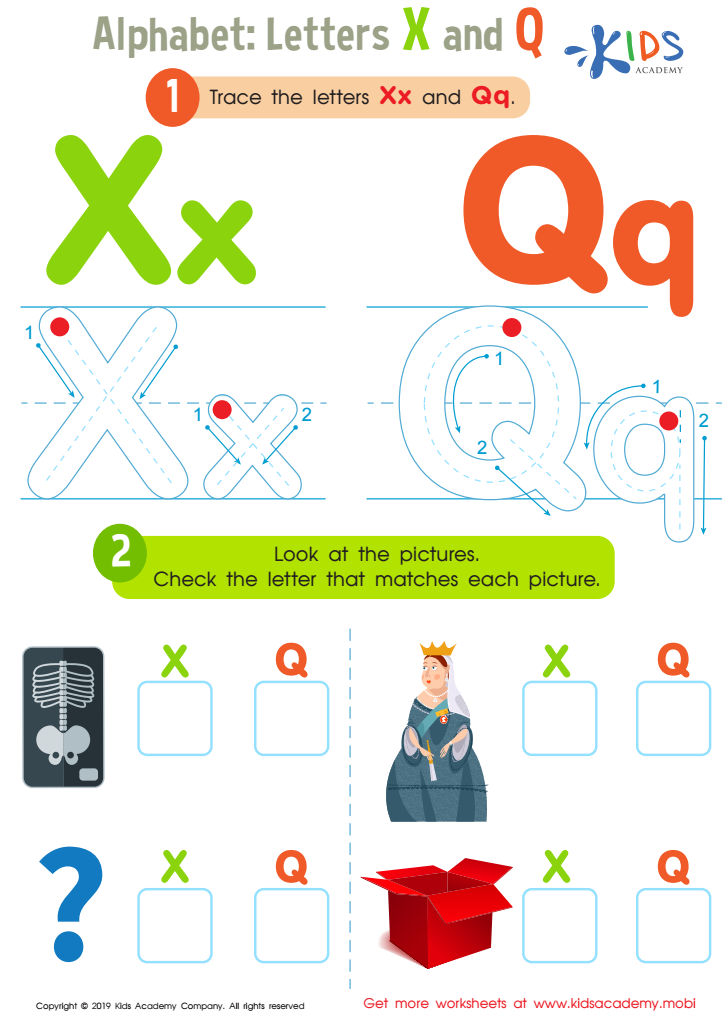
Letters X and Q Tracing Worksheet
Do you want your students to improve writing and letter recognition? This worksheet is a great place to start! Kids can trace the letters «X» and «Q» and identify pictures that match each letter. With a little encouragement, they'll do a great job!
 Assign to My Students
Letters X and Q Tracing Worksheet
Worksheet
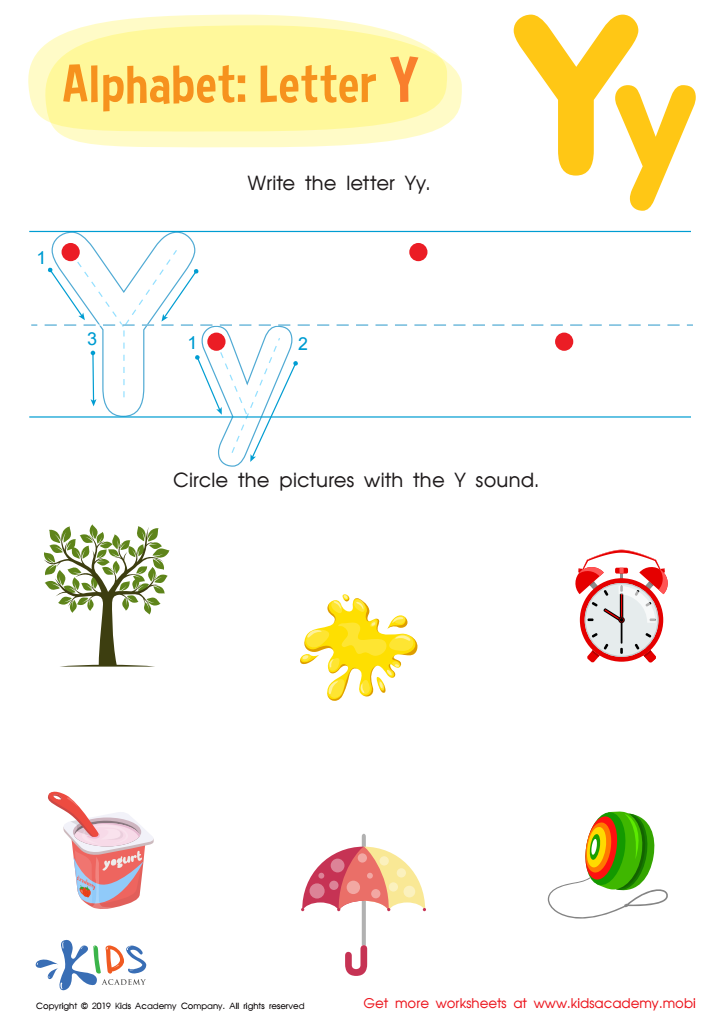
Letter Y Tracing Worksheet
Does your child need help with learning the final letters of the alphabet? This PDF worksheet is perfect then! Kids can practice tracing the letter «Y» and circle pictures that start with the same sound. Options include «yellow» and «yogurt». It's a great way of honing their letter-learning skills.
Letter Y Tracing Worksheet
Worksheet
Join Kids Academy for Free
Who is primarily going to use this learning content?








Alphabet sequencing is a foundational skill that plays a crucial role in the cognitive and academic development of children ages 7-8. At this age, children transition from recognizing and learning individual letters to integrating these letters into meaningful literacy skills. Mastery in alphabet sequencing can enhance vocabulary, spelling, and reading comprehension.
First, understanding alphabet order helps children use dictionaries, glossaries, and indexes, vital resources as their academic tasks grow more complex. Proficiency in alphabet sequencing supports the ability to alphabetize words, a skill essential for organizing information, both in and out of the classroom.
Second, sequencing aids memory retention. By practicing the order of letters, children can memorize spelling patterns more efficiently, which is fundamental for both reading and writing proficiencies. This, in turn, boosts their ability to recognize sight words quickly, thus facilitating smoother and faster reading experiences.
Lastly, alphabet sequencing enhances cognitive skills such as pattern recognition, logical thinking, and problem-solving. As children learn to categorize and group letters in order, they engage in processes that underpin critical thinking skills.
Therefore, parents and teachers should ensure regular practice of alphabet sequencing activities, such as alphabet games or writing exercises, as these efforts will pave the way for comprehensive language development and academic success.








