Cultural awareness Worksheets for Ages 7-8 - Page 2
26 filtered results
-
From - To
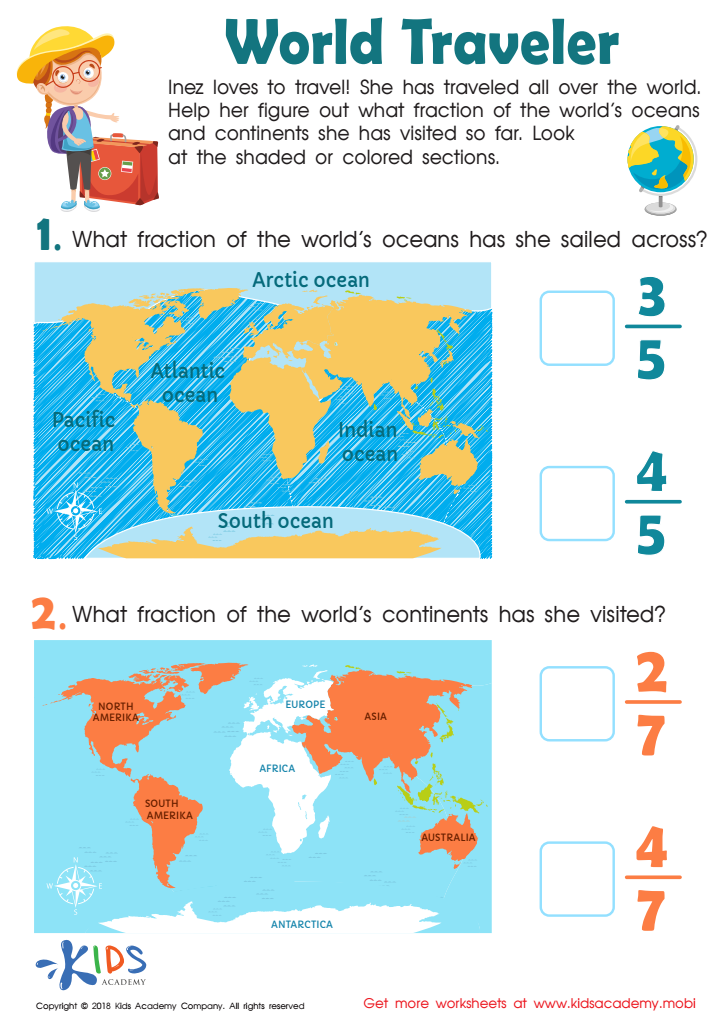
World Traveler Worksheet
 Assign to My Students






Cultural awareness is crucial for children aged 7-8 because it helps lay the foundation for a more inclusive and empathetic worldview. At this age, children are more receptive and curious, making it the perfect time to introduce diverse perspectives and traditions. Here’s why parents and teachers should prioritize it:
-
Social Skills and Empathy: Learning about different cultures enables children to develop a sense of empathy and understanding towards others who may be different from them. This translates into better social skills and allows them to build respectful and meaningful relationships.
-
Prejudice Reduction: Exposing children to a variety of cultures can help reduce the formation of stereotypes and prejudices. It combats ignorance and fosters a sense of acceptance and tolerance from a young age.
-
Cognitive Development: Cultural education stimulates cognitive flexibility, as children learn to think outside their own experiences and consider multiple viewpoints. This not only aids in problem-solving but also enhances creativity.
-
Global Awareness: A culturally aware child grows up with a greater understanding of global issues. This awareness fosters a sense of responsibility and encourages active participation in a global society.
By cultivating cultural awareness, we are not only enriching children’s lives but are also contributing to a more harmonious and understanding society.








